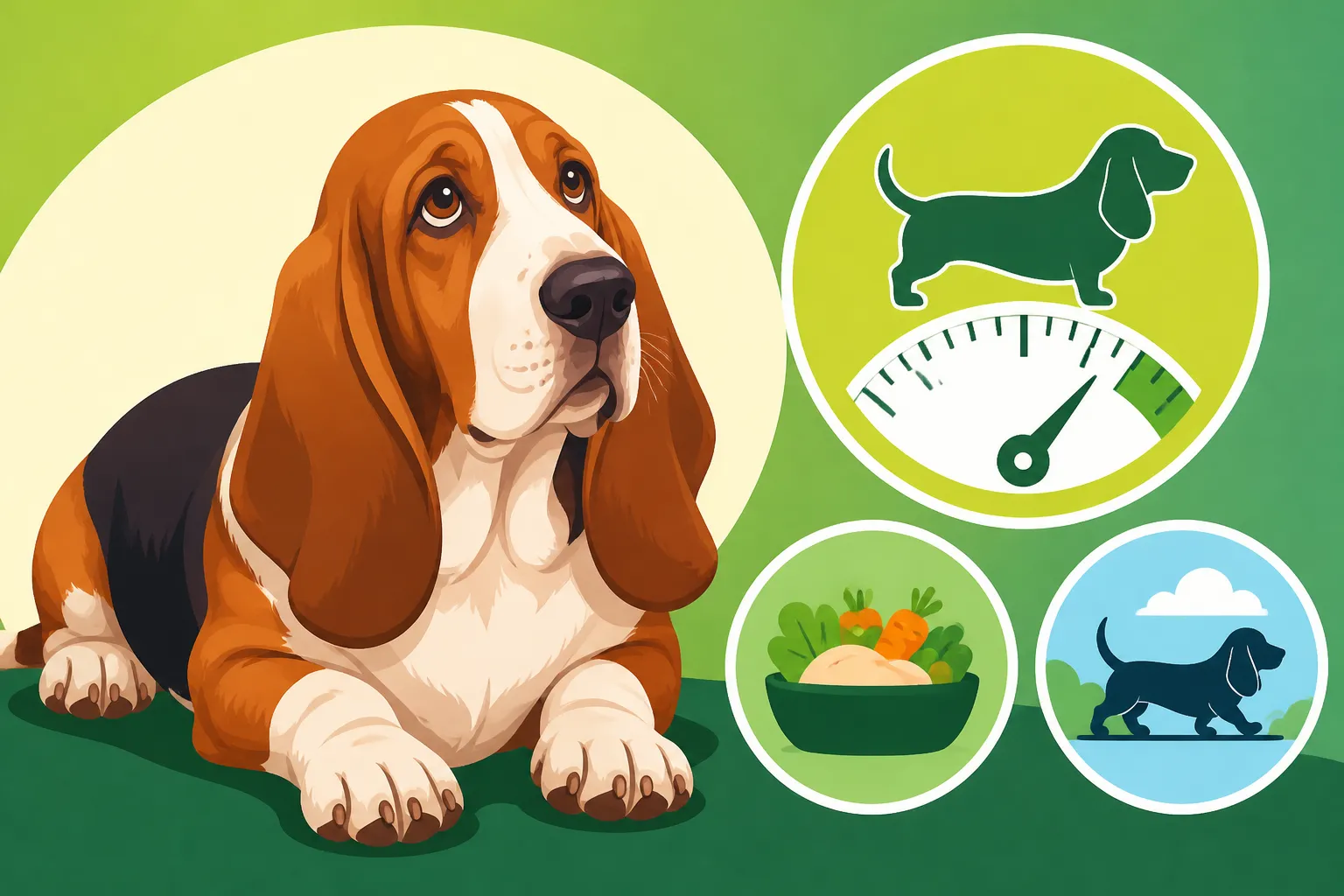
Keeping an Old Basset Hound’s Weight Down
It's a familiar sight for so many of us Basset Hound parents: our beloved, long-eared companions, once full of puppy-like energy (or at least, some energy), start to slow down as they age. With that slowing often comes the creeping challenge of weight gain, and it can feel like a losing battle. This guide is here to walk you through why keeping weight off an older Basset Hound is so crucial, and how you can manage it with love, patience, and smart strategies.
Why Older Basset Hounds Struggle with Weight
When your Basset Hound reaches their senior years, which for our breed often starts around age seven, their body begins to change in ways that make weight management a whole new ballgame. It's not just about them being "lazy" (though let's be honest, many Bassets embrace the art of napping at any age!); there are real physiological shifts happening. Understanding these changes is the first step toward helping them stay healthy.
The Metabolism Slowdown
Just like in humans, a Basset Hound's metabolism naturally decelerates as they age. This isn't something they can control, and it's a significant factor in why those extra pounds can accumulate so easily. Their body simply doesn't burn calories with the same efficiency it once did, even if their diet and activity levels remain constant. This means that a portion size that was perfectly fine for a five-year-old Basset might now be contributing to weight gain in a seven or eight-year-old.
Think about it this way: your Basset's internal engine isn't revving as high anymore. It's running on a more economical setting. If you continue to fuel it with the same amount of 'gas' (food), the excess is going to be stored. This metabolic shift is often accompanied by a decrease in muscle mass, which also plays a role, as muscle tissue burns more calories at rest than fat tissue does. So, even if your Basset looks largely the same, their body composition is changing, making calorie management even more critical.
Decreased Activity Levels
It's heartbreaking to see our once somewhat-bouncy Bassets struggle, but age often brings with it discomfort. Arthritis in a Basset Hound at Seven is a common issue, as are various other joint and back problems. These conditions make even simple movements painful, leading to a natural decrease in activity. A dog that used to enjoy a leisurely stroll around the block might now find it taxing, preferring to rest more.
When your Basset Hound is moving less, they're expending significantly fewer calories. This compounds the issue of a slowing metabolism. They might still get excited for a walk, but the duration or intensity they can comfortably manage diminishes. We all want to make our senior companions comfortable, and pushing them too hard isn't the answer, but finding ways to keep them gently active is crucial. The key is adapting their exercise routine to their current physical capabilities, ensuring they stay mobile without causing undue strain. The Old Basset Hound That Cannot Get Off the Floor
The Ever-Present Hunger Drive
Oh, the Basset Hound stomach! If there's one thing our breed is famous for, it's their unwavering enthusiasm for food. This incredible drive to eat rarely diminishes with age, making weight management a real challenge for owners. You'll still get those soulful, pleading eyes fixed on you every time you open the fridge or crinkle a treat bag, making it incredibly hard to resist. Whether a Basset Hound Ever Feels Full
This constant hunger isn't just a charming quirk; it's a powerful instinct that can easily lead to overfeeding if we're not diligent. Our Bassets are masters of manipulation when it comes to food, and it's so tempting to give them "just one more bite" or an extra treat because they look so happy. However, for a senior Basset with a slower metabolism and reduced activity, those extra bites add up quickly. It's important to remember that truly loving your Basset means prioritizing their health over immediate gratification, even if it means resisting those adorable puppy-dog eyes.
Crafting a Senior-Friendly Diet Plan
Managing an older Basset Hound's weight isn't about starvation; it's about smart, thoughtful nutrition tailored to their changing needs. This often means making adjustments to what and how much they eat, ensuring they get all the necessary nutrients without the excess calories that lead to obesity. It’s a commitment, but one that pays off in their comfort and longevity.
Portion Control is Paramount
This might sound obvious, but accurate portion control is the cornerstone of any effective weight management plan for an older Basset. Gone are the days of guessing with a coffee cup or just "filling the bowl." You need to be precise. Use a dedicated measuring cup or, even better, a kitchen scale to weigh out your Basset's food. This ensures they're getting the exact amount of calories you've determined with your vet.
It's easy to underestimate how much difference even a small overfill can make over weeks and months. A quarter-cup extra each day might seem insignificant, but for a dog whose metabolism is slowing, it can mean steady weight gain. Breaking their daily allowance into two smaller meals can also help manage their hunger and metabolism throughout the day. Discussing your Basset's ideal weight and daily caloric needs with your veterinarian is crucial; they can provide a precise target based on your dog's individual factors, ruling out any medical conditions that might contribute to weight gain, like Signs a Basset Hound's Thyroid Has Failed.
Choosing the Right Food Type
The type of food you feed your senior Basset Hound plays a significant role in their weight. Many commercial pet food brands offer "senior" or "weight management" formulas specifically designed for older, less active dogs. These foods typically have a lower calorie density, often achieved by being higher in fiber and sometimes lower in fat, while still providing ample protein to maintain muscle mass. Some even include supplements like glucosamine and chondroitin for joint support, which is a huge bonus for our Bassets.
When selecting a food, read the labels carefully. Look for ingredients that support overall health and satiety. Brands widely available through retailers like Chewy often have a good selection of specialized senior diets. If you're considering fresh food options, like those offered by Ollie, remember that even these need careful portioning. While they can be excellent for nutrition, their calorie count still matters. Always transition any new food gradually over several days to avoid upsetting your Basset's sensitive stomach. Whether a Basset Hound Tolerates a Food Change
Smart Snacking and Treats
Treats are an undeniable joy for Basset Hounds, and we don't want to completely eliminate that happiness in their golden years! However, treats are a major source of hidden calories. The trick is to be smart about what you offer and how much. Instead of high-calorie biscuits, opt for healthy, low-calorie alternatives. Many vegetables are safe and delicious for dogs, such as raw carrot sticks, green beans, cucumber slices, or small pieces of apple (without seeds). These can offer that satisfying crunch and chewing experience without a significant caloric impact.
If you prefer commercial treats, choose those specifically labeled as low-calorie or training treats, and always factor them into your Basset's daily calorie allowance. It might mean slightly reducing their main meal portion to accommodate their treats. You can find a wide variety of these options on platforms like Amazon or Chewy. Remember, even a small, seemingly innocent treat adds up. A good rule of thumb is that treats should never make up more than 10% of their daily caloric intake.
| Treat Type | Calorie Density | Benefits | Considerations |
|---|---|---|---|
| Green Beans | Very Low | High fiber, feeling of fullness | Ensure they are plain, no salt or spices |
| Carrot Sticks | Low | Crunchy, good for teeth | Cut into appropriate size to prevent choking |
| Cucumber Slices | Very Low | Hydrating, refreshing | Plain, no seasonings |
| Apple Slices | Moderate Low | Sweet, provides vitamins | Remove seeds and core, feed in moderation |
| Plain Rice Cakes | Low-Moderate | Satisfying crunch | No added sugar or salt, small pieces |
| Low-Calorie Dog Treats | Low-Moderate | Specifically formulated | Read labels carefully, check ingredients |
Encouraging Gentle, Age-Appropriate Exercise
For an older Basset Hound, exercise isn't about running marathons; it's about maintaining mobility, muscle tone, and mental well-being without putting undue stress on their aging joints. It needs to be gentle, consistent, and always respectful of their comfort levels.
Adapting to Slower Paces and Shorter Walks
Your senior Basset won't be bounding through fields like a young pup, and that's perfectly okay. The goal now is consistency and comfort. Instead of one long, arduous walk, consider several shorter, gentle strolls throughout the day. A 10-15 minute walk in the morning, another in the afternoon, and a final potty break before bed can be far more beneficial than trying to squeeze in a 30-minute excursion that leaves them stiff and sore. Whether an Old Basset Hound Still Needs Walks
Pay close attention to your Basset's cues. Are they lagging behind? Do they seem reluctant to start? Are they panting excessively or limping? These are all signs that they might be uncomfortable or tired, and it's time to head home. The best way to encourage movement is to make it a positive, pain-free experience. Avoid walking during the hottest parts of the day in summer or the coldest in winter. The Signs a Basset Hound Is Getting Old
Low-Impact Activities and Mental Stimulation
When physical activity is limited, mental stimulation becomes even more critical for keeping your senior Basset engaged and happy. Gentle scent games are perfect for a breed with such an incredible nose. Hide treats (healthy, low-calorie ones!) around the house and let them sniff them out. A snuffle mat or puzzle toy can provide a wonderful mental workout that tires them out without putting strain on their body. Giving a Basset Hound's Nose Something to Do
Swimming can also be a fantastic low-impact exercise if your Basset enjoys it and can do it safely. The buoyancy of the water takes pressure off their joints while still providing a good workout for their muscles. However, always supervise them closely and ensure easy entry and exit from the water. Whether a Basset Hound Swims For Bassets with significant mobility issues, even passive range of motion exercises, gently bending and extending their limbs, can help maintain flexibility if recommended by your vet or a certified canine physical therapist.
Environmental Modifications for Movement
Making your home senior-Basset-friendly can significantly encourage movement and prevent injury. Ramps and steps are invaluable tools to help your Basset access furniture or vehicles without having to jump, which can be very hard on their long backs and short legs. A well-placed ramp to the couch or a set of doggy stairs to the bed can empower them to maintain some independence. Whether a Basset Hound Should Use a Ramp You can find a variety of these options on Amazon, tailored to different heights and weights.
Consider adding non-slip mats or rugs on slippery floors, especially in high-traffic areas. This provides better traction, reducing the risk of falls and making them feel more confident and stable when walking. Ensure their bed is easily accessible and offers good orthopedic support to cushion their joints. Easy access to water bowls and designated potty areas, perhaps closer to a dog door if you have one, also encourages them to move around more comfortably throughout the day (see What an Orthopedic Bed Costs for a Basset Hound).
Monitoring Progress and Seeking Professional Guidance
Embarking on a weight management journey with your senior Basset Hound is a partnership between you, your dog, and your veterinarian. Consistent monitoring and professional input are vital to ensure the plan is effective and safe.
Regular Weight Checks and Body Condition Scoring
You can't manage what you don't measure! Regular weight checks are incredibly important. Weigh your Basset Hound at home on a pet scale if you have one, or make a quick trip to the vet's office for a free weigh-in every couple of weeks. Keep a journal of their weight to track their progress. It helps you see trends and adjust the plan as needed.
Beyond the number on the scale, learn how to perform a simple body condition score. This involves gently feeling your Basset's ribs, spine, and waist. You should be able to feel their ribs easily under a thin layer of fat without pressing hard. They should also have an hourglass shape when viewed from above, with a slight tuck in their abdomen when viewed from the side. If you can't feel their ribs easily or if they look round, it's a sign they are still carrying too much weight. Feeling for a Basset Hound's Ribs Under Loose Skin Your vet can demonstrate this scoring for you during a check-up.
The Vet's Role in Weight Management
Your veterinarian is your most valuable resource in keeping your older Basset Hound at a healthy weight. Regular check-ups become even more important as they age. Not only can your vet help you determine an ideal weight and calorie target, but they can also rule out or manage any underlying medical conditions that might be contributing to weight gain. Conditions like hypothyroidism, for example, can cause weight gain even with a controlled diet, and medication can often help.
They can also provide tailored recommendations for specific senior or weight-loss diets, discuss appropriate exercise modifications, and even refer you to a canine physical therapist if your Basset has significant mobility issues. Don't hesitate to schedule an appointment specifically to discuss weight management strategies. This isn't just about aesthetics; it's about adding quality years to your Basset's life and making their golden years as comfortable as possible. What a Basset Hound's Yearly Vet Bill Looks Like
Adjusting the Plan as Needed
Weight loss, especially for a senior dog, is rarely a straight line. There will be weeks where the scale doesn't budge, or even ticks up slightly. Don't get discouraged! It's a journey that requires patience and flexibility. What works for one Basset Hound might need tweaking for another, and what works today might need adjusting in a few months as they continue to age.
If you're not seeing progress after a few weeks of consistent effort, review your plan. Are you being truly accurate with portions? Are you sneaking any extra treats? Have you increased their activity as much as safely possible? Then, it's time to consult your vet again. They might suggest a different food, a smaller caloric intake, or investigate other factors. The key is to be proactive and adapt. Celebrating small victories, like increased mobility or even just a stable weight, can help keep you motivated on this important journey. Getting Weight Off a Basset Hound That Will Not Exercise
Disclaimer
This article is for general informational purposes only and does not constitute professional advice. Laws, prices and regulations vary by location and change over time. Consult a qualified professional for guidance on your specific situation.