Whether an Old Basset Hound Becomes Incontinent
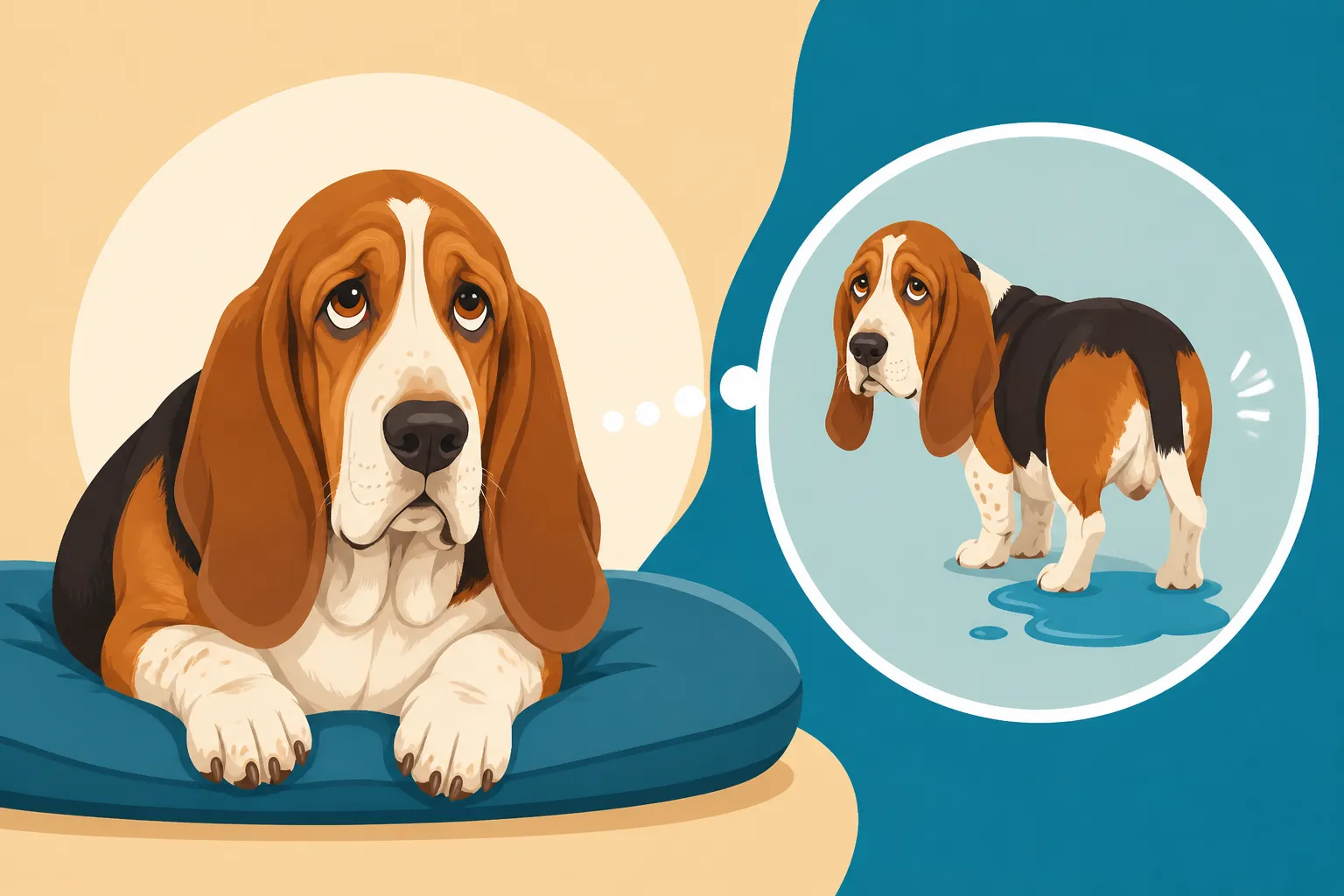
It’s a heartbreaking sight to wake up to a puddle on the floor or find your beloved senior Basset Hound sleeping in a wet bed, a problem that often leaves owners feeling frustrated, guilty, and worried about their furry friend's quality of life. The truth is, incontinence can be a common challenge as Bassets age, but it's not always an inevitable part of getting old. This comprehensive guide will walk you through why older Basset Hounds might experience incontinence, what you can do to manage it, and how to work with your vet to give your senior companion the best possible care and comfort.
Understanding Incontinence in Senior Basset Hounds
Finding that your sweet, previously house-trained Basset Hound is having accidents can be incredibly upsetting, both for you and for them. It's crucial to understand that incontinence isn't about your dog "forgetting" their training or trying to be spiteful; it's a medical condition. Incontinence is the involuntary leakage of urine or feces, meaning your dog doesn't even realize it's happening or doesn't have the physical control to stop it. This isn't just an inconvenience; it can be a significant source of stress, discomfort, and even skin issues for your Basset.
What many people don't realize is that "incontinence" can manifest in different ways. Sometimes it's a small drip when they're sleeping, a complete emptying of the bladder without warning, or even fecal leakage. The type of leakage, when it happens, and how often are all important clues for your veterinarian. It’s not just about cleaning up messes; it’s about identifying the root cause and finding solutions that help both your dog and your household return to a sense of normalcy and dignity.
Think about it from your Basset's perspective. They've spent their whole lives knowing where and when to relieve themselves, and suddenly, they can't control it. This can lead to anxiety, hiding, or even withdrawing from interaction. It’s our job as their loving guardians to approach this issue with patience and understanding, recognizing that they need our help to navigate this new challenge.
Common Causes of Incontinence in Older Basset Hounds
While it can feel overwhelming, identifying the cause of incontinence is the first step toward effective management. Several factors, often amplified by age, can contribute to a senior Basset Hound losing bladder or bowel control. It’s rarely just one simple thing, which is why a thorough veterinary examination is so important.
Hormonal Imbalances and Weakened Bladder Control
One of the most frequent culprits for urinary incontinence in spayed female dogs, including Basset Hounds, is a condition called Urethral Sphincter Mechanism Incompetence (USMI). This is often linked to a decrease in estrogen after spaying, which helps maintain muscle tone in the urethral sphincter. As dogs age, this muscle can weaken further, leading to leakage, especially when they're relaxed, sleeping, or lying down. It's a classic scenario: your Basset drifts off into a deep, snore-filled nap, and then there's a damp spot. It's not their fault; their body simply isn't holding things in like it used to.
Male Basset Hounds can also experience age-related sphincter weakness, though it's less common and often linked to other prostate issues if they're intact. This kind of incontinence is generally treatable with medication that helps strengthen the sphincter muscle, giving many dogs a significant improvement in control. It's a relief to know that something seemingly so frustrating can often have a straightforward medical solution, rather than being something you just have to "live with."
Neurological Issues and Spinal Problems
Given their distinctive long backs and short legs, Basset Hounds are unfortunately predisposed to certain spinal conditions, particularly The Back Trouble a Basset Hound Is Built Into. As they age, conditions like Intervertebral Disc Disease (IVDD) can worsen or new issues can emerge. When discs in the spine degenerate, they can compress nerves that control bladder and bowel function. This nerve damage can lead to a loss of sensation, difficulty fully emptying the bladder, or a complete inability to control elimination.
A Basset Hound might suddenly start dribbling urine, straining to urinate, or even show signs of discomfort when touched along their back. They might also struggle with The Old Basset Hound That Cannot Get Off the Floor or have difficulty coordinating their hind legs. If you notice any changes in gait, weakness, or pain alongside incontinence, it’s critical to seek immediate veterinary attention. Spinal issues can be progressive and debilitating, and early intervention can make a huge difference in their quality of life.
Cognitive Dysfunction and Other Health Conditions
Just like people, older dogs can experience cognitive decline, often referred to as Canine Cognitive Dysfunction (CCD) or "doggy dementia." A dog with CCD might become disoriented, anxious, or forget previously learned behaviors, including house training. They might stand at the wrong door to go outside, forget to signal, or simply not remember where they are. This isn't deliberate defiance; it's a genuine neurological change. They might also forget What a Basset Hound Needs Every Day in terms of routine.
Beyond CCD, other health problems can contribute to incontinence. Kidney disease, diabetes, or Cushing's disease can cause excessive thirst and urination, overwhelming even a healthy bladder. Urinary tract infections (UTIs) are also common in senior dogs and can cause frequent, uncontrolled urination, often accompanied by straining or discomfort. Even conditions like Whether a Basset Hound Gets Bladder Stones can irritate the bladder and lead to leakage. This is why a thorough veterinary check-up is paramount; sometimes, treating an underlying condition resolves the incontinence entirely.
Managing and Supporting an Incontinent Basset Hound
Discovering your senior Basset Hound is incontinent doesn’t mean their golden years are ruined. With compassion and practical strategies, you can significantly improve their comfort and manage the situation effectively. The key is to be proactive and understand that this is a team effort between you, your vet, and your Basset.
Establishing a Rigorous Potty Schedule and Using Aids
One of the most effective ways to manage urinary incontinence is to implement a strict and frequent potty schedule. Take your Basset out much more often than you used to – every couple of hours, first thing in the morning, last thing at night, and after every meal, nap, or play session. Even if they don't seem to need to go, take them. The more opportunities they have to relieve themselves outside, the fewer accidents will happen indoors. For an old Basset who might Whether an Old Basset Hound Struggles to Stand, shorter, more frequent trips are also less taxing.
Doggy diapers or belly bands can be absolute lifesavers, especially overnight or when you can't supervise closely. These are designed to catch urine and keep your Basset comfortable and dry, preventing skin scalds and keeping your home cleaner. You can find a wide range of sizes and absorbencies on sites like Amazon or Chewy. Remember to change them frequently to prevent skin irritation and to wash the area thoroughly. Reusable diapers are an eco-friendly option, while disposables offer convenience. Pair them with a comfortable, waterproof bed to further protect your floors and furniture.
Maintaining Hygiene and Home Comfort
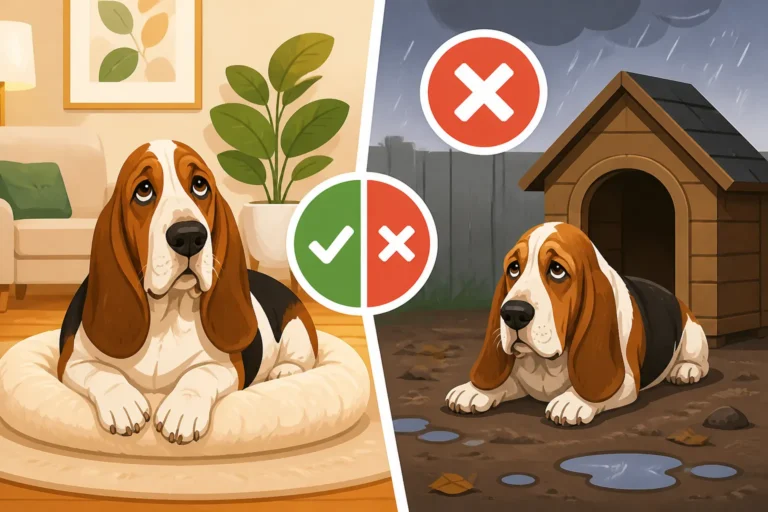
Good hygiene is paramount for an incontinent Basset Hound. Urine can irritate their skin, especially in their deep folds, leading to painful skin infections or "urine scald." Gently wipe your Basset's rear and belly after every accident or diaper change with mild, pet-safe wipes. If they’ve had a significant leak, a quick spot bath might be necessary. Ensuring their bedding is clean and dry is also crucial. Consider waterproof mattress protectors for their favorite beds, or choose beds with removable, washable covers. Investing in an orthopedic bed can also help with comfort, especially if they are also dealing with Arthritis in a Basset Hound at Seven.
For your home, having pet-specific enzyme cleaners on hand is essential. These don't just mask odors; they break down the urine at a molecular level, preventing your Basset from being attracted to the same spots and eliminating lingering smells. Keep a stack of old towels or washable pee pads easily accessible for quick clean-ups. Remember, the goal isn't just a clean home, but a comfortable and healthy environment for your Basset, reducing their stress and yours.
Dietary Considerations and Environmental Adjustments
Sometimes, adjustments to your Basset Hound's diet can indirectly support bladder health. While diet won't cure true incontinence, a high-quality, easily digestible food can contribute to overall well-being. Brands like Ollie, known for their fresh, human-grade ingredients, might offer formulations that are gentler on the digestive system, which in turn can help prevent secondary issues. Ensure they always have access to fresh water, as dehydration can lead to more concentrated urine and irritate the bladder, making incontinence worse.
For Bassets with mobility issues linked to their incontinence, making your home more accessible can alleviate stress. Ramps for beds and couches, non-slip rugs on slick floors, and strategically placed potty pads can all make a difference. If you're managing a Basset Hound who has lost some mobility, you might find more useful tips in Helping an Old Basset Hound Onto the Couch. Even small changes can significantly improve their ability to get around and reach their designated potty spots in time.
When to Seek Veterinary Help and What to Expect
It's tempting to think that incontinence is just "part of old age," but it is almost always a sign that something is medically amiss. Ignoring it can lead to worsening conditions, discomfort for your Basset, and more challenging management down the line. Always consult your veterinarian as soon as you notice changes in your Basset Hound’s elimination habits.
The Importance of Early Diagnosis
Early diagnosis is critical. What starts as a little dribble could be the first sign of a treatable condition, or it could indicate a more serious underlying health issue. Your vet will want to rule out things like urinary tract infections, bladder stones, kidney disease, or even early signs of The Back Trouble a Basset Hound Is Built Into. The sooner you get an accurate diagnosis, the sooner your Basset can receive appropriate treatment and you can implement effective management strategies.
Keeping a detailed log of when accidents happen, how much urine is passed, and any other symptoms (like straining, increased thirst, or changes in appetite) can be incredibly helpful for your vet. Don’t wait until the situation is unbearable; a simple trip to the vet can often provide clarity and a path forward, bringing relief to both you and your loyal companion.
Veterinary Diagnostic Process
When you visit the vet, they'll likely start with a thorough physical examination, including palpating the abdomen and checking your Basset’s neurological responses. They will definitely want a fresh urine sample to check for infection, crystals, or other abnormalities. Sometimes, they might need to collect it directly from the bladder using a procedure called cystocentesis to get the cleanest sample possible.
Depending on the initial findings, your vet might recommend blood tests to assess kidney function and rule out metabolic diseases. X-rays or ultrasound may be used to look for bladder stones, tumors, or spinal issues. In more complex cases, specialized tests like a contrast study of the urinary tract or an MRI for spinal evaluation might be necessary. This comprehensive approach helps pinpoint the exact cause of incontinence, ensuring that treatment is targeted and effective.
Treatment Options and Long-Term Outlook
Treatment for incontinence depends entirely on the underlying cause. For USMI, medications like phenylpropanolamine (PPA) or estrogen supplements are often highly effective in strengthening the urethral sphincter. If a UTI is present, antibiotics will be prescribed. Spinal issues might require anti-inflammatory medications, pain relief, physical therapy, or even surgery in severe cases, as discussed in Whether a Basset Hound's Disc Surgery Is Worth It. For cognitive dysfunction, certain medications and environmental enrichment can help slow progression and manage symptoms.
It's important to remember that while some forms of incontinence can be "cured," many are managed rather than eliminated entirely, especially in older dogs. The goal is to significantly reduce accidents, improve your Basset’s comfort, and maintain their quality of life. This might mean a combination of medication, dietary changes, and practical management strategies throughout their senior years. Regular follow-up appointments with your vet will be crucial to adjust treatments as needed and monitor your Basset's progress.
Common Causes and Management Strategies for Basset Hound Incontinence
| Cause | Common Signs | Veterinary Treatment | Home Management Strategies |
|---|---|---|---|
| Urethral Sphincter Incompetence | Leaking urine when relaxed, sleeping, or lying down; puddles forming when still. | Hormonal therapy (e.g., estrogen), PPA medication. | Frequent potty breaks, doggy diapers, waterproof bedding. |
| Urinary Tract Infection | Frequent urination, straining, painful urination, bloody urine, small leaks. | Antibiotics. | Encourage water intake, keep clean, frequent potty breaks. |
| Spinal / Neurological Issues | Weakness in hind legs, stumbling, pain, difficulty standing/walking, loss of sensation. | Anti-inflammatories, pain relief, physical therapy, surgery. | Ramps, non-slip surfaces, assist standing, bladder expression (if taught). |
| Cognitive Dysfunction | Disorientation, anxiety, altered sleep cycles, "forgetting" house training. | Medications to improve brain function, enrichment activities. | Consistent routine, frequent potty breaks, gentle redirection. |
| Other Medical Conditions | Increased thirst, frequent urination, weight changes, general lethargy. | Treatment for underlying condition (e.g., diabetes, kidney disease). | Management of primary illness, supportive care as directed by vet. |
Dealing with incontinence in a senior Basset Hound is undoubtedly a challenge, but it’s one that can be managed with dedication and veterinary partnership. Your older Basset still has so much love to give, and by addressing their needs proactively, you can ensure their golden years are as comfortable and happy as possible.
Disclaimer
This article is for general informational purposes only and does not constitute professional advice. Laws, prices and regulations vary by location and change over time. Consult a qualified professional for guidance on your specific situation.