Whether a Basset Hound Still Hunts
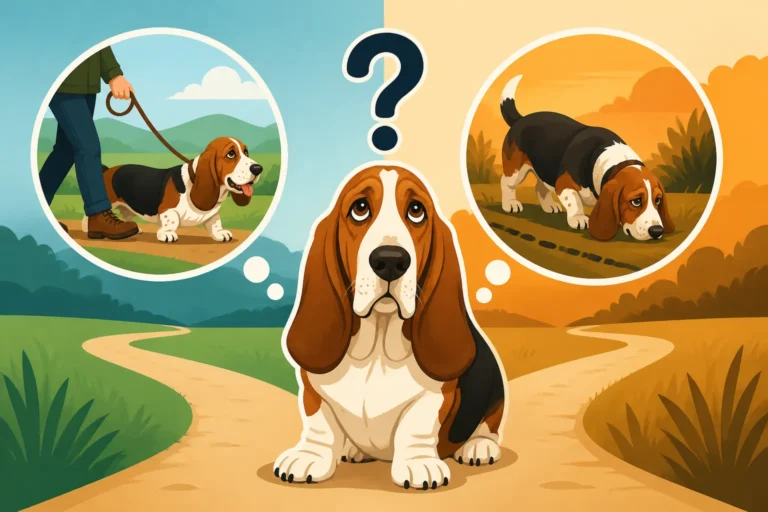
It’s a common sight for many Basset Hound owners: you’re out for a stroll, enjoying a peaceful moment, and then suddenly, your dog’s nose hits a scent, their ears drop, and they become a deaf, determined little tank, dragging you along with an intensity that seems to come from another world. This isn't just a quirk; it's a deep-seated instinct. Many wonder if their beloved, floppy-eared companion still carries the drive of its hunting ancestors, or if centuries of domestication have dulled that keen edge. This comprehensive guide will explore the fascinating heritage of the Basset Hound, examine their enduring scenting abilities, and discuss how these traits manifest in the modern world, whether through formal activities or simply in their daily lives.
The Basset Hound's Ancestral Purpose
To understand if a Basset Hound still hunts, we first need to look back at why they were created in the first place. These dogs weren't just stumbled upon; they were meticulously bred for a very specific job, a job that revolved entirely around their extraordinary sense of smell and their unique physical build.
A Breed Designed for Scent Work
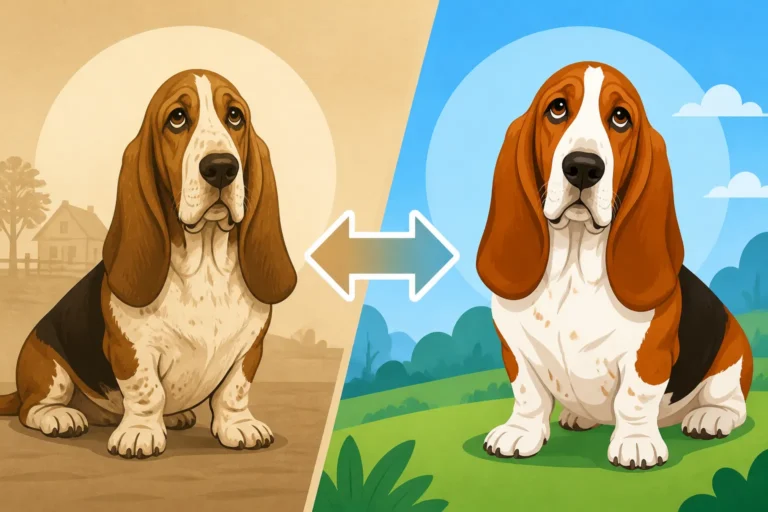
The Basset Hound's origins are deeply rooted in France, specifically in the monasteries of medieval Europe. Monks, including the famed Saint Hubert, were instrumental in developing hounds with an unparalleled ability to follow a scent trail. These early hounds, often referred to as "Abbey Hounds," were the progenitors of many modern scent hounds, including the Basset. The name "Basset" itself comes from the French word "bas," meaning "low," a direct reference to their short stature. They were intentionally bred with short legs so that hunters on foot could easily keep up with them in dense undergrowth, rather than needing to follow on horseback. Their long, pendulous ears weren't just for show; they helped to sweep scents from the ground towards their powerful noses, essentially creating a concentrated scent corridor for them to follow. The loose skin around their necks, often called a dewlap, was also believed to trap scent particles, further enhancing their tracking ability. This entire package was a masterpiece of selective breeding, designed purely for trailing game.
Hunting in Packs and on Foot
Historically, Basset Hounds were primarily used for hunting small game like rabbits and hares, and sometimes even deer, though their slow pace made them better suited for smaller, slower prey. They weren't bred for speed or for making a kill; their role was to find the scent, follow it relentlessly, and loudly bay to alert the hunters to the location of the game. They hunted in packs, a social structure that still resonates with many Bassets today, and their bay was a crucial part of the hunt, designed to carry over long distances. The French Revolution, surprisingly, played a role in the Basset Hound's history, as many noble hunting packs were dispersed, leading to a broader distribution of the breed. When these dogs eventually made their way to other countries, like Britain and then America, their reputation as exceptional scent hounds preceded them. It's truly incredible how much of their physical makeup and ingrained behaviors are directly linked to this ancient purpose. Why a Basset Hound's Ears Help It Smell is a topic that delves deeper into this fascinating aspect of their anatomy.
Modern Basset Hounds and Their Hunting Instincts
Even generations removed from active hunting, the intrinsic drive to follow a scent remains incredibly strong in most Basset Hounds. It’s a part of their DNA, a hardwired program that lights up their world in a way few other stimuli can.
The Unmistakable Power of the Nose
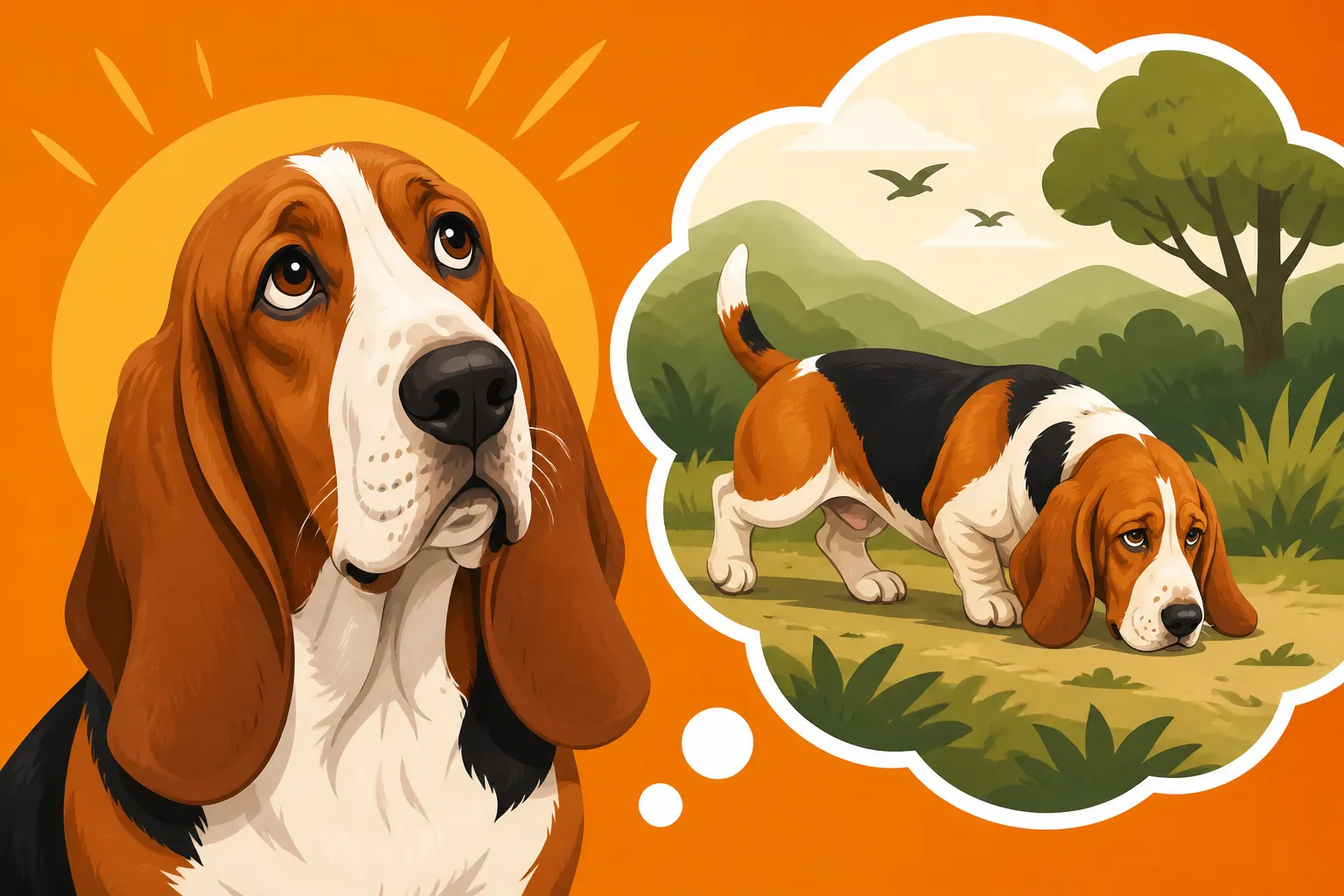
If you've ever watched a Basset Hound systematically work a patch of grass, nose to the ground, you know firsthand the intensity of their scent drive. Their nose isn't just good; it's legendary. In fact, many experts believe Whether a Basset Hound's Nose Is Second Only to a Bloodhound in its capabilities among dog breeds. This isn't a casual sniffing; it's a deep, immersive experience for them. When a Basset locks onto a compelling scent, everything else seems to fade into the background. Your calls, your leash corrections, even the promise of a treat might become secondary to the invisible trail they are desperate to unravel. This can be frustrating for owners, as it often means they become "deaf on purpose" when on a scent. It's not disobedience in the malicious sense; it's an overwhelming genetic imperative taking over. They are simply doing what generations of their ancestors were bred to do.
Instincts in the Domestic Home
In a modern home, this potent hunting instinct translates into a variety of behaviors. While most pet Bassets won't be tracking rabbits through fields, they will certainly track the neighbor's cat through the backyard, the crumbs under the kitchen table, or that rogue potato chip that fell behind the couch. They excel at "finding" things, whether it's a dropped toy, a hidden treat, or the precise location where you just had a snack. Their methodical, nose-down approach means they often move slowly but thoroughly, leaving no stone unturned – or rather, no blade of grass unsniffed. This can sometimes lead to them getting into things they shouldn't, like the trash bin, because their nose tells them there's a treasure to be found. Understanding that this isn't naughtiness but instinct can help owners channel this drive into more appropriate activities, like scent games or puzzle toys you might find at pet retailers like Chewy.
One common manifestation of this strong instinct is their tendency to wander or become lost if given the opportunity. An open gate or a slipped leash can quickly turn into an accidental "hunt" as they follow an irresistible scent trail, completely oblivious to their surroundings or your frantic calls. This is why a secure yard and a reliable leash are non-negotiables for a Basset Hound owner. Whether a Basset Hound ignores you on a scent is a question many owners grapple with, highlighting the strength of this innate drive.
Formal Hunting Trials and Scent Work Activities
While the days of widespread traditional Basset Hound hunting packs might be a nostalgic image, the breed's incredible nose is still actively celebrated and utilized in various formal and informal activities today. These opportunities provide a wonderful outlet for their natural talents.
Modern Field Trials and Hunting Packs
Yes, Basset Hounds still hunt, particularly in organized field trials and with dedicated hunting clubs. These aren't always about killing game; often, they focus on the dog's ability to track, follow, and flush game, demonstrating their natural instincts and training. In these events, Basset Hounds are judged on their ability to work a scent trail, their endurance, their voice (baying), and their cooperation with the pack or handler. They typically track rabbits or hare, mimicking their historical role. These trials are a fantastic way to see the Basset Hound in its element, showcasing the culmination of centuries of selective breeding. Owners involved in these circles are passionate about preserving the working heritage of the breed, ensuring that the Basset's unique talents are not lost. They often involve considerable travel and dedication, but for those who love to see their hounds doing what they were born to do, it’s immensely rewarding.
Competitive Scent Work and Tracking
Beyond traditional field trials, Basset Hounds excel in modern dog sports that harness their superior olfactory abilities. Competitions like AKC Scent Work, Nose Work, and Tracking are becoming increasingly popular. In these sports, dogs are trained to identify specific target odors (like essential oils or human-scented articles) and alert their handler to the source. The Basset Hound's methodical approach and unwavering focus on scent make them natural competitors. They might not be the fastest dogs in these sports, but their thoroughness and persistence often lead to success.
Consider the benefits: these activities provide immense mental stimulation, which is crucial for such an intelligent and driven breed. They burn energy in a way that regular walks often can't, tiring out the dog's mind as much as its body. Furthermore, participating in scent work strengthens the bond between dog and owner as they work as a team to solve the puzzle. If you're looking for an engaging activity that truly taps into your Basset's core essence, then Whether a Basset Hound Can Do Tracking Trials or Whether a Basset Hound Takes to Scent Work are definitely avenues worth exploring. Many of the tools, like specific scents and training aids, can be found through online retailers.
Here's a quick comparison of different scent activities:
| Activity Type | Primary Goal | Environment | Required Skills for Basset Hound | Benefits |
|---|---|---|---|---|
| Field Trials | Track and flush game (e.g., rabbits) | Open fields, dense brush | Strong scent drive, endurance, baying | Preserves hunting heritage, pack work |
| AKC Scent Work | Locate hidden target odors (e.g., essential oils) | Various (containers, rooms, exteriors) | Discrimination, focus, thoroughness | Mental stimulation, problem-solving, teamwork |
| Tracking (AKC/CKC) | Follow a human-laid scent trail | Varied outdoor terrain | Persistence, independence, stamina | Deep focus, confidence building |
| Barn Hunt | Find rats (safely enclosed) in a "barn" setup | Indoor/outdoor barn-like structure | Hunting drive, agility, target odor recognition | Fun, high-drive outlet, problem-solving |
Keeping a Basset Hound's Nose Busy at Home
Even if formal hunting or competitive scent work isn't on your radar, you can still provide enriching activities that satisfy your Basset Hound's deep-seated need to use its nose right at home. This isn't just about fun; it's about fulfilling a fundamental part of their being, leading to a happier, more content dog.
Engaging with Scent Games and Puzzles
One of the easiest ways to keep your Basset's nose active is through interactive toys and games. Snuffle mats, for example, are fantastic. They are fabric mats with many folds and pockets where you can hide treats or kibble. Your Basset will spend a good amount of time snuffling, nudging, and digging to find every last piece. This is excellent mental exercise and a wonderful way to slow down their eating too. Beyond snuffle mats, there's a whole world of puzzle toys available, many found at places like Chewy, that require your dog to manipulate parts to release food. These toys tap into their natural problem-solving skills and reward their persistence.
Another simple game is "find it." Start by letting your Basset watch you hide a favorite toy or treat in an obvious spot, then release them with a cue like "find it!" As they get better, you can increase the difficulty by hiding items in more challenging locations, like under a blanket, behind a door, or even in another room. The joy they get from discovering their "prey" is palpable. This kind of activity also builds their confidence and strengthens their belief in their own abilities, which is so important for a hound. Whether a Basset Hound Enjoys a Snuffle Mat is a question with a resounding "yes" from most Basset owners!
Backyard "Hunts" and Controlled Sniffari Walks
Your own backyard, or even a safe, fenced park, can become a Basset Hound's personal hunting ground. Instead of just letting them out to do their business, turn it into a purposeful sniffari. Hide treats around the yard, under bushes, behind trees, or even just scatter their kibble widely across the lawn. This forces them to use their nose to forage, mimicking the natural act of searching for food. Observe how methodical they become, systematically covering every inch of ground until they've "cleared" the area. This provides significant mental enrichment that a simple fetch game (which many Bassets aren't overly keen on anyway) simply cannot.
When out on walks, embrace the sniff. While it might be tempting to pull your Basset along to keep a brisk pace, allowing them dedicated "sniff time" is incredibly important for their mental well-being. Think of it as letting them read the newspaper of the neighborhood. Every lamppost, every bush, every patch of grass tells a story, and their nose is eager to devour the details. A long line can be a great tool for these controlled sniffari walks in safe, open areas, allowing them more freedom to explore scents while still being securely attached to you. Just remember, once they latch onto a really good scent, it might take some patience and high-value treats to get their attention back! Whether a Basset Hound Should Ever Be Off Leash is a strong indicator of how careful you need to be with their scent-driven explorations.
Considerations for Owners Interested in Hunting or Scent Work
If the idea of channeling your Basset Hound's ancient instincts appeals to you, there are a few important considerations to keep in mind to ensure a positive and safe experience for both you and your hound. It’s a commitment, but one that can be incredibly rewarding.
Understanding the Basset Hound's Temperament
Basset Hounds are often described as stubborn, but it’s more accurate to say they are independent and purpose-driven. When their nose is engaged, their singular focus can override all other commands. This means that traditional obedience training, while important, often needs a different approach. Positive reinforcement with high-value treats works wonders, as their love of food is almost as legendary as their nose. Understanding their innate drive rather than fighting it will make your journey into scent work far more enjoyable. They are not dogs that will perform flashy agility moves or heel perfectly at your side for miles, but they will meticulously track a scent with a dedication that is truly inspiring. Consistency and patience are your best friends when working with a Basset. What Actually Motivates a Basset Hound really boils down to food and the thrill of the chase (or, in this case, the find).
Training and Equipment for Scent Activities
Getting started with scent work or even exploring field trials requires some specific training and equipment. For scent work, you’ll likely need target odors (like birch, anise, or clove essential oils), scent-proof containers, and various hides. For tracking, a long line and a comfortable harness are essential, allowing your Basset to work freely without putting pressure on their delicate neck and spine. Many brands, including those found on Chewy, offer specialized harnesses designed for comfort and durability during prolonged scent work.
Professional guidance can be invaluable. Look for local dog training clubs that offer Nose Work, Tracking, or Barn Hunt classes. An experienced instructor can teach you how to read your dog’s subtle cues, set up effective training exercises, and build on your Basset’s natural abilities. Even if you don't aim for competition, these classes provide structured fun and deepen your understanding of your dog's amazing capabilities. Remember that their low-slung bodies and short legs mean they aren't built for jumping or high-impact activities, so focus on ground-based scent work that suits their physical structure.
Safety First: Leashes, Fences, and Identification
No matter how well-trained your Basset Hound becomes in scent work, their powerful nose can still lead them into trouble. A Basset on a hot trail can easily become oblivious to cars, other animals, or even open gates. This is why strict adherence to safety protocols is paramount. Always use a secure leash and harness when outside a fenced area. Your yard needs to be escape-proof, as Bassets are known for their ability to squeeze through small gaps or dig under fences if a captivating scent is on the other side. Microchipping and wearing up-to-date identification tags are absolute necessities, because even the most vigilant owner can have an unexpected moment where their hound's nose takes over. A GPS tracker can also be an excellent investment, offering an extra layer of security. The profound dedication of their nose means that Whether a Basset Hound Wanders if the Gate Opens is less a question and more a certainty.
Disclaimer
This article is for general informational purposes only and does not constitute professional advice. Laws, prices and regulations vary by location and change over time. Consult a qualified professional for guidance on your specific situation.