Why a Basset Hound’s Legs Are So Short
If you've ever watched a Basset Hound waddle by, their long bodies almost dragging on the ground, you’ve probably found yourself wondering, "Why on earth are their legs so short?" It's not just a random quirk of nature; this distinctive feature is central to their history, their original purpose, and even their unique charm. This guide will explain the fascinating journey of how Basset Hounds developed their famously short stature, the genetic science behind it, and the practical implications for owners today.
The Ancient Origins of Short-Legged Hounds
The Basset Hound's short legs are far from an accident; they are a direct result of centuries of selective breeding, designed to create a very specific type of hunting dog. To truly understand their build, we need to travel back in time to the dense forests and hunting grounds of medieval Europe.
From St. Hubert's Hounds to French Hunting Fields
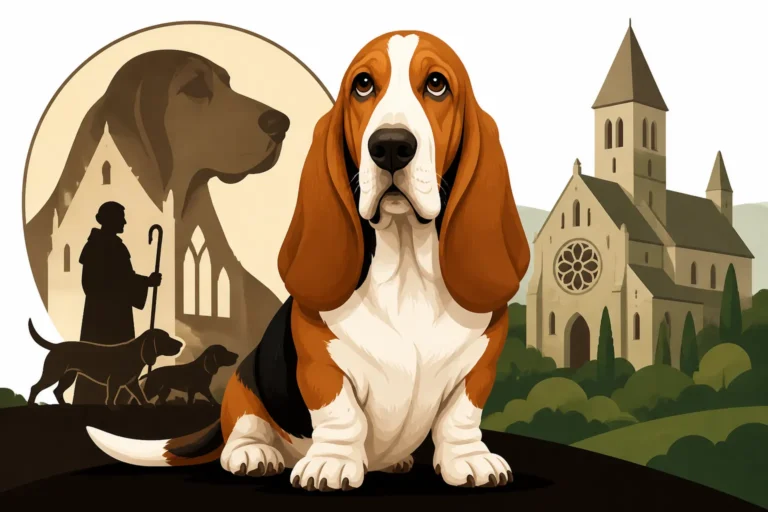
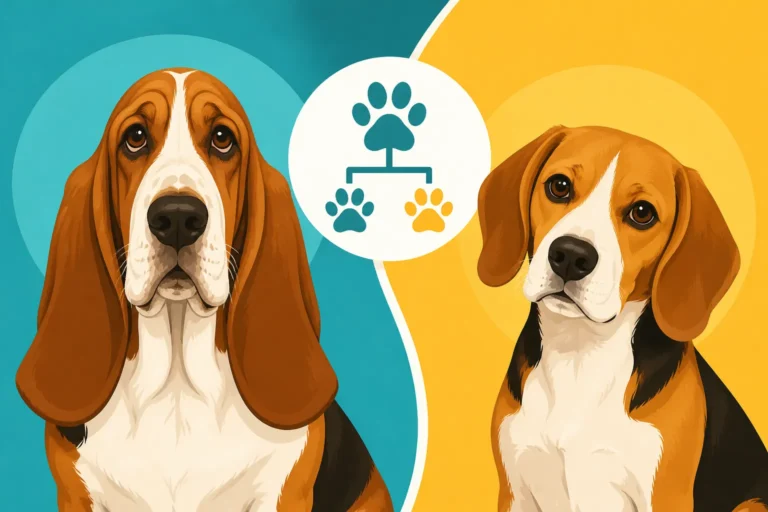
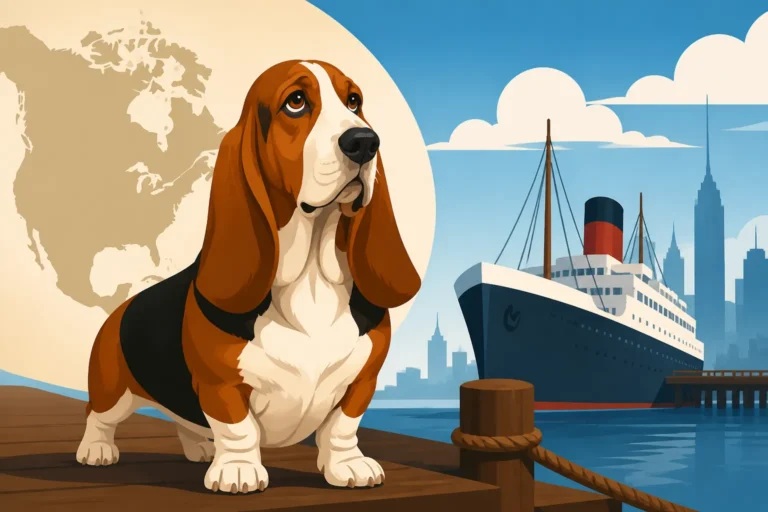
The story of the Basset Hound's short legs begins with its ancestors, the revered St. Hubert Hounds, believed to be the forerunners of many modern scent hounds, including the Bloodhound. These were powerful, tenacious dogs, bred for their incredible sense of smell and their ability to follow a trail over long distances. However, these early hounds were larger, faster animals, often used by mounted hunters who could keep pace.
Over time, particularly in France, there arose a need for a different kind of hunting companion. Commoners, who hunted on foot rather than horseback, needed a dog that could trail game, typically rabbits and hare, at a slower, more manageable pace. Imagine trying to keep up with a fast-moving hound through thick underbrush on foot; it would be exhausting and impractical. This is where the concept of the "basset" hound, meaning "low" in French, began to take shape. These low-slung versions of larger hounds were deliberately bred to be slow, allowing the hunter to follow them on foot and enjoy the chase without being left behind. This careful selection for a specific gait and stature laid the groundwork for the Basset Hound we know and love. You might find it interesting to learn Where the First Basset Hounds Came From.
The Purposeful Breeding of Low-Slung Dogs
The breeders of these early Basset types weren't just looking for short legs; they were looking for a whole suite of physical traits that would make the dog excel at its specific job. The short legs were paramount because they inherently slowed the dog down, allowing hunters to maintain visual and auditory contact. But it wasn't just about speed. These dogs were expected to navigate dense, tangled undergrowth where taller dogs might struggle or become entangled. Their low center of gravity and powerful build, despite their short limbs, made them incredibly stable and persistent in challenging terrains.
Consider the practical advantages: a dog that could push through brambles and dense thickets without getting hung up, and whose nose was naturally closer to the ground, allowing it to better pick up and follow cold scent trails. This intentional breeding over generations reinforced the genetic traits responsible for their short legs. It was a clear example of form following function, where every unique aspect of their physical design contributed to their effectiveness as a slow, methodical scent hound. This strategic breeding answers the question of Why a Hunter on Foot Wanted a Slow Hound.
The French Revolution and the Preservation of the Basset Type
The French Revolution, while a period of immense social upheaval, also played an unexpected role in the proliferation and specific development of Basset Hounds. Before the revolution, hunting was often an exclusive privilege of the aristocracy, who favored taller, faster hounds for grand hunts on horseback. With the revolution, land ownership and hunting rights became more democratized, opening up the sport to the common people.
This shift meant a greater demand for dogs suited to hunting on foot, reinforcing the value of the short-legged "basset" type. Instead of fading away with the old regime, the Basset Hound found its true niche. Breeders continued to refine the various Basset types, including those that would eventually contribute to the modern Basset Hound. They were valued not for their speed or regal appearance, but for their practicality, perseverance, and unparalleled scenting abilities, all enhanced by their distinctive low stature. This period solidified the Basset Hound's place in hunting culture and ensured that the trait of short legs would be carefully preserved and further developed.
The Science Behind the Stumpy Legs: Achondroplasia
The Basset Hound's short legs are a classic example of a genetic condition known as achondroplasia. While the term might sound alarming, in Basset Hounds and several other breeds, it's a desirable trait that has been deliberately selected for.
What is Achondroplasia? Understanding the Genetics
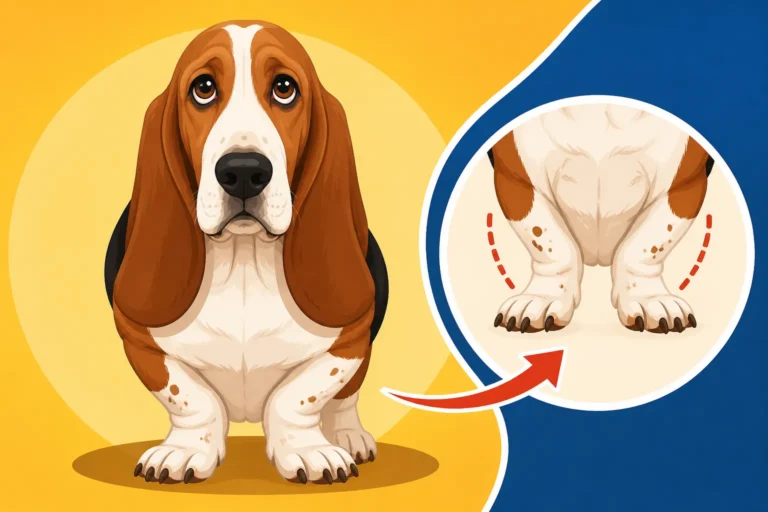
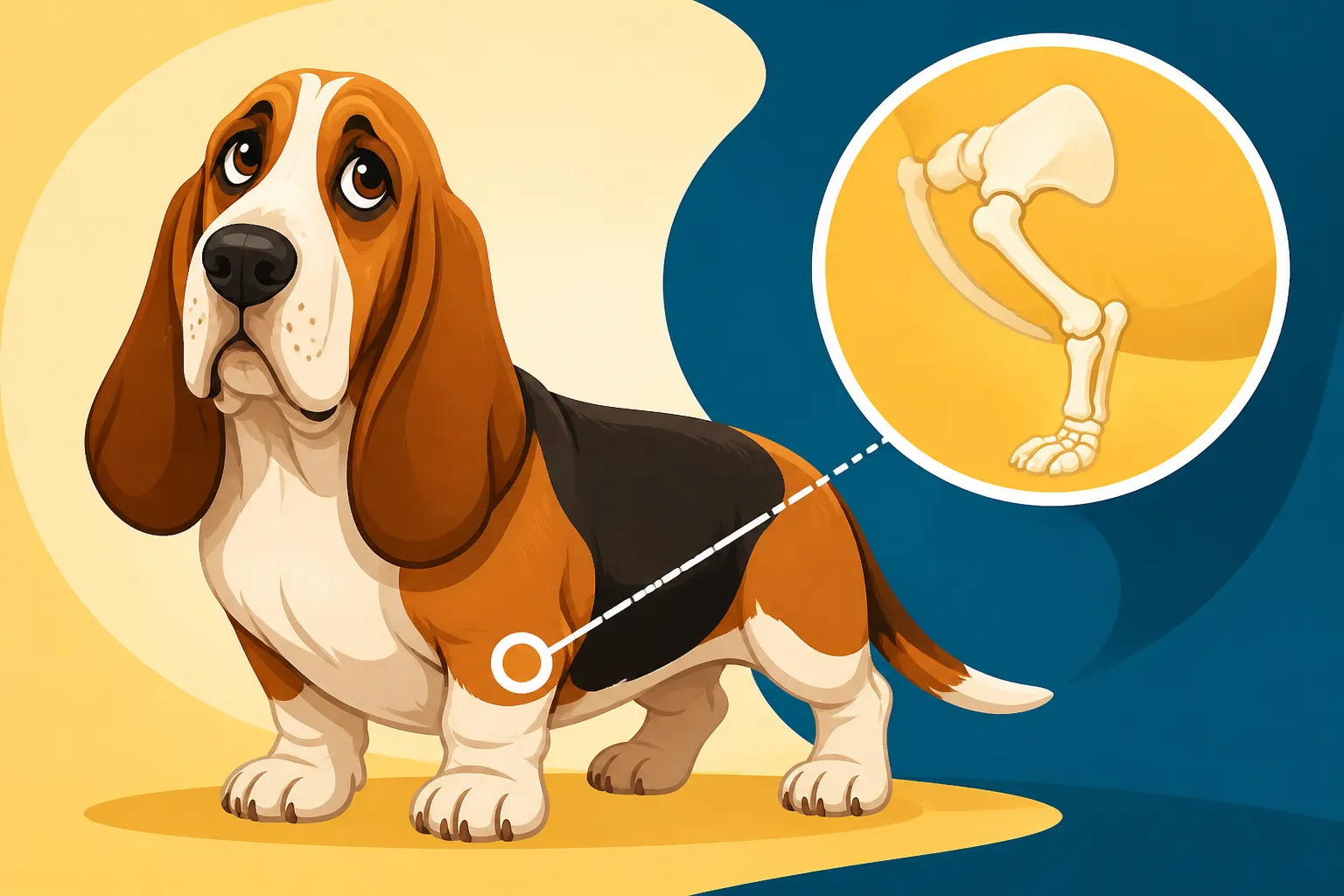
Achondroplasia is a form of dwarfism that affects bone growth. Specifically, it's a genetic mutation that impacts the growth plates of long bones in the limbs, causing them to stop growing prematurely. The key here is that it affects long bones, while the spine, skull, and other bones develop normally. This is why Basset Hounds have a normal-sized head and body but disproportionately short legs. Their bones are thick and dense, but simply don't reach the length you'd expect on a dog of their body mass.
In humans, achondroplasia can come with a range of health challenges. However, in specific dog breeds like Basset Hounds, Dachshunds, Corgis, and Bulldogs, this genetic trait has been intentionally bred into the lines for centuries. It’s what defines their breed type and is known as chondrodysplasia in veterinary terms, referring to abnormal cartilage development. This genetic blueprint is why all Basset Hounds inherently carry this trait. It's a fundamental part of Whether Achondroplasia Explains a Basset Hound's Shape.
Distinguishing Basset Hound's Legs from Other Breeds
While many breeds have short legs, not all short-legged dogs are created equal, genetically speaking. The Basset Hound's achondroplasia is distinct from other conditions that might result in shorter limbs. For instance, some breeds simply have shorter legs relative to their body size without having the specific genetic mutation for disproportionate dwarfism. Think of a Scottish Terrier, for example; while low to the ground, their proportions are generally more harmonious compared to a Basset.
The Basset Hound, like the Dachshund, exhibits true disproportionate dwarfism. Their leg bones, particularly the humerus and femur, are significantly foreshortened, while their rib cage and body length remain quite substantial. This gives them that characteristic long, low silhouette. It's not just "short," it's a specific kind of "short" that results from a fundamental difference in how their long bones develop, a trait consistently selected and maintained by breeders for hundreds of years.
The Impact of Achondroplasia on Bone and Joint Development
While achondroplasia is what gives Basset Hounds their signature look, it's important to understand that it can also predispose them to certain health concerns. The very structure that makes their legs short means that their joints and bones are under different stresses compared to a dog with more proportionate limbs. The long, heavy body supported by short, stout legs can put strain on the spine, particularly in the lower back. This makes them prone to The Back Trouble a Basset Hound Is Built Into, such as intervertebral disc disease (IVDD).
Their elbows, too, can experience unique developmental challenges. The irregular growth of the leg bones can sometimes lead to issues like elbow dysplasia, where the bones don't fit together perfectly, causing pain and arthritis over time. Responsible Basset Hound breeders are keenly aware of these potential issues and often conduct health screenings to try and minimize their occurrence. As owners, understanding this genetic predisposition is crucial for providing proactive care and ensuring their comfort and mobility throughout their lives.
How Short Legs Aided the Hunt
It's easy to look at a Basset Hound today, perhaps snoring on your sofa, and forget that every inch of their unique design was once meticulously engineered for a specific purpose: hunting. Those short legs weren't just for show; they were a vital tool in their working repertoire.
Keeping Pace with Hunters on Foot
Imagine a hunter, perhaps a farmer or a villager, traversing dense woodlands and fields. They don't have a horse, nor do they want a dog that will vanish over the horizon in pursuit of game. What they needed was a dog that could steadfastly follow a scent trail but at a speed that a human on foot could comfortably match. This is precisely what the Basset Hound's short legs provided. Their low stature and deliberate gait made them the perfect companion for a walking hunter.
The slower pace allowed the hunter to stay close, observe the dog's progress, and be ready when the game was flushed out. It turned hunting into a more participatory, methodical activity rather than a frantic chase. This characteristic also meant that the Basset Hound would stick closer to its human partner, making it easier to manage and less likely to get lost or injured in unfamiliar territory. It's a testament to their original purpose that even today, when a Basset picks up a scent, they can become singularly focused, their short legs carrying them with surprising endurance, though never at a breakneck speed. This is a key part of Whether a Basset Hound Was Bred to Be Followed on Foot.
Scent Trailing Close to the Ground
One of the Basset Hound's most legendary attributes is its incredible sense of smell, often considered second only to the Bloodhound. The short legs play a crucial, if often overlooked, role in maximizing this ability. By keeping their noses literally inches from the ground, Basset Hounds are in the optimal position to detect and follow even the faintest scent particles. Scent trails, particularly those of ground-dwelling animals like rabbits and hares, are strongest closest to the surface.
Their long, pendulous ears also contribute to this by sweeping scent towards their nose, creating a localized scent cone that further enhances their ability to concentrate on a trail. This combination of low stature, ground-hugging nose, and scent-gathering ears creates an almost unparalleled scenting machine. While a taller dog might have to frequently dip its head or could miss subtler scents wafting higher, the Basset Hound operates in the prime scent-rich zone continuously. It allows them to methodically unravel a scent puzzle that other dogs might overlook or lose.
Navigating Dense Underbrush and Uneven Terrain
Beyond simply slowing them down and keeping their nose to the ground, the Basset Hound's short legs and robust, heavy bone structure were perfectly adapted for pushing through challenging terrain. Imagine a thicket of blackberry bushes, low-hanging branches, or dense reeds near a stream. A taller, lankier dog might struggle, getting tangled or scratched. A Basset Hound, however, with its low profile, could effectively "tunnel" through such obstacles.
Their strong, well-muscled body, despite the short legs, gave them the power to push through resistance. They were built for persistence, not agility or speed. This ability to navigate dense cover made them invaluable to hunters, as they could access areas where game might hide that other hounds couldn't easily penetrate. It’s a design that speaks volumes about their hardy, determined nature, a trait still evident in their steadfast pursuit of a compelling scent today, even if it's just the remnants of a dropped treat in the kitchen.
The Everyday Realities of Living with Short Legs
While their short legs are a defining characteristic, they also come with a unique set of challenges and considerations for Basset Hound owners. It's not just about their charming appearance; it's about understanding how their physical build impacts their daily life and ensuring their comfort and safety.
Maneuvering Stairs, Furniture, and Vehicles
The short legs and long back of a Basset Hound make everyday obstacles like stairs and jumping on and off furniture surprisingly hazardous. Each jump or rapid descent puts undue stress on their spine, which is already prone to conditions like Intervertebral Disc Disease in a Basset Hound due to their achondroplastic build. A single awkward jump could lead to a slipped disc, causing immense pain and potentially paralysis.
This means Basset Hound owners often need to become quite adept at creating an accessible home environment. Ramps become indispensable for beds, sofas, and even getting in and out of the car. Investing in a good quality dog ramp, perhaps from a reputable pet supplier like Chewy, can save your Basset's back and your wallet in future vet bills. For stairs, it's often best to carry them, especially when they are young or elderly. Learning How to Lift a Basset Hound Safely is a skill every owner should master, supporting their chest and rear to distribute weight evenly and minimize spinal torsion. Trying to manage these challenges daily can be a real exercise in patience and proactive planning, but it's essential for their long-term health.
Preventing Injuries and Back Issues
Given their predisposition to back issues, proactive prevention is key for Basset Hounds. Beyond avoiding jumping and stairs, maintaining a healthy weight is paramount. What Extra Weight Does to a Basset Hound cannot be overstated; every extra pound puts more strain on their already vulnerable spine and joints. A lean Basset Hound is a happier, healthier Basset Hound. Regular, moderate exercise helps build core strength, which in turn supports the back.
Another crucial aspect is protecting them from sudden, jarring movements. This means supervising play with other dogs, especially those that are more boisterous, and avoiding activities that involve a lot of twisting or high-impact landings. When walking, always use a harness instead of a collar, as pulling on a collar can strain their neck and upper spine. Providing orthopedic beds can also offer superior support for their joints and spine during rest. These seemingly small changes in routine can significantly reduce the risk of injury and help your Basset Hound enjoy a longer, more comfortable life.
Special Considerations for Exercise and Play
While Basset Hounds aren't built for marathons, they still require regular exercise to stay healthy and happy. However, their short legs and heavy bodies mean their exercise routine needs to be carefully tailored. Long, strenuous runs or high-impact activities are generally ill-advised. Instead, focus on moderate, consistent walks on soft surfaces if possible. Two to three shorter walks throughout the day are often better than one long, exhausting excursion.
Mental stimulation is just as important as physical exercise for a Basset. Their powerful noses make scent work an ideal activity. Hide-and-seek games with treats, snuffle mats, or even beginner-level tracking can be incredibly engaging and provide a fantastic mental workout without over-stressing their physical frame. Always be mindful of the weather; their low bodies can overheat quickly in summer or get chilled in winter. If they start to slow down or show any signs of discomfort during a walk, it's time to head home. Their stubborn streak might make them seem lazy, but sometimes it's their way of telling you they've had enough, or that a particular surface is uncomfortable for their unique gait.
The Modern Basset Hound: A Balance of Form and Function
The Basset Hound has journeyed from hunting companion to beloved family pet, but its distinctive form, shaped by those short legs, remains central to its identity. This transition has led to ongoing discussions within the breed community about preserving their unique traits while safeguarding their welfare.
How Breeding Standards Influence Leg Length
Breed standards, set by kennel clubs around the world, are essentially blueprints for what an ideal Basset Hound should look like. These standards historically emphasize the breed's low-slung, heavy-boned structure and, by extension, its short legs. The American Kennel Club (AKC) standard, for example, describes them as "a short-legged dog… of considerable substance," highlighting that their forelegs are "short, powerful, and heavily boned." This means that breeders striving to produce show-quality Basset Hounds will continue to select for these traits, ensuring that the characteristic short legs are passed down through generations.
However, there's a delicate balance to strike. While the short legs are part of the breed's charm and heritage, responsible breeders also consider the practical implications for the dog's health and mobility. They aim for functional shortness – legs that are proportionate to the dog's body, allowing for free movement without causing undue strain. The goal is to produce dogs that are true to type but can still enjoy an active, comfortable life. It's a constant conversation within the breed fancy to ensure that aesthetics don't compromise canine welfare, acknowledging Whether a Basset Hound's Legs Are Too Short to Be Sound.
Debates and Welfare Concerns within the Breed
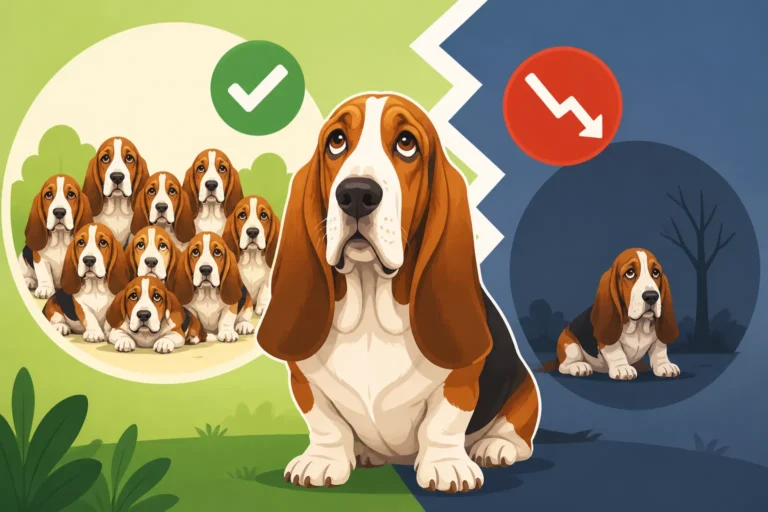
The very traits that define the Basset Hound – including their extreme length of body, heavy bone, and short legs – can, if pushed to extremes, lead to welfare concerns. There's an ongoing debate among enthusiasts and veterinarians about how far is too far when it comes to exaggerating certain physical characteristics. Some worry that overly long backs combined with excessively short legs can increase the risk of spinal problems, while extremely heavy bone can put additional strain on joints.
This conversation isn't unique to Basset Hounds; many brachycephalic (short-nosed) and chondrodysplastic breeds face similar scrutiny. The aim is to ensure that future generations of Basset Hounds maintain their distinctive appearance without succumbing to debilitating health issues. This involves careful selection of breeding stock, prioritizing health and soundness alongside adherence to the breed standard. Open dialogue and a focus on genetic health testing are critical components of ensuring the long-term well-being of this beloved breed.
Supporting a Basset Hound's Unique Structure
As owners, understanding the Basset Hound's unique structure is the first step in providing the best possible care. This means being proactive about managing their weight, providing appropriate exercise, and making their living environment as safe and accommodating as possible. Their anatomy demands a bit more thoughtful consideration than some other breeds, but the rewards of their loyal, affectionate companionship are immeasurable.
This might mean investing in steps or a ramp to help them get on the couch or bed, purchasing a raised food bowl to alleviate neck strain, or simply being more mindful of how you interact with them physically. Even things like carefully monitoring their activity levels and recognizing subtle signs of discomfort can make a huge difference in their quality of life. Embracing their unique structure means appreciating their heritage and committing to the specific care that allows them to thrive despite – or perhaps because of – those endearing, short legs.
Essential Care for Short-Legged Basset Hounds
Living with a Basset Hound and their famously short legs means embracing a lifestyle of proactive care. It’s not just about managing potential issues; it’s about setting them up for success and comfort from day one.
Managing Weight to Protect Joints
This is perhaps one of the most critical aspects of caring for a short-legged Basset Hound. Their long, heavy bodies already put immense strain on their spine and joints, and even a few extra pounds can significantly exacerbate these pressures. Imagine carrying a backpack filled with bricks all day – that’s what excess weight feels like for a Basset. It increases the risk and severity of conditions like intervertebral disc disease, arthritis, and elbow dysplasia.
Monitoring your Basset Hound's weight should be a regular practice. You should be able to easily feel their ribs without pressing hard, and they should have a discernible waist when viewed from above. Feeding them a high-quality diet appropriate for their age and activity level, and carefully measuring portions, is essential. Avoid free-feeding, as Basset Hounds are notorious for loving food and will often overeat. Incorporating joint-supporting supplements, if recommended by your vet, can also be beneficial. Companies like Chewy offer a wide range of weight management and joint support foods and supplements specifically formulated for breeds prone to these issues. It truly boils down to Keeping a Basset Hound at Its Correct Weight.
Providing a Safe and Accessible Home Environment
Making your home Basset-friendly is crucial for preventing injuries. Those tempting sofas and beds are simply too high for them to jump on and off safely. Invest in sturdy pet ramps or steps for access to furniture and the car. Look for options that have a non-slip surface, which is especially important for their often-clumsy gait. Baby gates can be invaluable for blocking access to stairs if you can't always supervise.
Consider their flooring as well. Slippery hard floors can be challenging for Basset Hounds, making them prone to slips and falls that can twist their back or strain their joints. Placing rugs or runners in high-traffic areas can provide much-needed traction. An orthopedic bed is another excellent investment, offering superior support for their unique spinal and joint structure, helping to alleviate pressure points and promote comfortable rest. Thoughtful adjustments to their environment can significantly reduce their risk of injury and enhance their quality of life. Whether a Basset Hound needs a ramp is a question many owners face early on.
Regular Vet Checks and Proactive Health Management
Even with the most diligent home care, regular veterinary check-ups are non-negotiable for a Basset Hound. Your vet can monitor their weight, assess their gait and joint health, and catch any potential issues early. Discussing their specific breed predispositions, such as The Back Trouble a Basset Hound Is Built Into, with your vet can help you understand what signs to look for and when to seek professional help.
Early detection of conditions like intervertebral disc disease or arthritis can make a significant difference in management and outcome. Your vet might recommend specific diagnostic screenings, physical therapy, or preventative joint supplements. Staying proactive with their health care means having an open dialogue with your veterinarian about their unique needs and being prepared for the realities that come with their distinctive, short-legged structure. These routine visits are an essential part of ensuring your Basset Hound lives as long and as comfortably as possible.
Disclaimer
This article is for general informational purposes only and does not constitute professional advice. Laws, prices and regulations vary by location and change over time. Consult a qualified professional for guidance on your specific situation.