Whether European Basset Hounds Are Built Differently
Many Basset Hound enthusiasts and prospective owners often wonder if there's a noticeable difference in Basset Hounds bred in Europe compared to those found in North America. It's a valid question, as geographical separation and differing kennel club standards can indeed lead to distinct variations within a breed over time, sometimes resulting in a dog that looks or feels quite different from its cousins across the pond. This guide will explore the historical roots, kennel club influences, and observable physical and temperamental distinctions that might lead someone to perceive European Basset Hounds as being "built differently."
The Historical Roots and Divergence of the Basset Hound
To truly understand any potential differences in Basset Hounds, we have to journey back to their beginnings. The Basset Hound, as we know it, originated in France, a land steeped in hunting tradition and populated by numerous hound breeds. Over centuries, these hounds were carefully developed for specific hunting purposes, leading to the diverse range of breeds we see today.
Tracing the Origins: The French Connection
The very word "Basset" comes from the French word "bas," meaning "low," which perfectly describes these short-legged hounds. They were specifically bred to hunt small game, primarily rabbit and hare, in dense undergrowth. Unlike their taller scent hound relatives, Bassets allowed hunters on foot to keep pace with them, ensuring a leisurely but productive hunt. The early Basset types were not uniform; various regions developed their own versions based on local needs and preferences. It's fascinating to think about Where the First Basset Hounds Came From, emerging from a need for a slow, methodical tracker.
These original French bassets were less about a single, unified "breed" as we understand it today and more about a type of low-set hound. They possessed incredible noses and a distinctive bay, which were prized above all else. Their appearance was secondary to their working ability. This focus on function over form laid the groundwork for the breed's initial development and explains why so much variation existed even in its early days.
Early Development and Export to Other Continents
As often happens with appealing breeds, the Basset Hound eventually caught the attention of enthusiasts beyond France's borders. In the mid-19th century, Bassets made their way to England, where they were embraced by aristocrats and sportsmen alike. The British, with their strong tradition of dog breeding and showmanship, began to refine the Basset Hound, often crossing existing French imports with other scent hounds to enhance certain traits or standardize appearance. This was a critical point in the breed's divergence. When the Basset Hound Reached Britain marked the beginning of a separate evolutionary path, driven by different breeding philosophies and environmental influences.
Later, the Basset Hound was introduced to America. When the Basset Hound Reached America, a similar process began, with breeders working to establish the breed according to their own interpretations and the emerging standards of the American Kennel Club. This geographical separation, coupled with differing ideals for what a Basset Hound should look like and how it should function, meant that the breed would inevitably develop along slightly different lines in various parts of the world. Each region started emphasizing different aspects, be it ear length, body substance, or the degree of facial wrinkling.
Examining the "Standard" Basset Hound: American vs. British Influence
When people talk about Basset Hounds, they're often thinking of the "standard" as set by major kennel clubs. The American Kennel Club (AKC) and The Kennel Club (KC) in the UK are two of the most influential, and their respective breed standards have shaped the appearance and characteristics of Basset Hounds in their regions. Understanding these written standards is key to appreciating any perceived differences.
The American Kennel Club (AKC) Standard
The AKC Basset Hound standard emphasizes a dog of considerable substance, meaning they should be quite heavy for their height, with massive bone. They describe a dog that is "long, low-set, and heavy in bone," with a "solemn expression." The head is often depicted as large and well-domed, with long, velvety ears set low and well back on the head. The loose skin around the head and neck, often referred to as a "dewlap," is also a prominent feature. This standard has, over generations, encouraged the breeding of Basset Hounds with a very distinct, almost exaggerated look that many Americans associate with the breed.
The American standard places importance on the Basset's distinctive appearance, including the amount of loose skin and the length of the ears, which are meant to trail the ground. While working ability is mentioned, the emphasis in show breeding often leans heavily towards conformation and the breed's unique aesthetics. This can result in dogs that appear more heavy-set, with more dramatic features, compared to some of their European counterparts. When looking for dog food or accessories, retailers like Chewy often cater to this more substantial build, offering larger beds or more robust toys suitable for a heavier dog.
The Kennel Club (UK) Standard
Across the Atlantic, The Kennel Club (KC) in the UK also has a detailed breed standard for the Basset Hound. While many elements are similar to the AKC standard, there can be subtle differences in emphasis and interpretation. The KC standard also calls for a "powerful, heavy, short-legged hound," with emphasis on balance and sound movement. They describe the head as "well-domed" with "loose skin." The ears are also "very long and low set."
However, British breeders often focus on soundness and functionality, perhaps with less emphasis on extreme features like excessive loose skin or extreme ear length than some American lines might pursue for the show ring. The KC standard might be interpreted to favor a slightly less exaggerated dog, one that, while still distinctly a Basset Hound, might move with a bit more ease and appear a touch more athletic while still retaining the breed's classic features. This isn't to say that all British Bassets look vastly different, but the subtle nuances in the standard can lead to different breeding priorities over time.
Subtle Differences in Interpretation and Breeding Goals
The interesting thing about breed standards is that they are open to interpretation. Even a few carefully chosen words or the emphasis placed on certain traits by influential breeders and judges can lead to significant differences in the average appearance of dogs from different regions. In America, there has historically been a strong preference for the "heavy" Basset, with copious loose skin, deep wrinkles, and very long ears. This look has become iconic and is often associated with the breed.
In contrast, while European breeders also appreciate these classic Basset traits, some lines, especially in countries with a stronger continued emphasis on hunting trials or a desire to move away from potential health issues linked to extreme conformation, might lean towards a slightly more moderate build. This could mean a Basset with less excessive skin, slightly higher-set ears, or a more athletic frame, while still being perfectly within their national breed standard. It's a nuanced difference, not a stark contrast, but one that can be noticeable when comparing dogs side-by-side. The debate over Whether Show and Field Basset Hounds Differ is very much alive here, influencing how breeders in various regions interpret their guidelines.
The European Landscape: Variations Beyond the Major Kennel Clubs
When we talk about "European Basset Hounds," it's important to remember that Europe is a continent, not a single country. There isn't one monolithic "European" Basset Hound standard. While many countries adhere to the FCI (Fédération Cynologique Internationale) standard, which often aligns closely with the UK's Kennel Club, there are still distinct regional variations and older, traditional types that persist.
The Basset Artésien Normand and Other French Bassets
To truly appreciate the diversity within Europe, we must look to France, the Basset's ancestral home. Here, you'll find breeds like the Basset Artésien Normand. This breed is often confused with the Basset Hound, and indeed, it's one of the ancestors of the modern Basset Hound. However, it's recognized as a separate breed and has a distinctly different look and purpose. The What the Basset Artesien Normand Is provides a clearer picture, but generally, they are lighter in bone, shorter in body, and have less loose skin and a more refined head than the typical AKC Basset Hound. Their ears, while long, might not be as exaggeratedly long as some show Basset Hounds.
These older French Basset types retain a strong connection to their working heritage. They are less about the dramatic "show dog" appearance and more about maintaining the functional traits necessary for a working scent hound. Other variations exist too, reflecting the regional specificities of French hunting traditions, contributing to a broader spectrum of "Basset" types across Europe that differ significantly from the standardized Basset Hound.
Continental European Breeding Philosophies
Beyond France, other European countries also breed Basset Hounds, and their approaches can vary. While many follow the FCI standard, national preferences and historical breeding lines play a significant role. Some continental breeders prioritize health and functional anatomy, perhaps striving for a dog that, while still embodying the Basset character, doesn't carry the potential health burdens associated with overly exaggerated features. This might mean less saggy skin around the eyes (ectropion) or less extreme ear length that can contribute to chronic ear infections.
For these breeders, a sound, healthy dog that can still perform its ancestral tracking duties, even if just for fun in scent work or casual walks, is often paramount. This can result in Basset Hounds that are slightly more agile, with a more "athletic" build for their size, while still being undeniably Bassets. You might not see as many of the extremely heavy-boned, super-wrinkled individuals that are sometimes celebrated in American show rings. This philosophical difference contributes significantly to why some "European" Bassets might appear "built differently."
Key Physical Differences You Might Observe
While a Basset Hound is always recognizable, there are indeed some consistent physical differences you might observe when comparing a typical American show-line Basset Hound to one bred under certain European standards or from a more working-oriented line. These aren't always glaring, but they become apparent upon closer inspection.
Stature and Bone Structure
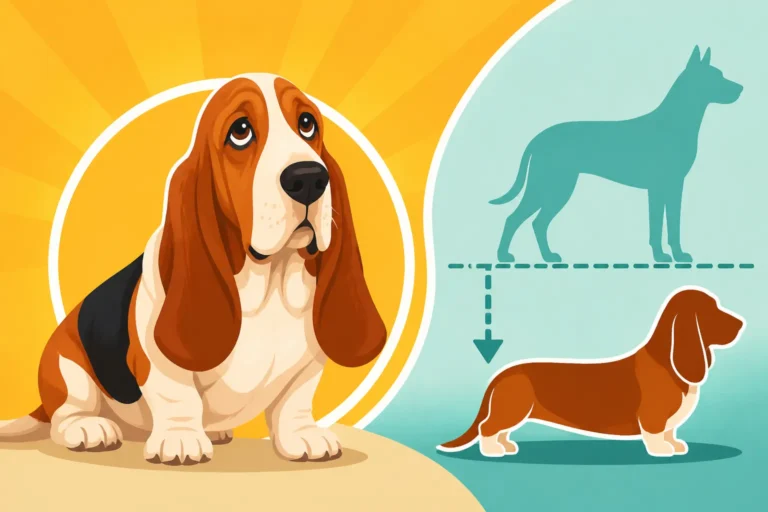
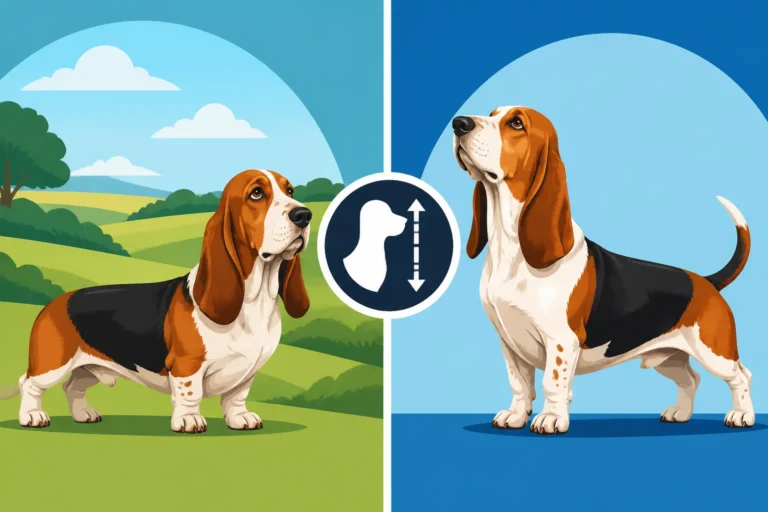
One of the most immediate differences you might notice is in overall stature and bone. American show Bassets often present a very "heavy" picture, with thick, substantial bone throughout their legs and a wide, deep chest. They are bred to be quite sturdy, almost cumbersome in their build. This contributes to their surprisingly high weight; it's often a surprise to new owners How Heavy a Basset Hound Really Is for their perceived size. This density is a prized trait in the AKC standard.
In contrast, some European lines, particularly those with a stronger emphasis on working ability or a more moderate interpretation of the standard, might have a slightly lighter bone structure. While still solid and not delicate, they might appear less "massive" than their American counterparts. This can result in a Basset that, while retaining its low-slung profile, moves with a bit more agility and less of the rolling gait often associated with the heaviest-boned individuals. The legs might still exhibit the characteristic bowed appearance – Why a Basset Hound's Front Legs Bow Inward is a part of the breed's unique anatomy – but perhaps with less overall girth.
Head and Expression
The head and its expression are central to the Basset Hound's charm, and here too, differences can emerge. American show Bassets are often bred for a very pronounced, somewhat melancholic expression, achieved through deep wrinkles on the forehead, heavy brows, and significant loose skin around the muzzle and eyes. The ears are exceptionally long, often reaching well past the end of the nose, almost like flowing drapery. This contributes to the iconic, soulful look that is so beloved. The breed standard dictates ears that are very long and low set, often described as reaching the end of the nose. Indeed, The Twelve Inch Ears a Basset Hound Was Given on Purpose are a hallmark, but some lines exaggerate this more than others.
European Bassets, while still possessing that endearing Basset expression and long ears, might exhibit less extreme wrinkling around the face and eyes. Their ears are still long and low-set, but perhaps not quite as exaggerated in length or thickness as some American show lines. This can lead to a slightly "cleaner" facial appearance, reducing some of the potential for skin fold dermatitis or eye issues like entropion or ectropion. The expression remains gentle and solemn, but perhaps a touch less "overdone" in its features.
Coat and Coloration
While coat texture and primary color patterns are generally consistent across the breed worldwide—short, smooth, and dense, in combinations of black, white, and tan (tricolor), red and white, or lemon and white—there might be subtle differences in how these colors are expressed or the prevalence of certain patterns. For instance, while tricolor Basset Hounds are common everywhere, the exact distribution of patches or the intensity of the tan markings might vary slightly between lines and regions, though this is often more about individual variation than a distinct "European" vs. "American" trait.
It's also worth noting that in some European countries, specific colorations might be more or less common, or there might be subtle differences in what is considered "desirable" within the show ring or by working breeders. However, these differences are usually less pronounced than structural variations. When it comes to grooming products or specific brushes, pet supplies stores like Chewy offer a range suitable for short-coated breeds, regardless of origin, meaning these subtle differences in coat usually don't impact day-to-day care.
Health Implications and Functional Considerations
The structural differences between Basset Hounds from different regions aren't just aesthetic; they can have tangible implications for the dog's health, longevity, and functional abilities. Breeding for extreme features, while sometimes visually appealing, can inadvertently introduce or exacerbate certain health challenges.
Impact of Structure on Health
One of the most significant concerns in Basset Hounds, regardless of origin, is their unique body structure. Their long backs, short legs, and heavy build make them prone to spinal issues, particularly intervertebral disc disease (IVDD). However, extreme length of body combined with excessive weight, often seen in some American show lines, can put additional strain on the spine. This is why discussions about Whether the Basset Hound's Body Length Is a Welfare Problem are so important. Breeders prioritizing a more moderate, balanced build might be inadvertently contributing to better spinal health.
Similarly, the excessive loose skin and deep facial wrinkles, while charming, can be hotbeds for skin fold infections (dermatitis) and yeast overgrowth, particularly in warm, humid climates. The extremely long, heavy ears are also notoriously prone to chronic ear infections due to poor air circulation. While diligent cleaning helps, a Basset with slightly less exaggerated skin folds and ears might experience fewer of these recurrent issues. Eye problems such as entropion (eyelids rolling inward) or ectropion (eyelids rolling outward), both linked to excessive loose facial skin, can also be more prevalent in lines bred for very dramatic facial features. Owners often find themselves needing specialized cleaning wipes or ear solutions, easily sourced from places like Chewy, to manage these common Basset complaints.
Temperament and Working Ability
While temperament is largely a product of individual genetics, early socialization, and training, certain breeding philosophies can indirectly influence it. Basset Hounds were originally bred as tenacious, independent scent hounds. In Europe, especially in countries where traditional hunting with Bassets still occurs or where scent work is highly valued, breeders may still place a premium on maintaining these working instincts and a hardy, resilient temperament. These dogs might be bred to be more focused on scent, perhaps a bit more determined and less inclined towards being purely a lapdog, though still possessing the breed's characteristic gentle nature. Whether the Basset Hound Should Be Bred Back Toward Work is a frequently debated topic among enthusiasts.
In contrast, Basset Hounds bred primarily for the show ring or as companion animals, regardless of continent, might have generations of breeding focused more on a placid, docile nature suitable for family life and less on their original working drive. This isn't necessarily a negative, as many families desire a calm companion, but it can mean a difference in the intensity of their scent drive or their overall "gameness." Ultimately, a Basset Hound is a Basset Hound, and their inherent sweetness and stubbornness remain, but the degree of these traits can be subtly influenced by breeding selection.
Conclusion
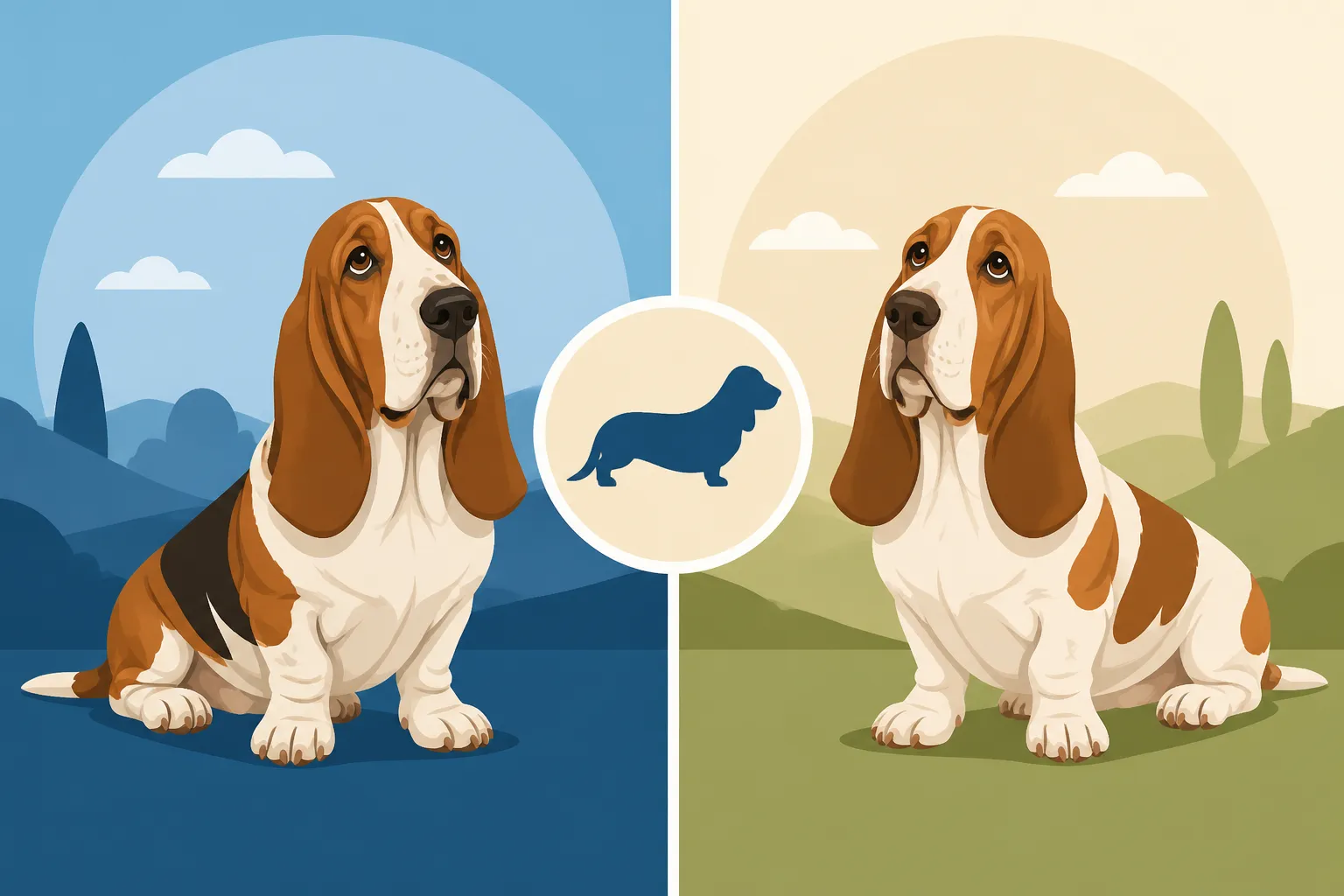
So, are European Basset Hounds "built differently"? The answer is nuanced, but yes, you might indeed see differences. There isn't one singular "European Basset Hound" type, but rather a spectrum influenced by various national kennel club standards, historical breeding practices, and individual breeder philosophies. Basset Hounds from countries like France, where older, more functional types like the Basset Artésien Normand exist, can look quite distinct from the Basset Hounds commonly seen in American show rings. Even within the broader Basset Hound breed, British and continental European lines may lean towards a slightly more moderate build, with less extreme loose skin and bone substance, often prioritizing soundness and functional anatomy alongside breed type.
These differences stem from a divergence in breeding goals over many decades—some emphasizing the dramatic, classic show ring aesthetic, others retaining a stronger connection to the breed's working heritage and prioritizing moderation for health and longevity. Regardless of their exact build or origin, all Basset Hounds share that unmistakable combination of a powerful nose, a charmingly mournful expression, and a wonderfully gentle disposition. When choosing a Basset, it's always wise to research breeders thoroughly, understand their breeding goals, and consider what type of build and temperament will best suit your lifestyle, regardless of where the lines originated.
Disclaimer
This article is for general informational purposes only and does not constitute professional advice. Laws, prices and regulations vary by location and change over time. Consult a qualified professional for guidance on your specific situation.