Whether Short Legs Were Bred For or Just Kept
Many Basset Hound owners, myself included, often wonder about those distinctly short, sturdy legs. It’s easy to look at a Basset navigating a curb or trying to get on the sofa and think, "Was this really the plan, or did nature just do its own thing?" The truth is, the Basset Hound's low-slung, short-legged build isn't some happy accident that breeders decided to keep; it was a carefully cultivated trait, intentionally bred over centuries to serve a very specific purpose. This guide will delve into the fascinating history and genetics behind those famous short legs, exploring why they were, and still are, so essential to the breed's identity.
The Ancient Roots of the Low-Slung Hound
The Basset Hound's history isn't just about their endearing appearance; it's a tale deeply rooted in the practical needs of hunting in medieval Europe. Their unique build wasn't simply tolerated; it was meticulously developed.
From Noble Hunts to Forest Floors
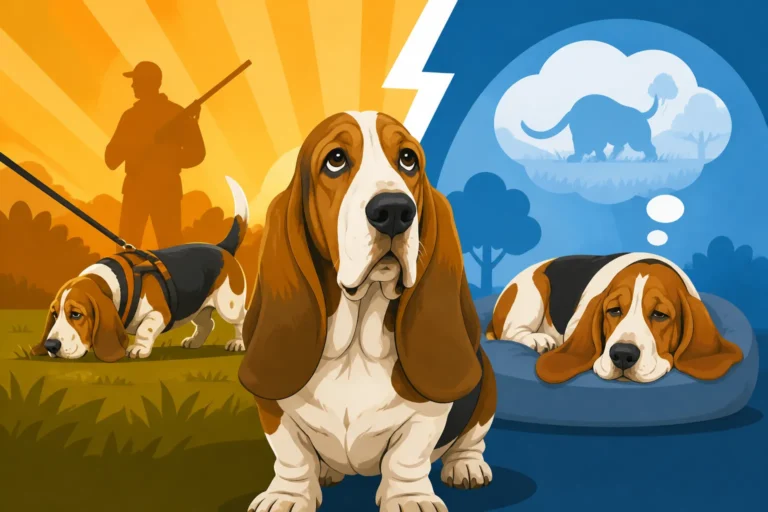
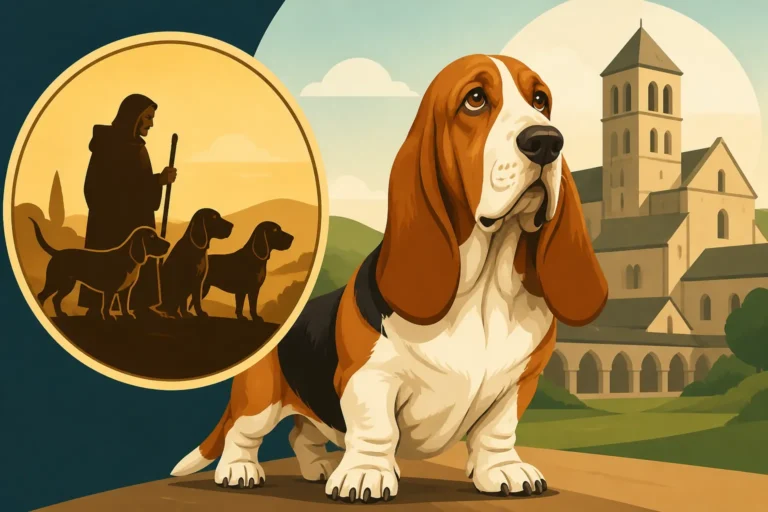
Imagine the dense forests of France centuries ago. Hunters, often on foot, needed a dog that could meticulously follow a scent trail through thick underbrush, through fields, and across varied terrain, without outpacing them. Large, fast hounds were excellent for open country where riders could easily keep up, but in areas with heavy cover, a quick dog could easily outrun its human companions, making the hunt inefficient and frustrating. This is where the concept of a "low" hound, or "basset" (from the French word bas, meaning low), truly began to take shape. These hunters weren't just looking for any dog; they were seeking a specialist, a canine partner perfectly adapted to the environment and the pace of a hunter on foot. Where the First Basset Hounds Came From tells more about this fascinating origin.
The short legs weren't just about pace; they were about precision. A dog with a low center of gravity and short legs is inherently closer to the ground, allowing its incredibly sensitive nose to stay constantly immersed in the scent cone. Think of it like a vacuum cleaner head, hugging the floor to pick up every particle. For a scent hound, every tiny particle of scent matters, and being low to the ground ensures maximal contact with the trail, even when it’s faint or old. This direct access to the ground-level scent was paramount for their intended work, making them unparalleled trackers in their niche.
Early Intentions: Was "Basset" Always About Height?
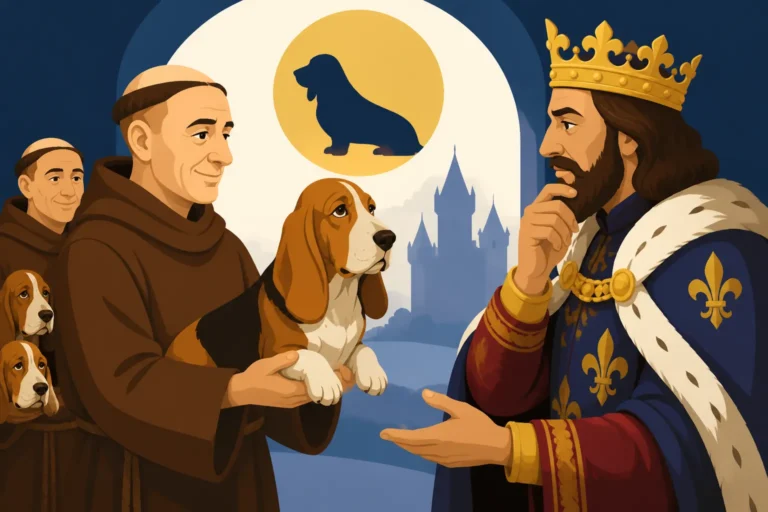
Indeed, the very name "Basset" itself is a direct nod to their defining characteristic: their lowness. It wasn't just a descriptive term that emerged later; it was integral to their classification and purpose from the outset. Early breeders, often monks or noblemen with a keen interest in hunting, actively selected for this trait. They weren't just breeding dogs that happened to have short legs; they were deliberately cultivating dogs because of their short legs. They understood that this physical attribute directly translated into superior performance for the type of hunting they engaged in.
The objective was to create a hound that could track game, primarily small game like rabbits and hares, but also larger quarry like deer wounded by arrows or other means, at a pace that hunters could easily follow on foot. This meant a slower, more methodical pursuit. The short, sturdy legs, combined with their famously long, drooping ears that swept scents towards their incredible noses, and the loose skin of their dewlap that helped trap those scents, all formed a functional package. Every physical feature was either deliberately chosen or retained because it enhanced their scenting ability and slowed their pace to suit their human partners. It was a clear case of form following function, where "low" wasn't a flaw but a highly desirable, purposefully bred characteristic.
The Role of Achondroplasia in Basset Hound Development
To understand how the Basset Hound's short legs were developed, we need to touch upon the genetic mechanism that makes it possible. It’s a fascinating aspect of selective breeding that has shaped many beloved breeds.
Understanding the Genetics of Short Legs
The distinctive short limbs of a Basset Hound are due to a genetic condition called chondrodysplasia, often referred to as achondroplasia in its more severe forms. This isn't a disease in the typical sense for breeds like Basset Hounds or Dachshunds; rather, it's an inherited trait where the growth plates of the long bones in the legs close prematurely, resulting in disproportionately short legs relative to their body length. Essentially, it means the cartilage, which would normally develop into bone, doesn't grow to its full potential.
Breeders, many centuries ago, recognized this trait and intentionally selected for it. They saw the utility of dogs born with these naturally shorter legs. While it might sound like a genetic anomaly today, for the purposes of a specific kind of hunting, it was a genetic gift. It's a trait that has been present in various dog breeds for a long time, and rather than trying to breed it out, early Basset Hound developers capitalized on it. This selection intensified over generations, solidifying the characteristic short legs we see in Basset Hounds today. It’s a perfect example of how specific genetic variations can be harnessed through selective breeding to create breeds with specialized capabilities.
Why Short Legs Became Desirable for Hunters
The desirability of short legs for hunters revolved around several key factors, all contributing to the Basset Hound's effectiveness as a scent trailing dog.
Firstly, controlled speed. As mentioned, hunters on foot needed a dog that wouldn't sprint ahead and get lost or spook the game before they arrived. Short legs naturally enforce a slower, more deliberate pace. This meant the hunter could keep up easily, maintaining visual contact and control over the hound. It turned the hunt into a partnership, rather than a race.
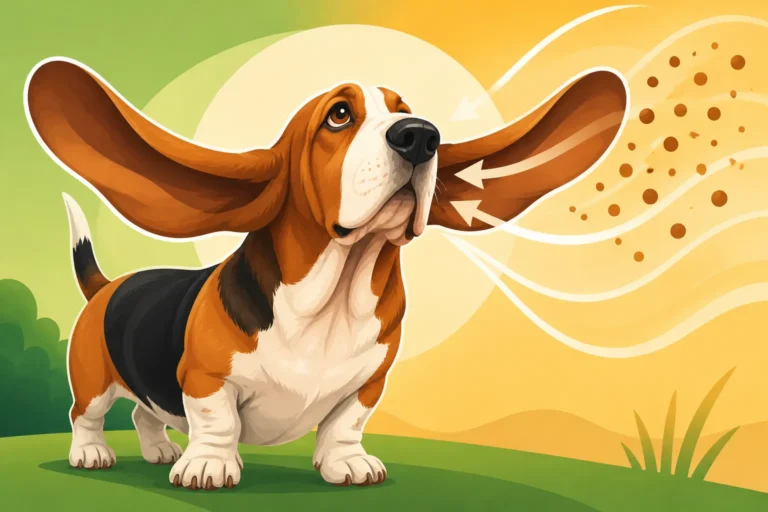
Secondly, enhanced scenting ability. The lower a dog is to the ground, the better its nose can detect and follow scent trails. The ground traps scent molecules, and a Basset Hound's low stature keeps its nose precisely in the "scent corridor." Their long ears also play a crucial role, often described as sweeping scent towards their nose, enhancing their ability to pick up even the most subtle of odors. This combination makes them exceptionally good at what they do. Whether a Basset Hound's Ears Stir Scent Toward Its Nose delves deeper into this unique adaptation.
Thirdly, navigating challenging terrain. While seemingly counterintuitive, short legs can be an advantage in certain types of dense undergrowth. A taller dog might struggle to push through thickets, getting tangled or snagged. A Basset Hound, with its compact and robust body, can often worm its way through dense bushes and briars, staying on the trail where a taller dog might hesitate or be forced to go around. They are built like canine tanks, low and powerful, able to push through obstacles.
Finally, durability and stamina. Despite their low stature, Basset Hounds were bred to be incredibly tough and capable of long hours of methodical tracking. Their sturdy bone structure, while short, is built for endurance. They might not be fast, but they are persistent, capable of tracking for miles without tiring, making them excellent at finding injured game or following a cold trail. This incredible stamina, coupled with their unwavering focus on scent, cemented their reputation as formidable hunting companions.
The Modern Basset Hound and the Ongoing Discussion
While the historical reasons for the Basset Hound's short legs are clear, the development of the breed hasn't stopped. Modern Basset Hounds still carry these traits, and their unique conformation sparks important discussions among enthusiasts and experts alike.
Maintaining the "Low" Standard
Today, the breed standard for Basset Hounds still emphasizes their characteristic lowness to the ground. This isn't just about tradition; it's considered fundamental to the breed's identity and historical purpose. Judges in dog shows, for example, evaluate how well a Basset Hound conforms to this ideal, looking for a substantial, heavy-boned dog that is distinctly "long and low." The idea isn't to create the shortest dog possible, but one that embodies the proportional lowness and robust build that defines the breed. You won't find a "standard" or "miniature" Basset Hound; the "basset" is the standard.
However, maintaining this standard also involves a fine balance. Breeders strive to produce dogs that are true to type while also ensuring health and soundness. The goal is a dog that can move efficiently, even with its short legs. It’s a constant conversation within the Basset Hound community about what constitutes an ideal "low" build—one that is both characteristic and functional, allowing for comfortable movement and a good quality of life. This is where responsible breeding truly shines, as it ensures that the physical traits, like those short legs, don't become so exaggerated that they impede the dog's well-being. Looking at The Crooked Front a Basset Hound Is Built On helps us understand some of these considerations regarding their structure.
Health Considerations and Responsible Breeding
While achondroplasia is the genetic basis for their short legs and not a disease in itself for Basset Hounds, extremes in conformation can lead to health challenges. The concern isn't about the short legs per se, but about how extreme a low-slung body can become, especially when combined with a very long back. This disproportionate length can place significant strain on the spine, making Basset Hounds particularly susceptible to Intervertebral Disc Disease (IVDD), a condition where the discs between vertebrae degenerate and can rupture, causing pain, nerve damage, and even paralysis. The Back Trouble a Basset Hound Is Built Into goes into more detail about these specific concerns.
Responsible breeders understand these risks and make conscious decisions to breed for moderation. They prioritize the overall health and structural integrity of their dogs, rather than simply pursuing exaggerated features. This involves careful selection of breeding stock, sometimes incorporating lines that might be slightly less extreme in length to promote better spinal health and overall soundness. Buyers seeking a Basset Hound should look for breeders who are open about health testing, who understand canine anatomy, and who prioritize function alongside breed type. Discussions about Whether a Basset Hound Can Be Bred Straighter highlight this ongoing effort within the breeding community. Brands like Chewy often provide educational resources alongside their product offerings, emphasizing the importance of responsible pet ownership and awareness of breed-specific health needs.
Living with a Low Rider: Practicalities and Joys
Beyond the historical and genetic factors, living with a Basset Hound means adapting to and appreciating their unique physique in everyday life. Those short legs shape much of their interaction with the world.
Navigating a Tall World
Life with a Basset Hound often involves a bit of creative problem-solving to help them navigate a world designed for taller canines. Simple things like getting on and off furniture or in and out of a car can become significant obstacles for a Basset's short legs and long back. This isn't just about convenience; it's about protecting their spine. Allowing them to repeatedly jump off high surfaces can contribute to the aforementioned back issues.
Many Basset owners invest in ramps or steps for beds, sofas, and vehicles. These aids allow the dog to access elevated spots safely, reducing strain on their joints and back. Even something as simple as providing a raised food and water bowl can make a big difference, preventing them from having to bend down excessively, which can be awkward with their deep chests and long ears. Finding good quality ramps and orthopedic beds on sites like Chewy can be a game-changer for a Basset Hound’s comfort and long-term health. The Ramps, Beds and Gates a Basset Hound Needs offers more practical advice on these items.
Embracing the Unique Basset Hound Build
Despite any challenges, the Basset Hound's unique, low-slung build is undeniably a huge part of their charm. There’s something truly endearing about watching them waddle with purpose, their enormous ears swinging with every step, their nose glued to the ground, utterly absorbed in a scent. These are dogs built for a specific job, and even if that job mostly involves tracking crumbs from the kitchen to the sofa these days, their physique tells a story of centuries of careful selection.
Their short legs dictate a certain pace of life, encouraging owners to slow down and enjoy the world from a different perspective. A Basset Hound isn't going to be your jogging partner, but they will be your devoted companion on a sniffari through the park, patiently exploring every interesting smell. Embracing their low-rider status means understanding their limitations and celebrating their incredible, often hilarious, adaptations. It's about loving them for their unique shape and ensuring their comfort and health are always a priority.
Here's a quick look at the journey of those short legs:
| Aspect | Early Breeding Intent | Modern Basset Hound Reality |
|---|---|---|
| Leg Length | Deliberately bred for short, sturdy limbs (chondrodysplasia). | Maintained as a core breed characteristic for aesthetic and historical reasons. |
| Pace | Slow, methodical tracking for hunters on foot. | Still a methodical pace, but often for leisurely walks and sniffing. |
| Scenting Ability | Maximized by low stature, sweeping ears, and dewlap. | Remains exceptional; often used for nose work and trailing sports. |
| Terrain Navigation | Ability to push through dense undergrowth. | Can still navigate varied terrain, but needs consideration for jumping/stairs. |
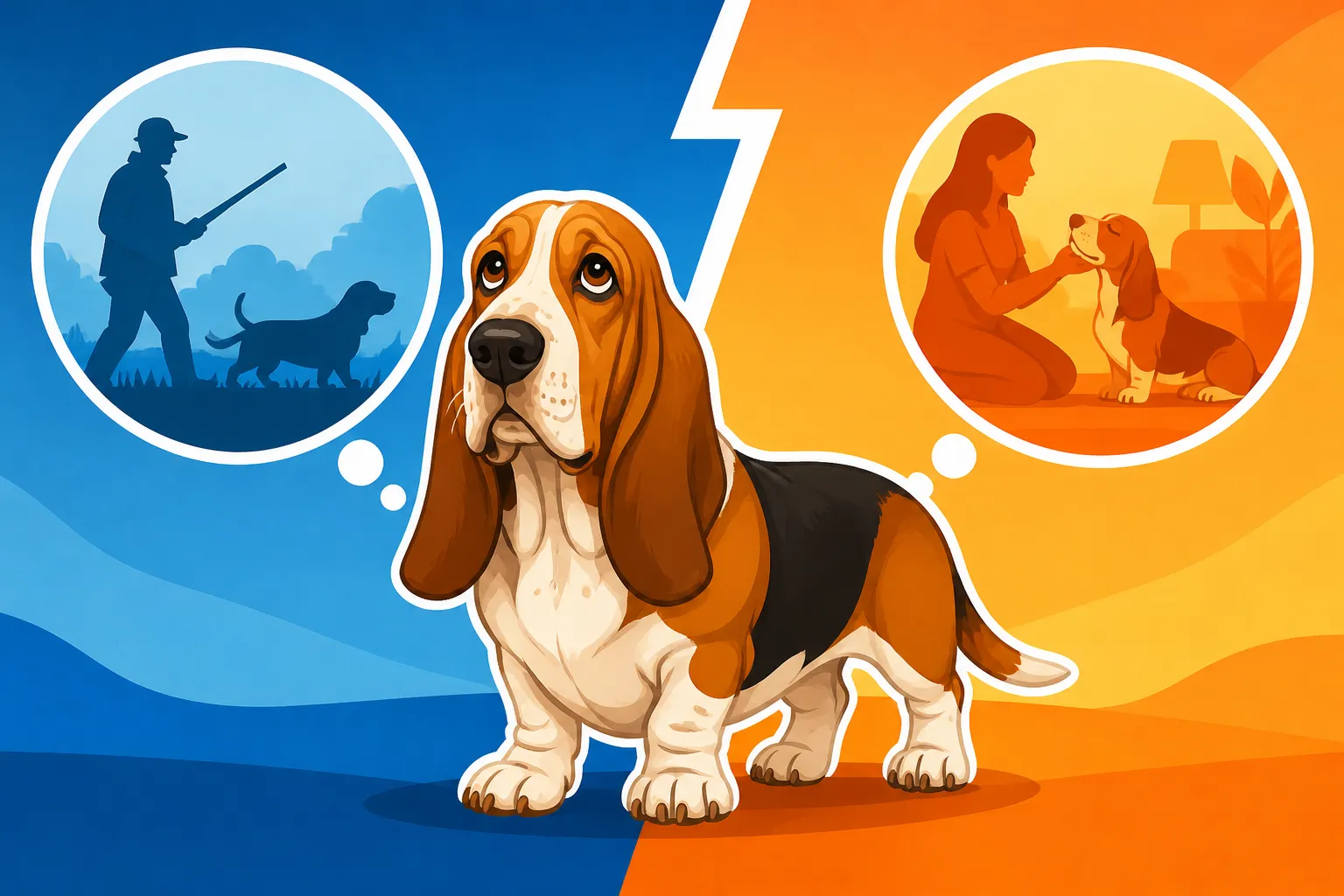
| Health Focus | Functionality for hunting was primary concern. | Emphasis on breeding for soundness, mitigating risks like IVDD. |
| Daily Living | Suited to life working alongside a human. | Needs thoughtful home modifications (ramps) for comfort and health. |
So, next time your Basset Hound needs a lift onto the couch, remember: those short legs aren't just cute; they're a testament to a rich history of intentional breeding for a very specific, and highly successful, purpose. They were not an accident; they were a design. The Twelve Inch Ears a Basset Hound Was Given on Purpose and The Nose That Puts a Basset Hound Second to a Bloodhound further illustrate how every part of their unique build serves a purpose. It's a journey from ancient forests to our living rooms, all thanks to those perfectly planned, wonderfully short legs.
Disclaimer
This article is for general informational purposes only and does not constitute professional advice. Laws, prices and regulations vary by location and change over time. Consult a qualified professional for guidance on your specific situation.