Whether Yeast or Bacteria Is in a Basset Hound’s Ear
There's nothing quite as heart-wrenching as seeing your beloved Basset Hound shake their head incessantly, scratch at their ears, or wince when you try to give them a comforting pat. Their long, floppy ears, while undeniably charming, are unfortunately a perfect haven for all sorts of trouble, often leading to painful and persistent ear infections. It’s a common frustration for Basset owners, trying to figure out if that unpleasant smell or gunk is from a yeast overgrowth or a bacterial battle. This comprehensive guide will walk you through the distinct differences between yeast and bacterial ear infections in Basset Hounds, helping you understand the signs, the veterinary diagnostic process, and the specific treatments needed to bring relief to your floppy-eared friend.
The Unique Challenges of a Basset Hound's Ears
Our Basset Hounds are iconic for those magnificent, low-slung ears, but these very features create a microclimate that's unfortunately ideal for infection-causing organisms. It's not just a superficial trait; their ear structure deeply impacts their ear health, making them particularly susceptible to issues that other breeds might rarely encounter. Understanding this inherent vulnerability is the first step in effective management and prevention.
Why Their Ears Are a Breeding Ground
Think about those long, heavy ear flaps. They effectively seal off the ear canal, limiting airflow significantly. This lack of ventilation creates a warm, moist environment – essentially, a perfect greenhouse for microbes to thrive. Combine this with the natural curves and folds of a Basset Hound's internal ear canal, which is much longer and more convoluted than many other breeds, and you've got multiple nooks and crannies where debris, wax, and moisture can easily get trapped. This anatomy makes it exceptionally difficult for the ear to naturally clear itself of foreign invaders or excessive secretions. It’s no wonder many Basset Hounds face recurring ear issues; it's a structural predisposition.
The sheer length of their ear leather also means their ears are constantly dragging on the ground, through grass, mud, and sometimes even through their own food and water bowls. This direct contact with the environment can introduce a steady stream of dirt, allergens, and microorganisms right into the warm, moist sanctuary of the ear canal. We might try to keep them clean, but a Basset's natural curiosity and low-to-the-ground sniffing habit make it an uphill battle. If you're wondering Whether a Basset Hound's Ears Trap Water, you can bet they do, and that moisture only compounds the problem.
The Role of Moisture and Airflow
Moisture is perhaps the biggest enemy of a Basset Hound's healthy ear. Whether it's from swimming, bathing, or just environmental humidity, excess moisture gets trapped by those heavy ear flaps. Without adequate airflow, this moisture doesn't evaporate quickly, leading to a persistently damp environment. This dampness softens the skin lining the ear canal, making it more vulnerable to irritation and infection. It also provides the perfect conditions for opportunistic pathogens, both yeast and bacteria, to multiply rapidly.
A healthy ear environment relies on a delicate balance of natural flora and a dry, well-ventilated canal. For Basset Hounds, this natural balance is constantly challenged. The limited airflow means that even normal ear wax and skin debris don't dry out and flake away as they might in a prick-eared breed. Instead, they accumulate, providing more fuel for potential infections. This constant state of vulnerability explains Whether Every Basset Hound Gets Ear Infections – it certainly feels like it sometimes, given their predisposition!
Deciphering the Culprits: Yeast vs. Bacteria
When your Basset Hound's ears are acting up, it often boils down to two main offenders: yeast or bacteria. While both cause discomfort, their presentation and required treatments differ significantly. It's not uncommon for owners to confuse the two, leading to ineffective home remedies or delayed veterinary care. Knowing the distinct characteristics of each can help you better understand what your vet is looking for and why a specific treatment plan is recommended.
Understanding Yeast Infections in Bassets
Yeast infections in Basset Hounds are primarily caused by an overgrowth of Malassezia pachydermatis, a fungus that is a normal inhabitant of a dog's skin and ears. The problem arises when conditions become favorable for this yeast to multiply out of control. As we discussed, the warm, moist, and low-airflow environment of a Basset's ear canal is prime real estate for Malassezia. An underlying allergy, whether food-related or environmental (like pollen or dust mites), can also trigger inflammation in the ear canal, further disrupting the natural balance and allowing yeast to flourish. Even something as simple as changes in diet or a compromised immune system can tip the scales.
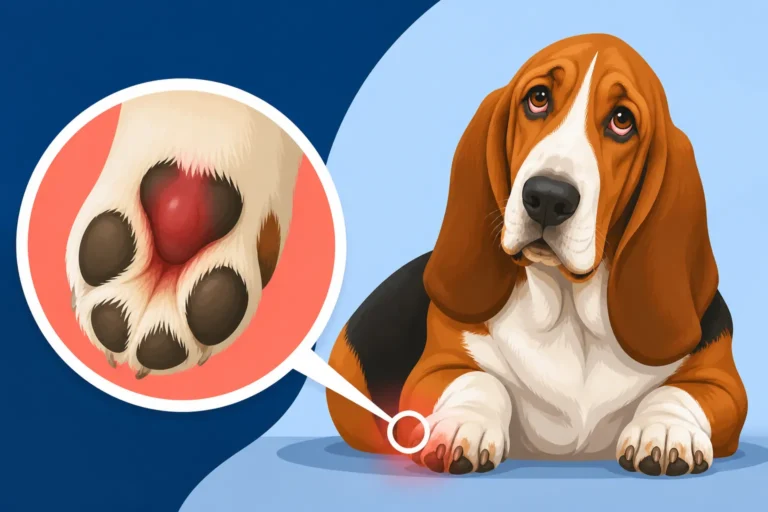
When yeast takes over, you'll typically notice a distinct, often sweet or yeasty odor, sometimes described as smelling like stale bread or corn chips. The discharge associated with yeast infections is usually brownish, waxy, and often feels somewhat greasy. The skin inside the ear might appear red and inflamed, and in chronic cases, it can become thickened, leathery, and even hyperpigmented (darkened). Owners often describe their Basset's ears as feeling "gooey" or "sticky" to the touch. This can be deeply uncomfortable for your dog, leading to relentless scratching and head shaking. It’s important to address these issues promptly, as chronic inflammation can lead to more serious complications. For more specific details on identifying the smell, check out Whether a Basset Hound's Ear Smells Sweet or Sour.
Identifying Bacterial Infections in Bassets
Bacterial ear infections, also known as otitis externa, can be caused by various types of bacteria. The most common culprits are Staphylococcus and Pseudomonas. Unlike yeast, which is often an opportunistic overgrowth of normal flora, bacterial infections can sometimes be primary invaders or, more frequently, secondary to an existing problem like allergies, yeast infections, or even foreign bodies in the ear. When the ear's defenses are down due to inflammation, moisture, or other factors, bacteria seize the opportunity to multiply.
Bacterial infections typically present with different characteristics than yeast. The discharge is often yellowish, greenish, or pus-like, and can have a much more foul, pungent odor. It might be thick and creamy, or thin and watery, depending on the specific bacteria involved. The ear canal will likely be very red, swollen, and extremely painful to the touch. Your Basset might show extreme reluctance to let you even come near their head. In severe cases, the swelling can be so significant that it nearly closes off the ear canal. Some bacterial infections can progress rapidly and cause more severe damage to the ear structures if not treated quickly. Persistent head shaking, scratching, and rubbing their ears on furniture are all signs your Basset is in distress.
The Complication of Mixed Infections
To make things even more complicated for our poor Bassets (and us!), it's incredibly common for both yeast and bacteria to be present in the ear at the same time. One might start as the primary issue, creating an environment that then allows the other to flourish. For instance, an allergic reaction might cause inflammation, leading to a yeast overgrowth, which then creates a perfect breeding ground for bacteria. This is why self-diagnosing and treating with over-the-counter remedies can be so challenging and often ineffective.
A mixed infection means your Basset is battling both types of pathogens simultaneously, requiring a multi-pronged approach to treatment. A vet will need to identify all components of the infection to prescribe the correct medications, which might include both antifungal and antibiotic agents. Without addressing all the present invaders, you risk only partially treating the problem, leading to rapid recurrence and the potential for antibiotic resistance if bacteria are present. This complex interplay underscores why a proper veterinary diagnosis is absolutely non-negotiable when dealing with ear infections in Basset Hounds. You can try your best to prevent them, but sometimes The Ear Infections That Never Really Leave a Basset Hound are due to these stubborn mixed issues.
Spotting the Signs: How to Tell if Something's Wrong
Recognizing the early signs of an ear infection in your Basset Hound is crucial for prompt treatment and preventing more severe complications. Their long ears might hide the initial redness, but there are plenty of other clues if you know what to look for. It's not just about what you see, but also what you smell and how your Basset is behaving. Being observant can save your dog a lot of discomfort and potentially reduce the overall treatment costs.
Visual Cues and Odors
One of the first things you might notice, especially with a yeast infection, is a distinctive odor emanating from your Basset's ears. As mentioned, yeast often produces a sweet, yeasty, or "corn chip" smell. Bacterial infections, on the other hand, typically result in a foul, pungent, or putrid odor. Don't be afraid to take a gentle sniff when you're checking their ears; it's a primary diagnostic tool even for vets before they look closer!
Next, carefully lift those heavy ear flaps and take a peek inside. What you're looking for visually includes:
- Redness: The skin of the inner ear flap and the visible part of the ear canal might be inflamed and red.
- Swelling: The ear canal tissues can swell, sometimes dramatically, even appearing to close off the opening.
- Discharge: This is a big indicator. Yeast infections often produce a dark brown, waxy, or greasy discharge. Bacterial infections can lead to yellow, green, or pus-like discharge, which might be thick and creamy.
- Crusts or Scabs: Excessive scratching can lead to broken skin, scabs, or even crusty debris around the ear opening.
- Hair Loss: Constant scratching can cause hair loss on the ear flaps or around the head.
It’s important to note that the discharge from a healthy Basset's ear should be minimal, light brown, and relatively dry. Anything beyond this, especially if accompanied by a strong smell, warrants investigation. Regular checks during your routine grooming or cuddle sessions can help you catch these issues early.
Behavioral Indicators of Discomfort
Beyond what you can see and smell, your Basset Hound's behavior will often be the most telling sign of ear pain or irritation. Dogs are experts at hiding discomfort, but with ear infections, it's hard to conceal. Keep an eye out for any of these behavioral changes:
- Head Shaking: This is a classic symptom. Your Basset might shake their head frequently, sometimes violently, trying to dislodge whatever is irritating their ears. This can be particularly pronounced after waking up or after a period of rest. For more on this, consider reading Whether a Basset Hound Shakes Its Head Constantly.
- Ear Scratching: Constant scratching at the affected ear with a back paw is another very common sign. This scratching can be so intense that it causes raw skin, bleeding, or even secondary skin infections.
- Rubbing Ears: Your Basset might rub their head or ears against furniture, the carpet, or even your leg, attempting to relieve the itch or pain.
- Pain or Sensitivity: They might cry out, whimper, or even snap if you try to touch or examine their affected ear. This pain can also lead to them holding their head tilted to one side.
- Lethargy or Irritability: While not specific to ear infections, chronic discomfort can make your normally cheerful Basset seem withdrawn, tired, or unusually grumpy.
- Loss of Balance or Coordination: In rare, severe cases where the infection has spread to the inner ear, you might observe signs of vestibular disease, such as a head tilt, circling, or stumbling. This is an emergency and requires immediate veterinary attention.
If you observe any combination of these visual and behavioral cues, especially if they are persistent, it's time to schedule a visit to your veterinarian. Early intervention is key to preventing the infection from becoming chronic or causing more significant damage. Remember, ignoring these signs won't make the problem go away; it will only make it worse.
The Veterinary Visit: Getting a Clear Diagnosis
When your Basset Hound is showing signs of ear trouble, a trip to the vet isn't just a suggestion; it's a necessity. Unlike other minor ailments where a "wait and see" approach might be okay, ear infections in Bassets can quickly escalate, become chronic, or even lead to hearing loss if not properly diagnosed and treated. Your veterinarian has the tools and expertise to pinpoint the exact cause of the problem, ensuring your furry friend gets the right kind of help.
The Importance of a Physical Exam
When you bring your Basset in for an ear issue, your vet will perform a thorough physical examination, which includes a detailed inspection of both ears. This isn't just a quick peek; it involves a careful assessment of the external ear flaps (pinnae), the opening of the ear canal, and the surrounding skin. They'll be looking for redness, swelling, hair loss, discharge characteristics, and any signs of pain or tenderness. They'll also check the lymph nodes around the head and neck, as these can become enlarged in response to infection.
The most critical part of this initial exam for ear issues is usually the otoscopic examination. Using an otoscope, a specialized instrument with a light and magnifying lens, your vet will carefully look deep into the ear canal. This allows them to assess the extent of the inflammation, visualize any foreign bodies (like grass awns), check for polyps or tumors, and, most importantly, inspect the eardrum (tympanic membrane). A ruptured eardrum can change the entire treatment plan, as some medications can be ototoxic (harmful to the ear) if they come into contact with the middle ear. Your vet might also gently palpate the base of the ear to check for fluid accumulation or pain further down the canal. This detailed visual inspection provides crucial initial clues about The Signs a Basset Hound's Ear Has Gone Bad.
Cytology and Cultures: Unmasking the Invader
While the physical exam gives your vet a good idea of what's going on, they can't definitively tell if it's yeast or bacteria (or both) just by looking. This is where ear cytology comes in – and it's perhaps the most important diagnostic step for ear infections. Your vet will take a swab from deep within your Basset's ear canal, roll it onto a microscope slide, stain it, and then examine it under a microscope.
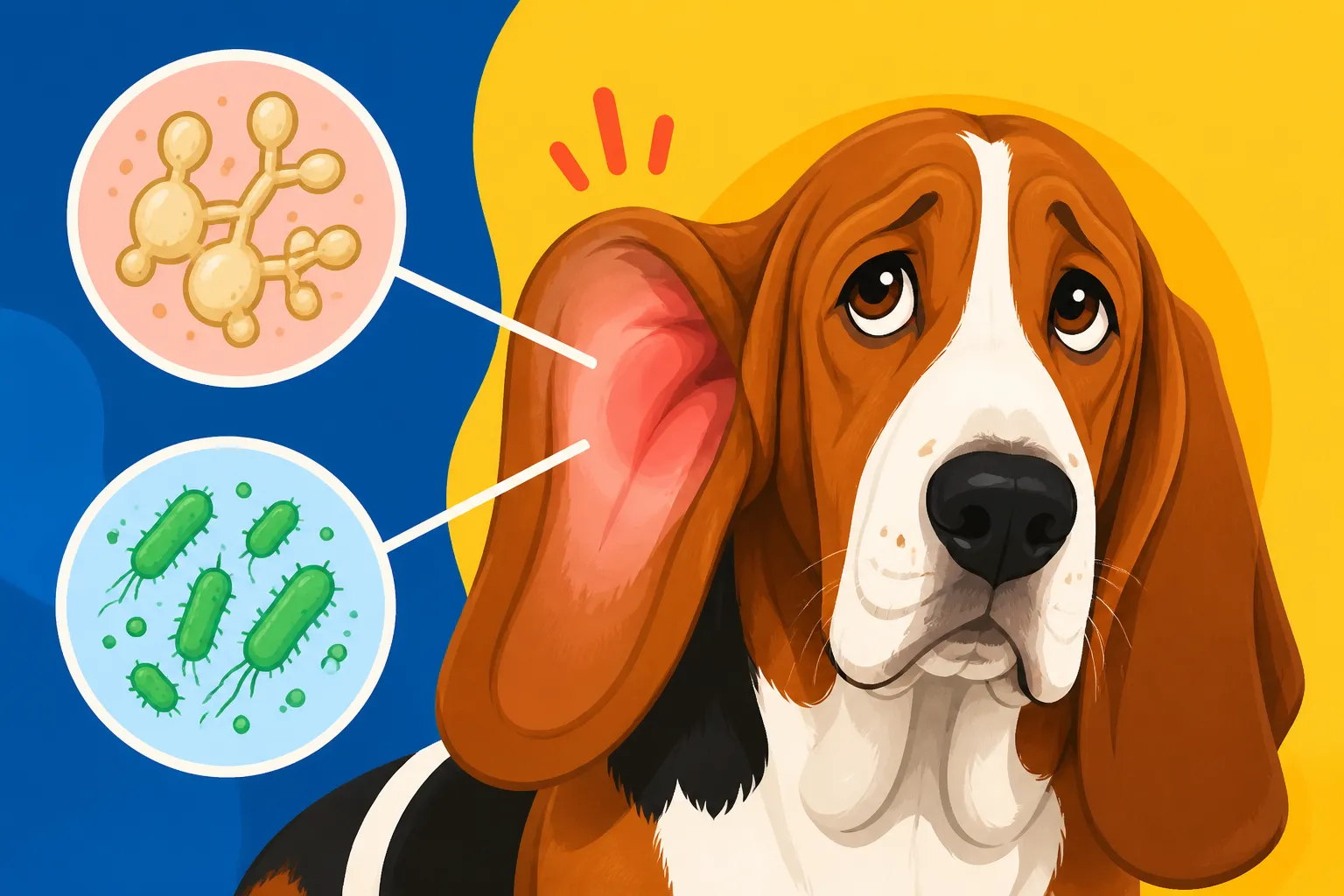
- Cytology for Yeast: Under the microscope, yeast (specifically Malassezia) has a very characteristic "peanut" or "footprint" shape. If your vet sees numerous yeast organisms, it confirms a yeast infection.
- Cytology for Bacteria: Bacteria appear as small rods or cocci (round shapes). The presence of white blood cells (neutrophils) along with bacteria indicates an active bacterial infection. The type and number of bacteria seen can also guide initial treatment choices.
In cases of chronic, recurrent, or severe bacterial infections, or if the initial treatment isn't working, your vet might recommend an ear culture and sensitivity test. This involves sending a swab to a lab where the bacteria are grown and then tested against various antibiotics to see which ones are most effective at killing them. This ensures the prescribed antibiotic is specifically tailored to the resistant bacteria, giving your Basset the best chance at recovery. This is particularly vital when dealing with stubborn infections that keep coming back, highlighting why What Chronic Ear Treatment Costs a Basset Hound Owner can really add up if not managed effectively from the start. Pet insurance providers like Healthy Paws often cover these diagnostic tests, which can be a huge relief for owners.
When Further Diagnostics Are Needed
Most ear infections in Basset Hounds can be diagnosed and treated with a thorough physical exam, otoscopy, and cytology. However, sometimes the problem runs deeper, especially with chronic or very painful cases. In these situations, your vet might recommend additional diagnostics:
- X-rays or CT Scans: If the vet suspects the infection has spread beyond the external ear canal into the middle or inner ear (otitis media or interna), imaging might be necessary. This can reveal fluid accumulation, bone changes, or other structural issues that aren't visible with an otoscope.
- Biopsies: If there are abnormal growths, polyps, or suspected tumors in the ear canal, a biopsy might be taken to determine if they are benign or malignant.
- Allergy Testing: Since allergies are a common underlying cause of recurrent ear infections, your vet might suggest allergy testing (either blood tests or intradermal skin tests) to identify specific environmental or food allergens that are triggering the ear inflammation. Addressing the underlying allergy is often key to breaking the cycle of recurrent infections.
- Endoscopy: For very deep or complicated ear canals, a video otoscope (endoscope) can provide a much clearer and magnified view, allowing for better debris removal and a more precise examination.
These advanced diagnostics can seem daunting, but they are crucial for understanding complex cases and forming an effective long-term management plan. They help ensure that we're not just treating the symptoms, but truly getting to the root of the problem for our Basset Hounds. For recurrent issues, understanding if the ear canal is compromised may lead to discussions around Whether a Basset Hound Needs Ear Surgery.
Tailored Treatments for a Basset Hound's Ear Ailments
Once your veterinarian has accurately diagnosed whether your Basset Hound has a yeast, bacterial, or mixed ear infection, they can prescribe the most effective course of treatment. This isn't a one-size-fits-all situation; what works for yeast won't necessarily clear up bacteria, and vice versa. It’s critical to follow your vet’s instructions precisely, even if your dog seems to be feeling better, to prevent recurrence and potential resistance issues.
Specific Medications for Yeast
For yeast infections, the primary treatment involves antifungal medications. These are typically administered as ear drops or ointments that you apply directly into your Basset's ear canal. Common antifungal ingredients include miconazole, clotrimazole, or nystatin. Your vet will likely prescribe a product that also contains an anti-inflammatory steroid to help reduce the redness, swelling, and itchiness that often accompany yeast infections, providing immediate relief for your dog.
The duration of treatment can vary, but it's often for a minimum of 7 to 14 days, sometimes longer for stubborn cases. It's essential to complete the entire course of medication, even if the ear looks and smells normal after a few days. Stopping treatment prematurely can lead to the yeast bouncing back with a vengeance. After the initial treatment, your vet may recommend a maintenance ear cleaner with antifungal properties, or even a diluted vinegar solution, to help keep the yeast at bay. For persistent issues, oral antifungal medications might be prescribed, especially if the infection is deep or affecting both ears severely.
Tackling Bacterial Overgrowth
Bacterial ear infections require antibiotics. Just like yeast infections, these are most commonly given as ear drops or ointments directly into the ear canal. The choice of antibiotic depends on the type of bacteria identified through cytology or culture. Some common veterinary ear drops for bacteria include ingredients like gentamicin, neomycin, or enrofloxacin. Again, these often come combined with a steroid to reduce inflammation and pain, making your Basset much more comfortable.
For severe or resistant bacterial infections, or if the infection has spread to the middle ear, your vet will likely prescribe oral antibiotics in addition to the topical drops. Oral antibiotics ensure the medication reaches the deeper parts of the ear. The course of antibiotics can be anywhere from 2 to 4 weeks, and again, adherence to the full prescribed course is paramount. If bacteria aren't fully eradicated, they can quickly mutate and develop resistance, making future infections even harder to treat. This is a big reason why a proper diagnosis through cytology is so important, to avoid using the wrong antibiotic and contributing to resistance. Healthy Paws policyholders can find comfort knowing that these often costly antibiotic treatments are typically covered.
The Role of Ear Cleaning in Treatment
Beyond specific medications, thorough and regular ear cleaning is an indispensable part of treating both yeast and bacterial infections in Basset Hounds. In fact, it’s often the very first step your vet will take. Before applying any medication, the ear canal needs to be as clean as possible to allow the topical drugs to reach the inflamed tissues and the organisms causing the infection. Imagine trying to paint over a dirty, greasy wall – the paint just won't stick!
Your vet might perform a deep ear cleaning in the clinic, sometimes even requiring sedation if your Basset's ears are very painful and impacted with debris. They will use a specialized ear cleaner designed to break down wax and discharge, flushing the ear thoroughly. After this, you'll be instructed on how to clean your Basset's ears at home. The type of cleaner recommended will vary based on the infection:
- For Yeast: Cleaners with drying agents or acidic pH can help create an environment less favorable for yeast.
- For Bacteria: Cleaners that help break down biofilm (a protective layer bacteria create) or have antiseptic properties might be used.
Regular cleaning, as instructed by your vet, helps to remove exudate, dead cells, and the microbes themselves, which directly aids in the effectiveness of the prescribed medications. It also improves airflow and helps to dry out the ear canal. Always make sure to use a cleaner specifically formulated for dogs and follow the frequency recommended by your vet. For a deeper dive, check out How to Clean a Basset Hound's Ears Properly and Which Ear Cleaner Suits a Basset Hound. Remember to gently massage the base of the ear after applying the cleaner to help it penetrate, and then let your Basset shake their head to expel the debris. Always use cotton balls or gauze to wipe the visible parts of the ear clean, never cotton swabs deep inside the canal, which can push debris further in or damage the eardrum.
Long-Term Strategies for Healthy Basset Hound Ears
Treating an active ear infection is just one part of the battle for Basset Hound owners. Given their unique anatomy, many Bassets are prone to recurrent ear issues, meaning long-term preventative care is essential. It's about establishing routines and understanding environmental factors to keep those floppy ears as healthy and happy as possible. This proactive approach can significantly reduce the frequency and severity of infections, saving your Basset discomfort and saving you stress (and vet bills!).
Proactive Cleaning and Maintenance Routines
The single most impactful long-term strategy for Basset Hound ear health is a consistent, proactive ear cleaning and inspection routine. This isn't just about cleaning when there's an issue; it's about preventing one from starting.
Weekly Ear Checks: Make it a habit to lift your Basset’s ear flaps weekly, or even every few days. Look for any redness, swelling, unusual discharge, or changes in odor. The sooner you spot a potential problem, the easier and quicker it is to treat. Gently sniff their ears; a healthy ear should have a very mild, neutral scent. This aligns with How Often a Basset Hound's Ears Must Be Cleaned.
Regular Cleaning: Depending on your Basset's individual susceptibility, your vet might recommend cleaning their ears anywhere from once a week to once a month with a veterinary-approved ear cleaner. Choose a cleaner that is gentle, has drying agents, and ideally, an acidic pH to discourage yeast and bacteria growth. Some excellent brands are available through your vet or pet supply stores like Vet’s Best, Zymox, or Epi-Otic. Always use a generous amount of cleaner, massage the base of the ear, and then wipe away any excess with cotton balls. Never insert anything into the ear canal itself.
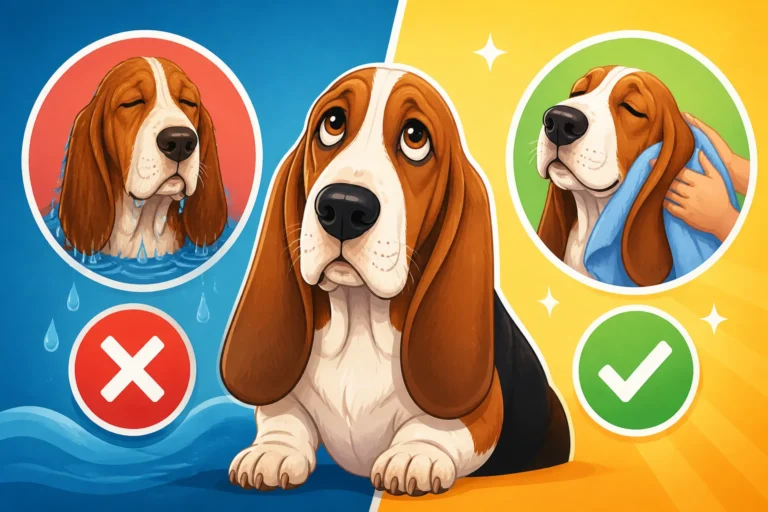
Drying After Moisture Exposure: This is critical. If your Basset goes for a swim, has a bath, or even walks in heavy rain, those ears will trap moisture. Make sure to thoroughly dry the visible part of the ear canal with a soft cloth or cotton ball afterwards. A very light dusting of ear powder can also help absorb moisture. It's about preventing Whether a Basset Hound's Ears Trap Water from lingering.
Ear Hair Management: While Basset Hounds don't have excessive hair in their ear canals like some breeds, if you notice any hair growing into the canal that could trap debris or moisture, consult your vet. They can advise if plucking or trimming is necessary, as improper removal can sometimes cause more irritation.
Dietary and Environmental Considerations
Beyond direct ear care, there are broader factors that can influence your Basset Hound's susceptibility to ear infections. Addressing these can be a game-changer for chronic sufferers.
Allergy Management: Many recurrent ear infections, whether yeast or bacterial, have an underlying allergic component. If your vet suspects allergies, working to identify and manage them is crucial. This might involve:
- Dietary Changes: Switching to a limited ingredient or hydrolyzed protein diet can help identify and eliminate food allergens.
- Environmental Allergy Control: Minimizing exposure to known allergens (pollen, dust mites) through air purifiers, frequent cleaning, and specific medications (antihistamines, Apoquel, Cytopoint) prescribed by your vet.
- Immune Support: Discussing supplements like omega-3 fatty acids, which can help reduce inflammation and improve skin barrier health, with your vet.
Weight Management: Keeping your Basset Hound at a healthy weight is important for their overall well-being, including ear health. Excessive weight can sometimes exacerbate skin fold issues and general inflammation, potentially contributing to ear problems. Consider reading What Extra Weight Does to a Basset Hound for more insights.
Elevated Food and Water Bowls: While opinions vary on preventing bloat, an elevated bowl can certainly help keep those long ears out of the water and food, reducing the amount of moisture and debris introduced into the ear canal during meal times. It's a simple change that can make a difference. If you're looking for an easier way to keep their ears clean, sometimes even a snood for Basset Hounds can make a significant difference.
Regular Veterinary Check-ups: Even with the best home care, regular veterinary check-ups allow your vet to monitor your Basset's ear health, address any emerging issues, and adjust your preventative plan as needed. For chronic issues, maintaining pet insurance with a provider like Healthy Paws can significantly ease the financial burden of ongoing veterinary care, diagnostics, and prescriptions. They understand the breed-specific challenges like those faced by Basset Hounds.
By diligently implementing these long-term strategies, you can provide your Basset Hound with the best possible chance for healthy, comfortable ears, allowing them to focus on what they do best: sniffing out adventure and bringing joy into your home.
| Characteristic | Yeast Infection (Malassezia) | Bacterial Infection (e.g., Staph, Pseudomonas) |
|---|---|---|
| Odor | Sweet, yeasty, "corn chip," stale bread | Foul, pungent, putrid |
| Discharge Color | Dark brown, reddish-brown | Yellow, green, sometimes greyish |
| Discharge Texture | Waxy, greasy, pasty | Creamy, pus-like, sometimes watery |
| Skin Appearance | Red, inflamed, thickened (chronic), hyperpigmented | Very red, swollen, often very painful |
| Itchiness | Often very itchy, moderate to severe | Can be itchy, but pain is often dominant |
| Pain | Moderate, can be uncomfortable | Severe, highly sensitive to touch |
| Underlying Cause | Allergies (environmental/food), moisture, immune issues | Often secondary to yeast, allergies, foreign bodies |
| Treatment | Antifungal ear drops/ointments, sometimes oral antifungals | Antibiotic ear drops/ointments, often oral antibiotics |
Disclaimer
The information provided in this article is for general educational purposes only and is not a substitute for professional veterinary advice. Always consult with a qualified veterinarian for any health concerns or before making any decisions related to your pet's health or treatment.