Whether the Basset Hound Was More Popular Fifty Years Ago
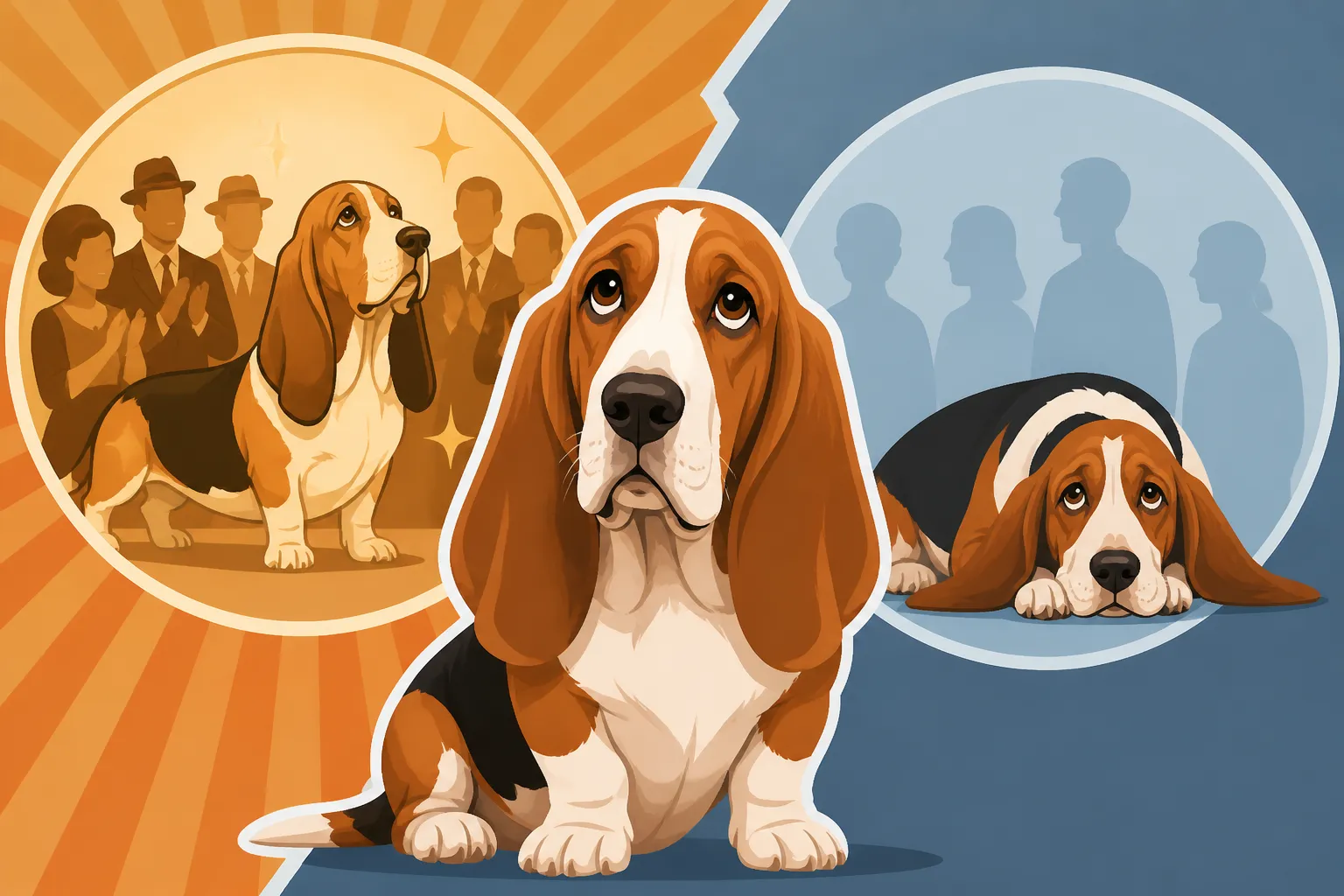
It often feels like Basset Hounds were everywhere when we were growing up, doesn't it? You might remember seeing them in movies, commercials, or just around the neighborhood, seemingly more frequently than you do today. This guide will delve into whether that feeling is just nostalgia, or if the Basset Hound truly has seen a shift in its public presence and popularity over the last five decades.
The Fading Memory: Is the Basset Hound Less Common Today?
It's a common sentiment among seasoned dog lovers: "You just don't see as many Basset Hounds anymore." This isn't just a random thought; it's a perception rooted in various changes, from media representation to societal shifts in pet ownership. While actual numbers can fluctuate, the visibility and cultural prominence of a breed certainly change, influencing our day-to-day experience and memories.
This feeling of a perceived decline isn't unique to Basset Hounds; many once-ubiquitous breeds have cycled through periods of intense popularity, followed by a settling into a more niche, but still beloved, presence. It speaks to how our collective imagination and media shape our view of the dog world. For Basset Hound aficionados, though, it can sometimes feel a little lonely, like our cherished breed isn't getting the spotlight it once did.
Understanding the Nuances of "Popularity"
When we talk about a dog breed's "popularity," what do we really mean? It's not always a straightforward number. For instance, are we talking about annual litter registrations with kennel clubs, which provide a solid, if slightly delayed, statistical snapshot? Or are we considering their presence in advertising, television shows, and films, which often dictates public awareness and desirability? Perhaps it's simply the anecdotal evidence of how many you see at the local dog park or in pet stores.
Fifty years ago, before the internet and the explosion of diverse pet media, breed popularity was often more heavily influenced by film roles, major advertising campaigns, or even presidential pets. Today, while those factors still play a role, social media trends, celebrity ownership, and even the sheer volume of available breeds and crossbreeds can all contribute to a more fragmented and rapidly changing landscape of "popular" dogs.
How Perception Shapes Reality
Our perception of popularity is deeply influenced by what we consume visually. If a breed is constantly featured in popular culture, we're likely to believe it's more common, even if the actual registration numbers haven't dramatically changed. This creates a feedback loop: media exposure generates interest, which can drive demand, leading to more dogs being bred and seen, further fueling the perception of popularity.
Conversely, a decline in media presence, even if breed numbers remain steady, can make a breed feel less "popular" or even rare. For a breed like the Basset Hound, with its distinctive look and personality, the memory of its past omnipresence can make its current, perhaps more understated, presence feel like a significant drop. It's not just about the dogs themselves, but the stories we tell, and are told, about them.
A Look Back: The Basset Hound's Golden Age in Pop Culture
There's no denying that the Basset Hound held a prominent, almost iconic, place in American culture several decades ago. Their long, mournful faces, droopy ears, and low-slung bodies made them instantly recognizable and incredibly endearing to the public. They weren't just dogs; they were characters, often comedic, sometimes melancholic, but always memorable.
This widespread recognition wasn't accidental. It was a combination of their unique physical traits, a surge in smart marketing, and a general cultural zeitgeist that embraced their quirky charm. For many, the image of a Basset Hound was synonymous with a certain laid-back, somewhat goofy, but utterly lovable companion. They truly captured the hearts of many, cementing their image in the public consciousness.
When Basset Hounds Ruled the Airwaves and Print Ads
Go back fifty years or so, and you couldn't flip through a magazine or watch a prime-time commercial without encountering a Basset Hound. Perhaps the most famous example is the legendary "Flash" from the The Dukes of Hazzard, who was K-9 companion to Sheriff Rosco P. Coltrane. Flash became an instant star, showcasing the breed's endearing, if sometimes exasperating, temperament on national television week after week. This kind of consistent, positive exposure worked wonders for the breed's profile.
Beyond television, Basset Hounds were Madison Avenue darlings. Think about the Hush Puppies shoe brand. Their famous logo, featuring a sweet-faced Basset Hound, turned the breed into a symbol of comfort and casual cool. This wasn't just a fleeting trend; this association endured for decades, ensuring that the Basset Hound remained a familiar and beloved image in households across the country. Such pervasive marketing meant even those who didn't own a Basset Hound felt like they knew one.
The Appeal of Their Unique Demeanor
Part of the Basset Hound's charm in its heyday was its distinctive personality, often portrayed with a gentle, somewhat lazy, and perpetually unimpressed demeanor. This was a stark contrast to the high-energy, constantly eager dogs often seen in other media. The Basset Hound offered a relatable, almost human-like, sense of weary resignation, making them perfect comedic foils or comforting presences. Their baying howl, while potentially a source of The Bay a Basset Hound Uses and the Neighbors Hear, also contributed to their unique character.
Their short legs and long bodies, while The Back Trouble a Basset Hound Is Built Into and other health considerations, added to their endearing, somewhat clumsy appeal. People loved to see them waddle, trip over their own ears, or struggle with everyday tasks in a humorous way. This played well into the cultural narratives of the time, where a dog could be a loyal, if a bit bumbling, sidekick. They seemed to embody a relaxed, uncomplicated way of life that resonated with many families.
Cultural Shifts and Canine Trends
The peak popularity of Basset Hounds coincided with a time when the general public's understanding of dog care and breed-specific needs was perhaps less detailed than it is today. While people loved the look, they might not have fully grasped the commitment involved in managing The Twice Weekly Ear Ritual a Basset Hound Owner Signs Up For or the potential for Why a Basset Hound Stops Hearing You When It Smells Something. The internet has brought a wealth of information – and sometimes, misinformation – to prospective owners, making them more aware of the realities of ownership before they even meet a puppy.
Fifty years ago, dog ownership might have been seen as less complex. Today, with increased awareness of genetic health conditions, the importance of early socialization, and the specific dietary needs of breeds, prospective owners often do extensive research. While this is certainly a good thing for canine welfare, it means breeds with more pronounced care needs, like the Basset Hound, might face a different kind of scrutiny than they did in their pop culture prime.
Shifting Tides: What Impacts Breed Popularity Over Time
The arc of a breed's popularity is rarely a straight line. What was once a star can recede into a beloved, but less common, presence. This isn't usually a reflection of the breed itself changing, but rather the world around it. Societal trends, evolving lifestyles, and a greater understanding of what it really takes to own a dog all play a significant role in which breeds rise and fall in the popularity charts.
For Basset Hounds, many factors contribute to why they might not hold the same widespread "popular" status as they did decades ago. It's a complex interplay of practicality, changing aesthetics, and a more informed public. Understanding these shifts helps us appreciate the journey of all breeds, and particularly our droopy-eared friends.
Changing Lifestyles and Space Constraints
Modern living often means smaller homes, less yard space, and busy schedules. While Basset Hounds are often seen as laid-back, they are not necessarily small or low-maintenance. They are sturdy, heavy dogs that require a surprising amount of space to sprawl, and their distinctive baying can be a challenge in apartments or homes with shared walls. Fifty years ago, suburban living with larger yards was perhaps more common, providing ample room for a Basset to wander and explore scents.
Today, many potential owners seek out breeds perceived as fitting better into urban environments or quieter neighborhoods. The image of a Basset Hound contentedly lounging may be true indoors, but outdoors, their powerful noses can lead them astray, making The Recall a Basset Hound Will Never Reliably Give You a real challenge. This often means they require secure fencing or dedicated leash walks, which can be a significant commitment for busy families.
Increased Awareness of Breed-Specific Health Challenges
One of the most significant shifts in pet ownership over the past few decades is the increased awareness of breed-specific health issues. We know now that certain physical traits, while adorable, can come with significant health considerations. For Basset Hounds, their long ears are prone to The Ear Infections That Never Really Leave a Basset Hound, their short legs and long backs make them susceptible to Intervertebral Disc Disease in a Basset Hound, and their loose skin can lead to Skin Fold Infections on a Basset Hound.
Prospective owners are now more educated, often researching these challenges extensively before committing to a breed. This means that while the charm of a Basset Hound is undeniable, the potential for significant vet bills and intensive care might deter some. Websites like Chewy, for example, offer a wide array of specialized foods and supplements, hinting at the complex needs some breeds can have, and owners are more likely to seek these out proactively. This upfront knowledge, while beneficial for the dog's welfare, can influence breed choice.
The Rise of Designer Breeds and Diverse Options
Fifty years ago, the choice of dog breeds was somewhat more limited or at least, less publicized. Today, the landscape is incredibly diverse, with the rise of "designer breeds" (crosses like Goldendoodles or Cavapoos), a broader appreciation for lesser-known purebreds, and an increased focus on rescue dogs of all types. This wider selection means that potential owners have more options than ever before, naturally diluting the popularity of any single breed.
People are also looking for specific traits that might not be as readily found in a Basset Hound. For instance, if someone wants a dog that is perceived as hypoallergenic, or one that is easily trainable for advanced obedience, they might gravitate towards other breeds. While Basset Hounds are wonderful companions, their independent, scent-driven nature can sometimes be a challenge for those seeking a highly compliant dog for competitive sports or specific service roles. The market, so to speak, is just much bigger and more varied now.
The Unchanging Heart of a Basset Hound: Enduring Appeal and Future
Despite any shifts in their overarching cultural "popularity," the Basset Hound remains a cherished and deeply loved breed by those who know and understand them. Their unique blend of stoicism, comedic timing, and unwavering loyalty ensures they will always have a dedicated following. What might be perceived as a decline in mass appeal can also be seen as a natural settling, allowing the breed to be appreciated by those truly committed to its specific needs and quirks.
The passion of Basset Hound owners hasn't waned. If anything, the community is more connected than ever, sharing tips, triumphs, and the occasional drool-related disaster. For those who embrace the reality of Basset ownership, the rewards are immeasurable, regardless of how many others are jumping on the Basset bandwagon.
The Enduring Charm for Dedicated Owners
For families and individuals who welcome a Basset Hound into their lives, the breed's appeal is timeless. Their sweet, soulful eyes can melt even the sternest heart, and their goofy antics bring endless laughter. They are notoriously good-natured, often patient with children, and generally get along well with other pets, making them fantastic family members. A Basset Hound in a House With Children is often a joy, their gentle disposition shining through.
Owners understand that the Basset Hound's independent streak isn't stubbornness, but a deep devotion to their primary sense: their nose. Why a Basset Hound Stops Hearing You When It Smells Something is simply how they are wired, and dedicated owners learn to work with this, perhaps through engaging scent work or ensuring a secure walking environment. They appreciate the depth of their hound's personality, rather than expecting them to conform to generic dog expectations.
A Table of Shifting Perceptions
Let's take a moment to consider how the public perception and realities of Basset Hound ownership might have shifted over the last five decades. This isn't about judgment, but about understanding the different lenses through which we view our beloved dogs.
| Aspect of Ownership | Fifty Years Ago (Perception) | Today (More Informed Reality) |
|---|---|---|
| Popularity Driver | Media (TV, Ads), word-of-mouth | Online forums, social media, selective breeding, rescue focus |
| Primary Appeal | Unique appearance, laid-back demeanor, comedic charm | Loyal companion, unique personality, scent work potential |
| Known Health Issues | Less widespread public awareness, often managed reactively | High awareness of ears, back, skin; proactive management |
| Care Level | Relatively simple; basic feeding & walks | Requires diligent ear care, weight management, joint support |
| Training Expectations | Casual obedience, often tolerant of independence | Understanding scent drive, positive reinforcement, consistent work |
| Living Environment | Assumed adaptable to most homes, often with a yard | Best in secure yards, adaptable to apartments with dedicated exercise |
| Cost of Ownership | Primarily food & basic vet | Significant potential for specialized vet care, quality food, gear |
Where to Find a Basset Hound Today
For those who are ready to embrace the wonderful world of Basset Hounds, they are certainly still out there, thriving in loving homes. You might find them through reputable breeders who prioritize health testing and temperament, often found via breed clubs. These breeders are generally open about their dogs' health lines, including screening for issues like Whether a Basset Hound Can Be Tested for Glaucoma or The Age a Basset Hound's Elbows Can Be Screened.
Another fantastic avenue is Basset Hound-specific rescues. These organizations are full of dedicated volunteers who understand the breed inside and out, and often have wonderful dogs of all ages seeking their forever homes. Whether you're looking for [A Basset Hound puppy] or A Senior Basset Hound, adoption can be an incredibly rewarding experience. When buying supplies for a new or existing Basset Hound, reliable online retailers like Chewy make it easy to find everything from specialized ear cleaners to orthopedic beds designed to support their unique physique.
The Basset Hound's Place in the Future
While the Basset Hound might not dominate prime-time commercials quite like they did in the past, their future is secure in the hearts of those who truly appreciate them. They've transitioned from a mass-market celebrity to a cherished companion for a discerning audience. The focus has shifted from mere novelty to understanding and addressing their specific needs, ensuring they lead long, happy, and healthy lives.
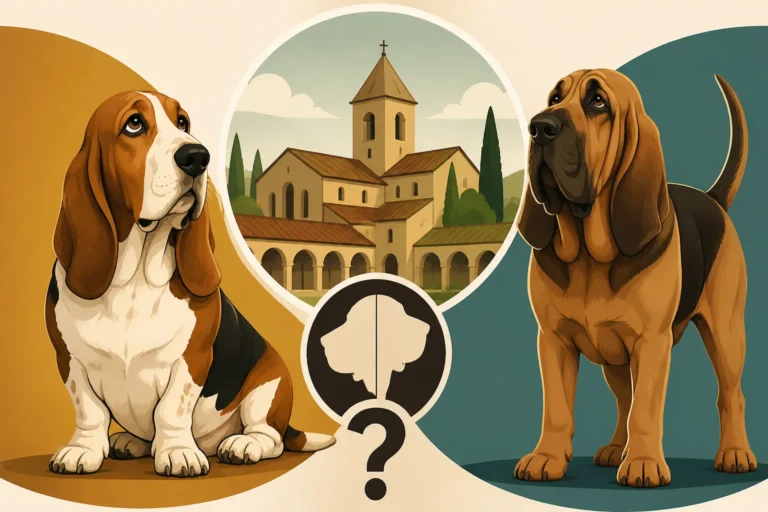
The Basset Hound’s existence is not contingent on being number one on a popularity list. Their lineage stretches back centuries, with a rich history of hunting and companionship. The Abbey Hounds a Basset Hound Descends From are a testament to their enduring qualities. They are a breed that teaches patience, rewards persistence, and offers unconditional, if sometimes sleepy, love. And for those of us who share our lives with them, that's more than popular enough.
Disclaimer
This article is for general informational purposes only and does not constitute professional advice. Laws, prices and regulations vary by location and change over time. Consult a qualified professional for guidance on your specific situation.