Whether a Basset Hound Needs Ear Surgery
For any Basset Hound parent, the constant battle against ear infections can feel like an unending uphill struggle. You've tried all the drops, the special cleansers, the dietary changes, and yet your sweet, floppy-eared companion still shakes their head, paws at their ears, and cries in discomfort. It’s a heartbreaking situation that often leaves us wondering if there's any permanent solution. This comprehensive guide will explore the often daunting question of whether a Basset Hound needs ear surgery, delving into the reasons why it becomes necessary, the types of procedures available, and what you can expect throughout the entire process.
Understanding the Root Cause of Basset Hound Ear Issues
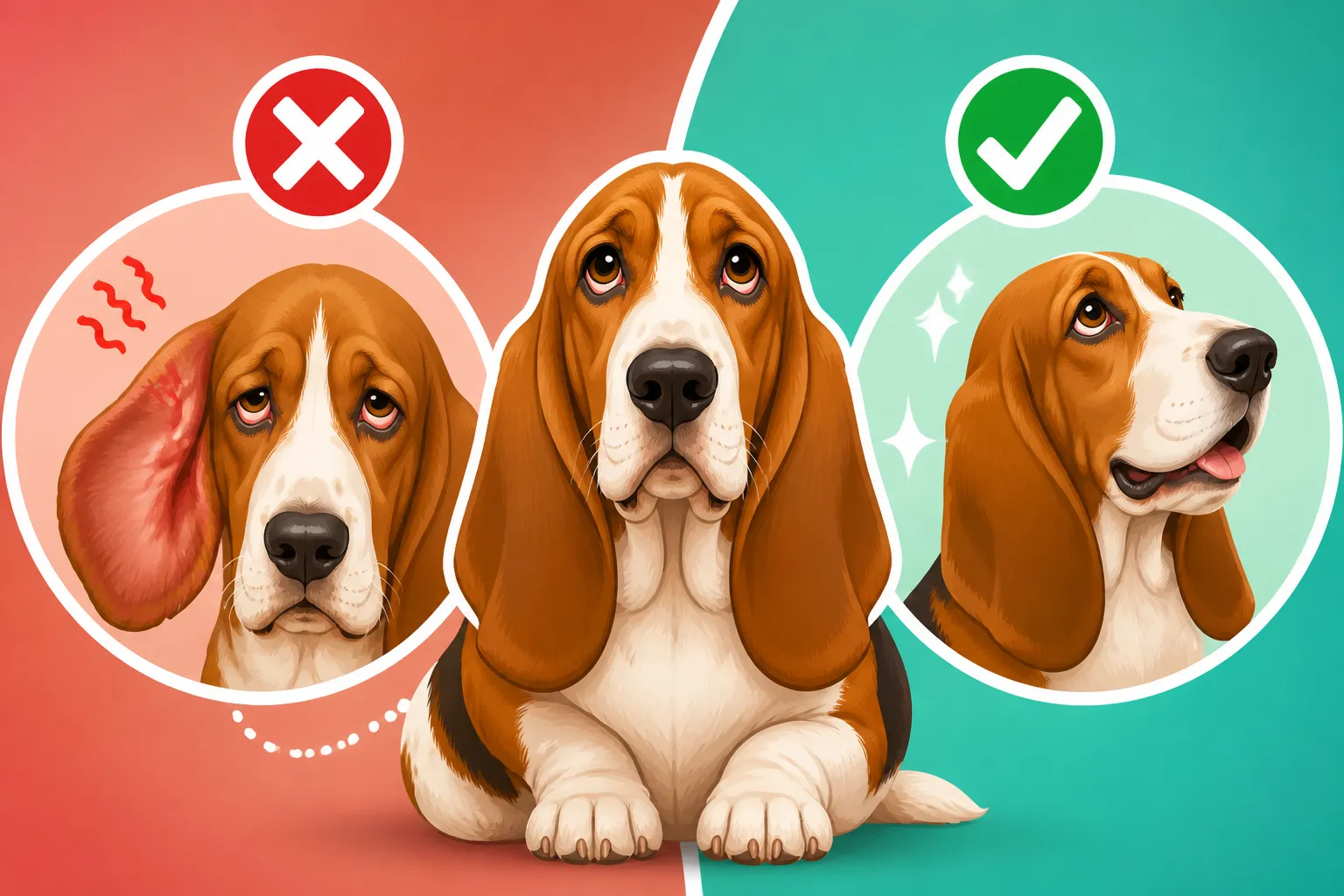
The very features that make Basset Hounds so endearing—those long, velvety ears—are precisely what predispose them to chronic ear problems. It’s not just bad luck; it’s a design flaw, inherited over generations, that traps moisture and creates a perfect breeding ground for trouble.
The Unique Anatomy of a Basset Hound's Ear
Imagine trying to keep a dark, warm, humid cave clean and dry. That's essentially what we're asking of a Basset Hound's ear canal. Their ears are incredibly long and pendulous, hanging low and covering the ear canal opening. This physical barrier significantly reduces air circulation, creating a perpetually damp and warm environment that bacteria and yeast absolutely thrive in. Unlike dogs with upright ears, the Basset's ear canal struggles to breathe, making it a prime candidate for recurrent issues.
Beyond the external flap, the internal ear canal itself is often narrower and more convoluted than in other breeds. This tight, twisting passage makes it incredibly difficult for debris, wax, and discharge to escape naturally. It also poses a challenge for us, as owners, to thoroughly clean the ear, and for veterinarians to adequately visualize the eardrum and deeper structures during examination. Many owners wonder if an ear canal that never dries is a universal truth, and for Bassets, it often feels that way due to these anatomical quirks.
Chronic Infections and Their Impact
When moisture and warmth combine with a lack of ventilation, it's an open invitation for opportunistic pathogens. Basset Hounds are notorious for battling The Ear Infections That Never Really Leave a Basset Hound. These aren't just one-off infections; they often become a chronic, recurring nightmare. Over time, repeated bouts of inflammation cause significant changes within the ear canal. The lining of the ear canal can thicken and swell, a process known as hyperplasia. This further narrows the already constricted passage, creating a vicious cycle where infections become even harder to treat and more painful for your dog.
If left unchecked, or if infections are particularly aggressive, the inflammation can even lead to calcification—where the soft tissues of the ear canal actually start to harden and turn bony. This essentially seals off the ear canal, making it impossible for medication to penetrate and for the ear to drain. This chronic inflammation and the resulting structural changes are not only incredibly painful for your Basset but can also lead to rupture of the eardrum and infections spreading to the middle and inner ear, causing even more severe problems like balance issues or facial nerve paralysis.
When Medical Management Fails
You’ve been there. The seemingly endless cycle of vet visits, ear flushes, and different prescriptions. You diligently clean your Basset's ears, give them all their medications, and perhaps even change their diet to rule out allergies. For many Bassets, this routine manages the infections, keeping them at bay or at least making them tolerable. But what happens when even the most dedicated and consistent medical management simply doesn't work anymore?
This is the point where ear surgery starts to enter the conversation. If your Basset Hound's ear infections are returning mere weeks after finishing a course of medication, or if cultures continually show aggressive, resistant bacteria, it's a sign that the underlying anatomical issues are too severe for topical treatments alone. Perhaps the ear canal has become so narrowed or scarred that drops can’t reach the affected areas, or a polyp is blocking the passage. Your vet might have done a deep flush, scoped the ear, and tried several rounds of different antibiotics or antifungals, even determining Whether Yeast or Bacteria Is in a Basset Hound's Ear to target the treatment precisely. If, despite all these efforts, your dog is still in constant pain, shaking their head, or showing signs of hearing loss, it might be time to consider a surgical solution.
Signs That Your Basset Hound Might Need Ear Surgery
Recognizing when your Basset Hound has crossed the threshold from manageable ear issues to a surgical candidate is crucial. It’s a tough decision, but one that can significantly improve their quality of life.
Irreversible Changes in the Ear Canal
One of the primary indicators that surgery might be necessary is the presence of irreversible structural changes within the ear canal. During a thorough veterinary examination, often involving an otoscope or even a specialized video otoscope, your vet might observe:
- Stenosis: This is the severe narrowing of the ear canal, making it almost impossible for air to circulate or for medication to penetrate effectively. It's often a result of chronic inflammation, where the tissues thicken and swell to such an extent that the canal essentially closes off.
- Calcification: As mentioned earlier, prolonged inflammation can lead to the ear canal walls hardening and turning bony. This literally creates a rigid, unyielding tube that cannot be treated with drops or even flushed. It’s a very painful condition.
- Polyps or Tumors: Sometimes, growths within the ear canal can obstruct the passage, leading to infection and pain. While not all growths are malignant, they can still cause significant problems and may require surgical removal.
These changes make the ear a perpetual hotbed of infection and pain, rendering conservative medical treatments ineffective. When your vet tells you that the structural damage is too extensive, it’s a clear sign that a medical solution is no longer viable. In such cases, trying to avoid surgery only prolongs your Basset Hound's suffering and increases the risk of complications.
Persistent Pain and Discomfort
Beyond the physical changes visible to a vet, your Basset Hound's behavior will often be the most obvious clue that they are suffering immensely. You might notice:
- Constant Head Shaking and Pawing: This is a classic sign of ear discomfort. If your Basset is doing this persistently, even after cleaning or medication, it means the pain is still very much present.
- Crying or Whimpering: When touched near the ears, or even spontaneously, a Basset Hound in severe pain might vocalize their distress.
- Aggression or Irritability: A dog in constant pain, especially localized in such a sensitive area, can become uncharacteristically irritable or even aggressive, particularly when their head or ears are approached. They might snap or shy away, a desperate attempt to protect themselves from further discomfort.
- Loss of Appetite or Lethargy: Chronic pain can take a toll on a dog's overall well-being, leading to a decrease in energy levels and a reluctance to eat.
- Odor and Discharge: Despite your best efforts, a foul odor and persistent discharge might emanate from the affected ear, indicating an ongoing, uncontrolled infection that could be spreading.
These behavioral changes are distressing for any owner to witness. They speak volumes about your dog's suffering and are a strong signal that their current treatment plan is failing, necessitating a more definitive intervention. It’s important to acknowledge The Signs a Basset Hound's Ear Has Gone Bad early on to prevent it from reaching this critical stage.
Complete Medical Treatment Failure
It's one thing for an infection to recur; it's another entirely for every possible medical avenue to be exhausted without success. If your Basset Hound has undergone multiple cycles of antibiotics, antifungals, specialized ear cleaners (like Which Ear Cleaner Suits a Basset Hound), and even deep flushes under sedation, and yet the infections persist, surgery becomes a serious consideration.
Your veterinarian might have performed ear cultures to identify the specific bacteria or yeast causing the infection and chosen targeted medications based on sensitivity testing. They may have also recommended dietary changes, especially if allergies are suspected to be an underlying factor, as Whether a Basset Hound Gets Allergies is a common concern. However, if resistant strains develop, or if the physical obstruction of the ear canal prevents the medication from reaching the infection, these medical efforts become futile. When chronic ear treatment costs for a Basset Hound owner start to accumulate rapidly without any lasting relief, and the veterinary team is openly discussing irreversible changes, it signifies that medical management has reached its limits. At this point, the long-term health and comfort of your Basset Hound hinge on exploring surgical options.
Types of Ear Surgeries for Basset Hounds
When medical treatments have been exhausted, several surgical options exist, each tailored to the specific nature and severity of the ear problem. Understanding these can help you make an informed decision with your veterinary surgeon.
Lateral Ear Canal Resection (LECR)
The Lateral Ear Canal Resection (LECR) is a less invasive surgical option compared to a total ear canal ablation. It's typically considered when the infection or disease is primarily confined to the outer, vertical part of the ear canal, and the deeper, horizontal canal is still relatively healthy. The goal of an LECR is to improve ventilation and drainage of the ear canal by removing a portion of the lateral (outer) wall of the vertical ear canal.
During this procedure, the surgeon carefully removes a section of the skin and cartilage from the side of the vertical ear canal, effectively opening it up. This significantly increases airflow, reduces the warm, moist environment that pathogens love, and makes it much easier for you, as an owner, to clean and administer topical medications if needed in the future. The LECR can also be beneficial in removing small polyps or tumors that are easily accessible in the outer canal. While it's a less aggressive surgery, it's not always a permanent solution if the horizontal canal or middle ear are also compromised, and some Basset Hounds might still experience recurrent issues if the underlying causes (like allergies) are not managed.
Total Ear Canal Ablation (TECA) with Bulla Osteotomy (BO)
For Basset Hounds suffering from severe, chronic, and irreversible ear disease, where the ear canal is severely stenotic, calcified, or has deep-seated middle ear infections, a Total Ear Canal Ablation (TECA) combined with a Bulla Osteotomy (BO) is often the recommended, albeit last resort, procedure. This is a major surgery designed to permanently eliminate the source of chronic infection and pain.
In a TECA, the surgeon completely removes the entire ear canal—both the vertical and horizontal sections—down to the level of the middle ear. The opening of the ear canal is then surgically closed. Because chronic outer ear infections often spread to the middle ear (the bulla), a Bulla Osteotomy is performed concurrently. This involves opening the bony chamber of the middle ear to remove any infected tissue, fluid, or debris, ensuring that the entire diseased area is addressed. This procedure is complex and requires a skilled veterinary surgeon, often a specialist. While it usually results in deafness in the treated ear (or ears), the trade-off is often profound relief from chronic pain and a significantly improved quality of life for your Basset Hound. Many owners want to know What a Total Ear Canal Ablation Costs on a Basset Hound, and it’s a significant investment, but one that can bring lasting comfort. It also makes you consider Whether a Basset Hound Goes Deaf From Ear Disease even without surgery if left untreated.
Ventral Bulla Osteotomy (VBO) for Middle Ear Disease
Sometimes, the primary problem isn't the outer ear canal, but rather an infection or mass within the middle ear (the bulla) itself, without severe, irreversible disease of the external ear canal. In these cases, a Ventral Bulla Osteotomy (VBO) might be performed. Unlike a TECA, a VBO specifically targets the middle ear, accessing it through the underside of the neck/jaw area, leaving the outer ear canal intact.
This approach is chosen when the middle ear is infected (otitis media) or contains polyps or tumors, and the ear canal itself is still viable. The goal is to drain and debride the infected bulla, removing the source of the middle ear problem while preserving the outer ear and potentially, some hearing. A VBO is also a technically demanding procedure, requiring careful consideration of surrounding nerves and blood vessels. Your vet will conduct advanced imaging, such as a CT scan or MRI (What a Basset Hound's MRI Costs), to determine the exact location and extent of the middle ear disease before recommending this surgery. It’s a less common procedure than TECA but offers a targeted solution for specific middle ear issues when the outer ear is spared.
Here's a quick comparison of the common ear surgeries:
| Surgery Type | Primary Goal | Extent of Removal | Ideal for | Potential Outcomes |
|---|---|---|---|---|
| Lateral Ear Canal Resection (LECR) | Improve ventilation & drainage of outer ear | Part of outer vertical ear canal | Mild to moderate chronic external otitis, small polyps in vertical canal, when deeper ear is healthy. | Improved airflow, easier cleaning, may still need ongoing medical care. |
| Total Ear Canal Ablation (TECA) | Eliminate chronic infection & pain from entire ear | Entire ear canal & middle ear (bulla) | Severe, irreversible chronic external/middle ear disease (stenosis, calcification, resistant infection). | Permanent relief from pain, deafness in affected ear, high success rate. |
| Ventral Bulla Osteotomy (VBO) | Drain & debride middle ear infection or remove mass | Middle ear (bulla) accessed ventrally | Middle ear infection/mass with healthy external ear canal. | Resolution of middle ear issues, potential preservation of hearing. |
The Surgical Process and Recovery Expectations
Deciding on ear surgery for your Basset Hound is a significant step, and understanding what happens before, during, and after the procedure can help alleviate some of the natural anxiety you'll feel.
Pre-Surgical Preparations
Before any ear surgery, your Basset Hound will undergo a thorough pre-surgical workup. This isn't just a formality; it's vital to ensure they are a good candidate for anesthesia and to minimize risks. Expect a comprehensive physical examination, blood work (including a complete blood count and chemistry panel), and potentially other diagnostic tests like urinalysis. These tests help assess organ function, detect any underlying health conditions, and ensure your Basset can safely metabolize anesthetic drugs.
Beyond general health, specific diagnostics for the ear will be crucial. This might include more detailed imaging such as X-rays, a CT scan, or an MRI to fully visualize the extent of the disease in the ear canal and middle ear. These images help the surgeon plan the procedure precisely and anticipate any complications. Your veterinarian or a specialist surgeon will have an in-depth conversation with you, explaining the procedure, potential risks, expected outcomes, and the recovery process. This is your chance to ask every question you have, from the specifics of the surgery to the estimated recovery time. Don't hesitate to voice concerns about Whether a Basset Hound's Ear Canal Closes Up and how surgery will address that.
The Procedure Itself
On the day of surgery, your Basset Hound will typically be admitted to the veterinary hospital. They will receive pre-anesthetic medication to help them relax and provide initial pain relief. General anesthesia will then be administered, and a dedicated veterinary team will monitor their vital signs (heart rate, respiration, blood pressure, oxygen saturation, temperature) continuously throughout the procedure.
The surgical technique will vary based on the type of surgery being performed (LECR, TECA+BO, or VBO). Regardless, the surgeon will meticulously remove diseased tissue, ensuring clean margins and careful handling of surrounding structures. For a TECA, this means carefully dissecting the entire ear canal, detaching it from the skull, and then addressing the middle ear. These surgeries are often quite intricate, involving fine dissection and sometimes even bone removal, which is why they are often performed by a board-certified veterinary surgeon. The duration of the surgery can vary, but these are typically multi-hour procedures.
Post-Operative Care and Long-Term Outlook
Recovery is a critical phase. Immediately after surgery, your Basset Hound will be closely monitored as they recover from anesthesia. Pain management is paramount, and they will receive appropriate pain medication, often an injectable initially, followed by oral medications to go home with. They will likely have bandages over the surgical site, and an Elizabethan collar (the "cone of shame") will be essential to prevent them from scratching or rubbing at the incision.
When your Basset Hound comes home, you’ll be responsible for administering oral medications, keeping the surgical site clean and dry, and monitoring for any signs of complications like excessive swelling, discharge, or pain. Activity will be restricted for several weeks to allow proper healing, which means no jumping, running, or rough play. The sutures will typically be removed by your vet in 10-14 days. While initial recovery focuses on healing, the long-term outlook is generally very positive for a TECA. Many owners report a dramatic improvement in their Basset's demeanor once the chronic pain is gone. Yes, there will be deafness in the affected ear(s), but a Basset Hound can adapt incredibly well to hearing loss. For an LECR or VBO, the outlook is also good, though ongoing monitoring and maintenance may still be required. The goal is always a pain-free life, and for many Bassets, surgery is the only path to achieving that lasting comfort.
Financial and Emotional Considerations of Ear Surgery
Making the decision for your Basset Hound to undergo ear surgery isn't just a medical choice; it's a significant financial and emotional commitment. It's crucial to consider all aspects before proceeding.
Understanding the Costs Involved
Let's be realistic: ear surgery for a Basset Hound is not inexpensive. The costs can be substantial because these are complex procedures requiring specialized veterinary expertise, extensive pre-surgical diagnostics, anesthesia, the surgery itself, post-operative medications, and follow-up visits. For a Total Ear Canal Ablation (TECA), for example, the price can range from several thousand dollars per ear, depending on your geographic location and the specialist performing the surgery. This cost often includes:
- Consultation with a specialist: Initial assessment and discussion.
- Diagnostics: Blood work, X-rays, potentially CT scans or MRIs. As we discussed earlier, What a Basset Hound's MRI Costs can be a significant portion of the upfront expense.
- Anesthesia: Fees for the veterinary anesthesiologist and anesthetic monitoring.
- Surgical fees: The surgeon's time and expertise.
- Hospitalization: Overnight stays, if required.
- Medications: Pain relief, antibiotics, anti-inflammatories for home.
- Follow-up appointments: Post-operative checks, bandage changes, suture removal.
When you factor in that many Basset Hounds suffer from bilateral ear disease, meaning both ears require surgery, these costs can double. This financial burden can feel overwhelming, especially after years of paying for chronic ear treatment. It’s a harsh reality that has to be faced when seeking a permanent solution.
The Emotional Toll on Owners and Hounds
Beyond the monetary cost, there's a significant emotional toll. As a Basset Hound owner, you've likely spent years watching your beloved companion suffer through recurring ear infections. The decision to put them through major surgery, knowing it will cause temporary discomfort during recovery, is incredibly difficult. You’ll worry about the anesthesia, the potential for complications, and how your Basset will cope with being deaf in one or both ears.
Seeing your dog come home with sutures, a big bandage, and an Elizabethan collar can be heartbreaking. The restricted activity and potential grogginess from pain medication can make them seem unlike their usual selves. This period of recovery requires immense patience, empathy, and dedication from you. However, it’s important to remember that this short-term discomfort is usually for long-term gain. The relief on your Basset’s face when they are finally free from chronic pain is often worth every moment of worry and effort.
The Role of Pet Insurance
Given the high costs associated with ear surgery and chronic ear conditions, pet insurance can be an absolute lifesaver. Companies like Healthy Paws offer comprehensive plans that can cover a significant portion of diagnostic tests, surgical procedures, and post-operative care. While many policies have waiting periods and may not cover pre-existing conditions, if you enroll your Basset Hound before ear issues become chronic and severe, insurance can dramatically reduce your out-of-pocket expenses.
When considering pet insurance, it's vital to research different providers and understand their policies, especially concerning chronic conditions or breed-specific ailments. Ask questions like Whether Insurance Covers a Basset Hound's Recurring Ears. Some policies might exclude certain conditions if they were noted in your Basset's medical history before enrollment. However, if your Basset develops severe ear disease after you’ve had a policy, having that coverage can turn an otherwise unaffordable, life-changing surgery into a manageable expense, giving you peace of mind and ensuring your hound gets the care they need. For many owners, the question of Whether a Basset Hound Is Worth Insuring at All becomes a resounding "yes" when faced with such significant potential vet bills.
Preventing the Need for Surgery: Proactive Ear Care
While surgery is a necessary solution for some, it's always better to prevent the problem from reaching that stage. Proactive and consistent ear care is the cornerstone of keeping your Basset Hound's ears healthy.
Consistent Cleaning and Monitoring
The single most important thing you can do for your Basset Hound's ears is to establish a consistent cleaning routine. Their long, floppy ears and narrow canals demand it. You should aim to clean their ears at least twice a week, even if they appear healthy, or more often if they are prone to infections. Learning How Often a Basset Hound's Ears Must Be Cleaned is critical. Use a veterinarian-recommended ear cleaner—don't just grab anything off the shelf. Your vet can advise you on Which Ear Cleaner Suits a Basset Hound best, as some are specifically formulated to dry the ear canal or target yeast.
The cleaning process involves gently filling the ear canal with the solution, massaging the base of the ear for 30 seconds to break up debris, and then allowing your Basset to shake their head. Finally, wipe away any loosened debris and excess solution from the outer ear flap with a cotton ball or gauze. Never use cotton swabs inside the ear canal, as this can push debris further in and potentially damage the eardrum. During these cleanings, always take the opportunity to visually inspect the ear. Look for any redness, swelling, unusual discharge, or odors. Early detection of problems can prevent them from escalating.
Addressing Allergies and Underlying Conditions
Many chronic ear infections in Basset Hounds aren't just about dirty ears; they're often a symptom of an underlying issue, particularly allergies. Both environmental allergies (atopy) and food allergies can manifest as recurrent ear infections, causing inflammation that makes the ears ripe for secondary bacterial and yeast infections.
If your Basset Hound struggles with chronic ear problems, work with your vet to investigate potential allergies. This might involve a food elimination trial to rule out food sensitivities, or allergy testing to identify environmental triggers. Managing allergies with medication, immunotherapy, or dietary changes can significantly reduce the inflammation in the ears, thereby reducing the frequency and severity of infections. Other underlying conditions like hypothyroidism can also impact skin and ear health, so ensuring your Basset has a full health workup is part of a proactive approach. Addressing these root causes, rather than just treating the symptoms, is key to long-term ear health and avoiding the need for surgery.
When to Seek Veterinary Attention Early
It's tempting to think, "Oh, it's just another ear infection, I'll use those drops I have from last time." But delaying proper veterinary attention can allow mild issues to spiral into severe, chronic conditions that ultimately necessitate surgery. As soon as you notice any The Signs a Basset Hound's Ear Has Gone Bad—such as increased head shaking, pawing at the ear, redness, swelling, discharge, a foul odor, or pain when touching the ear—schedule a vet visit immediately.
Early intervention means your vet can accurately diagnose the type of infection (bacterial, yeast, or both) through cytology or culture, prescribe the correct medication, and assess for any developing structural changes. Treating infections promptly and thoroughly can prevent the irreversible thickening and calcification of the ear canal that often leads to the need for surgical intervention. Don't wait until the pain is constant or your Basset Hound has completely given up; be proactive, and seek professional help at the first sign of trouble.
Disclaimer
The information provided in this article is for general informational purposes only and is not intended as a substitute for professional veterinary advice, diagnosis, or treatment. Always seek the advice of your veterinarian or other qualified animal health provider with any questions you may have regarding a medical condition or treatment for your Basset Hound. Never disregard professional veterinary advice or delay in seeking it because of something you have read in this article.