Whether a Basset Hound’s Loose Skin Traps Scent
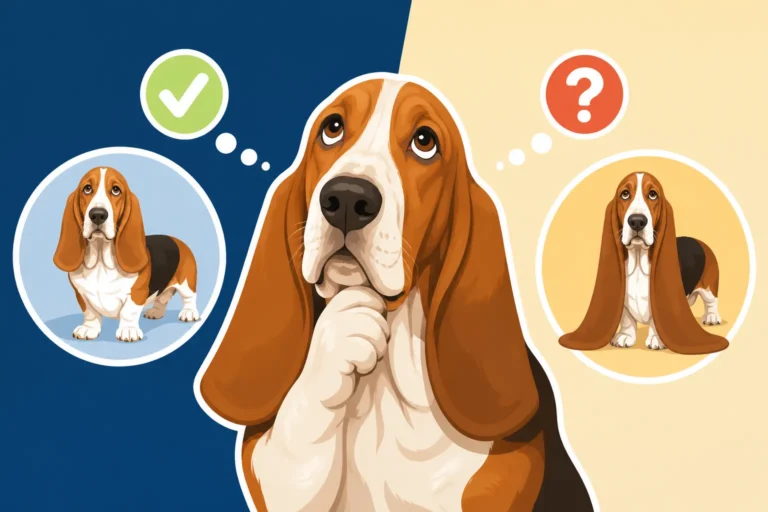
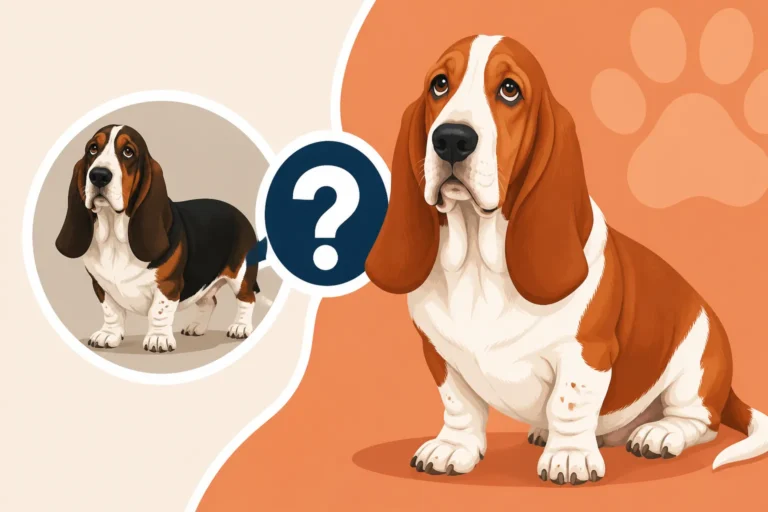
One common conundrum Basset Hound owners, or those considering bringing one of these charming, long-eared wonders into their lives, often ponder is whether all that glorious loose skin actually serves a purpose beyond looking incredibly endearing. It’s not just a fashion statement, though they do rock the look! Many people wonder if their unique anatomy, particularly those signature folds and rolls, plays a direct role in their world-renowned scenting abilities. This guide will dive deep into the fascinating interplay between a Basset Hound's distinctive loose skin and its phenomenal nose, shedding light on how these features are inextricably linked to their heritage as supreme scent hounds.
The Basset Hound's Unique Scenting Anatomy
When you look at a Basset Hound, it's impossible to miss their generous endowment of loose skin. From the deep wrinkles on their forehead to the impressive dewlap under their chin and the folds that drape around their neck and shoulders, this isn't just a quirky aesthetic. Every part of this loose skin, particularly around the head and neck, is a finely tuned instrument designed to enhance their already incredible sense of smell. It's a crucial part of what makes a Basset a Basset, enabling them to follow a scent trail with a single-minded devotion that few other breeds can match.
The Dewlap and Its Role in Scent Collection
Let's talk about that magnificent dewlap. This is the prominent fold of loose skin that hangs beneath a Basset Hound's neck and chin. Many people just see it as another adorable characteristic, but it's far more than that. This substantial flap of skin serves as a dynamic scent-collection device, working in concert with their powerful nose. As a Basset Hound moves, especially when its head is down, trailing a scent, this dewlap swings gently, creating a subtle air current. This movement effectively stirs up scent particles from the ground, lifting them closer to their highly sensitive nostrils.
Imagine a Basset Hound meticulously working a trail through a damp forest floor or across a dewy field in the early morning. The dewlap, acting almost like a soft, living broom, brushes the ground, disturbing scent molecules that might otherwise remain undisturbed. These stirred-up particles are then more easily inhaled. This is particularly valuable when following a "cold trail," where the scent is faint and dispersed. The dewlap increases the chances of detecting those elusive molecules, ensuring they don't miss a single fragment of the scent picture they are building. It’s an ingenious natural mechanism that highlights just how specialized these dogs are for their historic role. Whether a Basset Hound's Dewlap Holds Scent is a question many people ask, and the answer is a resounding yes, it's designed to do just that.
Loose Skin on the Head and Face: A Scent Funnel
Beyond the dewlap, the loose skin doesn't stop. You'll notice generous folds and wrinkles around a Basset Hound's face, muzzle, and even over their eyes. These aren't just for dramatic effect or to give them that perpetually thoughtful, slightly melancholic expression we all adore. These facial folds create a sort of natural "scent funnel." When the Basset Hound lowers its head to the ground, as it invariably does when tracking, these folds hang down. They effectively cup the area around their nose, acting like blinkers that block out visual distractions and, more importantly, concentrate the scent molecules directly into their olfactory system.
Think of it like cupping your hands around your ears to better hear a distant sound; these facial folds do something similar for scent. They prevent scent particles from dissipating too quickly into the surrounding air, instead channeling them directly towards the nostrils. This creates a localized, intensified scent bubble right where their nose is working. This focused delivery of scent, combined with the way their long, pendulous ears also sweep and direct scent, means they are constantly bathed in the very odor they are tracking. It's an incredibly efficient system that helps them maintain unwavering focus on a scent, even in environments with multiple competing odors. This design is truly remarkable, demonstrating how evolution has perfectly crafted them for their unique purpose.
How Loose Skin Amplifies Scent Tracking
The Basset Hound’s entire physical form, from its low-slung body to its characteristic loose skin, is a testament to its singular purpose as a scent hound. This isn't just about collecting a bit of scent; it's about optimizing every aspect of their anatomy to become the most efficient scent-tracking machine possible. The loose skin isn't just there, it actively participates in the tracking process, magnifying their ability in ways we might not initially consider.
Increasing Surface Area for Scent Particle Adherence
One of the most critical, yet often overlooked, functions of a Basset Hound's loose skin is the sheer increase in surface area it provides. Imagine the wrinkles and folds on their face, neck, and body. Each of these creases, each fold of skin, offers an additional surface where microscopic scent particles can cling. As the Basset Hound pushes through undergrowth, or simply walks with its head down, its loose skin makes contact with a wider area, picking up and retaining scent particles from the environment.
Consider this like a wide-meshed net versus a small, tightly woven one. The Basset's expansive, often moist, loose skin acts like that broad net, capturing far more scent information than a taut, smooth-skinned dog might. These trapped particles essentially create a mobile "scent library" that travels with the dog. This means that even if the primary trail briefly fades, the Basset Hound has a secondary, lingering scent reference on its own skin to help it re-establish the path. It's a natural advantage that allows them to gather and process an incredible amount of olfactory data, contributing to their uncanny ability to follow even the faintest of trails. This enhanced surface area, in combination with Whether a Basset Hound's Ears Sweep Scent Upward, creates a multi-sensory scent-gathering system.
Protecting the Nose and Enhancing Ground Contact
Beyond merely collecting scent, the Basset Hound's loose skin serves a vital protective role and also enhances their physical interaction with the scent source: the ground. Their low stature means their delicate noses are constantly near, if not directly on, the ground. This puts them at risk of scrapes, pokes, and general abrasion from rough terrain, thorns, and debris. The cushioning layers of loose skin, particularly around the face and eyes, act as a natural shield. These folds can absorb impacts, deflect small branches, and generally protect the sensitive tissues of the nose and eyes, allowing the Basset to focus on its mission without discomfort or injury.
Furthermore, this loose skin, along with their famously long ears, helps maintain consistent, close contact between their nose and the ground. When a Basset Hound is deep in concentration, its head is often practically dragging, its nose barely an inch from the earth. The weight and drape of the skin help to stabilize this low head carriage, ensuring that the nostrils are in the optimal position to inhale scent from the ground. It forms an almost sealed chamber around their nose, minimizing the escape of scent molecules and maximizing their ability to pick up even the most subtle odors. This unwavering ground contact is crucial for their precision tracking, enabling them to decipher complex scent puzzles that would overwhelm most other breeds. It’s a beautifully integrated design, perfectly suited for the demands of long, slow, and deliberate trailing.
The Practical Implications for Basset Hound Owners
Understanding the unique anatomy of your Basset Hound, especially how its loose skin functions for scent, isn't just an interesting tidbit; it has real, daily implications for their care and how you interact with them. This isn't just about admiring their floppy ears or mournful eyes; it's about appreciating the functional genius behind their breed characteristics and adapting your care routines accordingly.
Grooming and Hygiene for Scent-Trapping Skin
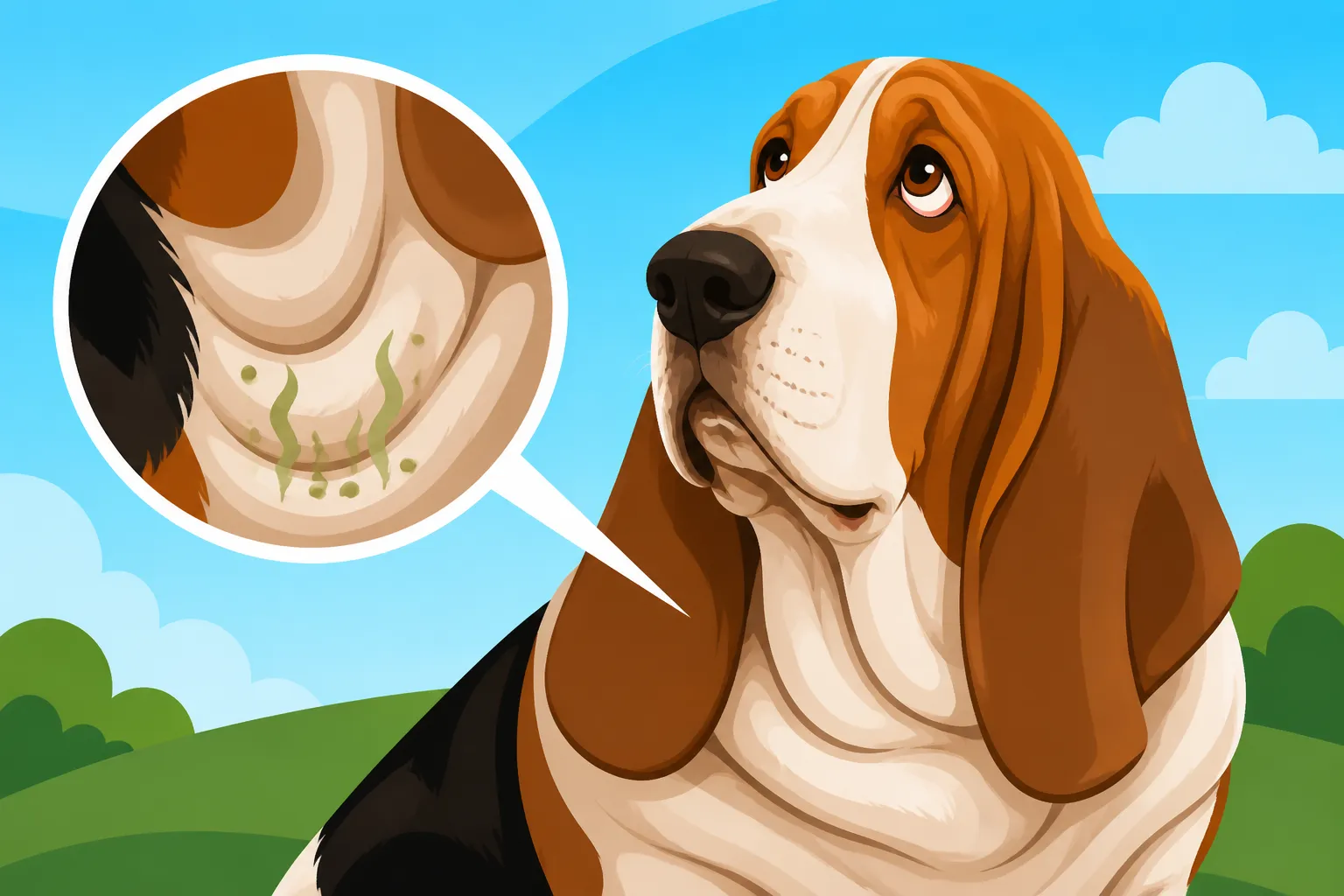
While the loose skin is fantastic for trapping scent, it also, unfortunately, makes your Basset Hound prone to trapping other things – moisture, dirt, food particles, and debris. These folds and wrinkles, particularly around the face, neck, and under the chin, can become warm, moist environments perfect for bacteria and yeast to flourish. If neglected, this can lead to uncomfortable skin fold infections, irritation, and a less-than-pleasant odor that has nothing to do with their scenting prowess and everything to do with needing a good cleaning. The Skin Under a Basset Hound's Folds requires regular attention.
Regular cleaning of these areas is paramount. You'll want to gently wipe down the folds on their face, especially after meals, and pay close attention to the dewlap and neck folds. A soft cloth moistened with warm water or a vet-approved medicated wipe can be very effective. Many Basset owners find products like specific pet-safe wipes, available from online retailers like Chewy, to be incredibly convenient for daily maintenance. Make sure to dry the folds thoroughly after cleaning to prevent moisture buildup. This isn't just about keeping them smelling fresh; it's about preventing painful skin conditions that can compromise their comfort and overall health. Think of it as part of their essential maintenance, just like caring for their famously long ears. This regular routine of Cleaning a Basset Hound's Face Wrinkles is an investment in their health and happiness.
Understanding Their Scent-Driven Behavior
Because their entire being is so finely tuned for scent work, Basset Hounds are, by nature, incredibly scent-driven creatures. When a Basset Hound catches a scent, their world narrows down to that single olfactory thread. They will often drop their head, their ears and loose skin creating that scent funnel, and become oblivious to everything else around them – including your calls. This isn't stubbornness; it's their hardwired instinct taking over. Why a Basset Hound Stops Hearing You When It Smells Something is a real phenomenon that every Basset owner quickly learns.
This profound scent drive means off-leash adventures in unfenced areas are generally a bad idea for a Basset. Once they're on a trail, they will follow it, often to the exclusion of all else, and can quickly become lost or wander into dangerous situations like traffic. A secure, high fence is essential for their safety, and a reliable leash is your best friend on walks. Consider engaging their natural instincts in safe, controlled ways. Activities like scent work classes, using snuffle mats, or scattering their kibble in the yard can be incredibly enriching for them, fulfilling their innate desire to use their magnificent noses. Providers like Chewy offer a fantastic array of puzzle toys and snuffle mats designed to engage a dog's sense of smell, providing mental stimulation that can tire them out as effectively as physical exercise. For those concerned about them wandering too far, a GPS tracker or Whether a Basset Hound Needs a Tracking Collar can offer significant peace of mind. By understanding and channeling their scent drive, you can provide a fulfilling life for your Basset Hound while keeping them safe.
Common Misconceptions About Basset Hound Skin and Scent
The distinctive appearance of a Basset Hound often leads to generalizations and sometimes misunderstandings about their loose skin and its functions. It’s important to differentiate between the advantageous aspects of their unique anatomy and potential pitfalls or common myths. Not all loose skin is equally beneficial, and a dog's smell doesn't solely hinge on its ability to trap scent particles from a trail. Let's clear up a couple of these popular misconceptions.
Is All Loose Skin Created Equal?
While the dewlap and facial folds are highly functional for scenting, it’s crucial to understand that not all loose skin on a Basset Hound contributes positively to their health or well-being. In some cases, excessive skin can actually become a liability. We're talking about skin that is so plentiful it causes severe droopy eyelids (ectropion or entropion), deep, constantly moist skin folds that never get air, or folds that cause chronic irritation from rubbing. While a certain amount of loose skin is breed-defining and highly functional, there's a point where "more" is not necessarily "better," and can lead to health issues like chronic skin fold infections.
Responsible breeders strive to produce Basset Hounds that possess the breed's characteristic features, including functional loose skin, without exaggerating them to a degree that compromises the dog's health or comfort. The goal is a dog that can perform its ancestral task – tracking scent – efficiently and comfortably, not one weighed down by impractical exaggerations. The breed standard calls for sufficient loose skin to perform its function, but not so much that it causes distress. So, while we celebrate their unique build, it's also important to acknowledge that balance is key, and not all loose skin, especially if excessively developed, is created equal in terms of health and purpose.
Separating Scent-Trapping from "Smelly Dog"
It’s a common misconception that a Basset Hound is inherently a "smelly dog" simply because its loose skin helps trap environmental scents. While it's true that their folds are designed to gather and hold scent particles to aid tracking, this function is distinct from a Basset Hound emitting an unpleasant odor. A well-cared-for Basset Hound, with regular grooming and proper hygiene, should not have a strong, offensive smell. If your Basset Hound does have a noticeable odor, it's almost always an indicator of an underlying issue, not just its scenting capabilities.
The primary culprits behind a "smelly Basset Hound" are often skin infections (bacterial or yeast), particularly in those deep folds and wrinkles, or chronic ear infections. The warmth and moisture trapped in these areas, combined with a lack of airflow, create ideal breeding grounds for microorganisms that produce pungent odors. Similarly, their long, heavy ears, which also sweep up scent and debris, are prone to infection. Issues like Whether a Basset Hound's Ear Odor Is Normal or Whether a Basset Hound Gets Yeast Between Its Folds are often the real cause of a bad smell. Addressing these health and hygiene issues through consistent cleaning, appropriate veterinary care, and sometimes specialized shampoos or wipes (which you can find readily on platforms like Chewy or from your vet), will resolve the odor. So, don't blame the functional loose skin; blame any neglect or health issue that takes advantage of it! A clean Basset Hound, even with all its magnificent folds, should smell like a dog, not like a dumpster.
Disclaimer
This article is for general informational purposes only and does not constitute professional advice. Laws, prices and regulations vary by location and change over time. Consult a qualified professional for guidance on your specific situation.