Whether a Basset Hound’s Wrinkles Serve a Purpose
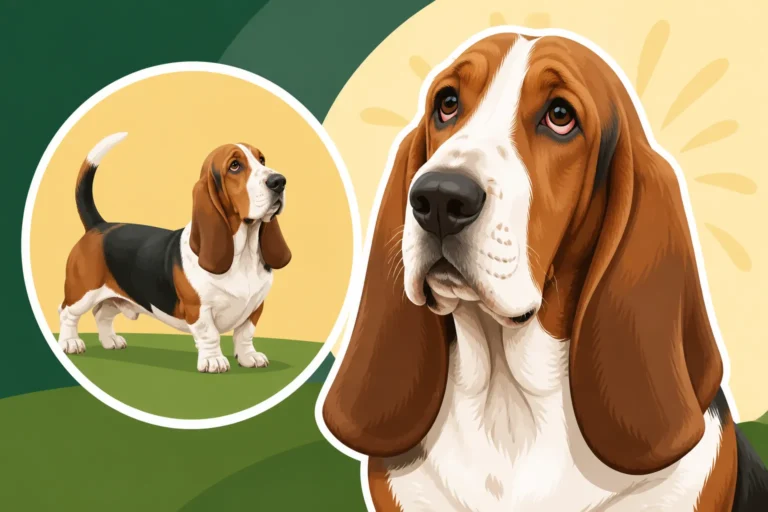
That iconic, charmingly wrinkled face of a Basset Hound is instantly recognizable, but sometimes, as owners, we look at all those adorable folds and wonder, "Are they just for looks, or do they actually do something?" It's a common question, especially when you're diligently wiping them down or noticing how they sag and sway. This guide will dive deep into the fascinating world of Basset Hound wrinkles, exploring their historical purpose, their modern-day implications, and how best to care for these unique features.
The Ancestral Design: Wrinkles for Scent Work
When you gaze at a Basset Hound, it's clear they were designed for a specific job: scent tracking. Every feature, from their low-slung body to their impossibly long ears, plays a role in enhancing their legendary sense of smell. Those abundant wrinkles and loose skin are no exception; they are an integral part of this incredible olfactory machine. It's easy to dismiss them as just "cute," but centuries of selective breeding honed these dogs into supreme scent hounds, and their skin was a key component.
Trapping and Directing Scent
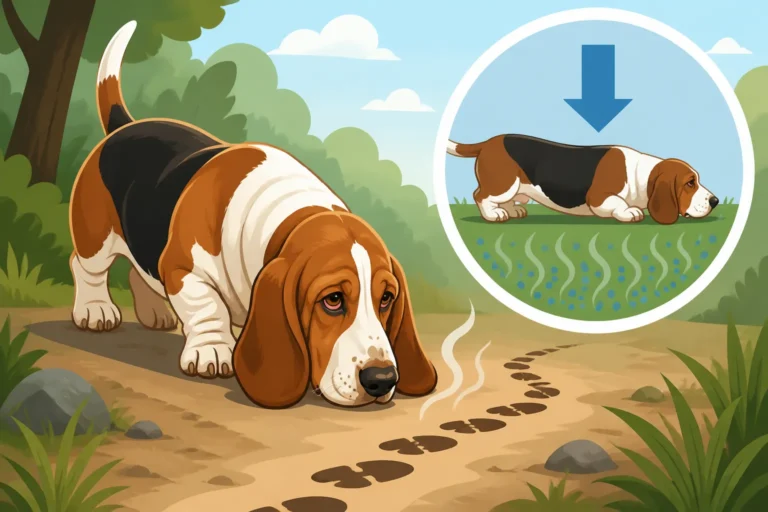
Imagine a Basset Hound trailing a scent across a field. As their magnificent head hangs low, close to the ground, those loose folds of skin, particularly around the neck and muzzle, work like an ingenious funnel. The term for this loose skin around the neck is a "dewlap," and it's not just for show. As the Basset moves, the dewlap and other facial wrinkles drag along the ground, stirring up scent particles and preventing them from dissipating too quickly into the air. This essentially creates a personal, localized scent cloud that the dog can then meticulously investigate. It's a fantastic adaptation that ensures they don't miss a single whiff of their quarry.
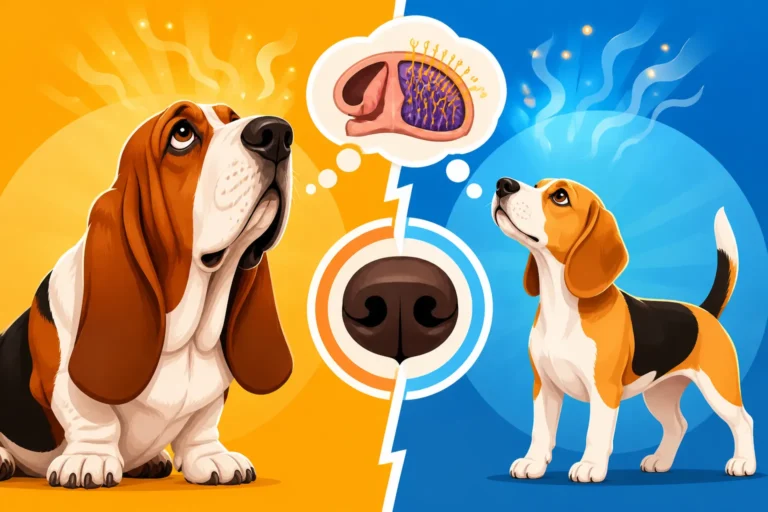
Their long, pendulous ears further enhance this effect. While not technically "wrinkles," the heavy leathers of a Basset Hound's ears serve a similar function to the skin folds. They sweep the ground as the dog tracks, literally pushing scent towards their nose. This combined action of the dewlap, facial wrinkles, and ears creates an almost self-contained scent bubble, intensifying the trail for the dog. If you've ever seen a Basset Hound working, nose to the ground, you can almost visualize this invisible scent funnel at work, a testament to their incredible design. It's no wonder that a Basset Hound's nose is often said to be second only to a Bloodhound's, and these physical features are a huge part of that success. For more on this, you might find Whether a Basset Hound's Loose Skin Traps Scent interesting.
Protection from the Elements and Undergrowth
Beyond pure scent enhancement, the loose, wrinkled skin of a Basset Hound also offered a degree of protection during their working lives. When a Basset Hound was plunging through thick brambles, dense undergrowth, or rough terrain in pursuit of a rabbit or other small game, that extra layer of skin acted like a natural, cushioned armor. Instead of delicate skin tearing on thorns or sharp twigs, the loose folds might absorb some of the impact or allow the outer layer to be scratched without damaging vital underlying tissues.
Think of it like a loose-fitting garment that catches on branches rather than pulling tightly and tearing your skin. This wasn't just about comfort; it was about durability and resilience in the field. A dog that couldn't withstand the rigors of the hunt simply wouldn't be effective. While most Basset Hounds today live much more pampered lives, traversing plush carpets rather than thorny thickets, these ancient protective qualities are still encoded in their physical form. It's a reminder of their hardy, working-class origins, even if they're now more likely to be found curled up on a sofa.
The Modern Reality: When Ancestral Traits Meet Pet Life
While those wrinkles were once a badge of honor for a working hound, in our modern pet Basset Hounds, they bring with them a unique set of care requirements and potential health concerns. What was once an advantage in the field can become a challenge in a comfortable home environment. It's a classic example of how selective breeding for specific traits can lead to unintended consequences when lifestyles change. As much as we adore their distinctive look, we also have a responsibility to understand and manage the specific needs these features create.
Trapping Dirt, Moisture, and Bacteria
The very folds designed to trap scent can, unfortunately, also become perfect little breeding grounds for less desirable things: dirt, moisture, yeast, and bacteria. Every time your Basset Hound eats, drinks, or just goes about their daily sniffing, debris can get lodged in those deep creases. Bits of food, droplets of water, or even just environmental allergens can settle into the folds, creating a warm, moist, and dark environment that is ideal for skin irritations and infections to flourish.
This is especially true around their mouth and face, where food and drool tend to accumulate. The wrinkles around their eyes can also collect discharge, leading to irritation. It's not uncommon for owners to notice a distinct, sometimes unpleasant, odor emanating from these areas if they aren't kept meticulously clean. What a Basset Hound might need daily is a quick wipe-down after meals, something you might not even consider for a smoother-faced breed. You might want to explore Cleaning a Basset Hound's Face Wrinkles for practical tips, and consider if Whether a Basset Hound Needs Wiping After Every Meal is something you need to factor into your routine.
Skin Fold Dermatitis and Other Issues
The result of this moisture and debris getting trapped can be skin fold dermatitis, also known as intertrigo. This painful condition manifests as redness, inflammation, itching, and sometimes a foul smell as bacteria or yeast take hold. It's a common frustration for Basset Hound owners, who often feel like they're constantly battling these recurring issues. This isn't just a minor annoyance; if left untreated, these infections can become severe, requiring veterinary intervention with antibiotics or antifungal medications. In some cases, chronic irritation can even lead to permanent skin changes or more widespread skin problems.
It's a stark reminder that while the wrinkles are charming, they require proactive care. Regular cleaning and drying of these areas are crucial. For some Bassets, especially those with particularly deep folds, this can be an almost daily ritual. Prevention is always better than cure, and staying on top of hygiene can save your beloved hound a lot of discomfort and you, the owner, a lot of worry and vet bills. The skin under these folds is sensitive, and catching any redness or irritation early is key. Check out Skin Fold Infections on a Basset Hound for more in-depth information.
Caring for Those Characteristic Creases
Living with a Basset Hound means embracing those adorable wrinkles, but it also means committing to a regular grooming routine that specifically addresses the needs of their unique skin. It's not a chore; it's an act of love and a vital part of keeping your Basset comfortable and healthy. Ignoring these areas can lead to significant discomfort for your dog, and nobody wants that for their floppy-eared friend.
A Consistent Cleaning Routine
The cornerstone of wrinkle care is a consistent and gentle cleaning routine. For facial and body folds, a soft, damp cloth or a pet-specific cleansing wipe is usually sufficient for daily maintenance. After cleaning, it's absolutely critical to dry the folds thoroughly. Leaving any moisture behind creates that perfect breeding ground for bacteria and yeast. You can use a clean, dry cloth, or even a low setting on a hairdryer (held at a safe distance) if your dog tolerates it.
When cleaning, gently pull the folds apart to get into the deepest crevices. Pay close attention to the wrinkles around the muzzle, under the chin, and any folds on their chest or along their flank. A good quality, unscented pet wipe, like those you can easily find on Chewy, can make this task much simpler and more effective. For their ears, which are also prone to infections due to their length and floppy nature, a separate ear-cleaning routine is essential. You might be surprised to learn how many times a week a Basset Hound's ears need flushing, and you can learn more about that in How Often a Basset Hound's Ears Must Be Cleaned.
Choosing the Right Products
Selecting the right products for cleaning your Basset Hound's wrinkles is key. Avoid harsh soaps, human wipes, or anything with strong perfumes, as these can irritate their sensitive skin. Look for pet-specific cleansers that are pH-balanced and designed for sensitive skin. Your veterinarian can offer recommendations, especially if your Basset Hound is prone to recurring skin issues. Sometimes, a medicated wipe or a gentle antiseptic solution might be recommended if there's a history of yeast or bacterial infections.
For daily cleaning, a simple saline solution or a gentle, veterinary-approved cleanser can work wonders. Many owners find success with wipes that contain ingredients like chlorhexidine or ketoconazole if yeast is a persistent problem. Remember, the goal isn't just to clean, but to maintain a healthy skin barrier. Products specifically formulated for dogs are designed with their skin's unique pH and sensitivities in mind. Ordering these specialized items from online retailers like Chewy can be convenient, ensuring you always have what you need on hand.
When to Seek Veterinary Advice
Despite your best efforts, sometimes skin issues can flare up. It's important to recognize the signs that your Basset Hound needs veterinary attention. If you notice persistent redness, swelling, increased odor, discharge (especially pus or blood), excessive scratching or licking of the folds, or if your dog seems painful when the area is touched, it's time to call your vet. These can all be indicators of an infection that requires professional diagnosis and treatment.
Don't try to self-diagnose or treat severe skin fold infections with over-the-counter products without veterinary guidance. Early intervention can prevent more serious complications and provide your Basset Hound with much-needed relief. Your vet might take a swab for cytology or culture to determine the exact type of bacteria or yeast involved, allowing them to prescribe the most effective medication. It's all part of the commitment we make to our furry family members, ensuring their unique features don't lead to unnecessary suffering. Understanding The Skin Under a Basset Hound's Folds can help you spot issues early.
The Basset Hound's Unique Anatomy: More Than Just Wrinkles
While we've focused on the wrinkles, it's worth remembering that these folds are part of a larger anatomical picture, meticulously shaped over centuries for a very specific purpose. The entire build of a Basset Hound, from the top of their dome-shaped skull to the tip of their high-set tail, contributes to their prowess as a scent hound. The wrinkles are just one fascinating piece of that intricate puzzle.
The Low-Slung Body and Heavy Bone
The Basset Hound's extremely low-slung body, with its short, stout legs and heavy bone structure, keeps their nose close to the ground. This isn't an accident or a "design flaw"; it's a deliberate feature. Being low to the ground means their nose is constantly in the optimal position to pick up ground-level scents, which is exactly where the scent trail of small game would be strongest. This low stature works in tandem with their dewlap and long ears, creating that powerful scenting advantage.
This unique conformation, while perfect for trailing, does come with its own set of considerations for owners, especially regarding their back health and joint care. Just like their wrinkles need specific attention, their skeletal structure requires mindful living to prevent issues down the line. For example, understanding Whether a Basset Hound Should Jump Off Furniture is crucial for protecting their unique back.
The Long, Trailing Ears and Dewlap
We've touched on the ears and dewlap, but it bears repeating just how critical they are to the Basset Hound's scenting ability. The ears don't just sweep scent; their large surface area and heavy folds also help to prevent external noises from interfering with the dog's concentration on a scent. It's like having built-in earmuffs that allow them to focus solely on the olfactory world.
The dewlap, that majestic fold of skin under the chin, not only helps gather scent but also retains it, creating a more persistent scent cone that allows the Basset to work a trail with unparalleled dedication. These features are not just charming; they are truly functional marvels of canine evolution, even if they occasionally get dipped in the water bowl! Understanding how to keep those ears healthy is vital, and you can find out more in How to Clean a Basset Hound's Ears Properly.
Embracing the Basset Hound’s Design
Ultimately, the wrinkles and loose skin of a Basset Hound are a beautiful, functional part of their heritage. They tell a story of centuries of dedicated breeding, of hounds that moved slowly but with unwavering determination through the French countryside, following faint scent trails. While their role in today's domestic setting might require a little more care and attention from us, it's a small price to pay for the joy these unique dogs bring into our lives.
By understanding the historical purpose of their wrinkles, we can appreciate the ingenuity of their design and commit to providing the best possible care for these iconic features. It's a commitment to their health and well-being, ensuring that these charming folds remain a source of adoration, not irritation. After all, what would a Basset be without those wonderful, purposeful wrinkles?
Remember, every Basset Hound is an individual, and some may have deeper, more numerous folds than others. This means the intensity of your cleaning routine might vary. Always consult your veterinarian if you have concerns about your Basset's skin or if you're unsure about the best cleaning products or techniques. They are your best resource for tailored advice.
| Wrinkle Feature | Historical Purpose (Working Dog) | Modern Reality (Pet Dog) | Care Implication |
|---|---|---|---|
| Dewlap/Neck Folds | Traps and funnels scent particles towards the nose. | Can trap food, drool, moisture; prone to skin fold dermatitis. | Regular cleaning and thorough drying, especially after meals. |
| Facial Wrinkles | Helps stir up ground scent; minor protection from brush. | Accumulates food, eye discharge; susceptible to irritation. | Daily gentle wiping with pet-safe wipes, ensuring folds are kept dry. |
| Long Ears | Sweeps scent towards the nose; blocks distracting sounds. | Prone to ear infections (yeast/bacteria); can drag in food/water. | Regular ear cleaning, checking for moisture, lifting ears during meals if needed. |
| Loose Body Skin | Provides minor protection from brush and thorns. | Can be prone to general skin issues, requires regular grooming. | Brushing to remove shedding hair, checking for skin irritations during baths. |
Disclaimer
This article is for general informational purposes only and does not constitute professional advice. Laws, prices and regulations vary by location and change over time. Consult a qualified professional for guidance on your specific situation.