Whether a Basset Hound’s Bone Is Heavier Than It Looks
A common surprise for new Basset Hound owners is just how heavy these low-slung dogs feel when you try to pick them up. You see their short legs and stocky frame and think, "Oh, they can't be that much," but then you lift them, and it's like trying to hoist a furry, disgruntled sack of potatoes. It's a question many ask: is a Basset Hound's bone truly heavier than it looks? This guide will dive deep into the fascinating anatomy of these lovable hounds, explore why they feel so substantial, and offer practical advice for caring for their unique build.
The Unique Skeletal Foundation of a Basset Hound
It's easy to look at a Basset Hound with its incredibly short legs and assume it's a small or at least a light dog. Many people are utterly floored the first time they try to lift one, expecting something manageable and instead encountering a solid, unyielding mass. The truth is, Basset Hounds are built with a bone structure that is far denser and more substantial than their overall height might suggest. This isn't just about fat or muscle; it's about the very material their skeleton is made of. Their bones are thick and robust, a testament to their working origins, designed for endurance rather than speed.
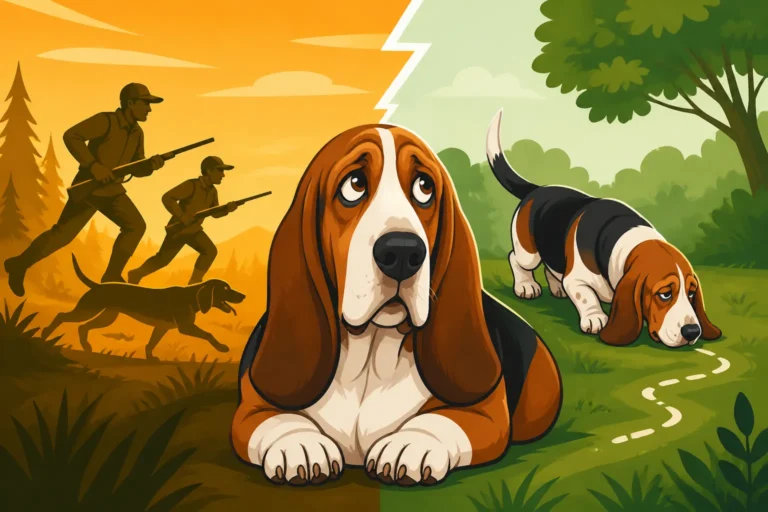
This inherent density isn't a random quirk; it's fundamental to their breed purpose. Basset Hounds were originally bred to track scent trails low to the ground, allowing hunters on foot to keep pace. Their heavy build helps to anchor them, preventing them from being easily deflected by brush or uneven terrain as they methodically follow a scent. This solid foundation provides stability, giving them the unwavering focus needed for their unique hunting style.
Beyond their short legs, a Basset Hound’s deep chest and well-sprung ribs also contribute significantly to their overall "heft." Even when they are at a perfectly healthy weight, their broad, barrel-like ribcage adds to their impressive volume. This internal density, combined with their long, low body, creates a dog that feels incredibly substantial, giving you the sense that you're holding something truly solid and well-built, rather than delicate.
Their ancestry as tireless scent hounds meant they needed a frame that could withstand long hours of work. A delicate bone structure simply wouldn't have served their purpose. So, while their short stature might lead one to expect a lighter dog, their dense bone and sturdy frame are precisely what allowed their ancestors to excel in the field.
More Than Just Short Legs: The Bone Structure Beneath
When you talk about a Basset Hound's structure, you're really talking about a masterpiece of specialized breeding. These dogs are a classic example of achondroplasia, a genetic condition that results in disproportionately short limbs. But don't confuse "short" with "lightweight" or "delicate." Quite the opposite, in fact. Their leg bones, despite being abbreviated, are remarkably thick and heavy for their size. Imagine a sturdy oak branch that's been trimmed short – it still carries all the density and weight of the full branch, just condensed.
This unique bone structure, often visible in their slightly bowed front legs, isn't just about appearances; it's functional. It allows them to carry their substantial body weight close to the ground, giving them an incredibly low center of gravity. This stability is crucial for navigating rough terrain while keeping their nose glued to a scent trail. It's an engineering marvel of the canine world, built for purpose, not for grace.
The thickness of their bone, often referred to as "good bone" in canine circles, is a highly valued trait by reputable breeders. It speaks to the robustness of the dog and its ability to withstand the rigors of its intended work, even if that work today is mostly just napping on the sofa. This density means that even a lean Basset Hound will feel much heavier than a comparably sized (in height) dog of a different breed with finer bone. It’s truly a case of "what you see is not what you get" in terms of perceived versus actual weight.
When you feel along their legs, you'll notice the breadth of their joints and the thickness of the bones themselves. It’s this underlying skeletal mass that contributes so much to the feeling of a Basset Hound being surprisingly heavy. It's not just loose skin, which they have in abundance, or extra fat, though that's always a concern; it's a fundamental part of their physical make-up.
The "Heavy Bone" Standard: What It Really Means
In the specific terminology of dog breeding and conformation, "heavy bone" isn't just a casual observation; it's a recognized and often desired characteristic, particularly for breeds like the Basset Hound. It refers to a substantial, dense skeletal structure, characterized by thick bones and well-developed joints. For the Basset, this is a defining feature outlined in their breed standard, meaning it's what judges and breeders look for as a sign of a well-bred, typey hound.
This "heavy bone" is directly linked to their working heritage. A dog with delicate, fine bones would simply not have the stamina or physical resilience to spend hours tracking across varied terrain. The robust bone structure provides the necessary strength and durability. So, when a breeder talks about a Basset having "good bone," they are referring to this desirable quality of density and substance, not necessarily the overall size of the dog.
It's crucial to understand that "heavy bone" is distinct from a dog being overweight. A Basset Hound at its ideal body condition, with a visible waist and palpable ribs (even under that wonderful loose skin), will still possess this inherent skeletal weight. It's a core component of their physical makeup, ensuring they have the sturdy foundation required for their breed. It's this very trait that contributes to the common surprise experienced by owners who try to pick up a Basset for the first time.
This characteristic helps explain Why a Basset Hound Weighs as Much as a Labrador. While a Labrador is significantly taller and generally perceived as a larger dog, a Basset Hound's concentrated density and substantial bone structure allow them to tip the scales similarly. It's a fascinating illustration of how different breeds can achieve similar weights through vastly different physical blueprints.
The Misconception of Size vs. Substance
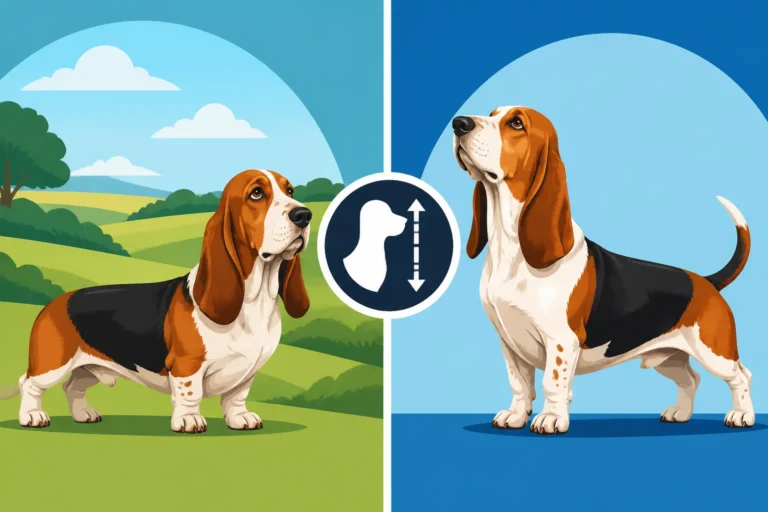
The Basset Hound's short stature is undeniably one of its most charming and recognizable features. However, it's also the source of one of the biggest misconceptions about the breed: their actual physical substance. Many people glance at those stubby legs and immediately categorize them mentally as a "medium" or even "small" dog. This visual shorthand is often wildly inaccurate when it comes to their true weight and overall bulk. The reality is that Bassets are essentially a large dog on short legs, and their weight is condensed into a surprisingly dense package.
Think about it: while their legs might be only a foot or so tall, their body length is considerable, and their chests are surprisingly deep and wide. This means a significant amount of weight is distributed horizontally and low to the ground. When you go to lift a Basset Hound, you're not just lifting a compact bundle; you're attempting to hoist a long, low, and incredibly dense mass. The way their weight is carried, combined with their sometimes reluctant cooperation, makes them feel even heavier and more awkward to maneuver than their actual scale weight might indicate.
Adding to this illusion is their abundant loose skin and prominent dewlap. These wonderful characteristics, while essential for trapping scent and protecting their neck, also add to their perceived volume. They look like there's "more dog" to them than there might be to a taut-skinned breed of similar weight. It’s all part of the charming, slightly exaggerated Basset Hound silhouette, but it definitely plays into the feeling that you're picking up something far more substantial than you'd expect.
So, the feeling of immense weight isn't just in your head. It's a combination of their compact, heavy bone structure, their long body, deep chest, and the unique distribution of their mass. It’s a testament to their specialized design and a common "welcome to Basset ownership" experience for many new guardians.
Why a Basset Hound Feels Heavier Than You Expect
The sheer act of lifting a Basset Hound can be a real eye-opener. Their low-slung, substantial bodies defy initial expectations. You might imagine cradling a dog whose weight matches its height, but a Basset quickly disproves that theory. One moment you're reaching down, the next you're grunting with effort, realizing you've significantly underestimated the task. This often leads owners to wonder if their Basset is secretly made of lead!
Part of this surprising heft comes from their low center of gravity. When you lift a taller dog, their weight is distributed over a larger vertical plane, making it sometimes easier to get leverage. With a Basset, all that density is packed close to the ground. This means you have to overcome their inertia and lift a solid block of dog straight up, often from an awkward bending position. Their long backs also make them less amenable to being curled up for a lift, requiring more support from you.
Then there's the long body. While their legs are short, a Basset Hound's body is quite lengthy, adding to the overall mass. When you combine this elongated frame with their deep chest and dense bone, you get a significant amount of weight compressed into a short package. It's a bit like trying to lift a very full, very heavy suitcase that's been designed to fit under an airplane seat – compact, but surprisingly weighty.
And let's not forget the Basset's often serene, unhurried demeanor. Sometimes, when you try to lift them, they simply go limp or subtly brace themselves, adding to the sensation that you're moving an immovable object. It's not always intentional resistance, but rather a relaxed approach to being handled that can make them feel even more like a dead weight. This unique combination of physical attributes and temperament contributes heavily to the perception that a Basset Hound is significantly heavier than they appear.
Impact on Mobility and Perceived Laziness
Their heavy bone and substantial build, while serving a purpose for scent work, don't exactly lend themselves to being canine athletes. A Basset Hound's gait is typically slow and deliberate, a steady plod rather than a sprightly trot. This measured pace is often misinterpreted as laziness by those unfamiliar with the breed. It's easy to assume that because they move slowly, they are simply unwilling to exert themselves, but often it's a reflection of their physical design.
Their unique structure, including The Crooked Front a Basset Hound Is Built On, means they are not designed for high-impact activities, jumping, or rapid changes in direction. Their heavy bodies and short legs mean every movement requires more effort, and their joints bear a considerable load. Pushing them into strenuous exercise beyond their natural capabilities can quickly lead to discomfort or injury, especially in their elbows, hips, or spine. This heavy build, while sturdy, requires careful management to prevent strain.
This inherent physical limitation means that a Basset Hound's exercise regimen needs to be tailored to their capabilities. Instead of long, fast runs, they thrive on steady, moderate walks where they can follow their incredible noses. These activities engage their minds and bodies without putting excessive stress on their joints. The perception of laziness often comes from expecting them to move like a Border Collie or a Jack Russell, when their physical structure dictates a much different rhythm.
Furthermore, carrying any What Extra Weight Does to a Basset Hound compounds these mobility challenges exponentially. An overweight Basset will struggle even more to move, putting immense strain on their already heavily loaded joints and spine. Understanding their unique build helps owners appreciate their natural pace and avoid pushing them into activities that are simply not suitable for their strong, dense frame.
Comparing Bone Density: Bassets vs. Other Breeds
When we talk about "heavy bone" in Basset Hounds, it's helpful to put it into context by comparing them to other dog breeds. This isn't a unique trait to Bassets, but they certainly exemplify it in a way that often surprises people because of their short stature. Many powerful breeds, designed for strength, endurance, or protection, also possess heavy bone. Think of the substantial feel of a Mastiff, a Rottweiler, or even a well-built American Staffordshire Terrier. These breeds are characterized by thick, dense skeletal structures that provide a strong foundation for their musculature and overall power.
Conversely, consider breeds known for their "light bone" or "fine bone." Whippets, Greyhounds, and Italian Greyhounds, for example, are built for speed and agility. Their bones are much more slender and delicate, designed to minimize weight and maximize aerodynamic efficiency. Their entire physiology is geared towards explosive bursts of speed. The contrast between these finely-boned sprinters and the robust, heavily-boned Basset couldn't be starker, highlighting the Basset's fundamentally different evolutionary purpose.
This comparison helps to solidify the understanding that a Basset Hound's surprising weight isn't an anomaly or a sign of being overweight in itself, but rather a characteristic shared with other substantial, sturdy breeds. The difference is that the Basset's heavy bone is concentrated in a much shorter package, making the contrast between their perceived size and actual weight even more pronounced. It's a deliberate design choice that has been maintained and celebrated within the breed standard for generations, indicating a strong, healthy hound.
Many breeders across various robust breeds consciously strive for "good bone" because it signifies a solid, well-constructed animal, less prone to certain types of fragility. It’s seen as a foundation of health and strength. For Basset Hounds, this emphasis on heavy bone has been integral to their development, ensuring they could perform their duties as tireless, ground-hugging scent hounds.
A Look at Other Breeds with "Heavy Bone"
It's easy to think of the Basset Hound as uniquely dense because of their disproportionately short legs. However, they share the trait of "heavy bone" with a fascinating array of other breeds, all bred for different purposes, but united by the need for substance and strength. Take the Bulldog, for example; a truly stout and compact breed where massive bone structure is paramount. Or the Bernese Mountain Dog, a powerful draft breed that needs heavy bone to support its large frame and pull carts. Even certain lines of Golden Retrievers, particularly those bred for conformation, will exhibit "good bone" as a sign of their breed type and robust health.
The presence of heavy bone in these diverse breeds underscores its importance in canine physiology. It often indicates a dog designed for power, endurance, or stability, rather than speed or extreme agility. These are breeds that can stand their ground, apply force, or work tirelessly over long periods. While the Basset Hound applies this heavy bone to ground-level scent work, a Mastiff applies it to guarding, and a Bernese to pulling. The underlying principle of a strong, dense skeletal foundation remains the same.
Understanding this broader context helps us appreciate the Basset Hound's build not as an oddity, but as a specific, functional adaptation. It's a deliberate characteristic that has been preserved and even enhanced through selective breeding, ensuring that these hounds retain the physical qualities necessary for their ancestral roles. So, while your Basset might feel like a little bowling ball, they're in good company with many other wonderfully substantial dogs!
This breed characteristic is often discussed when evaluating a dog's overall soundness and adherence to its breed standard. Good, heavy bone is rarely seen as a flaw in breeds where robustness is a key trait; instead, it's celebrated as a mark of quality.
What Bone Density Means for Health and Care
While the Basset Hound's heavy bone structure certainly contributes to their robust appearance and working capability, it also brings with it specific considerations for their health and long-term care. This isn't to say it's a negative trait, but rather one that requires an owner's informed attention. The sheer mass and density mean that their joints, in particular, bear a considerable load, making them predisposed to certain orthopedic conditions.
Conditions like Elbow Dysplasia in a Basset Hound and Whether a Basset Hound Gets Hip Dysplasia are often seen in breeds with substantial bone and rapid growth rates. The heavy impact on these joints over a lifetime, coupled with the Basset’s unique conformation, means that proactive care from a young age is incredibly important. This isn't just about weight management (though that's crucial), but also about supporting the structural integrity of their skeletal system itself.
Furthermore, their long, heavy bodies, supported by those short, dense legs, place significant strain on their spine. This makes The Back Trouble a Basset Hound Is Built Into a very real concern for Basset owners. Intervertebral Disc Disease (IVDD) can be exacerbated by their body shape and the constant gravitational pull on their discs. Therefore, owners must be vigilant about preventing injuries and supporting spinal health throughout their dog's life.
This emphasis on bone density means that nutrition and appropriate supplementation play a vital role. Discuss with your veterinarian about joint-supporting supplements such as glucosamine, chondroitin, and Omega-3 fatty acids, which can be found in many reputable brands available on platforms like Chewy. These can help maintain cartilage health and reduce inflammation. Ultimately, understanding what heavy bone means for a Basset's health allows owners to provide the best possible preventative and supportive care, ensuring their beloved hound lives a comfortable and active life.
Living with a Sturdy Hound: Practical Considerations
Owning a Basset Hound is an absolute joy, but it also comes with a unique set of practical considerations, largely due to their incredibly sturdy and dense build. That feeling of picking up a furry bowling ball isn't just a quirk; it influences everything from how you lift them to the kind of bedding you choose. It's about recognizing that their physical structure, while charming and functional for their original purpose, requires thoughtful management in a modern home environment.
The sheer weight and specific body proportions of a Basset Hound mean you can't just treat them like any other dog. Their long backs are vulnerable, and their joints are constantly under pressure. This translates into a need for mindful handling, smart home modifications, and a dedicated approach to their overall physical well-being. It's not about pampering them excessively, but about making sensible choices that protect their unique anatomy and ensure their comfort and longevity.
From carefully planning their exercise routines to choosing the right food and supplements, every decision can impact their quality of life. Embracing the reality of their "heavy bone" is key to being a responsible and empathetic Basset owner. It's a commitment to understanding their physical needs and adapting your lifestyle to accommodate them, ensuring they can enjoy many happy years waddling by your side.
This involves being proactive, not just reactive, to potential health issues that their build might predispose them to. It's about setting them up for success in a world that wasn't necessarily designed for a low-riding, heavy-boned scent hound.
Safe Handling and Lifting Techniques
Given their impressive weight-to-height ratio and long, vulnerable backs, knowing how to lift a Basset Hound correctly is paramount. Many new owners learn this the hard way, either by straining their own back or by inadvertently putting their dog at risk. A careless lift can easily cause injury, particularly to their sensitive spine, which is already under significant pressure due to their conformation.
The golden rule for lifting a Basset is to support their entire body, keeping their back as straight as possible. This usually means using both hands: one arm should scoop under their chest, supporting their ribcage, while the other arm supports their hindquarters. Avoid lifting them solely by the front legs, as this puts immense strain on their spine and shoulder joints. Similarly, never let their hindquarters dangle unsupported. It’s a two-person job if your Basset is particularly large or uncooperative, or if you have any doubts about your own strength.
Beyond lifting, actively teach your Basset to use ramps or doggy steps, especially for getting onto and off furniture or into a vehicle. Their heavy bodies and short legs mean that jumping, even from what seems like a small height, can put considerable concussive stress on their joints and spine. This is especially true for young pups whose growth plates are still open, and for The Old Basset Hound That Cannot Get Off the Floor, whose joints may already be stiff. You can find a great selection of sturdy, well-designed ramps and steps on Chewy, which can make a huge difference in protecting their back and joints.
When traveling in a car, always secure your Basset in a crash-tested harness or a secure crate. Their dense weight means they can become a dangerous projectile in a sudden stop or accident, not to mention the risk of injury to themselves if they're not properly restrained. Investing in proper safety equipment is another non-negotiable aspect of caring for a heavily built hound.
Supporting Joint Health in a Heavily Built Dog
With their dense bones and substantial bodies, a Basset Hound’s joints are constantly working overtime. This makes joint health a lifelong priority, not just something to consider in their senior years. Proactive measures can significantly improve their comfort and mobility, helping to ward off or manage conditions like arthritis, which are unfortunately common in heavily built breeds.
Maintaining a lean body condition is the single most impactful thing you can do. Every extra pound of fat on a Basset Hound compounds the stress on their hips, elbows, and spine. Even if they have "heavy bone," being overweight takes that inherent sturdiness and turns it into a liability. Regular weight checks with your vet and precise portion control are non-negotiable.
Beyond weight, consider incorporating joint-supporting supplements into their diet, always in consultation with your veterinarian. Ingredients like glucosamine, chondroitin, and Omega-3 fatty acids are widely recognized for their benefits in maintaining cartilage health and reducing inflammation. Many high-quality brands offer these supplements, and online retailers like Chewy provide a convenient way to compare options and find what works best for your hound. Starting these supplements early can act as a preventative measure rather than a reactive one.
Finally, invest in comfortable, supportive bedding. An orthopedic bed is not a luxury; it's a necessity. These beds are designed to cradle their heavy bodies, relieve pressure points, and provide crucial support for their joints and spine during rest. A flat, hard surface offers no cushioning for their substantial frame and can exacerbate joint stiffness. Providing a soft, yet firm, place to rest can dramatically improve their comfort and help them rise more easily after a nap.
Exercise and Weight Management for a Dense Dog
It's tempting to think that a dog with such short legs doesn't need much exercise, especially when they seem content to nap for hours. However, a Basset Hound’s heavy bone and robust build actually require consistent, appropriate exercise to maintain muscle tone and support joint health. The trick is understanding what kind of exercise suits them best, rather than expecting them to be agile athletes.
Daily, moderate walks are ideal. These aren't about speed or distance, but about consistent movement and, crucially, allowing them to engage their incredible noses. Twenty to thirty minutes of sniff-walking each day is often far more beneficial than a quick sprint, as it works their bodies gently and tires their minds. Remember, Whether a Basset Hound Should Jump in Sport is almost always a resounding no – avoid activities that involve high jumps or sudden twists, as these can be devastating to their back and joints.
Weight management goes hand-in-hand with exercise. Bassets are notoriously food-motivated and can pack on pounds quickly if left unsupervised around food. Their dense bone structure means that extra fat can be harder to spot initially, as it simply adds to their already substantial feel. Regularly feeling for their ribs (you should be able to feel them easily, like knuckles under a thin blanket, even under their loose skin) and monitoring their waistline from above are better indicators of their condition than simply relying on scale weight alone. Keeping a Basset Hound at Its Correct Weight is arguably the single most important thing you can do for their long-term health.
Portion control and the right diet are paramount. Work with your veterinarian to determine the correct caloric intake for your Basset's age, activity level, and body condition. Don't fall for those puppy-dog eyes that tell you they're starving! Using slow-feeder bowls, scattering kibble for them to "hunt," or offering healthy, low-calorie treats can help satisfy their food drive without overfeeding. A well-managed diet, combined with appropriate exercise, will ensure your heavily-boned Basset remains healthy and happy for years to come.
Comparison of Basset Hound Characteristics
Understanding a Basset Hound's unique physical traits helps in providing the best care. Here's a look at common perceptions versus the reality of their dense build:
| Characteristic | Common Perception (based on short stature) | Reality (due to heavy bone/dense build) | Implications for Owners |
|---|---|---|---|
| Overall Weight | Moderate, easy to lift, small dog weight | Surprisingly heavy, dense, concentrated mass | Requires proper, supportive lifting techniques; ramps for furniture/car |
| Activity Level | Lazy, slow, doesn't need much exercise | Deliberate, enduring, prone to joint and back stress | Needs consistent, moderate nose-work walks; avoid high-impact activities |
| Body Shape | Short, stubby, perhaps chubby | Long body, deep chest, well-sprung ribs, substantial | Prone to intervertebral disc disease; importance of spinal care and support |
| Bone Structure | Short limbs, delicate, fine | Thick, heavy, dense bone (achondroplastic) | Robust but puts significant stress on joints; consider joint supplements |
| Health Risks | General dog health issues | Predisposition to joint dysplasia (elbow/hip), back issues, and obesity-related problems | Proactive joint care, strict weight management, regular vet check-ups crucial |
Disclaimer
This article is for general informational purposes only and does not constitute professional advice. Laws, prices and regulations vary by location and change over time. Consult a qualified professional for guidance on your specific situation.