Whether a Griffon Basset Is the Same Breed
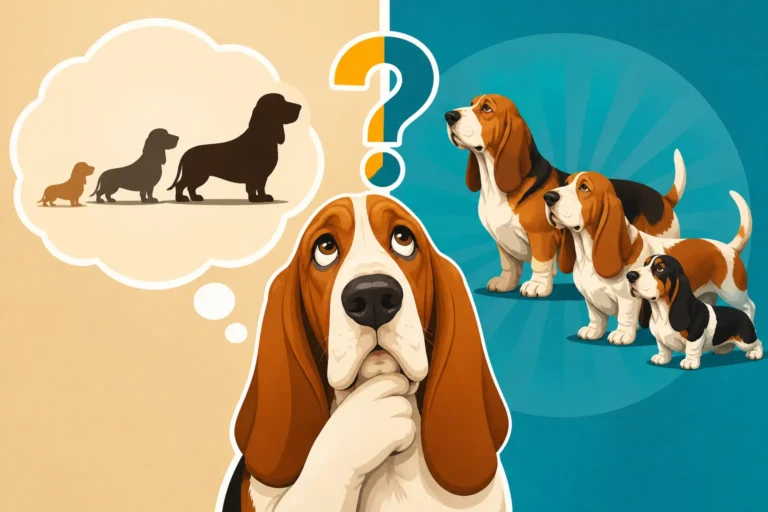
A dog described as a “Griffon Basset” may look like a Basset Hound at first glance, but the name can point to a different breed altogether. The word basset describes a low-set hound, not one single breed. This guide explains what people usually mean by Griffon Basset, how these dogs differ, and what to check before choosing or identifying one.
Is a Griffon Basset the same breed as a Basset Hound
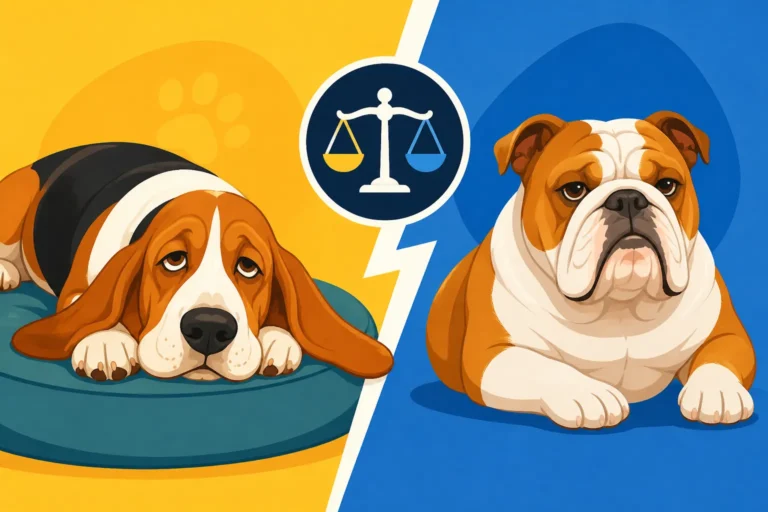
No. A Griffon Basset is not simply another name for a Basset Hound. The phrase often refers to a Basset Griffon Vendéen, a French scent hound with a rough, wiry coat. Basset Hounds are a separate breed, also a scent hound, but generally heavier, longer in the body, and smooth-coated.
The shared word can make the distinction confusing. Both breeds have “basset” in their names because they are low-set hounds, but they have different breed histories and appearances. For background on the name, see Why the Word Basset Just Means Low.
What people mean by Griffon Basset
“Griffon Basset” is often used as shorthand for a Basset Griffon Vendéen, but it is not the clearest full breed name. The Basset Griffon Vendéen comes in two varieties: the Petit Basset Griffon Vendéen, usually called the PBGV, and the Grand Basset Griffon Vendéen, often called the GBGV. They are related French hounds, but each is distinct from the Basset Hound.
The word griffon refers to a rough or wiry coat, which is a useful clue when you are trying to work out which dog someone means. A PBGV typically has a shaggy, bristly-looking coat and a lively, agile appearance. A Basset Hound usually has a short, smooth coat, a heavier build, and very loose skin around the face and neck.
The wording can be muddled in online listings, casual conversation, and even family stories about a dog’s ancestry. If someone says their dog is a “Griffon Basset,” ask for the full breed name or registration details rather than assuming they mean a Basset Hound. If the dog is a mix, the name may be an informal description rather than a recognized breed label.
Why the word basset appears in both names
Basset comes from a French word meaning low. It describes a type of hound with short legs relative to its body, rather than identifying one particular breed. Several French hounds have “basset” in their names, and they are not all the same dog.
That shared low-set shape reflects their work as scent hounds. Dogs bred to follow a trail at a pace people could keep up with did not need the same build as a taller, faster-running hound. But breeds can share a broad purpose and still differ substantially in their coat, proportions, temperament, and care needs. For more on the broader family history, see The Abbey Hounds a Basset Hound Descends From and Why French Hunters Wanted a Slow Hound.
A useful way to think about it is that basset tells you something about the dog’s stature, while the rest of the name tells you which breed or type is being discussed. The Basset Hound and the Basset Griffon Vendéen are both low-set scent hounds, but that does not make them interchangeable names for one breed.
How a Basset Griffon Vendéen differs from a Basset Hound
The easiest differences to spot are coat and build. A PBGV is usually a smaller, rough-coated hound with an alert, brisk outline. A Basset Hound is generally more substantial, with a smoother coat, longer ears, and a lower, heavier-looking body. The GBGV is larger than the Petit variety, but it is still not a Basset Hound.
Individual dogs vary, and a puppy or mixed-breed dog may not fit a neat visual description. Still, these traits can help you ask better questions when you are meeting a dog or trying to identify one from a photo.
| Feature | Basset Hound | Petit Basset Griffon Vendéen | Grand Basset Griffon Vendéen |
|---|---|---|---|
| Coat | Short and smooth | Rough and wiry | Rough and wiry |
| General build | Heavy-boned and long-bodied | Smaller, compact, and agile-looking | Larger than the Petit variety, with a more substantial outline |
| Ears | Very long and low-hanging | Drooping, but typically not as conspicuously long | Drooping |
| Breed identity | A distinct breed | A distinct breed | A distinct breed |
| Common naming confusion | Sometimes mistaken for other low-set hounds | Sometimes shortened to “Griffon Basset” | Sometimes shortened to “Griffon Basset” |
Coat, ears, and overall shape
A Basset Hound’s smooth coat is one of the quickest visual clues. Its ears are notably long and hang close to the head, while the dog’s heavy frame and loose skin give it the familiar low-slung appearance. The PBGV’s coat, by contrast, is rough and tousled, and its body generally looks more nimble than a Basset Hound’s.
Ears alone are not a reliable breed test. Both dogs have drop ears, and photographs can make a dog look longer-eared or shorter-legged depending on the angle. Look at several features together: coat texture, body proportions, head shape, and the dog’s documented breed information.
There are also other low-set French hounds, including the Basset Fauve de Bretagne. That breed is separate from both the Basset Hound and the Basset Griffon Vendéen. If you are comparing dogs, The Colors a Basset Hound Comes In can help explain Basset Hound coat patterns, while The Split Between Show and Hunting Basset Hounds covers variation within the Basset Hound breed itself.
Size is not the only difference
The names Petit and Grand can suggest that the two Basset Griffon Vendéen varieties are simply small and large versions of a Basset Hound. They are not. The Petit and Grand are varieties of the Basset Griffon Vendéen, while the Basset Hound is a different breed. Their physical outlines and coats reflect different breed types, not just a difference in height.
A dog’s apparent size can also be misleading. A Basset Hound may look shorter than expected because of its low legs, yet its body is heavy and substantial. A PBGV can look taller or more athletic in comparison because of its lighter outline and rough coat. When evaluating a dog, use its full breed description and background rather than relying on a quick size comparison.
If you are considering a puppy, ask the breeder which breed and variety the litter belongs to, and request the relevant records. A responsible seller should be able to explain the parents’ breed identities and provide documentation that matches the description. You can also read What Basset Hound Owners Wish They Had Known for practical questions to consider before bringing home a Basset Hound.
Temperament and care are not identical
All three dogs are scent hounds, so nose-led behavior is a reasonable expectation. A fascinating smell can be more compelling than a person calling from across the yard. That does not mean every dog behaves the same way, or that one breed is automatically easier to live with. Training, socialization, exercise, and individual temperament matter.
Before choosing between a Basset Hound and a Basset Griffon Vendéen, consider what daily life with a scent hound actually looks like. A dog may be affectionate and charming at home while still following a trail with intense focus outdoors. Secure handling and consistent routines matter more than assuming a breed name guarantees an easy recall.
Shared scent-hound instincts
Both breeds were developed as hunting hounds and may show curiosity about scent trails. On a walk, a dog may stop frequently to investigate a hedge, patch of grass, or interesting track. It can feel as if the dog has suddenly stopped listening, but the nose may simply have taken over.
That makes leash skills and secure outdoor spaces important. A fenced yard should be checked for gaps, and an open area is not a safe place to test recall without careful preparation. For a deeper look at scent-led behavior, see Why a Basset Hound Stops Hearing You When It Smells Something and The Recall a Basset Hound Will Never Reliably Give You.
The details of exercise and training should suit the individual dog. A PBGV may seem more energetic or quick-moving than a Basset Hound, but both need appropriate activity and enrichment. Scent games, short training sessions, and supervised opportunities to explore can help give a hound’s nose a job without relying on risky off-leash freedom.
Different coat routines and everyday upkeep
A Basset Hound’s short coat still sheds and needs routine care. Its long ears, skin folds, and overall body shape can also make regular checks important. A Basset Griffon Vendéen’s wiry coat has different grooming needs, and owners should ask a knowledgeable groomer or breeder how to maintain its texture and prevent tangles.
The day-to-day supplies may overlap, but the care routine does not match exactly. A brush appropriate for a smooth-coated hound may not be the best choice for a rough coat. If you are shopping for grooming tools through a retailer such as Chewy, check that the product is suited to the dog’s coat type rather than choosing only by breed name.
For Basset Hound-specific care, The Short Basset Hound Coat That Still Sheds Everywhere and The Twelve Inch Ears a Basset Hound Was Given on Purpose offer more detail on two noticeable features. For a Griffon Basset, ask the breeder how often the coat should be brushed or professionally maintained, and what signs of skin irritation or matting to watch for. A retailer such as Chewy may be one place to compare basic grooming supplies, but product choice should follow the dog’s actual coat and your groomer’s guidance.
How to identify a dog or choose the right breed
If you are trying to identify a dog, do not make a firm call from one photograph or a casual label. A mixed-breed dog may combine traits from several breeds, and coat length or ear shape can vary. Breed records, information from the breeder or rescue, and a veterinary examination can provide more useful context than appearance alone.
If you are choosing a dog, focus on the breed’s needs and the particular dog’s history. A name that sounds familiar does not tell you whether the dog will fit your home, your schedule, or your experience with hounds.
Questions to ask a breeder or rescue
Start by asking for the full breed name. If the answer is “Griffon Basset,” ask whether the dog is a Petit Basset Griffon Vendéen, a Grand Basset Griffon Vendéen, another breed, or a mix. A clear answer is especially important when an advertisement uses informal shorthand.
Ask what documentation is available and whether the parents’ breed information can be confirmed. A rescue may not know a dog’s exact ancestry, and that is not unusual; in that situation, a careful description such as “Basset Hound mix” may be more honest than a confident claim based only on looks. Ask about the dog’s temperament, medical history, grooming routine, and behavior around other animals.
For a Basset Hound puppy, health and breeder questions deserve particular attention. The Health Tests a Basset Hound Breeder Should Run is a useful companion read. If you are meeting a dog through a rescue, ask what support and records can be shared, while remembering that a rescue may have limited information about the dog’s early life.
Match the dog to your household, not just the name
A charming face or unusual breed name can make it tempting to decide quickly. But the more useful question is whether the dog’s needs fit your everyday life. Consider how much time you can set aside for walks, training, grooming, and companionship, as well as whether you can manage a dog that may follow scents with enthusiasm.
Think practically about your home, too. A low-set, heavy dog may need support getting into a vehicle or navigating furniture, while a rough-coated dog may need a different grooming routine than you have handled before. If you are unsure what Basset Hound ownership involves, The Household a Basset Hound Actually Fits offers a broader starting point for comparing lifestyle needs.
Ultimately, a Griffon Basset is not the same breed as a Basset Hound. The phrase most often points to a Basset Griffon Vendéen, but it is worth confirming the full name because several low-set hounds share the word basset. Once you know which dog is being discussed, you can make a fair comparison of its appearance, care, and temperament—and choose based on the individual dog rather than a confusing label.
Disclaimer
This article is for general informational purposes only and does not constitute professional advice. Laws, prices and regulations vary by location and change over time. Consult a qualified professional for guidance on your specific situation.