Whether a Basset Hound Can Be Tested for Glaucoma
It’s a heart-wrenching worry for any Basset Hound owner: those soulful, droopy eyes that capture our hearts are also unfortunately prone to a painful and often blinding condition called glaucoma. The fear of our beloved companions losing their sight, or living with chronic pain, is a heavy burden. This comprehensive guide is here to walk you through exactly how Basset Hounds can be tested for glaucoma, what those tests involve, and why proactive screening is absolutely critical for their long-term health and happiness.
The Unique Vulnerability of Basset Hounds to Glaucoma
Basset Hounds, with their distinctive deep-set eyes and loose facial skin, are unfortunately predisposed to certain eye conditions, and glaucoma sits high on that list. It's not just a random ailment; there's a significant genetic component and anatomical predisposition that makes them particularly vulnerable. Understanding why they are at risk is the first step toward effective management.
Understanding Glaucoma's Mechanism in Bassets
At its core, glaucoma is a condition characterized by increased pressure within the eye, known as intraocular pressure (IOP). This elevated pressure damages the optic nerve, which is responsible for transmitting visual information from the eye to the brain. Think of it like a plumbing system: if the drain is blocked, pressure builds up, eventually damaging the sensitive components. In the eye, the "drain" is called the iridocorneal angle, and the "fluid" is the aqueous humor, which constantly circulates. When this fluid can't drain properly, the pressure spikes.
For Basset Hounds, the problem is often rooted in their genetics. They are known to inherit conditions that affect this drainage system. You might hear terms like primary open-angle glaucoma (POAG) or primary angle-closure glaucoma (PACG). While both are serious, Basset Hounds are more commonly associated with POAG, where the drainage angle initially appears open but functions inefficiently, leading to a slow, insidious buildup of pressure. It's a silent thief of sight that often progresses without obvious signs until significant damage has occurred. This genetic predisposition means that if you own a Basset, you should be familiar with The Glaucoma a Basset Hound Inherits and understand the family history of your particular dog, if possible.
Distinguishing Between Primary and Secondary Glaucoma
It’s important for owners to know that glaucoma isn't a single entity; it comes in primary and secondary forms, and the distinction is crucial for diagnosis and treatment.
Primary Glaucoma is the one we often associate with Basset Hounds. This form is inherited and occurs without any other underlying eye disease. It’s a defect in the eye's drainage system itself. For Bassets, this means their unique genetic makeup or eye anatomy, passed down through generations, directly leads to the condition. It typically affects both eyes, though often one eye shows symptoms earlier than the other. This type is relentless and requires lifelong management once diagnosed.
Secondary Glaucoma, on the other hand, develops as a result of another eye condition. This could be anything from an injury that damages the drainage angle, inflammation within the eye (uveitis), a tumor, or even a detached retina. In these cases, the primary goal of treatment isn't just to lower the eye pressure, but also to address the underlying cause. While Bassets are more prone to primary glaucoma, they can certainly develop secondary glaucoma from other eye traumas or diseases, just like any other breed. A thorough veterinary eye exam is essential to differentiate between these two forms, as their treatment approaches can vary significantly.
Recognizing the Subtle Early Signs of Glaucoma
One of the biggest challenges with glaucoma is that its early signs can be incredibly subtle, easily mistaken for general discomfort or even just "being a Basset." As owners, we need to be hyper-vigilant because early detection through testing and symptom recognition is paramount to preserving vision and managing pain.
Behavioral and Physical Indicators You Might Miss
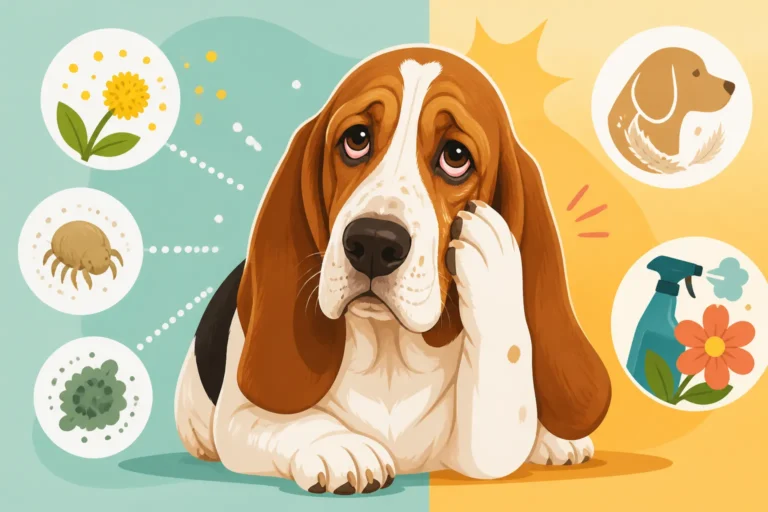
Your Basset Hound is a master of stoicism when it comes to discomfort, often hiding pain until it becomes severe. This makes recognizing the early signs of glaucoma a real detective job. You might notice slight behavioral shifts long before any dramatic eye changes. Is your dog rubbing their eye more often than usual, perhaps pawing at their face or rubbing it on the carpet? Are they seeming a bit more withdrawn or lethargic? Maybe they’re reluctant to play or engage, or perhaps they're just not quite themselves. These subtle cues could indicate that Whether Glaucoma Hurts a Basset Hound is a very real possibility.
Physically, the initial changes can be equally elusive. You might see a very mild redness in the white part of the eye (sclera) that you might initially dismiss as irritation. The cornea, the clear front surface of the eye, might develop a faint haziness or cloudiness, almost like a steamy window. The pupil of the affected eye might appear slightly more dilated than the other, or react sluggishly to light. These aren't always glaring, obvious symptoms, and many owners miss them until the disease has progressed. That's why being proactive about screening is so vital. Keep an eye out for these minor details; they are often the first hints of trouble. For more details on what to look for, check out The First Signs of Glaucoma in a Basset Hound.
When to Act: From Suspicion to Emergency
The progression of glaucoma can be alarmingly fast in Basset Hounds. What starts as a mild discomfort or subtle eye change can rapidly escalate into a painful crisis. If you notice any of the aforementioned subtle signs, don't wait for them to get worse. A veterinary visit should be scheduled promptly.
However, certain signs demand immediate veterinary attention – they are ophthalmic emergencies. If your Basset Hound's eye suddenly becomes very red, painful, and cloudy, or if they are holding it shut, experiencing severe squinting, or showing obvious distress, this is not something that can wait until morning. A "red eye" in a Basset Hound can be a sign of acute glaucoma, where the intraocular pressure has spiked dramatically, causing intense pain and rapid vision loss. Immediate treatment is essential to try and save their sight. Delaying even a few hours can mean the difference between saving some vision and irreversible blindness. Always treat a sudden, painful red eye as an emergency. If you're wondering, Whether a Basset Hound's Red Eye Is an Emergency is a resounding yes. Call your vet or an emergency animal hospital immediately.
Essential Glaucoma Screening Methods for Basset Hounds
So, how do vets actually check for glaucoma in a Basset Hound? It’s not just a quick peek. There are specific, measurable tests that veterinary ophthalmologists use to diagnose the condition accurately and to monitor its progression. These tools are invaluable for catching glaucoma early and for managing it effectively.
Tonometry: Measuring Intraocular Pressure
The primary diagnostic tool for glaucoma is tonometry, which measures the intraocular pressure (IOP) inside the eye. This test is non-invasive, quick, and generally well-tolerated by most Bassets. It's the most straightforward way to detect elevated pressure, which is the hallmark of glaucoma.
The procedure involves a veterinarian or technician gently touching the surface of the eye with a specialized instrument called a tonometer. There are a few different types:
- Schiotz tonometer: This older model uses a weighted plunger that rests on the anesthetized cornea. While still used, it’s less common now.
- Applanation tonometers (e.g., Tonopen, iCare TonoVet): These are the most widely used devices today. They work by gently bouncing a small probe off the cornea or by flattening a small area of the cornea. A topical anesthetic eye drop is usually applied first to ensure comfort, as the cornea is very sensitive. The device then provides a digital reading of the IOP.
Normal IOP in dogs typically ranges from 10-25 mmHg (millimeters of mercury). Readings consistently above this range, especially coupled with other clinical signs, are highly indicative of glaucoma. Regular tonometry is a cornerstone of preventative care for Basset Hounds, particularly as they age. Your vet might suggest Whether a Basset Hound Needs a Yearly Eye Pressure Check, and for Bassets, this is often a very wise recommendation.
Gonioscopy: Assessing the Drainage Angle
While tonometry tells us if the pressure is high, gonioscopy helps us understand why it's high. This specialized diagnostic procedure allows the veterinarian to directly visualize the drainage angle (iridocorneal angle) within the eye. Remember that "plumbing system" analogy? Gonioscopy lets the vet see if the drain is open, partially blocked, or completely closed.
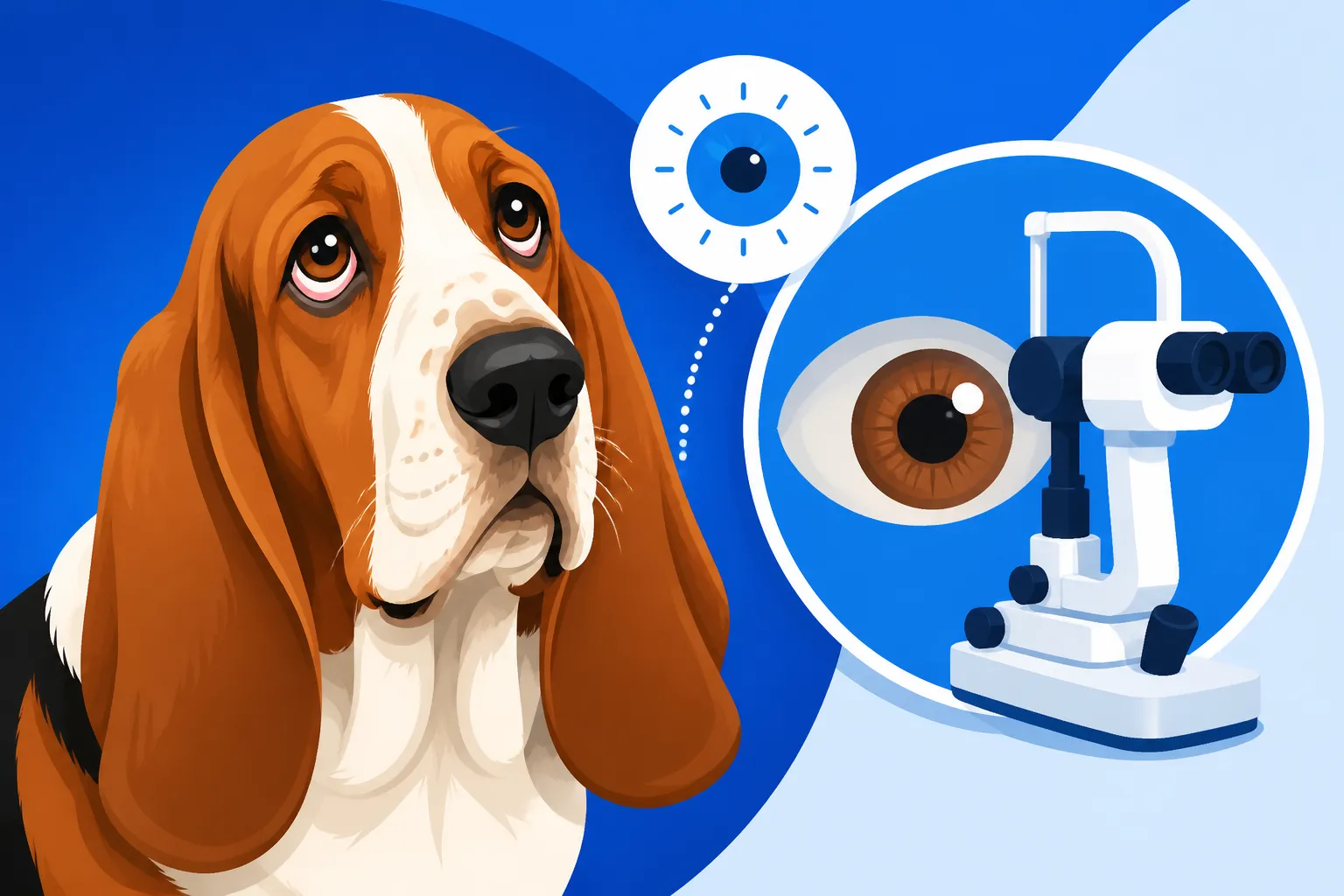
To perform gonioscopy, a special contact lens with mirrors is placed on the surface of the anesthetized eye. The vet then shines a light through the lens and uses a slit lamp (a microscope designed for eye exams) to examine the structures of the drainage angle.
For Basset Hounds, this is particularly important because it helps differentiate between open-angle glaucoma (where the angle looks open but isn't functioning correctly) and angle-closure glaucoma (where the angle is physically narrowed or closed). Knowing the type of glaucoma dictates the most effective treatment strategy. If the angle is narrowed, certain medications might be avoided, and surgical options might be prioritized. It's a crucial test for a definitive diagnosis and for understanding the specific anatomical problem contributing to the glaucoma in your Basset.
| Glaucoma Test | What it Measures/Assesses | How it's Performed | Why it's Important for Bassets |
|---|---|---|---|
| Tonometry | Intraocular Pressure (IOP) | Gentle contact with cornea (after anesthetic drops) using a tonometer (e.g., Tonopen). | Primary screening for elevated eye pressure, crucial for early detection. |
| Gonioscopy | Drainage Angle (Iridocorneal Angle) | Special contact lens placed on anesthetized eye, viewed with a slit lamp. | Differentiates between open-angle and angle-closure glaucoma, guiding treatment. |
| Genetic Testing | Specific gene mutations (e.g., for POAG) | DNA sample (blood or cheek swab) sent to a lab. | Identifies carriers or affected dogs before symptoms, vital for responsible breeding. |
The Role of Genetic Testing and Proactive Breeding
Given the strong hereditary component of glaucoma in Basset Hounds, especially primary open-angle glaucoma (POAG), genetic testing plays an increasingly vital role. It's not just about managing the disease once it appears, but about preventing it from being passed down and making informed breeding decisions.
Identifying Genetic Markers for Primary Glaucoma
For specific breeds, including Basset Hounds, research has identified genetic markers associated with primary glaucoma. This means that a simple DNA test, usually done with a cheek swab or a blood sample, can determine if your Basset Hound carries the gene mutations linked to certain forms of glaucoma, like POAG.
What does this mean for owners?
- For potential breeding dogs: Breeders can test their Basset Hounds before breeding them. If a dog tests positive as a carrier or, worse, as affected, they can make responsible decisions to avoid passing on the gene. This is a critical tool in reducing the incidence of Whether Glaucoma Runs in Basset Hound Lines within the breed. Reputable breeders should be transparent about their genetic testing results and actively work to eliminate these genetic predispositions. You should always ask about Whether a Basset Hound's Eyes Should Be Screened Before Breeding.
- For pet owners: Even if you don't plan to breed, knowing your Basset's genetic status can give you a heads-up. If they carry the genes, it means they are at a higher risk and should undergo more frequent and diligent eye screenings, starting at a younger age. This allows for even earlier detection, sometimes before the pressure actually elevates, which can lead to better outcomes.
The Impact of Early Detection on Lifespan and Quality of Life
The single most important factor in managing glaucoma in Basset Hounds is early detection. Glaucoma is not curable; once optic nerve damage occurs, it's irreversible. However, it is manageable, and early diagnosis through diligent testing dramatically impacts your Basset's quality of life and potentially preserves their vision for longer.
When glaucoma is caught early, often before significant vision loss or intense pain, veterinarians can start treatment immediately. This usually involves eye drops that help reduce intraocular pressure, either by decreasing fluid production or increasing fluid drainage. Starting these medications when the pressure is only mildly elevated can slow the progression of the disease and delay or prevent severe damage. This preventative approach is far more effective than trying to regain lost vision.
Think of it this way: if you know your Basset is at risk, or if you catch the very first subtle increase in eye pressure, you can intervene before their vision is compromised or they experience excruciating pain. This allows them to continue enjoying their sniffing adventures, their comfy naps, and their beloved family without the severe discomfort and disorientation that advanced glaucoma brings. It prevents What Open Angle Glaucoma Does to a Basset Hound from reaching its most devastating stages and can make a real difference in The Age Glaucoma Shows in a Basset Hound. Being prepared for these potential health challenges with comprehensive pet insurance, like a policy from Healthy Paws, can also provide peace of mind by covering the ongoing diagnostic tests and treatments when caught early.
Managing a Basset Hound with a Glaucoma Diagnosis
Receiving a glaucoma diagnosis for your beloved Basset Hound can feel overwhelming. It's a serious condition, but it's important to remember that a diagnosis is the first step towards a management plan that can significantly improve your dog's comfort and potentially preserve their vision for as long as possible. The journey requires commitment, but it’s a journey you won’t walk alone, with your vet as your guide.
Treatment Options Following a Positive Test
Once glaucoma is diagnosed, the immediate goal is to reduce the intraocular pressure (IOP) to a safe level and manage any pain. The treatment plan will depend on the type of glaucoma, its severity, and whether it’s affecting one or both eyes.
1. Medical Management: For most Bassets, especially in the early stages, treatment begins with a regimen of eye drops. These drops work in different ways:
- Prostaglandin analogs (e.g., latanoprost): These are often the first line of defense. They increase the outflow of aqueous humor, effectively "unclogging the drain."
- Carbonic anhydrase inhibitors (e.g., dorzolamide, brinzolamide): These drops reduce the production of aqueous humor.
- Beta-blockers (e.g., timolol): These also work by decreasing fluid production.
- Pain relievers: Oral pain medications may be prescribed, especially in acute, painful episodes.
It’s crucial to administer these drops exactly as prescribed, often multiple times a day, sometimes for the rest of your Basset’s life. Consistency is key to keeping the pressure under control. Many owners wonder Whether Eye Drops Control a Basset Hound's Glaucoma effectively, and while they are vital, they are often part of a larger, ongoing strategy.
2. Surgical Interventions: When medical management isn't enough, or if the glaucoma is advanced, surgical options may be considered. These procedures aim to either reduce fluid production or improve drainage:
- Laser Cyclophotocoagulation: This procedure uses a laser to destroy some of the ciliary body tissue responsible for producing aqueous humor, thereby reducing fluid production.
- Gonioimplantation (Drainage Implants): A small shunt or tube is surgically implanted to create an alternative pathway for fluid drainage.
- Enucleation: In cases of advanced, painful, and blind eyes that don't respond to other treatments, surgical removal of the eye (enucleation) might be the most humane option to alleviate suffering. It sounds drastic, but sometimes it’s the kindest choice.
Understanding What Glaucoma Surgery Costs a Basset Hound Owner is also an important part of the conversation, as these procedures can be expensive.
Long-Term Care and Quality of Life Considerations
A glaucoma diagnosis means committing to lifelong management for your Basset Hound. This isn't a condition that simply goes away. Regular follow-up appointments with a veterinary ophthalmologist are essential to monitor eye pressure, assess the effectiveness of treatment, and make adjustments as needed. This often means consistent trips to the vet, which can add up, making a robust pet insurance plan like Healthy Paws incredibly beneficial, especially if the policy was acquired before the initial diagnosis. They can help cover a significant portion of these recurring costs.
Beyond medical and surgical interventions, adapting your home environment can greatly enhance your Basset’s quality of life, especially if vision loss progresses. If your Basset Hound experiences partial or full blindness, they can still lead a fulfilling life.
- Maintain Consistency: Keep furniture and belongings in the same places to help them navigate.
- Use Scent Markers: Place scent-rich items or mats near stairs or obstacles.
- Verbal Cues: Use consistent verbal cues to guide them around the house or on walks.
- Ramps and Steps: Provide ramps or pet steps to help them access favorite spots, reducing strain and preventing injuries. Check out The Old Basset Hound That Cannot Get Off the Floor for more tips on assisting senior dogs.
The idea of Whether a Basset Hound Goes Blind From Glaucoma is terrifying, but dogs are incredibly adaptable. With your love, patience, and consistent care, a Basset Hound with glaucoma can still have a wonderful life. Many blind dogs learn to rely on their incredible sense of smell and hearing. For more information on how they cope, you can look into Whether a Blind Basset Hound Copes. The financial aspect of What a Basset Hound's Eye Care Costs can be substantial over their lifetime, making careful financial planning or pet insurance a wise choice.
Disclaimer
The information provided in this guide is intended for educational purposes only and should not be considered a substitute for professional veterinary advice. Always consult with a qualified veterinarian or veterinary ophthalmologist for any health concerns or before making any decisions about your Basset Hound's medical care.