Whether a Basset Hound Should Climb Stairs
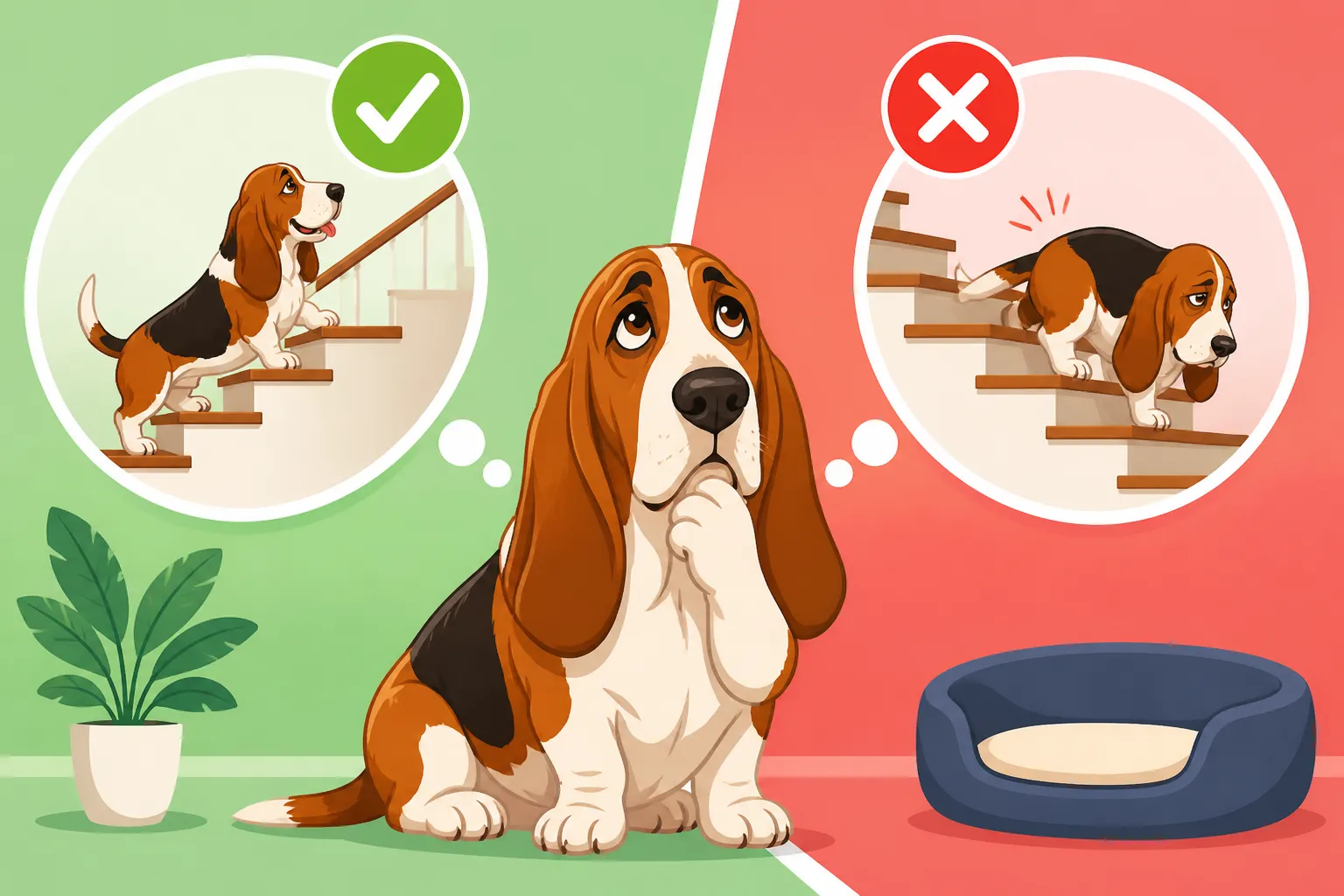
It's a common dilemma for Basset Hound parents: you look at those long, low bodies and those earnest, soulful eyes, then you glance at your staircase, and a wave of worry washes over you. Is it safe for them to climb? Will it hurt their delicate backs or their sturdy, yet sometimes awkward, frames? This guide is here to unravel those concerns, offering a deep dive into why stairs can be a significant challenge for Basset Hounds and how you can best protect your beloved companion.
The Basset Hound's Unique Anatomy and Stair Challenges
Let's face it, Basset Hounds are built… differently. Their distinctive silhouette is part of their charm, but it also presents a unique set of physical challenges, especially when it comes to navigating the everyday obstacles of a human home, like stairs. Understanding their specific anatomical quirks is the first step in appreciating why stairs can be such a big deal for them.
The Achondroplastic Build and Its Impact
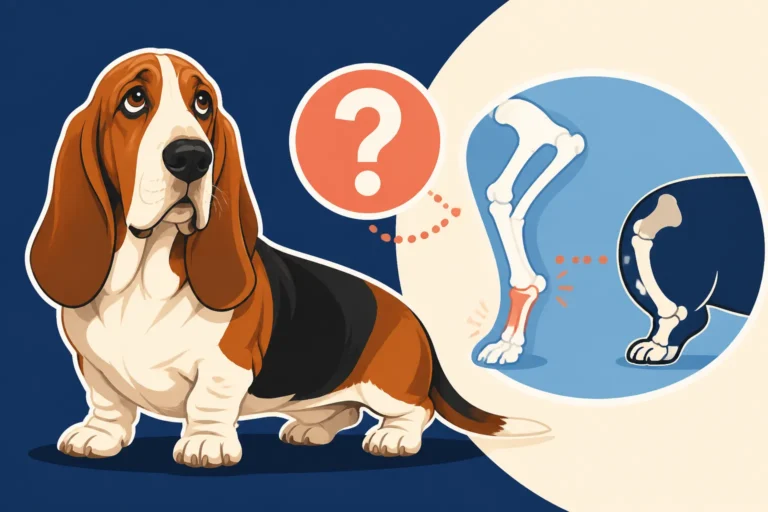
Basset Hounds are what we call achondroplastic, a fancy word that essentially means they have a form of dwarfism. This isn't a flaw; it's what gives them their characteristic short legs and long body. While absolutely adorable, this genetic trait impacts their skeletal structure significantly. Their bones, particularly in their legs, grow shorter and denser than those of typical dogs, and their spine is elongated relative to their leg length. This unique construction means their joints, especially their elbows, hips, and spinal discs, bear weight and endure movement in ways that can be less forgiving than in a dog with more proportionate limbs. Climbing stairs involves a lot of flexion and extension in these joints, often in unnatural angles for their build, placing considerable strain on structures that are already predisposed to issues. It's like asking someone with short legs and a long torso to repeatedly perform a high-step exercise – it's just not what their body is designed for. This is often linked to why one in seven Basset Hounds has bad elbows, and the breed is also known for The Crooked Front a Basset Hound Is Built On.
Weight Distribution and Center of Gravity
Another factor to consider is the Basset Hound's considerable weight for their relatively small stature. They are surprisingly heavy dogs, often weighing as much as a medium-sized retriever, but with a much lower center of gravity and much shorter legs. Imagine trying to balance a heavy, elongated log on short stilts and maneuvering it up and down uneven surfaces. That's a bit like what a Basset Hound experiences on stairs. Their substantial bone mass and loose skin, while contributing to their charming appearance and incredible scenting abilities, make them less agile and more prone to losing balance. When they attempt to climb or descend stairs, their weight is distributed unevenly as they lift each short leg, creating moments of instability. This can lead to awkward steps, slips, and falls, particularly on slick surfaces or steep staircases. Their low-slung bodies also mean their chests can drag on the steps, further complicating their movement and making an already strenuous activity even more cumbersome.
Vision and Stair Navigation
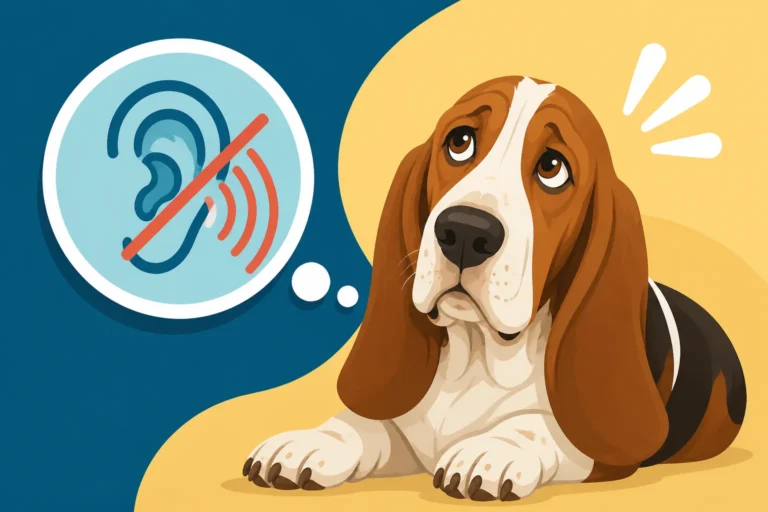
While Basset Hounds possess an unparalleled sense of smell, their vision, especially their peripheral vision, can sometimes be an impediment when navigating complex environments like stairs. Their famous long, droopy ears and loose facial skin, while contributing to their excellent scent collection, can occasionally obstruct their direct line of sight, especially when looking downwards at their paws or the immediate steps in front of them. This can make judging the depth and height of each step more challenging, increasing the risk of missteps or falls. Imagine trying to walk down a set of stairs with a scarf partially covering your eyes; it's doable but requires extra caution and concentration. For a Basset, already working with an anatomically challenging build, any visual obstruction, however minor, adds another layer of difficulty and potential hazard. This can be particularly true if they're rushing or distracted by an interesting smell.
The Risks Associated with Stair Climbing for Basset Hounds
It's not just about comfort; allowing a Basset Hound unrestricted access to stairs can genuinely put their health at risk. Owners often don't realize the cumulative impact of these seemingly minor exertions until a serious problem arises. The truth is, their unique conformation makes them susceptible to several painful and debilitating conditions that stairs can either cause or severely worsen.
Spinal Injuries
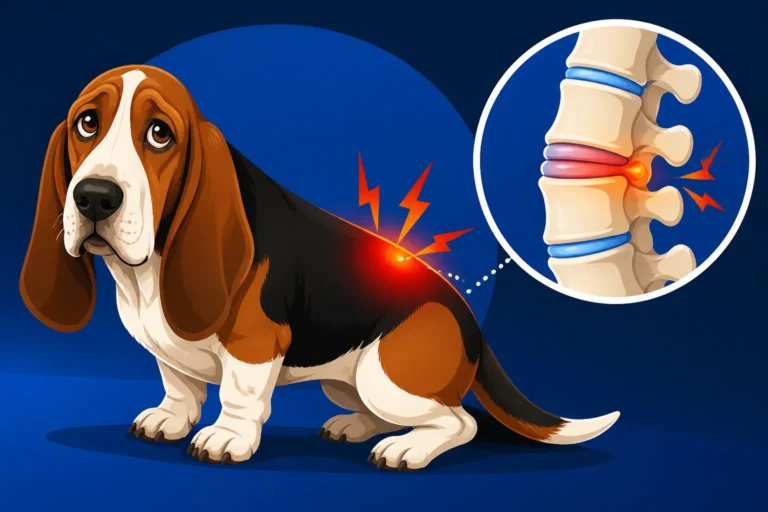
The most pressing concern for Basset Hounds and stairs revolves around their spine. Their elongated backs, combined with the stress of navigating vertical changes, make them highly susceptible to Intervertebral Disc Disease in a Basset Hound (IVDD). This condition occurs when the cushions (discs) between the vertebrae in their spine either bulge or rupture, pressing on the spinal cord. IVDD can range from mild pain and weakness to complete paralysis.
Think of each step a Basset Hound takes on the stairs: as they push off or land, their long spine flexes and twists, putting immense pressure on those vulnerable discs. Descending stairs is often considered even more dangerous, as the impact on the forelimbs and the jarring motion can be particularly damaging. Over time, or with one wrong jump or slip, these discs can degenerate or herniate, leading to sudden and excruciating pain. A Basset Hound might suddenly cry out, refuse to move, drag their hind legs, or become incontinent. The treatment for severe IVDD can be costly and involve complex surgery, lengthy rehabilitation, and a lifetime of management. Prevention is truly the best medicine here, and limiting stair use is a crucial preventative measure against The Back Trouble a Basset Hound Is Built Into.
Joint Stress and Arthritis
Beyond the spine, the short, heavy-boned legs of a Basset Hound are not exempt from the strain of stairs. Their elbows, shoulders, and hips are all put under considerable stress. Conditions like elbow dysplasia and hip dysplasia are regrettably common in the breed. While these are often genetically predisposed, repetitive impact activities like jumping off furniture or climbing stairs can accelerate their onset and worsen their severity.
Every time your Basset Hound goes up or down the stairs, their leg joints absorb impact and undergo significant flexion. This constant stress wears down the cartilage, leading to inflammation and eventually, painful arthritis. It's heartbreaking to see a once-spry Basset struggle to get up or walk, and sadly, many Basset Hounds develop Arthritis in a Basset Hound at Seven. Stairs can transform a minor joint stiffness into chronic, debilitating pain. Over time, the damage can become irreversible, leading to a diminished quality of life for your furry friend. Managing joint pain can involve daily medication, supplements, and regular vet visits, often covered by pet insurance providers like Healthy Paws.
Acute Injuries from Falls
While spinal and joint issues tend to develop over time, the immediate danger of stairs is the risk of an acute injury from a fall. Basset Hounds, with their short legs, clumsy gait, and often limited visibility of their immediate footing, are simply not built for graceful stair navigation. They can easily misjudge a step, trip over their own long ears, slip on a slick surface, or simply lose their balance.
A fall down the stairs can lead to a multitude of serious injuries:
- Sprains and Fractures: A twisted paw, a fractured leg, or even a broken rib can occur from the impact.
- Head Trauma: If they tumble, their head can hit the steps, potentially causing concussions or more severe brain injuries.
- Soft Tissue Damage: Muscle strains, ligament tears, or severe bruising can be incredibly painful and require extensive recovery.
- Worsening Existing Conditions: For a Basset with already compromised discs or arthritic joints, a fall can instantly escalate a chronic issue into an emergency.
The thought of your gentle giant tumbling down a flight of stairs is terrifying, and unfortunately, it's a very real possibility. It's not just puppies who are clumsy; even adult Basset Hounds can have a mishap, especially if they are excited, tired, or simply not paying attention.
Recognizing the Signs of Stair-Related Strain or Injury
As devoted Basset Hound owners, it's vital to be vigilant and recognize the subtle (or not-so-subtle) signs that your dog might be experiencing pain or injury due to stair use. They can't tell us in words, but their body language and behavior speak volumes. Catching these signs early can prevent further damage and ensure your Basset gets the help they need promptly.
Behavioral Changes
One of the first indicators that stairs are taking a toll on your Basset Hound might be a shift in their usual behavior. They might start showing a reluctance to engage with stairs at all. This could manifest as:
- Hesitancy: Your Basset might pause at the bottom or top of the stairs, looking up or down with a worried or uncertain expression, rather than bounding up or down as usual. They might even whine or whimper softly when faced with the stairs.
- Refusal: They might flat-out refuse to use the stairs, planting their feet and not budging. This isn't stubbornness in this context; it's often a clear signal of pain or discomfort.
- Altered Gait: Observe how they move on the stairs. Are they moving more slowly? Are they taking one step at a time very carefully, rather than flowing up or down? Do they drag their back legs slightly, or are their steps uneven? You might notice a stiff, 'bunny hopping' motion with their back legs, or they might try to lean heavily on one side to avoid putting weight on a painful joint.
- Seeking Alternative Routes: If given the option, they might try to find ways around the stairs, even if it's less convenient for them. This shows they are actively trying to avoid the painful activity.
- Increased Vocalization: More frequent whining, whimpering, or even yelping when attempting to use the stairs or immediately after could be a strong indicator of acute pain.
These behavioral cues are your Basset's way of communicating that something isn't right. It's crucial not to dismiss them as mere laziness or defiance.
Physical Symptoms
Beyond behavioral changes, specific physical symptoms can alert you to stair-related strain or injury. These signs can be more direct evidence of a problem and warrant immediate veterinary attention.
- Lameness or Limping: If your Basset Hound suddenly starts limping or favoring one leg after using the stairs, it's a clear sign of pain in that limb or joint. The lameness might be subtle at first, only noticeable after prolonged rest or during specific movements.
- Pain Upon Touch: Gently palpate (feel) along their spine, hips, and elbows. If your Basset flinches, yelps, or pulls away when you touch a particular area, it indicates tenderness or pain. This is especially true along the back, which could point to a spinal issue.
- Swelling: Visibly swollen joints, particularly around the elbows or hocks, can indicate inflammation or injury. Compare the affected joint to its counterpart on the other side of the body.
- Difficulty Rising or Lying Down: A Basset Hound struggling to get up from a lying position or having trouble settling comfortably could be experiencing generalized joint pain or back discomfort. This symptom is a strong indicator, and if severe, it might mean The Old Basset Hound That Cannot Get Off the Floor.
- Muscle Atrophy: In cases of chronic pain where a limb is favored for an extended period, you might notice a reduction in muscle mass in the affected leg.
- Changes in Appetite or Energy Levels: A dog in pain might lose interest in food or become unusually lethargic. While not directly linked to stairs, these general signs of discomfort should prompt a thorough check-up.
If you observe any of these physical symptoms, especially after a period of increased stair use or a suspected fall, it's imperative to consult your veterinarian. Early diagnosis and intervention are key to managing these conditions and improving your Basset's prognosis.
Strategies for Managing Stair Access and Protecting Your Basset Hound
So, you've realized that stairs might be a problem for your Basset Hound. The good news is that there are many proactive and reactive strategies you can implement to keep them safe and comfortable. It's all about making their home environment work for their unique needs, rather than expecting them to adapt to something that could cause them harm.
Training and Supervision
While ideally, Basset Hounds would avoid stairs entirely, sometimes it's unavoidable, or you might have a particularly agile Basset who insists on trying. In such cases, strict training and constant supervision are absolutely essential.
- Slow and Steady: If your Basset must use stairs, teach them to go one step at a time, slowly and deliberately. Avoid letting them rush, jump, or bound up or down. You can use a leash for control and high-value treats to reward careful movement.
- Leash Guidance: Even if your Basset is generally good off-leash, keeping them on a leash when navigating stairs can provide that extra layer of control. This allows you to guide their pace and provide support if they stumble.
- Positive Reinforcement: Make stair use a calm, positive experience, but never encourage speed. Use lots of praise and small, low-calorie treats to reinforce good, slow behavior.
- Never Push or Pull: Avoid forcing your Basset up or down stairs if they are hesitant. This can cause fear and potentially lead to them struggling or falling. Instead, try to entice them gently, or if they refuse, resort to carrying them or using an alternative.
- Supervision is Key: Never leave a Basset Hound unsupervised with access to stairs. A moment of distraction, an exciting smell, or a sudden urge to get somewhere quickly can lead to a dangerous fall. Consider baby gates if you can't be constantly present.
Remember, the goal isn't to make them stair-climbing champions, but to minimize risk if occasional use is necessary.
Implementing Ramps and Gates
For most Basset Hound owners, ramps and baby gates become indispensable tools for preventing stair-related injuries. These solutions offer a safe and reliable way to either bypass stairs entirely or restrict access.
-
Ramps for Safe Passage: Ramps are excellent alternatives to stairs, offering a gradual incline that eliminates the jarring impact on joints and spine. They can be particularly useful for outdoor steps, steps to the car, or even for access to furniture if your Basset is prone to jumping. Look for ramps with a non-slip surface and a gentle slope. Portable ramps are great for travel, while fixed ramps might be installed for frequently used areas. Choosing the right ramp is crucial, and you can learn more about Whether a Basset Hound Should Use a Ramp and What a Ramp for a Basset Hound Costs. A well-placed ramp can save your Basset's back and joints over a lifetime.
-
Baby Gates for Restriction: The simplest and often most effective solution is to simply block stair access altogether using sturdy baby gates. Install them at the top and bottom of all staircases. Ensure the gates are tall enough that your Basset cannot jump over them (which is usually not an issue for Bassets, but some can surprise you!) and secure enough that they can't be pushed open. Pressure-mounted gates are fine for the bottom of stairs, but hardware-mounted gates are safer for the top of a staircase, as they prevent accidental dislodgement. This is a non-negotiable step, especially when you're not actively supervising your dog.
Lifestyle Adjustments
Sometimes, the best solution involves simple changes to your daily routine and how you interact with your Basset Hound around the home.
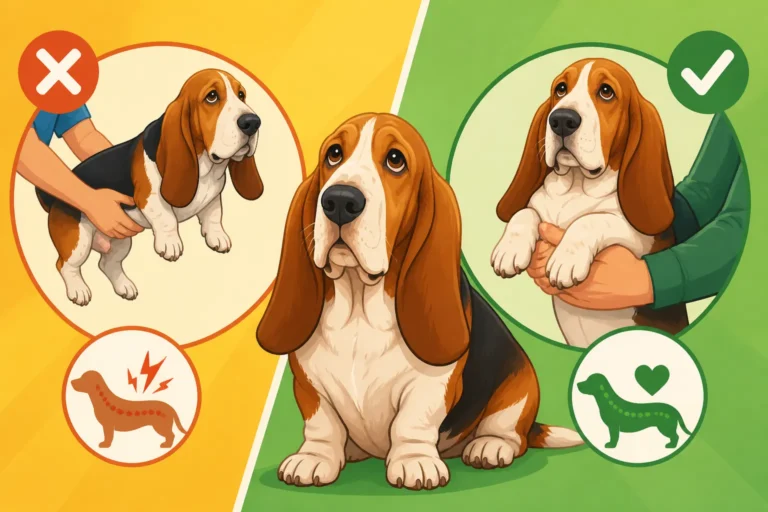
- Carrying Your Basset: While they are heavy, learning How to Lift a Basset Hound Safely is a vital skill. If you have to navigate stairs or lift them into a car, always support their long back and hindquarters. Use one arm under their chest and the other under their hind legs to keep their spine straight and minimize strain. Never lift them by their front legs or by a single grab around their belly. If you have multiple flights or a particularly heavy Basset, consider investing in a dog lift harness.
- Limiting Access to Floors: If possible, try to arrange your home so your Basset Hound has everything they need (food, water, bed, toys, potty access) on a single floor, minimizing the need for stair travel.
- Ground Floor Living: If you're considering getting a Basset Hound and live in a multi-story home, think about making a dedicated safe zone for them on the ground floor. This can significantly reduce their need to navigate stairs daily.
- Consistent Routine: Establish a consistent routine for when and how your Basset accesses different areas of the home. This can help them anticipate when they might need assistance or when a barrier is in place.
By thoughtfully implementing these strategies, you can create a much safer environment for your Basset Hound, protecting them from the acute and chronic dangers associated with stair climbing.
Proactive Health Management and Preventative Measures
Beyond managing access to stairs, a holistic approach to your Basset Hound's health is paramount in preventing spinal and joint issues. This means focusing on their overall well-being, from their diet to their environment, and ensuring they have robust support for their unique physical needs.
Maintaining a Healthy Weight
One of the single most impactful things you can do for your Basset Hound's joint and spinal health is to keep them at a healthy weight. What Extra Weight Does to a Basset Hound cannot be overstated. Every extra pound your Basset carries puts additional stress on their already vulnerable joints and spine. It's like asking them to carry a heavy backpack all day, every day.
- Portion Control: Basset Hounds are notorious for their love of food, and they'll often act like they're perpetually starving. Don't be fooled! Stick strictly to recommended feeding guidelines for their ideal weight, not their current weight. Use a measuring cup to ensure accuracy.
- Quality Diet: Feed a high-quality, balanced diet that provides all necessary nutrients without excessive calories. Your vet can help you choose the best food for your Basset's age, activity level, and any specific health needs.
- Healthy Treats: Limit treats, and opt for low-calorie, healthy options like plain cooked carrots, green beans, or small pieces of apple (without seeds). Remember, treats should be small and used sparingly as rewards, not as meal supplements.
- Regular Weigh-Ins: Keeping a Basset Hound at Its Correct Weight often involves regular weigh-ins. Monitor their weight regularly and adjust their food intake as needed. You should be able to feel their ribs without pressing hard, and they should have a visible waistline when viewed from above.
- Vet Consultation: If you're struggling to manage your Basset's weight, don't hesitate to consult your veterinarian. They can help create a personalized weight loss plan and rule out any underlying medical conditions contributing to weight gain.
A lean Basset is a healthier, happier Basset, with less strain on their precious joints and spine.
Regular Vet Checks and Supplements
Proactive veterinary care is your Basset Hound's best friend. Regular check-ups allow your vet to monitor their joint health, catch potential issues early, and recommend preventative measures before problems become severe.
- Annual Wellness Exams: Even if your Basset seems perfectly healthy, annual (or bi-annual for seniors) vet visits are crucial. Your vet will perform a thorough physical examination, checking their gait, range of motion in their joints, and palpating their spine for any signs of pain or stiffness.
- Discussion of Mobility: Be open with your vet about your Basset's mobility. Mention any hesitation with stairs, difficulty rising, or changes in activity levels. This information helps your vet assess their joint and spinal health.
- Joint Supplements: Many vets recommend joint supplements for Basset Hounds, even before signs of arthritis appear. Ingredients like glucosamine, chondroitin sulfate, and Omega-3 fatty acids can help support cartilage health, reduce inflammation, and improve joint lubrication. Brands like Nutramax's Dasuquin or Cosequin are often vet-recommended. Always discuss specific supplements and dosages with your vet before starting them, as not all supplements are created equal.
- Pet Insurance: Given the breed's predisposition to costly conditions like IVDD, elbow, and hip dysplasia, investing in pet insurance is a wise decision. Companies like Healthy Paws can provide significant financial relief if your Basset Hound requires extensive diagnostic tests, surgeries, or ongoing treatment for these conditions. It offers peace of mind knowing that you can make medical decisions based on what's best for your dog, not just your wallet. Many owners find that having a robust pet insurance plan alleviates the stress of unexpected vet bills.
- Early Intervention: Regular checks allow for early detection of conditions like arthritis or early disc degeneration, enabling your vet to implement pain management strategies or physical therapy before the condition progresses too far.
Creating a Joint-Friendly Home Environment
Your home should be a haven for your Basset Hound, designed to minimize stress on their unique body. Small, thoughtful adjustments can make a huge difference in their long-term comfort and health.
- Non-Slip Flooring: Basset Hounds with their low center of gravity and sometimes clumsy gait, can struggle on slippery surfaces like hardwood, tile, or laminate floors. These surfaces can cause them to splay out, leading to muscle strains or even falls. Place rugs, runners, or carpet tiles in high-traffic areas, especially where they eat, sleep, and play. Ensure these rugs have non-slip backings to prevent them from sliding.
- Orthopedic Beds: Investing in an orthopedic bed is one of the best things you can do for your Basset Hound, especially as they age or if they have existing joint issues. These beds provide superior support for their joints and spine, relieving pressure points and promoting comfortable rest. Look for beds with dense, supportive foam, like memory foam. This is particularly important because Whether a Basset Hound Should Have an Orthopedic Bed directly impacts their quality of sleep and joint recovery.
- Raised Food and Water Bowls: While there's some debate about raised bowls and bloat, for Basset Hounds, they can sometimes make eating and drinking more comfortable by reducing the need to stoop down excessively, which can put strain on their neck and front joints. Consult your vet for advice on whether this is appropriate for your individual dog.
- Car Access: If your Basset enjoys car rides, use a ramp to help them get in and out of the vehicle. Repeated jumping in and out of a car can put immense pressure on their spine and joints. If a ramp isn't feasible, always lift them carefully, supporting their back.
- Furniture Access: Discourage your Basset from jumping on and off furniture. If they insist on being on the sofa with you, consider pet steps or a small ramp to provide a safe, gentle incline for access. This avoids the jarring impact of jumping.
By integrating these proactive measures into your Basset Hound's daily life, you're not just reacting to problems; you're actively safeguarding their health and ensuring they can enjoy a comfortable, pain-free life for as long as possible.
Comparing Stair Alternatives for Basset Hounds
Deciding how to manage your Basset Hound's interaction with stairs can be tricky. There are several alternatives, each with its own pros and cons. Let's break down the most common solutions to help you make an informed decision for your furry family member.
| Alternative | Pros | Cons | Ideal Use Case |
|---|---|---|---|
| Ramps | Gentle on joints/spine; promotes independence; safe for most sizes; reduces fall risk. | Can be bulky/take up space; cost varies; may require training; some Bassets are hesitant. | High-traffic stairs; car access; furniture access; outdoor steps. |
| Baby Gates | Cost-effective; clear boundary; easy to install; prevents unsupervised access. | Eliminates access entirely; requires owner to manually open/close; some Bassets may whine or try to jump. | Any staircase you want to completely block off. |
| Carrying by Owner | Immediate solution; ensures total safety; builds bond. | Physically demanding for owner; not feasible for all Bassets/owners; requires proper lifting technique. | Occasional stair use; elderly or injured Bassets; small Basset Hounds. |
| Pet Steps | Less space than ramps; easier for some dogs than ramps; provides intermediate steps. | Still involves some impact; not as gentle as a ramp; Bassets may still struggle with angle. | Furniture access; small flights of stairs for more agile Bassets. |
Disclaimer
The information provided in this article is for general educational purposes only and is not a substitute for professional veterinary advice. Always consult with a qualified veterinarian for any health concerns or before making any decisions about your Basset Hound's care, diet, or exercise regimen.