The Age a Basset Hound Counts as Senior
It's a question every Basset Hound owner eventually asks, often with a slight pang of anxiety: "When does my sweet, goofy, perpetually puppy-like companion officially become senior?" It’s easy to feel like our bassets are ageless, forever lumbering through life with that characteristic enthusiasm for sniffing and napping. But the reality is, just like us, they age, and understanding when that senior stage begins is crucial for giving them the best possible care in their golden years. This guide will help you pinpoint that transition and prepare for the wonderful, albeit sometimes challenging, journey ahead.
Understanding the Senior Threshold in Dogs
Defining "senior" for a dog isn't as straightforward as it might seem. We often want a nice, clean number, but canine aging is a complex process influenced by many factors. It's not just about blowing out a certain number of candles on their birthday cake; it's about a combination of chronological age and the physical changes happening within their bodies.
Chronological Versus Physiological Age
When we talk about chronological age, we're simply referring to the number of years a dog has been alive. For Basset Hounds, many veterinarians and breed experts often start considering them senior around the age of seven or eight. This is a general guideline, a kind of flag that says, "Hey, it's time to start thinking about age-related changes."
However, physiological age is a much more nuanced concept. This refers to the actual biological age of a dog's organs, joints, and overall health status. You might have a Basset who is chronologically eight but has the energy and vitality of a six-year-old, perhaps due to excellent genetics, a healthy lifestyle, and proactive care. Conversely, a Basset who is six or seven but has been prone to health issues or is significantly overweight might exhibit more advanced signs of aging physiologically. It’s important to remember that every dog is an individual, and while the chronological marker gives us a starting point, it’s the physical and behavioral cues that truly tell us where they are in their aging journey.
Breed-Specific Aging Patterns
It's a common misconception that all dogs age at the same rate, but breed size and genetics play a significant role. Generally, larger dog breeds tend to have shorter lifespans and enter their senior years earlier than smaller breeds. For instance, a Great Dane might be considered senior by age five or six, while a tiny Chihuahua could still be quite spry at ten.
Basset Hounds fall into that interesting middle-to-large breed category. While not gigantic, they are substantial dogs, often weighing between 40 to 65 pounds. Their unique conformation – those long backs, short legs, and heavy bone – also predisposes them to certain age-related conditions, especially concerning their joints and spine. This means that while seven or eight years might be the general rule for when a Basset Hound counts as senior, their specific breed characteristics mean we need to be particularly vigilant about certain issues earlier than with some other breeds. For example, their susceptibility to conditions like intervertebral disc disease means spinal health needs to be a consideration throughout their lives, not just in extreme old age.
When Does a Basset Hound Hit Senior Status?
So, let's get down to the nitty-gritty. What's the widely accepted age for a Basset Hound to be considered senior? And what really influences that timeline for our individual companions?
The "Magic Number" for Bassets
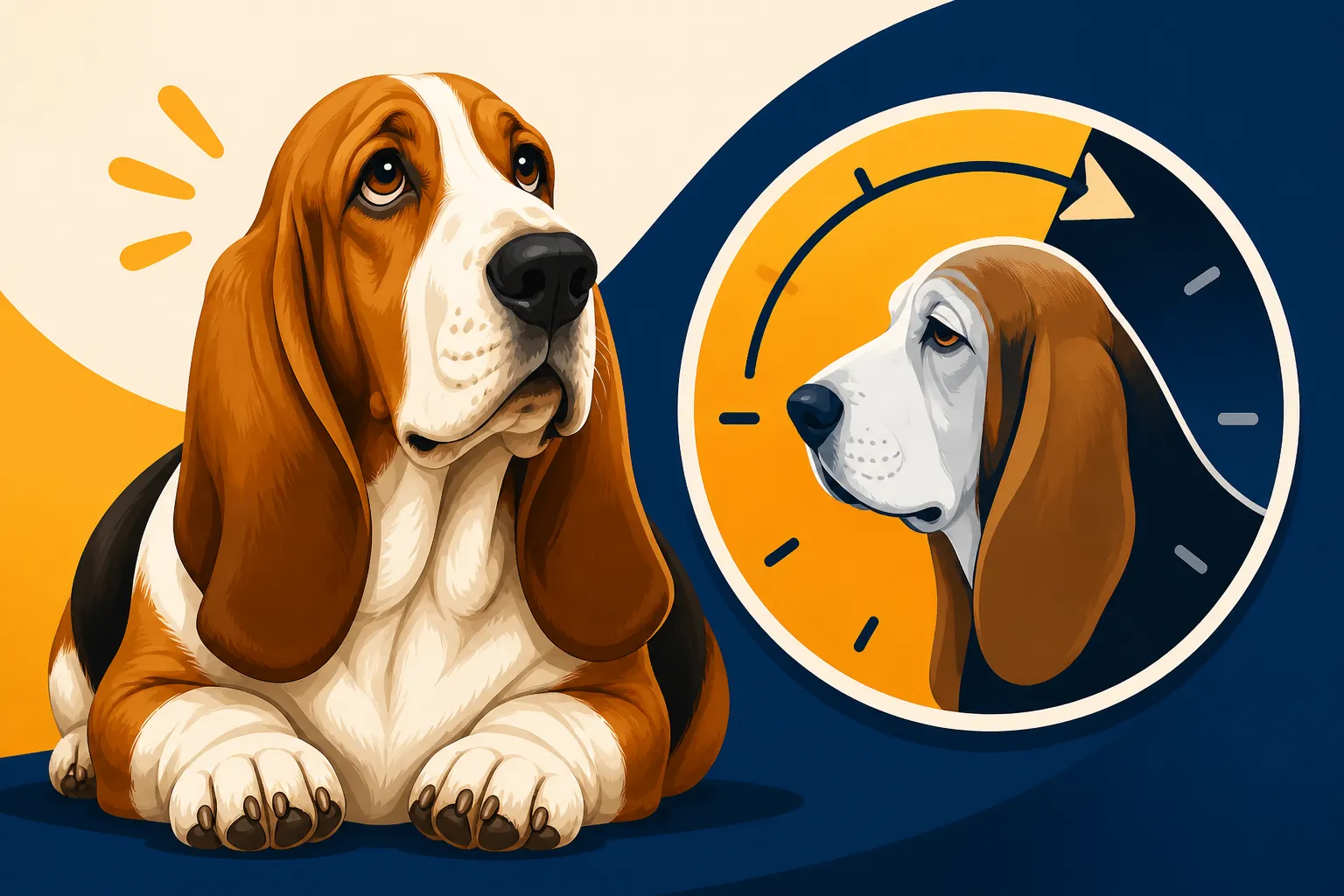
Most veterinary professionals and Basset Hound enthusiasts agree that a Basset Hound typically crosses into their senior years around 7 to 8 years of age. This isn't a hard and fast rule set in stone, but it's a critical benchmark. It's the age when many vets recommend increasing routine check-ups to twice a year instead of once, and when discussions about age-related health screenings become more prominent. Think of it as a gentle heads-up from Mother Nature that things are starting to slow down and certain internal processes might not be as efficient as they once were.
At this age, while your Basset may still be full of delightful antics, you might start noticing subtle changes. Their once boundless energy might give way to more frequent naps, or their enthusiasm for long walks might wane a little. It's a natural progression, and acknowledging this "magic number" helps us shift our mindset from caring for an adult dog to nurturing a senior one, anticipating their changing needs before they become urgent problems. It's a proactive approach to ensure their comfort and quality of life for the rest of their The Ten to Twelve Years a Basset Hound Lives.
Factors Influencing Individual Aging
While 7-8 years is a good general guideline, it’s not the whole story. Several individual factors can significantly influence when your Basset Hound truly begins to show signs of aging, or how gracefully they manage their senior years.
Firstly, genetics play a huge role. If your Basset comes from a line of dogs that lived long, healthy lives with minimal age-related issues, your furry friend might also inherit some of that longevity and resilience. Conversely, if there's a history of certain age-related conditions like arthritis or specific organ weaknesses in their lineage, you might see those issues emerge earlier. Understanding your dog's pedigree can be incredibly insightful.
Secondly, lifestyle is paramount. A Basset Hound who has maintained a healthy weight throughout their life, received consistent veterinary care, eaten a balanced diet, and engaged in appropriate, regular exercise is much more likely to age well. On the opposite end, a Basset Hound who has been consistently overweight, as discussed in What Extra Weight Does to a Basset Hound, will undoubtedly experience accelerated aging, especially concerning their joints and heart. Nutritional choices also matter; dogs fed high-quality food appropriate for their life stage tend to fare better.
Finally, environmental factors and stress can also contribute. A dog living in a stable, loving home with minimal stress, consistent routines, and plenty of mental stimulation will often show fewer signs of premature aging than one who has experienced neglect, frequent changes in environment, or chronic stress. So, while the calendar says 7 or 8, your Basset's unique journey could see them thriving well past that, or needing a bit more support a little earlier.
Early Signs of Aging in Your Basset Hound
Recognizing the subtle cues that your Basset Hound is transitioning into their senior years is key to providing timely support. It’s rarely a sudden switch; rather, it’s a gradual accumulation of small changes. Paying close attention to these shifts allows you to adapt their care and environment proactively.
Changes in Energy and Activity Levels
One of the most common and noticeable signs that your Basset Hound is becoming a senior is a shift in their energy and activity levels. That youthful exuberance for running in the yard might transform into a preference for a leisurely stroll. You might notice they:
- Nap more frequently: The king or queen of naps might start demanding even more snooze time, often finding the most comfortable, sunniest spot in the house and settling in for longer stretches.
- Are less enthusiastic about walks: While they still love their sniffari adventures, the initial burst of excitement for a walk might be tempered, and they might slow down sooner or even resist going as far as they once did.
- Have reduced stamina: They might tire out more quickly during playtime or walks. A game of fetch that used to last 15 minutes might now only hold their attention for 5-7 minutes before they wander off for a drink and a lie-down.
- Show less interest in active play: Those playful bouts of zoomies or wrestling with other dogs might become rarer or shorter in duration. They may still engage, but with less intensity.
It's crucial to distinguish between a natural slowdown and signs of pain or discomfort. Sometimes, a decrease in activity isn't just about aging; it could be an early indicator of Arthritis in a Basset Hound at Seven or another underlying health issue. Always consult your vet if the change is sudden or accompanied by other worrying symptoms.
Physical Transformations
Aging also brings about a host of physical changes that can be quite telling. These aren't always immediate red flags but are certainly indicators that their body is changing.
- Graying muzzle and eyebrows: This is perhaps the most classic sign, much like humans getting gray hair. Many Bassets will start to get distinguished white or gray hairs around their muzzle, chin, and sometimes even their eyebrows.
- Changes in coat texture: Their once smooth, dense coat might become a bit coarser, thinner, or even duller. You might also notice increased shedding, or a decrease in the oils that keep their coat shiny.
- Weight fluctuations: As metabolism slows and activity decreases, many senior Bassets tend to gain weight more easily. Conversely, some older dogs might lose weight due to underlying health issues or decreased appetite. Regularly checking their weight and body condition is essential, especially given that Keeping a Basset Hound at Its Correct Weight is crucial for their overall health.
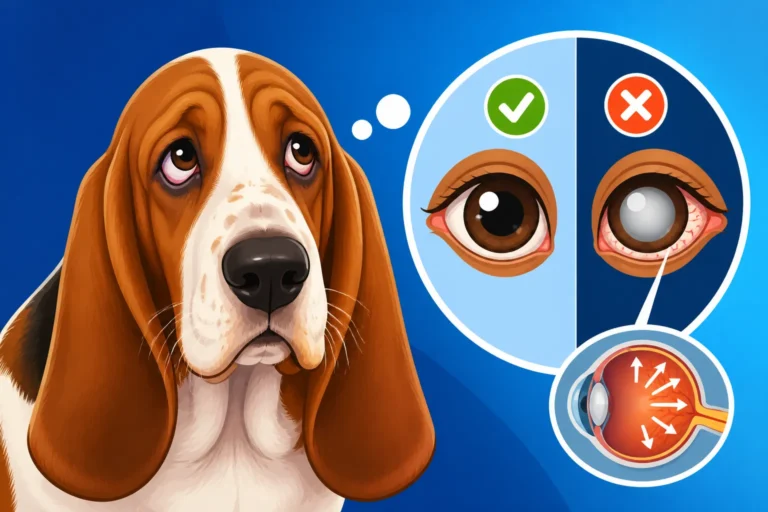
- Sensory decline: You might observe that their hearing isn't quite as sharp as it used to be. They might not respond as quickly to their name or the sound of the treat bag. Their eyesight might also start to dim, with a slight cloudiness often appearing in their eyes (a condition called nuclear sclerosis, which is common and often doesn't significantly impair vision, but should still be checked by a vet).
- Dental issues: Older dogs are more prone to dental problems, including tartar buildup, gum disease, and tooth loss. This can impact their appetite and overall health.
Remember, these changes happen gradually. It’s often only when you look back at photos from a year or two ago that you truly notice how much they've changed.
Behavioral Shifts and Cognitive Changes
Beyond the physical, aging can also bring subtle, and sometimes not-so-subtle, shifts in your Basset Hound's behavior and cognitive function. This can be one of the more challenging aspects of senior dog ownership, as it affects their personality.
- Increased clinginess or anxiety: Some senior Bassets might become more attached to their owners, following them from room to room. They might also develop mild separation anxiety or become more anxious during thunderstorms or loud noises. This can sometimes be linked to declining senses, making the world feel a bit scarier or more confusing.
- Disorientation or confusion: You might notice moments where your Basset seems a bit lost in a familiar room, stares blankly at a wall, or has trouble navigating obstacles they once easily avoided. They might forget commands they’ve known for years or seem generally less responsive.
- Changes in sleep-wake cycles: An older Basset might sleep more during the day but become restless or vocal at night, pacing or whining. This disruption in their internal clock is a common sign of cognitive dysfunction.
- Altered house-training habits: Accidents inside the house can become more frequent, not necessarily due to defiance, but often due to weakened bladder control, increased water intake (a sign of kidney disease or diabetes), or simply forgetting their usual routine.
- Changes in interaction: They might become less tolerant of boisterous young children or other pets, preferring peace and quiet. Conversely, some Bassets might become more cuddly and seek constant reassurance.
These behavioral and cognitive changes, especially when they disrupt daily life, can be indicators of Canine Cognitive Dysfunction (CCD), sometimes referred to as "doggy dementia." It’s important to discuss these changes with your veterinarian, as there are often medications and supplements that can help manage symptoms and improve their quality of life.
Common Health Concerns in Senior Basset Hounds
As our beloved Bassets age, they become more susceptible to a range of health issues. While not every senior Basset will face all of these, being aware of the common concerns allows for early detection and intervention, which can make a world of difference. This is where regular vet visits become even more critical, and having a good pet insurance plan like one from Healthy Paws can provide peace of mind for unexpected expenses.
Joint and Mobility Issues
This is perhaps the most prevalent concern for Basset Hounds as they get older, largely due to their unique body structure. Their long, heavy bodies supported by short legs put significant stress on their joints and spine.
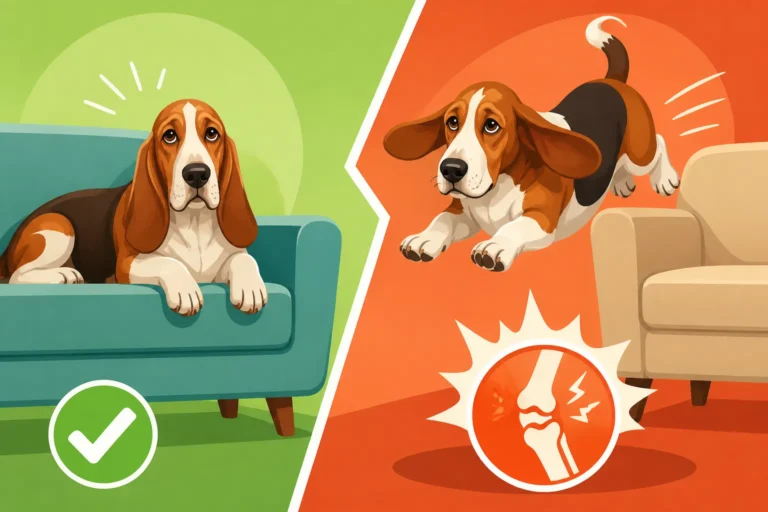
- Arthritis (Osteoarthritis): This degenerative joint disease is incredibly common in senior dogs, causing pain, stiffness, and reduced mobility. You might notice your Basset struggling to get up after lying down, limping after exercise, or being generally reluctant to jump onto furniture (which they shouldn't be doing anyway, as Whether a Basset Hound Should Jump Off Furniture is a real concern for their back). Cold weather often exacerbates symptoms. Management usually involves pain medication, joint supplements, weight management, and physical therapy.
- Intervertebral Disc Disease (IVDD): Basset Hounds are genetically predisposed to IVDD because of their chondrodystrophic (dwarfism) genes, which affect cartilage development. This condition causes the discs between the vertebrae to degenerate and rupture or protrude, pressing on the spinal cord. Symptoms can range from mild pain and weakness to complete paralysis. It's a serious condition that can worsen with age, making it even more important to protect their backs throughout their lives. You can learn more about Intervertebral Disc Disease in a Basset Hound to understand the risks.
- Elbow Dysplasia: While often diagnosed earlier in life, elbow dysplasia can contribute to significant arthritis and mobility issues as a Basset ages. The chronic inflammation and abnormal joint structure lead to pain and stiffness, which worsen over time.
- Muscle Atrophy: As Bassets become less active, they naturally lose muscle mass, particularly in their hindquarters. This can further compromise their stability and make movement even more difficult, sometimes leading to The Old Basset Hound That Cannot Get Off the Floor. Gentle, consistent exercise, even short walks, can help maintain muscle tone.
Preventative measures like maintaining a healthy weight, providing orthopedic beds, and using ramps or steps to aid movement are crucial from a young age, but become absolutely vital in their senior years.
Dental and Organ Health
The teeth and internal organs are also areas that require close attention in older Basset Hounds. What might seem like minor issues can quickly become major health problems if left unchecked.
- Dental Disease: Years of plaque and tartar buildup can lead to severe gum disease, infections, and tooth loss. This isn't just about bad breath; oral bacteria can enter the bloodstream and affect vital organs like the heart, kidneys, and liver. Regular dental cleanings and at-home care are crucial.
- Kidney Disease: Chronic kidney disease is common in older dogs. The kidneys gradually lose their ability to filter waste products from the blood, leading to a buildup of toxins. Symptoms often include increased thirst and urination, decreased appetite, weight loss, and lethargy. Early detection through blood and urine tests allows for dietary management and medication to slow progression.
- Liver Disease: The liver can also be affected by age-related changes or other underlying conditions. Symptoms are often vague but can include vomiting, diarrhea, loss of appetite, jaundice (yellowing of the skin or eyes), and increased thirst.
- Heart Conditions: Conditions like degenerative valvular disease (especially mitral valve disease) can become more common as Bassets age. This involves the heart valves weakening and leaking, leading to reduced heart efficiency and potentially congestive heart failure. Symptoms include coughing, exercise intolerance, and difficulty breathing. Regular veterinary check-ups are essential for monitoring heart health, especially if your vet detects a heart murmur.
- Hypothyroidism: While not exclusive to senior dogs, an underactive thyroid gland is a common hormonal imbalance that can develop or worsen with age. Symptoms include lethargy, weight gain, hair loss, and a dull coat. It's easily managed with daily medication once diagnosed.
Regular blood work and urinalysis during senior wellness exams are indispensable for catching these conditions early when they are most manageable. These tests can help you keep an eye on your Basset's overall health and catch any potential issues before they become severe.
Cognitive Decline and Sensory Loss
As mentioned earlier, changes in behavior and sensory capabilities are significant aspects of aging in Basset Hounds. These issues can profoundly impact their quality of life and their interaction with the world around them.
- Canine Cognitive Dysfunction (CCD): Often likened to Alzheimer's in humans, CCD can manifest as disorientation, altered interactions, sleep-wake cycle disturbances, house-soiling accidents, and changes in activity levels. It's truly heartbreaking to see your sharp, loving Basset become confused or withdrawn. While there's no cure, certain diets, supplements (like those containing antioxidants and omega-3 fatty acids), and medications can help manage symptoms and slow progression.
- Hearing Loss: Gradual hearing loss is very common in older dogs. You might notice they don't respond to their name or the doorbell, or they seem startled when approached from behind. You might need to adjust how you communicate with them, relying more on hand signals or visual cues.
- Vision Impairment: Beyond nuclear sclerosis, which is often benign, older Bassets can develop cataracts, which can significantly impair vision and even lead to blindness. Other eye conditions like glaucoma (which Basset Hounds can inherit) also become more likely. While a blind Basset Hound can adapt surprisingly well to a familiar environment, it requires adjustments from the owner. You might need to learn about Whether a Basset Hound Goes Blind From Glaucoma if you notice any changes in their eyes.
- Smell and Taste Reduction: While a Basset Hound’s nose is legendary, even this can diminish with age. A reduced sense of smell and taste might lead to a decreased appetite, which can be concerning for their nutrition. Sometimes, simply warming their food or adding palatable toppers can help stimulate their appetite.
Addressing these sensory and cognitive changes requires patience, understanding, and adaptation. Creating a predictable and safe environment, maintaining routines, and enriching their lives with scent games and gentle interactions can help keep their minds active and spirits bright. When planning for these eventualities, many pet parents find peace of mind with pet insurance providers like Healthy Paws, knowing they can cover the costs of diagnostics and long-term management.
Supporting Your Aging Basset Hound
Welcoming your Basset Hound into their senior years means making thoughtful adjustments to their care. It’s about more than just managing ailments; it’s about enhancing their comfort, maintaining their dignity, and celebrating every moment with them.
Dietary Adjustments and Weight Management
One of the most impactful ways to support your senior Basset is through their diet. Their nutritional needs change as they age, and what worked for them as an adult might not be ideal now.
- Calorie Reduction: As activity levels decrease, so does their metabolic rate. This means they often need fewer calories to maintain a healthy weight. Continuing to feed them the same amount of food they ate in their prime can quickly lead to weight gain, which exacerbates joint problems and puts strain on organs. Look for senior-specific dog foods that are lower in calories but still nutrient-dense.
- Increased Fiber: Some senior dogs experience constipation or digestive issues. Diets with increased fiber can help promote healthy digestion and regular bowel movements.
- Joint Support Supplements: Many senior dog foods are fortified with glucosamine and chondroitin, which are crucial for joint health. If your Basset isn't on such a diet, or if they have significant arthritis, your vet might recommend additional supplements to support cartilage and reduce inflammation.
- Omega-3 Fatty Acids: These powerful anti-inflammatory agents can benefit joint health, skin and coat quality, and even cognitive function. Fish oil supplements are a popular choice.
- Easy-to-Eat Food: If your Basset has dental issues or a reduced appetite, consider softer foods, or simply moisten their kibble with warm water or broth. Warming their food slightly can also make it more aromatic and appealing. You might want to explore topics like Feeding an Old Basset Hound That Has Slowed for more specific advice.
- Monitoring Weight: Regular weigh-ins (monthly is ideal) are crucial. It's not always easy to tell if a Basset is gaining or losing weight just by looking, especially with their loose skin. Feeling for their ribs, as described in Feeling for a Basset Hound's Ribs Under Loose Skin, is a good tactile way to assess their body condition.
Maintaining an ideal body weight is arguably the single most important thing you can do for your senior Basset’s long-term health and comfort. Even a few extra pounds can make a huge difference in how much their joints hurt.
Routine Veterinary Care and Preventative Measures
While regular vet visits are always important, they become non-negotiable for senior Basset Hounds. These check-ups are opportunities to catch potential problems early and implement preventative strategies.
- Twice-Yearly Exams: Instead of annual check-ups, most vets recommend senior dogs be seen every six months. This allows for closer monitoring of subtle changes and quicker intervention if a health issue arises.
- Comprehensive Blood and Urine Tests: These tests are vital for assessing organ function (kidneys, liver), checking for diabetes, thyroid issues, and detecting early signs of disease. Many conditions, such as kidney disease, can be quite advanced before outward symptoms appear, making these tests critical.
- Blood Pressure Monitoring: Just like humans, dogs can develop high blood pressure as they age, which can affect the heart, kidneys, and eyes.
- Pain Management Discussions: Even if your Basset isn't overtly limping, discuss potential pain management strategies with your vet. Many senior dogs experience low-grade chronic pain that, once addressed, can significantly improve their quality of life and mobility. Options can include NSAIDs, gabapentin, acupuncture, or even therapeutic laser.
- Vaccinations and Parasite Control: While some vaccination protocols might be adjusted for senior dogs based on their lifestyle and health status, maintaining protection against common diseases and parasites remains important.
- Dental Checks: Your vet will examine their teeth and gums at every visit. Don't hesitate to ask about professional dental cleaning if recommended.
Being proactive with veterinary care is the best defense against the health challenges of old age. A good pet insurance plan, such as one from Healthy Paws, can be incredibly beneficial here, covering a significant portion of diagnostic tests, medications, and treatments that can add up quickly for a senior dog.
Creating a Comfortable Environment
As your Basset Hound ages, their home environment needs to evolve to meet their changing physical capabilities and sensory needs. Small adjustments can make a huge difference in their daily comfort and safety.
- Orthopedic Beds: Investing in a high-quality orthopedic bed is a must. These beds provide superior support for aching joints and bones, relieving pressure points and making rest more comfortable. Place them in easily accessible, quiet, and warm spots.
- Non-Slip Surfaces: Slippery floors (hardwood, tile) can be a nightmare for a senior Basset with weakened legs or compromised balance. Consider runners, rugs, or non-slip mats in high-traffic areas or wherever they typically lie down and get up. This also prevents painful slips and falls.
- Ramps and Steps: Protect their fragile backs and tired joints by providing ramps or pet steps to access furniture, cars, or even outdoor steps. Whether a Basset Hound Should Use a Ramp isn't a question of if, but when. These tools reduce the strain on their body and help them maintain independence.
- Easy Access to Essentials: Ensure their food and water bowls are easily accessible. Raised bowls can be helpful for Bassets with neck or back pain, allowing them to eat and drink without bending down excessively. Keep their favorite resting spots, toys, and potty areas within easy reach.
- Consistent Routine: As cognitive function can decline, maintaining a consistent daily routine becomes even more important. Predictability helps reduce anxiety and confusion.
- Warmth and Shelter: Older dogs can be more sensitive to cold. Ensure they have warm bedding and consider a dog coat or sweater during colder months, especially if they spend time outdoors. Conversely, be mindful of overheating in summer.
- Grooming Aids: Continue with regular grooming, but be extra gentle. For long-eared Bassets, keeping their ears clean and dry, as discussed in The Twice Weekly Ear Ritual a Basset Hound Owner Signs Up For, is vital. Use soft brushes and take your time with nail trims. For Bassets with skin folds, ensure those areas are kept clean and dry to prevent infections.
These simple modifications create a sanctuary for your aging Basset, allowing them to navigate their world with greater ease and comfort.
The Emotional Journey of Owning a Senior Basset
Owning a senior Basset Hound is a truly special experience, filled with deep love and quiet companionship. However, it also comes with its own set of emotional challenges, as we watch our once boisterous friends slow down.
Accepting the Slowdown
Perhaps the hardest part for many Basset owners is accepting that their dog is no longer a puppy or even a spry adult. The slowdown is inevitable, and it can be a bittersweet process. You might grieve the loss of those long hikes or vigorous play sessions, even as you cherish the peaceful presence of your old friend.
It’s important to give yourself permission to feel those emotions. It's natural to feel a mix of sadness, nostalgia, and immense love. Resist the urge to push your senior Basset beyond their capabilities, hoping to recapture their youth. Instead, embrace their current pace and find joy in new, gentler activities. Maybe a shorter, more frequent walk where they can still enjoy all the smells is now their idea of paradise. Perhaps nose work games or puzzle toys are a better fit for their mental stimulation.
This phase of life teaches us patience and unconditional love. It’s about being fully present for them, offering comfort, and adapting our expectations. It’s about recognizing that The Signs a Basset Hound Is Getting Old are not failures, but simply markers of a life well-lived.
Cherishing Their Golden Years
Despite the challenges, the golden years with a Basset Hound can be incredibly rewarding. They often become even more affectionate, relying on your presence and comfort. These are the years for quiet cuddles on the couch, gentle strokes, and soaking in their loving presence.
- Quality Over Quantity: The focus shifts from how much they can do to the quality of their interactions and experiences. A sunny spot for a nap, a special treat, or a slow, meandering sniff-walk can bring immense joy.
- Increased Connection: Senior Bassets often forge an even deeper bond with their owners. Their reliance on you, and your dedication to their comfort, strengthens the emotional ties you share.
- Making Memories: Take photos and videos. Document their endearing quirks. These memories will be precious treasures long after they're gone.
- Advocating for Their Comfort: Don't hesitate to speak up for your Basset at the vet. You know your dog best, and your observations about their pain levels or cognitive changes are invaluable.
- Knowing When It's Time: This is the most painful part of the journey, but it's an act of ultimate love. Understanding Knowing When an Old Basset Hound Has Had Enough means making difficult decisions to prevent prolonged suffering, ensuring their final moments are peaceful and full of love. It’s about giving them a dignified end after a lifetime of devotion.
The senior years are a gift, a chance to reciprocate the years of joy and companionship your Basset Hound has given you. Embrace them fully, with an open heart and a ready hand for a gentle scratch behind those long, velvety ears.
Disclaimer
This article provides general information and is not a substitute for professional veterinary advice. Always consult with a qualified veterinarian for any health concerns or before making any decisions about your Basset Hound's medical care or diet.