Whether a Basset Hound Needs a Snood at Dinner
For Basset Hound owners, mealtime can often feel less like a peaceful dinner and more like an archaeological dig, with those magnificent, lengthy ears inevitably plunging into the food bowl. It's a common, frustrating scenario that leaves food caked on delicate ear leather, not only creating a constant cleanup chore but also posing a real risk to your dog's hygiene and health. This comprehensive guide will explore the challenges of feeding a Basset Hound and specifically investigate whether a snood is the practical, effective solution you've been searching for to keep those beautiful ears clean and safe.
The Practical Challenges of Basset Hound Ears at Mealtime
Anyone who shares their home with a Basset Hound knows their ears are a defining feature—long, velvety, and utterly charming. But what makes them so endearing also makes them incredibly prone to getting into trouble, especially when food is involved. This isn't just about aesthetics; it's about genuine hygiene and health concerns that can quickly escalate without proper management.
The Mess and Hygiene Nightmare
Imagine setting down a delicious bowl of kibble or wet food for your hungry Basset. Before they even take their first bite, those long, pendulous ears, designed to sweep scent towards their powerful nose, often dip directly into the contents. Wet food, in particular, becomes a sticky, greasy coating, clinging to the fine hairs and delicate skin of the ear flaps. Dry kibble can get trapped, sometimes even lodging deep within the folds of the ear leather. It's an instant mess, turning your dog's ears into food-encrusted appendages that then, of course, get shaken, spreading bits of dinner across your kitchen floor and furniture.
Beyond the immediate visible mess, there's a more insidious problem: hygiene. Food residue creates a warm, moist environment on and within the ear, an ideal breeding ground for bacteria and yeast. This isn't just unpleasant; it's a direct pathway to nasty infections. Over time, that lingering food smell can turn sour, indicating bacterial growth, and without diligent cleaning, you’ll find yourself constantly battling issues. You might wonder, "Whether a Basset Hound's Ears Drag Through Its Food" is a daily reality, and that reality includes the inevitable mess and potential for unsanitary conditions.
Potential for Injury and Infection
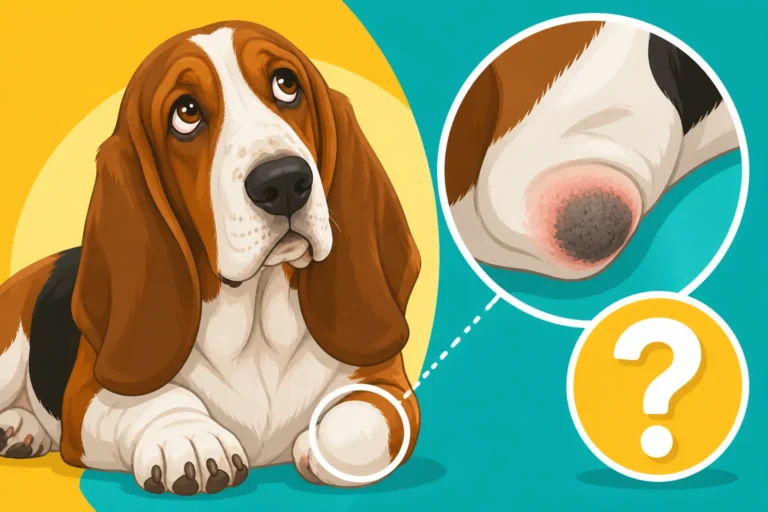
The consequences of ears constantly coated in food go far beyond a simple wipe-down. That sticky, moist residue can irritate the sensitive skin of the ear, leading to dermatitis or even painful sores if left unchecked. More critically, the trapped moisture and organic matter significantly increase the risk of ear infections. Basset Hounds are already predisposed to ear issues due to their long, heavy ears that restrict airflow to the ear canal, creating a warm, dark, humid environment perfect for pathogens. Adding food debris to this equation only exacerbates the problem.
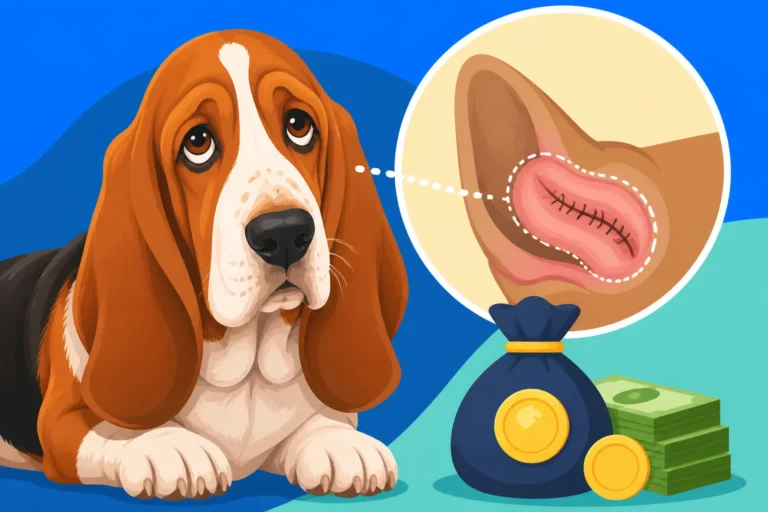
Imagine trying to clean a crusty, sensitive ear multiple times a day. It's not fun for you, and it's certainly not comfortable for your Basset. These recurring infections can lead to chronic discomfort, pain, and costly vet visits. Some Basset Hounds end up needing ear drops for life to manage persistent issues, and in severe cases, the ear canal can even close up due to chronic inflammation, potentially requiring complex and expensive surgery. This is why preventative measures are so crucial. Maintaining clean ears is a constant battle, making it clear why dedicated effort is needed to prevent issues like the recurring problems seen in The Ear Infections That Never Really Leave a Basset Hound.
The Daily Frustration for Owners and Hounds
For owners, the daily struggle of keeping ears clean can feel like a relentless chore. Every meal is a cleanup operation, requiring immediate attention to prevent food from drying and hardening on the ears. This can become particularly frustrating when you're trying to feed multiple dogs or manage a busy household. There's also the constant worry about your Basset’s health – are their ears getting enough air? Are they developing an infection? This vigilance adds mental load to an already full schedule of pet care.
From the Basset Hound's perspective, having sticky, dirty ears is uncomfortable. They might try to rub their ears on furniture or paw at them, which can further irritate the skin or spread the mess. Constant ear cleaning, while necessary, can also become a negative experience if not handled gently, potentially leading to a dog that resists ear care entirely. It creates a cycle of frustration for both parties, turning a simple, enjoyable act like eating into a source of stress. Finding a way to make mealtime cleaner isn't just about tidiness; it’s about improving the quality of life for your Basset and reducing your own daily worries.
What Exactly is a Snood and How Does It Help?
When faced with the constant battle against dirty ears at mealtime, many Basset Hound owners turn to a simple yet ingenious accessory: the snood. If you've never heard of one, you might picture something fancy or complicated, but in reality, it's a wonderfully practical item.
Understanding the Snood's Design and Purpose
At its core, a snood is a tubular piece of fabric, often made from soft, breathable materials like cotton, fleece, or a stretchy knit. Think of it like a fabric headband, but much longer, designed to cover and gently hold a dog's ears up and back, away from their face. It typically has elasticated openings at both ends – one to go around the dog's neck, and the other to gather just behind the skull, ensuring a snug but comfortable fit that keeps the ears neatly tucked away.
The primary purpose of a snood is purely functional: to protect those long, majestic ears from various external factors. For breeds like Basset Hounds, with their exceptional ear length and low-slung heads, a snood becomes an invaluable tool. It acts as a barrier, preventing their ears from dipping into food and water bowls, trailing through mud on walks, or even getting stepped on by clumsy paws. It's a remarkably straightforward design that solves a very specific problem with elegance and simplicity, minimizing direct exposure to potential contaminants.
How a Snood Protects and Prevents Mess
The magic of a snood at dinner time is its ability to create an effective physical barrier. As your Basset lowers its head to eat, the snood holds the ears securely against the sides of their head and back, preventing them from falling forward into the bowl. This means no more caked-on food, no more wet, greasy ears, and a significant reduction in post-meal cleanup. It's a game-changer for maintaining hygiene, as the ears remain dry and clean throughout the feeding process.
Beyond just preventing mess, a snood actively contributes to better ear health. By keeping the ears out of food and water, it helps to maintain a drier environment around the ear canal. This is crucial for breeds prone to infections. Without the constant moisture and food residue, there's less opportunity for yeast and bacteria to proliferate, which can contribute to the issues addressed in "Whether Yeast or Bacteria Is in a Basset Hound's Ear". While a snood won't eliminate the need for regular ear care, it dramatically reduces one of the primary sources of contamination and irritation, making your routine ear cleaning sessions much more effective and less frequent. It's a proactive step that can save you a lot of hassle and your Basset a lot of discomfort in the long run.
Beyond Dinner: Other Uses for a Snood
While the mealtime mess is often the driving force behind getting a snood, its utility extends far beyond the food bowl. These versatile accessories can provide protection and comfort in several other scenarios, making them a worthwhile investment for any Basset Hound owner.
Consider outdoor adventures: Basset Hounds love to follow their nose, often with their ears sweeping the ground, picking up all sorts of debris like twigs, burrs, and even ticks. A snood can keep their ears tucked up and safe, preventing these hitchhikers from getting entangled in their fur or causing irritation. It's especially useful during walks through tall grass or wooded areas. When grooming, a snood can also be helpful. It keeps the ears out of the way during brushing, bathing, or even when applying ear treatments, simplifying the process for both you and your dog. You'll find yourself needing less intensive ear cleaning if you utilize a snood to prevent accumulation of debris, complementing efforts to understand How Often a Basset Hound's Ears Must Be Cleaned.
Moreover, snoods can offer a layer of comfort and warmth during colder weather. While Basset Hounds have a short coat, their long ears can get quite cold, especially if they are damp. A fleece snood provides a gentle insulation, protecting them from the elements. Some owners even use them to help anxious dogs, as the gentle compression can have a calming effect similar to a Thundershirt, though this is a secondary benefit and highly dependent on the individual dog. In essence, a snood is a multi-purpose tool that addresses several common Basset Hound challenges, enhancing their comfort and keeping them cleaner in various situations.
Choosing and Introducing a Snood to Your Basset Hound
So, you're convinced a snood might be the answer to your mealtime woes. But with so many options out there, how do you pick the right one, and more importantly, how do you get your sometimes-stubborn Basset Hound to actually wear it? It’s all about finding the right fit and making the introduction a positive experience.
Finding the Right Snood for Your Basset
Selecting the perfect snood involves a few key considerations to ensure comfort and effectiveness. First and foremost, size is crucial. A snood that’s too tight will be uncomfortable and could restrict blood flow, while one that’s too loose will simply slip off or fail to keep the ears contained. Measure your Basset's neck circumference and the distance from just behind their ears to the top of their neck, then compare these to sizing charts provided by manufacturers. Brands like SnoodDogs or Lickety-Snoods offer a variety of sizes and materials specifically for long-eared breeds, ensuring a good fit.
Material also matters. For mealtime, you'll want something durable and easy to clean, perhaps a cotton or poly-blend fabric that can withstand frequent washing. For cooler weather or added comfort, fleece can be a good choice. Consider breathability, especially if your Basset tends to get hot. Some snoods even come in mesh fabrics for maximum airflow, which can be great if you're concerned about heat buildup around the ears. Don't be afraid to try a couple of different styles or materials to see what your Basset tolerates best. Remember, the goal is for them to associate the snood with a positive experience, not an annoyance.
Gentle Introduction and Positive Reinforcement
Introducing anything new to a Basset Hound requires patience and positive reinforcement. They can be creatures of habit, and suddenly putting something on their head might be met with confusion or even resistance. Start by simply letting your Basset sniff the snood. Offer treats and praise while they investigate it. The next step is to gently place the snood over their head, but don't force it down onto their ears right away. Just let it rest around their neck for a moment, again, showering them with praise and high-value treats.
Gradually, work towards pulling the snood fully into position, covering their ears. Do this in short bursts, perhaps just for a few seconds initially, always ending on a positive note with treats and happy talk. Associate the snood directly with mealtime. Put it on just before you set down their food, and remove it immediately after they finish eating. This creates a clear association: "snood means delicious food is coming!" Over time, they'll learn to accept it as part of their mealtime routine, perhaps even looking forward to it. This gentle approach is key to teaching a Basset Hound to have its ears handled, whether for cleaning or snood application. If you’re ever worried about the cost of managing ear-related skin issues from lack of prevention, knowing that preventative measures might reduce the chances of big vet bills can be a relief, and pet insurance like Healthy Paws can also offer peace of mind.
Making the Snood a Routine, Not a Punishment
The ultimate goal is for your Basset to view the snood as a neutral, or even positive, part of their daily life, especially at meals. Consistency is vital here. Always use the snood for every meal, and try to make the process calm and predictable. Avoid making a fuss or acting stressed if they resist initially; your calm demeanor will help them relax. If they paw at it or try to shake it off, gently redirect them with a treat or toy, or simply ignore the behavior if it's minor, and praise heavily when they stop.
It also helps to keep the snood clean. A dirty, smelly snood won't be appealing to your sensitive-nosed Basset. Have a couple of snoods on hand so you can easily rotate them through the wash. Just like regularly cleaning a Basset Hound’s skin folds, consistent washing of the snood prevents buildup of odors and bacteria. By integrating it seamlessly into their routine, alongside their food, walks, and cuddles, the snood becomes just another part of being a beloved Basset. This can contribute significantly to their overall health, reducing the likelihood of requiring What Ear Treatment Costs a Basset Hound Owner Yearly due to avoidable infections.
Alternatives and Complementary Strategies for Mess-Free Meals
While a snood is a fantastic solution for many Basset Hound owners, it’s not the only trick in the book. Sometimes, a combination of strategies works best, or you might find that other tools complement the snood beautifully to ensure those long ears stay clean and healthy.
Specialized Bowls and Feeding Setups
One common alternative or addition to a snood is the use of specialized food bowls. The traditional wide, shallow bowl is often the culprit for dipping ears. Many owners find success with narrow, deep bowls, sometimes referred to as "spaniel bowls" (though perfectly suited for Basset Hounds too!). These bowls are designed with a smaller opening at the top and deeper sides, which naturally keeps the ears out of the food as your dog lowers their head. They encourage your Basset to eat with their muzzle more directly in the center of the bowl, away from the ear flaps.
Another popular option is a raised feeder. While primarily beneficial for certain digestive issues or for older dogs who struggle to bend, a raised bowl can also help keep ears cleaner. By bringing the food closer to the dog's mouth level, it can reduce the angle at which their head is lowered, thereby lessening the chance of their ears trailing into the food. However, it’s important to research whether a raised feeder is truly appropriate for your Basset, as some studies suggest mixed benefits, particularly for breeds prone to bloat. For many, simply ensuring your Basset has an appropriate eating setup, alongside knowing "How Much Food an Adult Basset Hound Eats Daily", can significantly improve mealtime hygiene.
Cleaning Routines and Ear Care
Even with the best preventative measures, a Basset Hound’s ears will still require a consistent cleaning routine. Their long, heavy ears naturally limit airflow, creating a warm, moist environment that can foster bacterial and yeast growth, regardless of food messes. Therefore, regular ear checks and cleaning are non-negotiable. Aim for at least once or twice a week, or more frequently if your Basset is prone to infections or has been swimming.
Use a vet-recommended ear cleaner designed for dogs. Simply moisten a cotton ball or gauze pad and gently wipe the visible parts of the ear flap and around the entrance to the ear canal. Never insert anything deep into the ear canal, as this can cause damage. For deeper cleaning, your vet can instruct you on how to properly flush the ear, if necessary, using a gentle solution. Pay close attention to any redness, discharge, or foul odor, which are all signs of a potential infection requiring veterinary attention. Proactive care like this, alongside preventive measures, is far better than dealing with recurring infections that might lead to Whether a Basset Hound Needs Lifelong Ear Medication. Pet insurance, such as through Healthy Paws, can also be a valuable asset for unexpected vet visits related to ear health.
When a Snood Might Not Be the Full Solution
While snoods are incredibly effective, it's important to acknowledge that they might not solve every ear-related problem for every Basset Hound. Some dogs simply refuse to wear a snood, no matter how much positive reinforcement you offer. In these cases, you might need to rely more heavily on specialized bowls and rigorous post-meal cleaning. Additionally, a snood only helps during mealtimes; it won't prevent ears from getting dirty during walks in muddy weather or from accumulating debris in the yard.
It's also crucial to remember that a snood isn't a cure-all for underlying ear health issues. If your Basset Hound is experiencing chronic ear infections, excessive wax buildup, or persistent odor, a snood will only address the mealtime aspect. You'll still need to consult with your veterinarian to diagnose and treat any medical conditions. Sometimes, dogs with severe, chronic issues might even require specific dietary changes to help manage allergies or inflammation, which can affect ear health. Therefore, while a snood is an excellent tool for prevention, it should be part of a broader, holistic approach to your Basset Hound's ear care, which includes regular vet check-ups and a solid understanding of Which Ear Cleaner Suits a Basset Hound.
Snood Benefits and Considerations Table
Here's a quick look at the advantages and things to keep in mind when using a snood for your Basset Hound:
| Feature/Consideration | Benefits | Drawbacks/Things to Note |
|---|---|---|
| Prevents Mess at Meals | Keeps ears out of food and water, significantly reducing cleanup. Prevents food from drying on fur and skin. | Requires consistent application by owner. Some Bassets may initially resist wearing it. |
| Improves Hygiene | Reduces moisture and food residue on ears, lowering risk of bacterial/yeast infections. | Does not eliminate the need for regular ear cleaning and vet checks for underlying issues. If not breathable, can trap heat. |
| Protects Ears | Shields ears from dirt, burrs, twigs, and accidental stepping on during outdoor activities. Offers some warmth in cold weather. | Not a full solution for protecting against all elements or injuries (e.g., ear flaps getting torn in rough play). |
| Comfort for Dog | Prevents discomfort from sticky, dirty ears. Can be calming for some dogs due to gentle compression. | Improper fit can cause discomfort or restrict blood flow. Some dogs simply won't tolerate it, leading to stress for both dog and owner. |
| Cost & Maintenance | Snoods are relatively inexpensive. Easy to wash and maintain. | Requires having multiple snoods for rotation if used frequently. Need to replace as they wear out. |
| Training & Acceptance | With positive reinforcement, most Bassets can be trained to accept it. Makes mealtime less stressful for owners. | Requires patience and consistent effort during introduction. Can be challenging with highly resistant dogs, leading to owners seeking alternative solutions like a narrow, deep bowl, or a specialized feeder like "Whether a Basset Hound Should Eat From a Raised Bowl". |
| Overall Health Impact | Contributes to better ear health by minimizing environmental contaminants. Reduces frequency of severe ear infections. | Does not replace professional veterinary care for persistent ear problems. Always consult a vet for any signs of infection, which can sometimes escalate to the point of needing What a Basset Hound's Emergency Surgeries Cost. |
Ultimately, a snood is a fantastic, low-tech tool that addresses a very real and common problem for Basset Hound owners. While it might take a little patience to introduce, the benefits in terms of hygiene, ear health, and reduced cleanup are often well worth the effort.
Disclaimer
This article is intended for informational purposes only and is not a substitute for professional veterinary advice. Always consult with a qualified veterinarian for any health concerns or before making any decisions about your Basset Hound's care, diet, or treatment plan.