Whether Glaucoma Runs in Basset Hound Lines
It’s a heartbreaking reality when you learn that a beloved breed, especially one as sweet and soulful as our Basset Hounds, can be predisposed to serious health conditions due to genetics. One of the most worrying is glaucoma, an inherited eye disease that can steal their sight. This guide is here to shed light on whether glaucoma truly runs in Basset Hound lines, helping you understand the genetic risks, how to identify the signs, and what steps you can take to protect your floppy-eared companion.
The Undeniable Genetic Link to Glaucoma in Basset Hounds
Yes, the difficult truth is that glaucoma absolutely runs in Basset Hound lines, and it’s a significant concern for anyone who owns or is considering adopting one of these wonderful dogs. We're not talking about a random occurrence here; it's a deeply ingrained genetic predisposition that makes Basset Hounds one of the breeds most commonly affected by certain forms of glaucoma. This isn't just bad luck; it's a biological reality we need to confront head-on to best care for our pups.
Primary Glaucoma: A Basset Hound's Genetic Burden
When we talk about glaucoma in Basset Hounds, we're primarily discussing what’s known as "primary glaucoma." This means the condition isn't caused by another underlying disease or injury, but rather directly inherited. Unlike secondary glaucoma, which might result from an eye injury or tumor, primary glaucoma is a ticking genetic time bomb for many Bassets. There are two main types of primary glaucoma that can affect Basset Hounds: Primary Open-Angle Glaucoma (POAG) and Primary Angle-Closure Glaucoma (PACG). POAG is particularly prevalent in Basset Hounds and is caused by a malformation in the eye's drainage angle, preventing the fluid (aqueous humor) from escaping properly. This leads to a build-up of pressure, which then damages the optic nerve and eventually results in irreversible blindness. Imagine the chronic, dull ache of pressure building behind your eyes, but with no way to communicate it – that’s often what our Bassets endure.
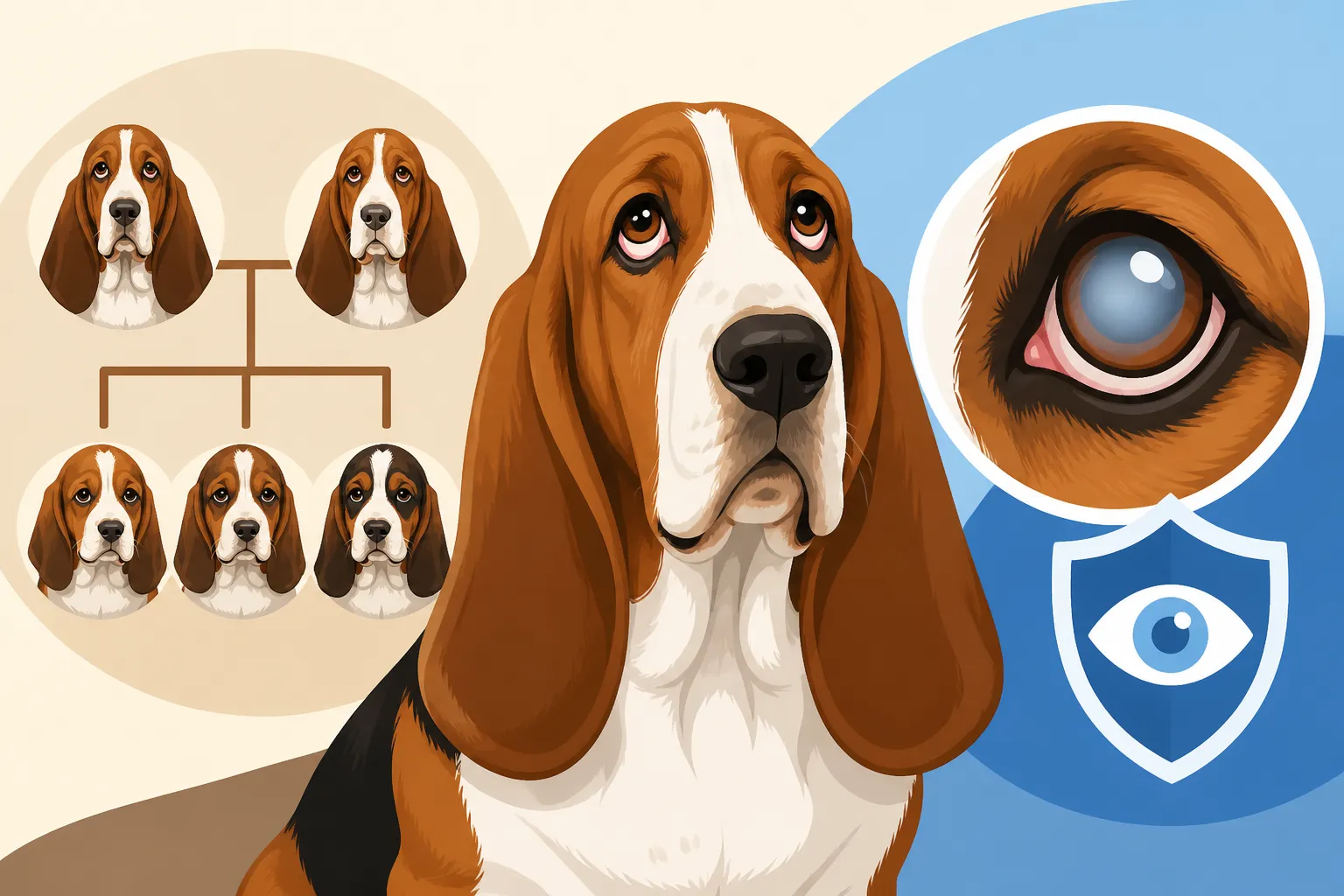
The genetic basis for POAG in Basset Hounds has been thoroughly researched, revealing a specific mutation in the ADAMTS17 gene. This gene plays a crucial role in eye development, and a faulty version predisposes them to the condition. It’s a recessive trait, meaning a Basset Hound needs to inherit two copies of the mutated gene (one from each parent) to develop the disease. If they inherit only one copy, they become a "carrier" – they won't typically show signs of glaucoma themselves, but they can pass the mutated gene on to their offspring. This is why the problem persists, even if breeders try to be careful. Knowing about the intricacies of diseases like "The Glaucoma a Basset Hound Inherits" can truly make a difference in understanding your dog's future.
How Glaucoma Manifests and Progresses
The insidious nature of POAG is that it often develops slowly and painlessly at first, making early detection a real challenge. Many owners don't notice the subtle changes until significant vision loss has already occurred. Typically, Basset Hounds start showing signs of glaucoma between the ages of 3 and 7 years, though it can appear earlier or later. "The Age Glaucoma Shows in a Basset Hound" can vary, but staying vigilant during these years is crucial. You might initially notice one eye appearing slightly larger or cloudier than the other, or your Basset might start bumping into furniture more often, especially in low light. The intraocular pressure (IOP) gradually increases, causing progressive damage to the retina and optic nerve.
As the condition progresses, the signs become more apparent and painful. The affected eye may become visibly red, swollen, and cloudy. Your Basset might start rubbing their eye, squinting, or showing signs of discomfort like decreased appetite or lethargy. The constant pressure can be incredibly painful, feeling like a severe headache. Without intervention, this pressure eventually leads to complete blindness in the affected eye, and often, the other eye will follow suit, even if it initially seemed unaffected. It’s a cruel progression, and understanding "What Open Angle Glaucoma Does to a Basset Hound" truly highlights the importance of early detection and management.
Proactive Steps to Identify and Screen for Glaucoma
Given the strong genetic component, simply hoping your Basset Hound will be one of the lucky ones isn't a viable strategy. Proactive screening and a deep understanding of your dog's lineage are absolutely essential. This is where responsible ownership truly shines, allowing us to catch potential issues early and provide our beloved companions with the best possible care.
Recognizing the Early Warning Signs
Sometimes, despite our best efforts with screening, the first indication of trouble comes from observing our dogs. It’s vital to be intimately familiar with your Basset Hound's normal eye appearance and behavior so you can spot even subtle changes. Look for things like a dilated pupil that doesn't react to light, a bluish or hazy appearance to the cornea (the clear outer layer of the eye), increased blinking or squinting, or a visible redness in the white part of the eye. Your dog might seem a little disoriented, especially in new environments or when navigating familiar spaces in dim light. They might start hesitating before jumping off furniture or going down stairs.
If you ever notice your Basset Hound's eye appearing red, painful, or cloudy, consider it an emergency. Glaucoma can escalate very quickly, and every hour counts when it comes to saving vision. Don't delay—get to an emergency veterinary clinic or an ophthalmologist immediately. Delaying treatment can mean the difference between saving some vision and losing it entirely. If you're wondering "Whether a Basset Hound's Red Eye Is an Emergency", the answer is a resounding yes. Pay close attention to "The First Signs of Glaucoma in a Basset Hound" to act swiftly.
The Critical Role of Ophthalmic Screening
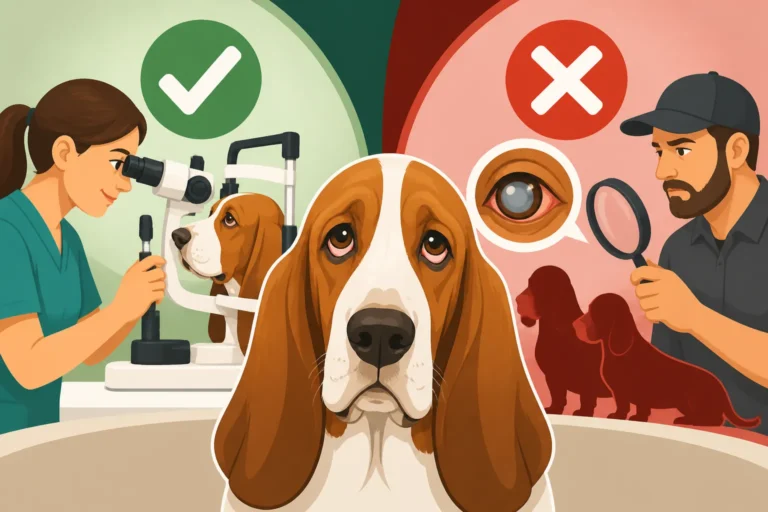
For any Basset Hound, especially those from breeding lines with unknown health histories or those who are themselves potential breeding stock, regular ophthalmic screening is non-negotiable. This isn't just a basic vet check-up; it involves specialized tests performed by a veterinary ophthalmologist.
The two primary screening tests are:
- Gonioscopy: This involves using a special contact lens and a microscope to examine the drainage angle of the eye. It allows the ophthalmologist to assess whether the angle is open, narrow, or predisposed to closure, giving an early indication of glaucoma risk. This is a crucial tool for breeders to understand the structural predisposition of their dogs.
- Tonometry: This measures the intraocular pressure (IOP) within the eye. It's a quick, non-invasive test often done with a Tonopen, which gently touches the surface of the eye after a numbing drop. Regular tonometry allows for the detection of elevated pressure before significant damage occurs. Ideally, Basset Hounds, particularly those from at-risk lines, should have their eyes checked yearly, if not more frequently, by a specialist. It's a small investment compared to the cost of treating advanced glaucoma or coping with a blind dog. Many pet insurance providers, like Healthy Paws, offer coverage that can help offset the costs of these vital screenings and subsequent treatments, making regular care more accessible.
It's a strong recommendation that reputable breeders actively participate in screening programs through organizations like the Orthopedic Foundation for Animals (OFA) Eye Certification Registry (formerly CERF). This involves ophthalmologists examining and certifying dogs free of detectable eye diseases before breeding. When considering a puppy, always ask about the parents' eye certifications and genetic testing results. Knowing "Whether a Basset Hound Breeder Screens for Glaucoma" is a foundational question to ask any potential breeder. It's about proactive health, not reactive treatment.
Living with a Basset Hound Prone to or Diagnosed with Glaucoma
Receiving a glaucoma diagnosis for your Basset Hound can feel overwhelming. The fear of them losing their sight, coupled with the potential for ongoing treatments and financial strain, is a heavy burden. However, with careful management and a deep well of love, Basset Hounds can still live rich, fulfilling lives, even if their vision is compromised.
Managing the Disease: Treatments and Challenges
If your Basset Hound is diagnosed with glaucoma, the primary goal of treatment is to lower the intraocular pressure to prevent further damage to the optic nerve. This typically starts with medicated eye drops, often several times a day, for the rest of their life. These drops work in various ways – some reduce fluid production, while others increase fluid drainage. Consistency is absolutely key here; missing doses can lead to pressure spikes and irreversible damage. It's a commitment, requiring diligence from owners, but it’s a commitment worth making.
For some Bassets, eye drops may not be enough, or the disease might progress rapidly. In these cases, surgical options might be considered. These can range from laser cyclophotocoagulation (which reduces fluid production) to gonioimplantation (placing a shunt to help drain fluid) or even cyclocryosurgery (freezing ciliary body tissue). In severe, painful, and untreatable cases where vision is already lost, enucleation (surgical removal of the eye) might be recommended to alleviate suffering. This is a last resort, but often the kindest one for a dog in chronic pain. The journey of managing glaucoma is often long and requires patience, adaptation, and consistent veterinary care. It's a sad reality that "Whether a Basset Hound Goes Blind From Glaucoma" is often a matter of time without diligent intervention.
The Financial and Emotional Impact
Let’s be honest, managing a chronic condition like glaucoma isn't just emotionally taxing; it can also be a significant financial strain. The cost of daily eye drops can quickly add up, easily becoming hundreds of dollars a month, depending on the specific medications and dosage required. Then there are the regular veterinary ophthalmologist check-ups – often every few months – to monitor pressure and adjust medications. If surgery becomes necessary, "What Glaucoma Surgery Costs a Basset Hound Owner" can run into thousands of dollars per eye. Even a single course of emergency glaucoma treatment can be incredibly expensive. This is where a good pet insurance plan can be a lifesaver. Providers like Healthy Paws can help cover a large percentage of these costs, from medications to specialist visits and even emergency surgeries, providing immense peace of mind. It’s worth checking if "Whether Glaucoma Is Covered on a Basset Hound Policy" with your provider or a new one.
Beyond the financial aspect, there’s the emotional toll. Watching your Basset Hound lose their sight can be heartbreaking. They might become more anxious, less confident, or have difficulty navigating their surroundings. It requires patience and adaptability from you to create a safe, consistent environment for them. However, Basset Hounds are remarkably resilient. Many blind Bassets adapt incredibly well, relying on their phenomenal sense of smell and hearing to navigate their world. Providing them with consistent routines, familiar surroundings, and lots of verbal reassurance can help them thrive. "What a Basset Hound's Eye Care Costs" is a conversation that often doesn't happen until a diagnosis, but it's one every Basset owner should be prepared for.
Responsible Breeding Practices and Choosing a Healthy Puppy
Because glaucoma is an inherited disease in Basset Hounds, the responsibility to reduce its prevalence falls squarely on the shoulders of ethical breeders. As a prospective puppy owner, your choices also play a crucial role in supporting responsible breeding and ultimately, the health of the breed.
Breaking the Genetic Chain: Breeder's Role
Reputable Basset Hound breeders are acutely aware of the risk of glaucoma and take active steps to minimize it in their lines. This involves a multi-pronged approach:
- Genetic Testing: Breeders should be utilizing available DNA tests to identify carriers of the ADAMTS17 gene mutation responsible for POAG. Even if a dog doesn't have glaucoma itself, if it's a carrier, breeding it with another carrier could produce affected puppies. Therefore, responsible breeders will only breed a carrier to a non-carrier to ensure no affected puppies are produced. Asking "Whether a Basset Hound Can Be Tested for Glaucoma" is an excellent question for any breeder.
- Ophthalmic Examinations: All breeding stock should undergo regular eye examinations by a board-certified veterinary ophthalmologist. This includes gonioscopy and tonometry to assess the health of the drainage angles and intraocular pressure. These certifications should be registered with national organizations like the OFA Eye Certification Registry.
- Transparent Health Guarantees: A breeder committed to the health of their puppies will provide a comprehensive health guarantee, often covering inherited conditions like glaucoma. They should be open about the health history of their breeding dogs and their pedigrees, showing a clear commitment to genetic health. For example, some pet insurance companies, such as Healthy Paws, allow you to enroll puppies very early, ensuring any conditions that manifest later might be covered.
Remember, a cheap puppy often comes with hidden costs down the line – particularly health-wise. Investing in a puppy from a breeder who prioritizes health testing is an investment in your Basset Hound's future well-being and a healthier breed overall.
What to Ask and Look For in a Puppy
When you're looking for a Basset Hound puppy, don't be afraid to ask tough questions. Any reputable breeder will welcome them and be happy to educate you.
Here's a checklist of questions and considerations:
| Aspect | Questions to Ask the Breeder | What to Look For |
|---|---|---|
| Parental Health | Have both parents been genetically tested for POAG (ADAMTS17 mutation)? Can I see the results? | Evidence of clear genetic test results for both parents. |
| Have both parents had current OFA Eye Certifications (or equivalent)? Can I see the paperwork? | Certificates from a board-certified veterinary ophthalmologist, ideally within the last year. | |
| Breed Specific Tests | What other health tests have the parents undergone? (e.g., hip/elbow dysplasia, thrombopathia) | Documentation of all recommended health screenings for the breed. |
| Pedigree & History | Are there any instances of glaucoma in the parents' or grandparents' lines? | Openness and honesty about any health issues in the lineage. |
| Transparency | Can I visit to meet the parents and see their living conditions? | A clean, safe environment; healthy, friendly adult dogs. |
| Health Guarantee | What kind of health guarantee do you offer for your puppies, especially regarding inherited conditions? | A written contract detailing coverage for genetic diseases and a reasonable return/replacement policy. |
| Veterinary Care | What veterinary care has the puppy received (vaccines, deworming, microchip)? | Comprehensive vet records for the puppy. |
This thorough inquiry is part of "The Health Tests a Basset Hound Breeder Should Run" and helps ensure you’re making an informed decision. By choosing a puppy from a breeder who actively works to eliminate genetic diseases like glaucoma, you’re not only giving your own Basset Hound the best possible start but also contributing to the long-term health and integrity of the entire Basset Hound breed.
Disclaimer
The information provided in this article is for general educational purposes only and should not be considered a substitute for professional veterinary advice. Always consult with a qualified veterinarian or veterinary ophthalmologist regarding any health concerns or before making any decisions about your Basset Hound's medical care.