What Glaucoma Surgery Costs a Basset Hound Owner
When your beloved Basset Hound receives a glaucoma diagnosis, the initial shock can quickly turn into a wave of anxiety, especially when you start to consider the financial implications of treatment. Many of us have been there, facing a sudden, critical health issue with our furry family members and immediately worrying about how we'll afford the necessary care. This comprehensive guide aims to break down exactly what you can expect in terms of costs for glaucoma surgery for your Basset Hound, giving you a clearer picture of the investment required to manage this challenging condition.
Understanding the Financial Layers of Glaucoma Surgery for Your Basset Hound
The cost of glaucoma surgery for a Basset Hound isn't a single, straightforward figure you can just pull out of thin air. It's a complex tapestry woven from various medical procedures, specialist consultations, and ongoing care. Just like a human surgery, there are multiple stages involved, each adding to the overall expense, and it’s important to understand these layers so you aren't caught off guard.
Initial Diagnosis and Pre-Surgical Workup
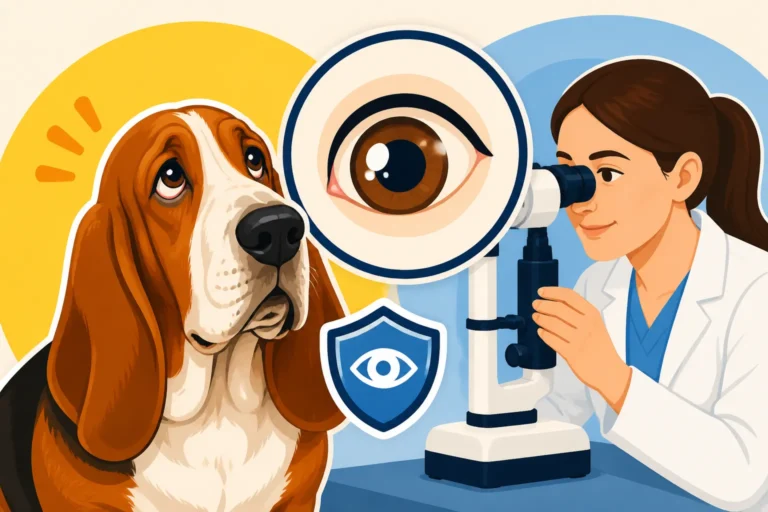
Before any discussion of surgery can even begin, your Basset Hound will need a thorough diagnostic process to confirm glaucoma and assess its severity. This almost always starts with a visit to your primary veterinarian. They'll typically perform a basic eye exam, which might include measuring intraocular pressure (IOP) using a tonometer. If they suspect glaucoma, they'll likely refer you to a veterinary ophthalmologist – a specialist who has the advanced equipment and expertise to properly diagnose and stage the disease. This specialist consultation alone can range anywhere from $150 to $400, depending on your location and the clinic's fees.
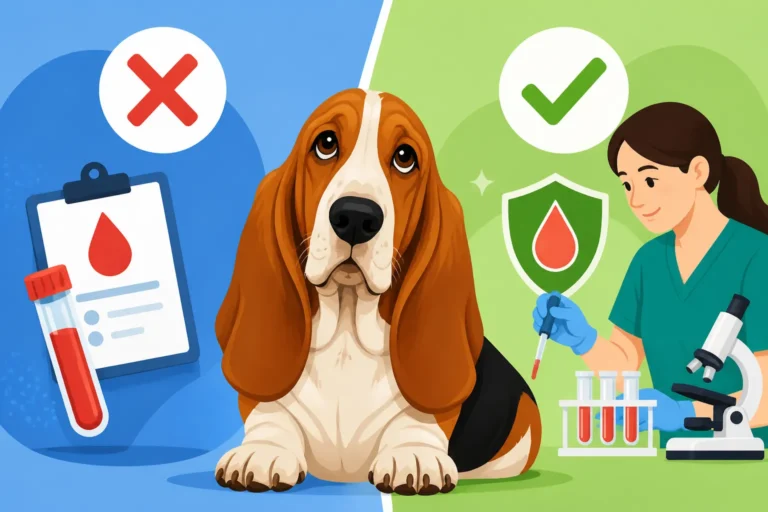
Once with the specialist, further tests will be conducted. These can include gonioscopy to examine the drainage angle of the eye, ultrasound to look for structural abnormalities behind the eye, and electroretinography (ERG) to assess retinal function, especially if vision-saving surgery is considered. All of these advanced diagnostics accumulate costs. Additionally, your Basset Hound will need a comprehensive pre-surgical workup, including blood tests (complete blood count, chemistry panel) to ensure they are healthy enough for anesthesia and surgery, which can add another $100 to $300 to your bill. It’s during these early stages that you might also begin to notice The First Signs of Glaucoma in a Basset Hound These initial costs, while seemingly small individually, quickly add up before your dog even steps into the operating room.
The Surgical Procedures Themselves
The core of the expense lies, naturally, in the surgical procedure itself. Glaucoma surgery isn't a one-size-fits-all solution; the type of surgery recommended will depend on the specific form of glaucoma (primary vs. secondary), the extent of vision loss, and the overall prognosis for saving or preserving the eye. For Basset Hounds, who are prone to primary closed-angle glaucoma, the goal is often to either reduce fluid production or improve fluid drainage. Common vision-saving procedures include laser cyclophotocoagulation, which uses a laser to destroy some of the cells that produce aqueous humor, and gonioimplantation, which involves placing a tiny shunt to help drain fluid from the eye. These complex surgeries require specialized equipment and highly skilled veterinary surgeons.
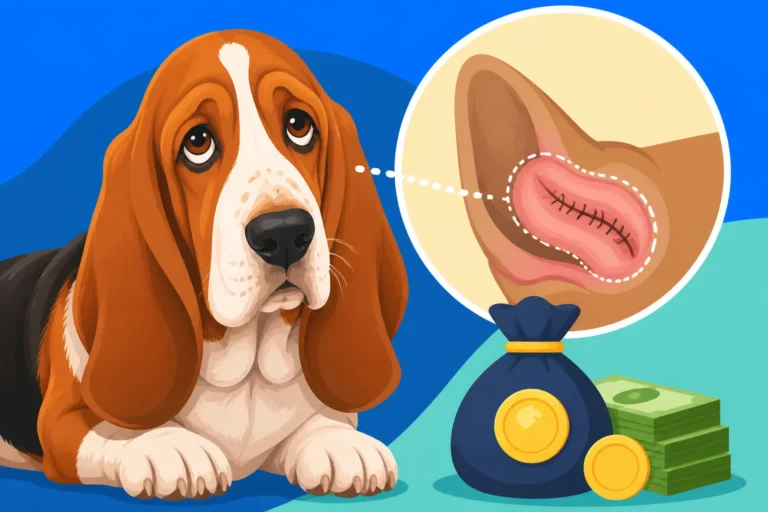
The cost for these vision-saving procedures can be substantial, often ranging from $1,500 to $4,000 or more per eye. If both eyes are affected, as is common in primary glaucoma in Basset Hounds, the cost could double, although some clinics may offer a slight discount for bilateral procedures. However, not all eyes can be saved, or in some cases, the pain becomes unmanageable. If the eye has already lost all vision and is causing significant pain, or if the owners decide against expensive vision-saving options, the most humane and often less costly surgical option is enucleation, which is the complete removal of the affected eye. While still a major surgery, What Removing a Basset Hound's Eye Costs is typically lower than vision-saving procedures, usually ranging from $800 to $2,500 per eye, covering the surgical fees, operating room use, and initial supplies.
Anesthesia, Hospitalization, and Post-Operative Care
Beyond the immediate surgical fees, there are critical elements of care that contribute significantly to the total cost. Anesthesia for a Basset Hound, particularly a senior one or one with other health concerns, requires careful monitoring by a trained veterinary anesthetist. The cost for anesthesia, including pre-anesthetic sedatives, induction agents, inhaled anesthetics, and vital sign monitoring throughout the procedure, can add another $300 to $800 to your bill. This isn't just a simple sedative; it's a carefully managed medical process to ensure your dog's safety.
After surgery, your Basset Hound will need a period of hospitalization for recovery and close observation. This might range from an overnight stay to a few days, depending on the complexity of the surgery and the individual dog's recovery. Hospitalization fees cover nursing care, intravenous fluids, pain management injections, and any emergency interventions. Once home, the post-operative care regimen is intense and crucial for success. This typically includes multiple medications such as anti-inflammatory drugs, antibiotics, and specific eye drops, often needing to be administered several times a day for weeks or even months. These medications can easily cost $100 to $500 for the initial supply. Furthermore, frequent follow-up appointments with the ophthalmologist are essential to monitor healing, check intraocular pressure, and adjust medications. Each follow-up visit can cost $50 to $200, and you might need several in the first few months post-surgery. These follow-ups are vital to ensure the surgery was successful and to catch any complications early, especially if your Basset Hound is at risk of Whether a Basset Hound Loses Both Eyes to Glaucoma.
Typical Cost Ranges for Glaucoma Surgery in Basset Hounds
Understanding the potential costs upfront can help you prepare for the financial commitment of glaucoma surgery for your Basset Hound. These figures are estimates, but they provide a realistic range based on current veterinary pricing across different regions and types of clinics.
Geographic Variations and Clinic Types
The cost of veterinary care, including specialized surgeries like glaucoma treatment, can vary significantly depending on where you live. Major metropolitan areas and regions with a higher cost of living, such as New York, California, or parts of the Pacific Northwest, typically have higher veterinary prices compared to rural areas or states with lower living expenses. This is due to variations in overhead costs, staff salaries, and the demand for specialized services. For example, a laser surgery that might cost $2,500 in a smaller city could easily be $3,500 or more in a large urban center.
Furthermore, the type of clinic makes a difference. A general veterinary practice that offers some advanced procedures might be slightly less expensive for certain services, but for complex conditions like glaucoma, a board-certified veterinary ophthalmologist is almost always recommended. These specialist clinics (often found in referral centers or university veterinary hospitals) have state-of-the-art equipment and highly trained staff, which naturally comes with a higher price tag. However, the expertise and advanced technology they offer often translate to better outcomes for your Basset Hound. It's often worth the investment to see a specialist when dealing with conditions that can severely impact your dog's quality of life and potentially cause Whether Glaucoma Hurts a Basset Hound.
Comparing Different Surgical Interventions for Glaucoma
As discussed, there are different surgical approaches to managing glaucoma, and their costs reflect their complexity and goals. The table below outlines general cost ranges for common glaucoma surgeries, keeping in mind that these are estimates and can fluctuate.
| Procedure Type | Average Cost Range (Per Eye) | Purpose |
|---|---|---|
| Initial Vet Consult & IOP | $100 – $300 | Screening, initial pressure check |
| Specialist Ophthalmologist Consult | $150 – $400 | Advanced diagnosis, treatment plan |
| Pre-Surgical Workup (Bloodwork) | $100 – $300 | Assess suitability for anesthesia |
| Laser Cyclophotocoagulation | $1,500 – $3,000 | Reduces fluid production to lower pressure (vision-saving) |
| Gonioimplant (Drainage Shunt) | $2,000 – $4,000 | Improves fluid drainage to lower pressure (vision-saving) |
| Enucleation (Eye Removal) | $800 – $2,500 | Removes painful, blind eye (salvage procedure) |
| Anesthesia & Monitoring | $300 – $800 | Safety during surgery |
| Post-Operative Meds (Initial) | $100 – $500 | Pain relief, infection prevention, pressure control |
| Follow-up Visits (Each) | $50 – $200 | Monitor healing, adjust meds |
It's clear that vision-saving surgeries, like laser cyclophotocoagulation or gonioimplantation, represent a significant financial commitment, potentially totaling $2,500 to $5,000 or more for a single eye once all associated costs (diagnostics, anesthesia, post-op care) are factored in. This makes sense, as these procedures are designed to preserve a precious sense and are incredibly intricate. On the other hand, enucleation, while still a considerable expense, can be a more affordable option when vision is already lost, and the priority is pain relief and quality of life for your Basset Hound. It's important to have an open and honest discussion with your veterinary ophthalmologist about the prognosis for What Open Angle Glaucoma Does to a Basset Hound or other types of glaucoma in your dog, and what treatment path makes the most sense both medically and financially for your family.
Managing the Financial Burden of Basset Hound Glaucoma
Receiving a glaucoma diagnosis for your Basset Hound can feel overwhelming, not just emotionally but financially. The costs can be substantial, and it’s natural to feel stressed about how to cover them. However, there are various strategies and resources available to help ease the financial strain and ensure your furry friend receives the care they need.
The Role of Pet Insurance and Financial Assistance
Pet insurance can be an absolute lifesaver when unexpected illnesses like glaucoma strike. While many plans won't cover pre-existing conditions (meaning if your Basset Hound already had glaucoma symptoms before you got the insurance, it likely won't be covered), a good policy can cover a significant portion of diagnostic tests, surgery, medications, and follow-up care if enrolled before the condition develops. Companies like Healthy Paws are well-known for their comprehensive coverage, and exploring options like these when your Basset Hound is young and healthy can save you thousands down the line. It's worth researching What Insuring a Basset Hound Runs Monthly to understand how a small monthly premium can protect against these major unforeseen expenses. Remember to read policies carefully to understand what's included and what deductibles and reimbursement rates apply.
Beyond insurance, many veterinary clinics and specialist hospitals offer payment plans directly or work with third-party financing options like CareCredit. These programs allow you to pay off your veterinary bills in monthly installments, often with low or no interest for a specified period. Don't hesitate to ask your vet's office about available payment options. Additionally, several non-profit organizations and charities exist to provide financial aid for pets requiring expensive medical treatments. Foundations like The Pet Fund, RedRover, or specific breed-rescue groups sometimes offer grants or assistance. While these typically have eligibility requirements and limited funds, they can be a crucial last resort for families facing a difficult choice.
Prevention and Early Detection: The Long-Term Cost Savings
While we're talking about surgery costs, it's vital to touch on the incredible value of prevention and early detection. Glaucoma is a progressive disease, and while The Glaucoma a Basset Hound Inherits cannot be prevented, its severity and the resulting damage can sometimes be mitigated with prompt action. Regular veterinary check-ups are paramount, and for Basset Hounds, who are predisposed to glaucoma, proactive eye health monitoring is essential. This includes having your vet perform routine intraocular pressure checks, especially as your Basset Hound gets older.
Catching glaucoma in its very early stages, when changes are subtle, can allow for medical management with eye drops to control pressure. While these drops are a lifelong commitment and come with their own monthly costs, they are generally far less expensive than emergency surgery after significant vision loss. For example, some Basset Hound owners may wonder Whether a Basset Hound Needs a Yearly Eye Pressure Check – and for a breed with their genetic predisposition, the answer is often a resounding yes. If caught early enough, and depending on the type of glaucoma and individual response, medical treatment might delay or even, in some rare cases, prevent the need for surgery. This highlights the importance of open communication with your veterinarian and vigilance in observing your Basset Hound for any subtle changes in their eyes or behavior, particularly as they reach The Age Glaucoma Shows in a Basset Hound. Investing in regular check-ups and early intervention, even if it means routine eye drops, can often save you from the much higher costs and greater distress of emergency surgical intervention down the line.
Disclaimer
Please remember that this article provides general information and estimated costs based on industry averages and should not replace professional veterinary advice. Actual costs can vary widely depending on your location, the specific veterinary clinic, the individual needs of your Basset Hound, and the complexity of their condition. Always consult with a qualified veterinarian or veterinary ophthalmologist for an accurate diagnosis and personalized treatment plan for your pet.