Whether a Basset Hound’s Third Eyelid Pops Out
It’s a truly unsettling sight when you look at your beloved Basset Hound and suddenly notice a pink, fleshy mass protruding from the corner of their eye. This unexpected appearance, often described as a "popping out" of the third eyelid, can send any dog owner into a panic, wondering if their furry friend is in pain or if it's a serious medical emergency. This guide is here to shed light on what's happening when your Basset Hound's third eyelid makes an unwelcome appearance, why it happens, and what you can do about it.
Understanding Your Basset Hound's Third Eyelid
Before we dive into what happens when it pops out, let's talk about what this mysterious third eyelid actually is. Unlike humans, dogs possess a nictitating membrane, or third eyelid, located in the inner corner of their eye. It’s an essential part of their ocular anatomy, playing a vital role in protecting the eye and producing a significant portion of the tear film. Most of the time, you hardly even notice it. It’s designed to sweep across the eye, clearing debris, and providing an extra layer of defense against injury. It’s like a built-in windshield wiper and moisturizer, all in one!
The Anatomy of the Nictitating Membrane
The third eyelid isn't just a flap of tissue; it's a complex structure. It contains a specialized gland, known as the gland of the nictitating membrane. This gland is responsible for producing approximately 30-50% of the eye's aqueous tear film. This tear production is crucial for keeping the eye moist, flushing away irritants, and overall eye health. The membrane itself is typically pale pink or whitish, and it's covered in conjunctiva, the same delicate membrane that lines the regular eyelids. It also has a T-shaped cartilage that gives it structure and allows it to move smoothly.
When your Basset Hound is relaxed or sleeping, you might catch a glimpse of the third eyelid, as it can partially cover the eye. This is normal. It's when it permanently protrudes or becomes inflamed that we start to worry. Many owners are surprised to learn their dog even has one, because it usually stays tucked away, doing its important job without drawing attention to itself.
Why Basset Hounds Are Prone to Eye Issues
Basset Hounds, with their famously droopy eyes and loose facial skin, are unfortunately predisposed to a range of eye conditions. Their distinctive appearance, while charming, can sometimes lead to anatomical challenges. The very features that make them so endearing – those long, soulful eyes – can also create pockets and folds that collect irritants or expose delicate eye tissues.
The breed’s genetic makeup means they can be more susceptible to conditions affecting the eyelids and tear glands. You might already be familiar with concerns about Whether a Basset Hound's Droopy Eyelids Cause Trouble It's part of why responsible breeding practices often include eye health screenings. This predisposition means that while any dog can experience a protruding third eyelid, it’s a concern Basset Hound owners should be particularly aware of. Their unique facial structure doesn't always lend itself to optimal eye drainage and protection, making them prime candidates for various ocular woes, including the one we're discussing today.
When the Third Eyelid "Pops Out": Understanding Cherry Eye
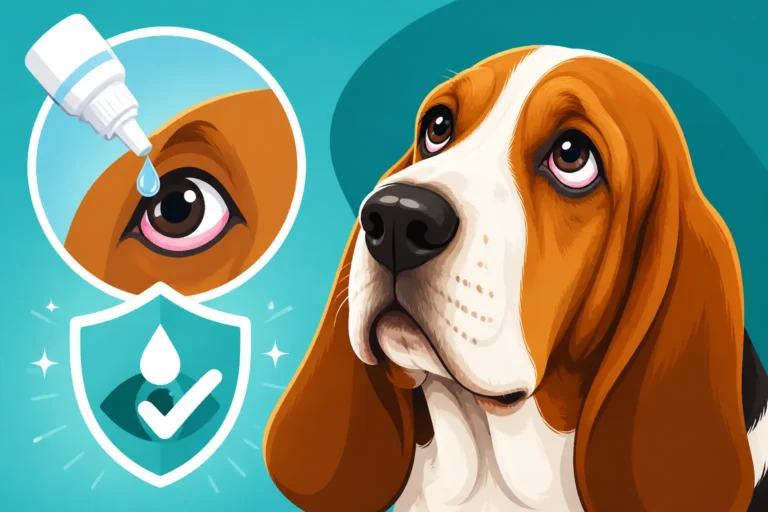
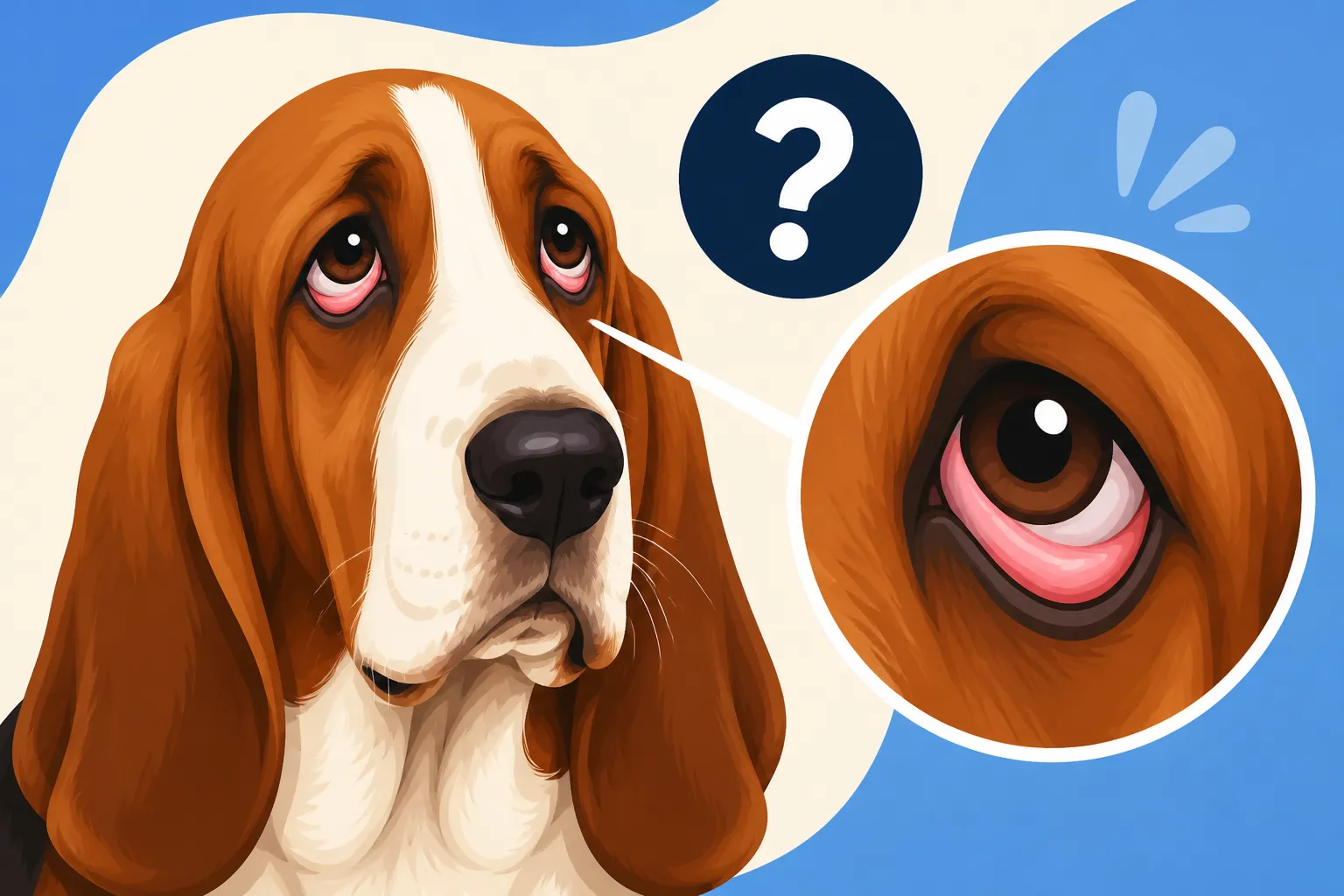
When a Basset Hound's third eyelid "pops out," what you're actually seeing is a condition called "cherry eye." This isn't just a temporary displacement; it’s a prolapse of that crucial tear-producing gland within the third eyelid. Instead of staying neatly tucked inside, it swells and protrudes, resembling a small, red cherry in the inner corner of the eye. It's not just a cosmetic issue; it's a significant health concern that needs attention.
What Cherry Eye Looks Like
Imagine a small, round, reddish-pink mass suddenly appearing at the inner corner of your Basset Hound’s eye, often near the nose. That’s cherry eye in a nutshell. The size can vary, from a tiny pea to a larger grape-like protrusion, and it can affect one eye or, less commonly, both eyes simultaneously or at different times. The exposed gland often appears irritated, sometimes even a bit crusty or inflamed, due to its exposure to air and environmental irritants. It can look quite alarming, and it certainly bothers your dog.
Beyond the visible "cherry," you might notice other symptoms. Your Basset Hound might rub at their eye with their paw or against furniture, indicating discomfort or itchiness. There could be increased tearing, or conversely, a dry, dull appearance if the prolapsed gland isn't producing tears effectively. The conjunctiva, the pink membrane surrounding the eye, might also look red and inflamed. It's important to differentiate this from general irritation or conjunctivitis, as the hallmark of cherry eye is that distinct red mass itself. If you're seeing a red eye without this mass, it could be a different emergency, like Whether a Basset Hound's Red Eye Is an Emergency.
Why Basset Hounds Get Cherry Eye
Cherry eye is primarily a genetic condition, and Basset Hounds are, unfortunately, one of the breeds most commonly affected. The underlying issue is a weakness in the connective tissue that normally anchors the gland of the third eyelid in place. Instead of being firmly secured, the attachments loosen, allowing the gland to flip out from behind the eyelid and become visible. It's not due to an injury or anything you, as an owner, did wrong; it's simply how some Basset Hounds are built.
This predisposition is why diligent breeders try to avoid lines known for cherry eye, but sometimes it still pops up. While the exact trigger for the prolapse isn't always clear, factors like minor eye irritation, vigorous head shaking, or even rough play can sometimes exacerbate the weakened attachments, leading to the gland prolapsing. It's important to remember that it's not the gland itself that's unhealthy initially, but rather its supporting ligaments failing, leading to its exposure and subsequent irritation.
Diagnosing and Treating Cherry Eye
If you suspect your Basset Hound has cherry eye, the first step is always a visit to your veterinarian. Early diagnosis and treatment are crucial not only for your dog’s comfort but also to preserve the function of that vital tear gland. Left untreated, the exposed gland can become chronically inflamed, infected, and even damaged, potentially leading to more severe conditions like dry eye (keratoconjunctivitis sicca or KCS), which can be a lifelong struggle.
Veterinary Examination and Confirmation
When you bring your Basset Hound to the vet with a suspected cherry eye, the diagnosis is usually quite straightforward. The characteristic pink or red mass in the inner corner of the eye is often unmistakable. Your veterinarian will perform a thorough ocular exam, which typically includes:
- Visual inspection: Confirming the presence of the prolapsed gland.
- Schirmer Tear Test: This test measures tear production to assess if the prolapse is already affecting the gland's ability to produce tears. This is critical because preserving tear production is a primary goal of treatment.
- Fluorescein Stain Test: Applying a special dye to the eye to check for any corneal abrasions or ulcers that might have resulted from the exposed gland rubbing against the cornea.
- Ophthalmoscopy: Examining the internal structures of the eye to rule out other issues.
Your vet might also rule out other conditions that could mimic cherry eye, such as cysts, tumors, or severe conjunctivitis. In most cases, however, the appearance of cherry eye is so distinctive that diagnosis is quick.
Treatment Options for Cherry Eye
Once cherry eye is diagnosed, your vet will discuss treatment options. It's important to understand that while topical medications can reduce inflammation temporarily, they usually don't resolve the prolapse itself. The definitive treatment for cherry eye in Basset Hounds, and most breeds, is surgical repositioning of the gland.
Non-Surgical Approaches
In very mild, early cases, a veterinarian might try to manually reposition the gland or prescribe anti-inflammatory eye drops to reduce swelling. However, this is rarely a long-term solution for Basset Hounds, as the underlying structural weakness remains. The gland almost always prolapses again. These non-surgical methods are generally considered temporary measures to manage discomfort before surgery or if surgery isn't immediately possible. Think of it like trying to push a button back into a loose casing; it might stay for a bit, but it’s bound to pop out again.
Surgical Correction
The most effective and commonly recommended treatment for cherry eye is surgery to reposition the gland. There are several surgical techniques, but the goal of each is the same: to tuck the gland back into its normal position and secure it so it can no longer prolapse, all while preserving its tear-producing function.
- Pocket Technique (Morgan Pocket Suturing Technique): This is one of the most common and successful methods. The surgeon creates a small pocket in the conjunctiva, places the prolapsed gland back inside, and then sutures the tissue closed over it. This essentially creates a new anchor for the gland.
- Orbital Rim Anchoring: This technique involves suturing the gland to the periosteum (the membrane covering the bone) of the orbital rim, securing it to a stable anatomical structure.
- Combination Techniques: Sometimes, a combination of methods might be used, depending on the individual case and the surgeon's preference.
The surgery is typically performed under general anesthesia. It's a delicate procedure that requires a skilled veterinary surgeon, often a board-certified veterinary ophthalmologist, especially for recurrent or complicated cases. The success rate for surgical repositioning is generally very high, often around 90-95%, especially with the pocket technique.
It's vital that the gland is preserved, not removed. Years ago, some vets would remove the gland, but this is now heavily discouraged because it significantly increases the risk of the dog developing dry eye (KCS) later in life, which requires lifelong daily medication and can lead to severe eye problems.
Recovery and Aftercare
After surgery, your Basset Hound will need some dedicated aftercare. This usually includes:
- E-collar (cone of shame): Absolutely essential to prevent your dog from rubbing or scratching the surgical site, which could disrupt the sutures or introduce infection.
- Antibiotic and anti-inflammatory eye drops: These are typically prescribed for several weeks to prevent infection and reduce swelling.
- Pain medication: Oral pain relievers will help keep your Basset Hound comfortable during the initial recovery period.
- Restricted activity: Avoid vigorous play, jumping, or anything that could put strain on the surgical area for a few weeks.
- Follow-up appointments: Your vet will schedule follow-up visits to check on healing and remove any external sutures if necessary.
The recovery period is usually a few weeks. It's crucial to follow all post-operative instructions carefully to ensure the best possible outcome. While rare, complications can include infection, suture reactions, or recurrence of the prolapse. If the cherry eye recurs, a second surgery might be necessary.
This is where having a good pet insurance plan can really ease the financial burden. Companies like Healthy Paws can provide coverage for these types of unexpected surgical procedures, making it easier to say "yes" to the best treatment for your Basset Hound without worrying about the What Cherry Eye Surgery Costs on a Basset Hound. It’s an investment in your dog’s health and your peace of mind.
Preventing and Managing Future Eye Health
While cherry eye is largely genetic and not entirely preventable, being proactive about your Basset Hound's overall eye health can certainly help. Understanding their predispositions and implementing good hygiene practices are key to keeping those soulful eyes bright and clear.
Daily Eye Care and Vigilance
Regularly inspecting your Basset Hound's eyes should be a part of your daily routine. Take a moment each day to look closely at their eyes for any signs of redness, discharge, squinting, or swelling. Pay particular attention to the inner corners where the third eyelid resides. If you notice any changes, it’s always best to contact your vet.
Keeping the area around their eyes clean is also important. Basset Hounds, with their loose skin and droopy eyelids, can accumulate dirt, debris, and tear stains. Gently wipe around their eyes with a soft, damp cloth or a veterinarian-approved eye wipe. Avoid harsh chemicals or human eye products. This helps prevent irritation that could potentially trigger or exacerbate eye issues. If your Basset Hound's eyes tend to water a lot, consistent cleaning can prevent skin irritation and infection in those delicate folds.
The Importance of Responsible Breeding
As cherry eye has a strong genetic component, seeking a puppy from a responsible breeder is one of the most significant preventative measures you can take. Reputable Basset Hound breeders will:
- Health test their breeding stock: This includes screening for genetic eye conditions. While there isn't a direct genetic test for cherry eye that's widely available, breeders should be aware of the incidence in their lines.
- Provide health guarantees: A good breeder will offer a health guarantee for their puppies, often covering genetic conditions for a certain period.
- Be transparent about health history: They should be open about any health issues in their breeding dogs or previous litters. You can also ask them directly about the incidence of cherry eye in their lines and what steps they take to minimize it.
Asking The Health Tests a Basset Hound Breeder Should Run, and specifically inquiring about eye health, is a good start. While a breeder cannot guarantee a dog will never develop cherry eye, choosing a puppy from parents with healthy eyes and no history of the condition can significantly reduce the risk.
Long-Term Management and Potential Complications
Even after successful surgery, continued vigilance is necessary. Some Basset Hounds may be prone to developing cherry eye in the other eye later on, or occasionally, a recurrence in the treated eye. Regular check-ups with your veterinarian are important to monitor eye health.
One of the most significant potential long-term complications, especially if the gland was removed (which, again, is generally avoided now) or if the gland's function was compromised before or during surgery, is dry eye (KCS). As the third eyelid gland produces a substantial portion of tears, damage to it can lead to insufficient tear production. Dry eye is a chronic condition that causes discomfort, pain, and can lead to blindness if not managed. Symptoms include a dull, dry-looking eye, thick discharge, and redness. If you notice these signs, inform your vet immediately.
Maintaining a healthy weight for your Basset Hound can also indirectly support their overall health, including their eyes. What Extra Weight Does to a Basset Hound, and while not directly tied to cherry eye, it's a critical factor in their overall longevity and well-being.
| Condition | Description | Basset Hound Predisposition | Typical Treatment | Key Takeaway |
|---|---|---|---|---|
| Cherry Eye | Prolapse of the gland of the third eyelid, appearing as a red mass. | High | Surgical repositioning | Treat promptly to preserve tear production. |
| Dry Eye (KCS) | Insufficient tear production. | Moderate (often secondary to cherry eye) | Lifelong lubricating drops & immune suppressants | Can result from untreated or removed cherry eye. |
| Entropion/Ectropion | Inward (entropion) or outward (ectropion) rolling of the eyelids. | Moderate to High | Surgical correction | Can cause irritation or exposure, sometimes requiring What an Eyelid Correction Costs on a Basset Hound. |
| Glaucoma | Increased pressure within the eye, leading to pain and potential blindness. | Moderate | Medications, sometimes surgery | Distinct from cherry eye, but requires urgent care. |
The Role of Pet Insurance
Let's be realistic, vet bills can be a shock, especially when unexpected surgeries like cherry eye correction are needed. The cost of veterinary care, from diagnosis to surgery and follow-up medications, can quickly add up. This is where pet insurance can be a lifesaver. Companies like Healthy Paws offer policies that can cover a significant portion of these expenses, giving you peace of mind that you can afford the best care for your Basset Hound without breaking the bank. For issues like a third eyelid prolapse or other common Basset Hound ailments like The Ear Infections That Never Really Leave a Basset Hound having insurance means you can make decisions based on what’s best for your dog, not just your wallet. It's definitely worth looking into Insuring a Basset Hound Against Eyes, Ears and Backs.
Caring for a Basset Hound with their unique health considerations is a commitment, but it’s one that brings immense joy. Being informed and prepared, even for things like a "popping out" third eyelid, means you’re ready to tackle whatever comes your way and ensure your floppy-eared companion lives a happy, comfortable life.
Disclaimer
This article is intended for informational purposes only and does not constitute veterinary advice. Always consult with a qualified veterinarian for any health concerns or before making any decisions about your Basset Hound's medical care.