Whether a Basset Hound’s Back Is as Fragile as a Dachshund’s
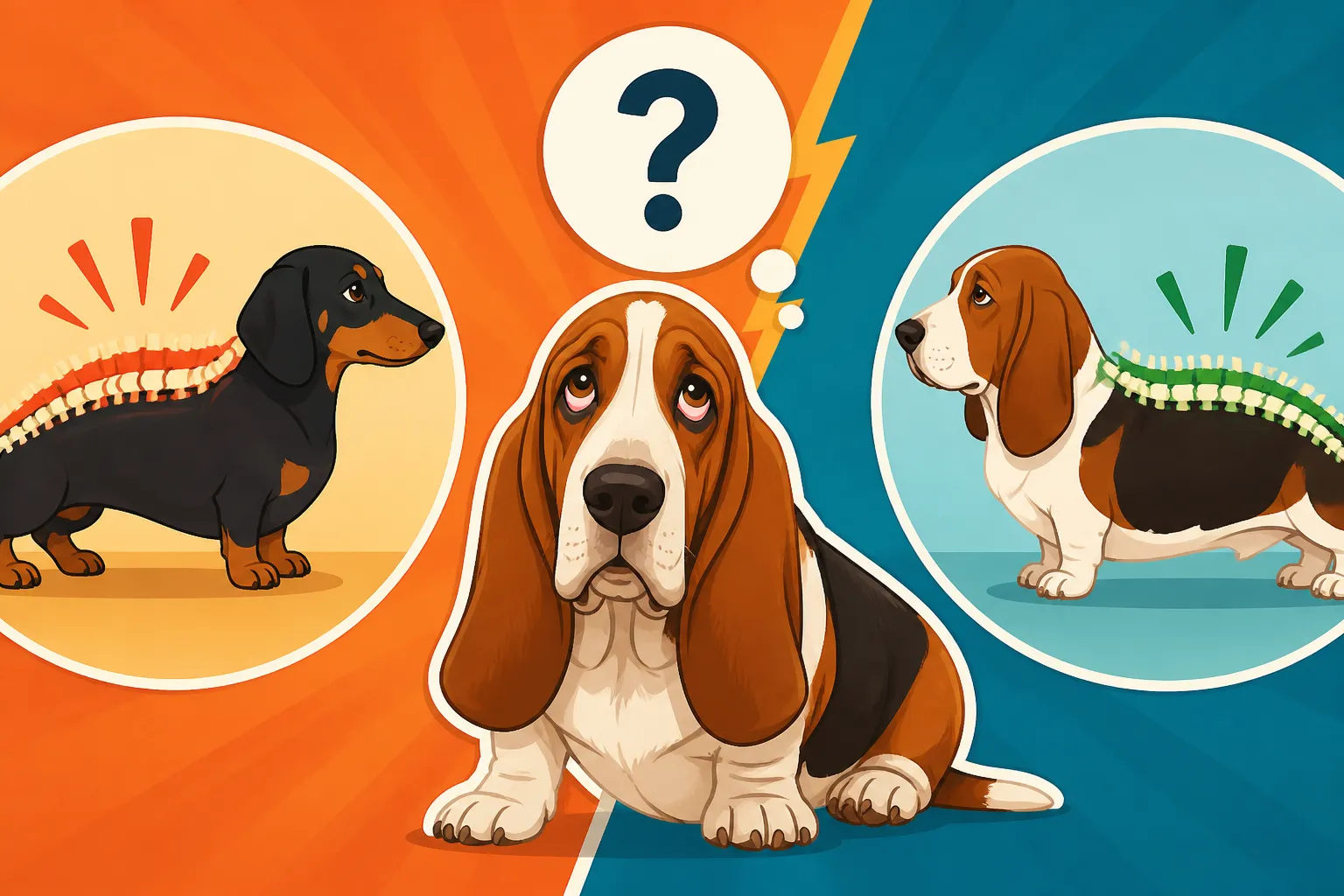
It's a genuine concern for any Basset Hound owner, or even those just considering bringing one of these lovable, droopy-eared companions into their home: "Is my Basset's back as fragile as a Dachshund's?" The distinctive long body and short legs, while endearing, often spark worries about spinal health. This guide will delve deep into the realities of Basset Hound back fragility, comparing it to the well-known issues in Dachshunds, and arm you with the knowledge to protect your beloved hound.
Understanding the Basset Hound's Unique Back Structure
Just looking at a Basset Hound, you can see why back health is a topic of conversation. Their signature low-slung, elongated body, supported by those adorable short, stout legs, is a marvel of selective breeding. But this very structure, while giving them their classic charm and incredible scent-tracking abilities, also predisposes them to certain orthopedic challenges that are important for every owner to understand.
The Achondroplastic Build
Basset Hounds, like Dachshunds and several other breeds, possess a genetic trait called chondrodystrophy, often referred to as achondroplasia. This isn't a disease in itself, but rather a hereditary condition that affects cartilage and bone development. Essentially, it's why their limbs are disproportionately short compared to their bodies. Think about it: their spine grows to a 'normal' length for a medium-sized dog, but their legs stop growing much earlier. This leads to a longer back with less support from their short legs, creating a unique set of biomechanical stressors.
The problem with this conformation is that the long spine acts like a bridge with insufficient pillars. The intervertebral discs, which are the cushions between each vertebra, bear the brunt of this structural anomaly. These discs are designed to absorb shock and allow flexibility, but in achondroplastic breeds, they can degenerate prematurely, making them vulnerable to injury. This inherent design means that a Basset Hound's back is, by its very nature, more susceptible to certain issues than that of a dog with a more balanced body-to-leg ratio.
Intervertebral Disc Disease IVDD in Basset Hounds
Intervertebral Disc Disease, or IVDD, is the most significant concern for a Basset Hound's back. This condition occurs when one or more of the discs between the vertebrae either bulge or rupture, putting pressure on the spinal cord. It's incredibly painful and can lead to a range of symptoms from mild discomfort to complete paralysis. Given their chondrodystrophic build, Basset Hounds are genetically predisposed to this condition, just like their Dachshund counterparts. If you want to learn more, we have a detailed piece on Intervertebral Disc Disease in a Basset Hound.
There are two main types of IVDD. Type I, which is most common in Basset Hounds, involves a sudden rupture or herniation of the disc's jelly-like center, often triggered by a seemingly innocuous movement like jumping or twisting. Type II is a more gradual bulging of the disc over time. Both types can cause significant pain and neurological deficits, and the severity depends on how much pressure is placed on the spinal cord. It’s a truly frightening prospect for any owner.
Differences and Similarities with Dachshund Backs
So, how does a Basset Hound's back fragility compare to a Dachshund's? The truth is, they are remarkably similar in their underlying predisposition. Both breeds share the chondrodystrophic gene that leads to premature disc degeneration and a higher risk of IVDD. If you consider the sheer length of a Dachshund's back relative to its legs, it's easy to see why they are often the poster children for IVDD.
However, Basset Hounds tend to be heavier and more substantial in bone than many Dachshunds. This added weight can sometimes exacerbate the strain on their already vulnerable spines. While a Dachshund might have a long, slender body, a Basset Hound often carries more bulk, which means more pressure on those delicate discs. So, while the type of back problem is often the same, the sheer mass of a Basset Hound might sometimes lead to more severe outcomes if an injury occurs.
The good news, if there is any, is that awareness of IVDD in both breeds has led to better preventative care strategies and more advanced treatment options. Breeders are also increasingly focused on health testing and responsible breeding practices to minimize the incidence of severe spinal issues. Understanding these similarities and nuances is key to providing the best care for your Basset Hound. The core issue, however, remains: their backs are indeed prone to problems, much like a Dachshund's.
Recognizing the Signs of Back Trouble in Your Basset Hound
As a Basset Hound owner, being vigilant about your dog's movements and behavior is crucial, especially when it comes to their back. Because they are often stoic, or their low-slung posture can mask discomfort, it can be challenging to spot the early warning signs of spinal issues. However, recognizing these indicators quickly can make a world of difference in the prognosis and treatment outcomes. We also have an article dedicated to The Signs a Basset Hound Has Hurt Its Back.
Subtle Early Indicators
Sometimes, the first signs of back trouble are incredibly subtle. Your Basset might start doing things that seem a little "off" but aren't immediately alarming. Perhaps they're usually eager for a walk but now hesitate before getting up, or they might seem a bit clumsy, tripping over their own feet more often. Look for changes in their normal gait – a slight wobble, a reluctance to use stairs or jump on furniture (even if they were always allowed to). They might also resist being picked up or handled in certain ways, or yelp unexpectedly when you touch a particular spot on their back.
Another common subtle sign is a change in posture. A Basset with back pain might hold their head lower than usual, arch their back, or appear generally stiff. They might also shiver or tremble, even when the room isn't cold, as a way to cope with pain. You might even notice them being less enthusiastic about playing or showing less interest in their usual activities. These seemingly minor changes, especially if persistent, should never be ignored. Your Basset is trying to tell you something.
Acute Pain and Mobility Issues
While subtle signs often precede more serious problems, IVDD can sometimes strike suddenly and severely. In these acute cases, your Basset Hound might exhibit intense pain and significant mobility issues. This could manifest as sudden yelping, crying, or screaming, especially when moving or being touched. They might become reluctant to move at all, choosing to lie in one spot, often curled up, to minimize discomfort.
More severe neurological signs can include weakness in the hind legs, appearing drunken or wobbly when they try to walk, or even dragging their back paws. In the most severe instances, a Basset Hound might experience complete paralysis of the hind limbs, losing control of their bladder and bowels. This is a critical emergency, and immediate veterinary attention is paramount. Time is of the essence when the spinal cord is compressed, and prompt intervention can significantly improve the chances of recovery.
When to Seek Veterinary Attention
Honestly, if you even suspect back pain or notice any of the signs mentioned above, it's time to call your veterinarian. Don't wait to see if it gets better, especially with a breed so predisposed to spinal issues. A quick diagnosis can prevent further damage and improve treatment outcomes. Your vet will conduct a thorough physical and neurological exam, often feeling along the spine for areas of pain or spasm.
They might recommend diagnostic imaging, such as X-rays, MRI, or CT scans, to pinpoint the exact location and severity of the disc issue. An MRI, in particular, provides the most detailed images of the spinal cord and discs, which is crucial for determining the best course of action. While the cost of diagnostics like What a Basset Hound's MRI Costs can be a concern, early intervention is critical. Remember, getting pet insurance like Healthy Paws when your Basset is young and healthy can be a lifesaver, covering a significant portion of these unexpected and often expensive treatments, giving you peace of mind during a stressful time.
Proactive Care and Prevention Strategies for a Healthy Basset Hound Back
Taking proactive steps is the absolute best way to protect your Basset Hound's delicate back. While their unique anatomy makes them susceptible to spinal issues, many of these problems can be managed or even prevented with careful attention to their lifestyle and environment. It's about being a diligent and responsible Basset owner, understanding their needs, and making adjustments where necessary.
Weight Management and Nutrition
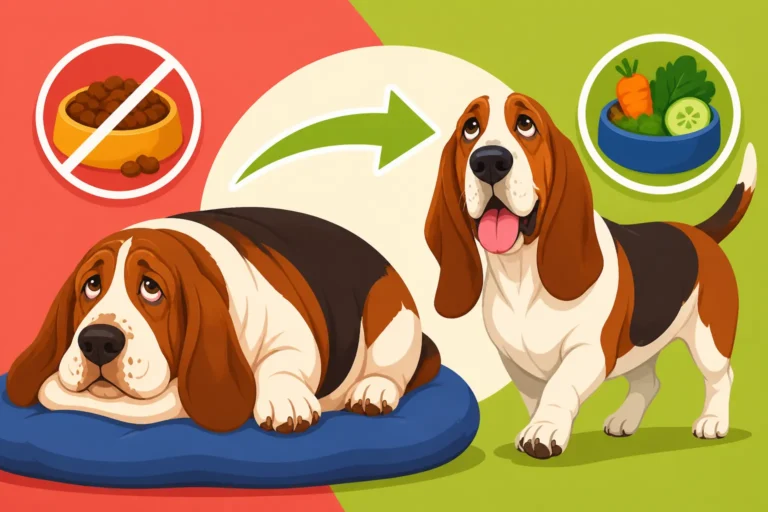
Perhaps one of the most critical factors in preventing back problems in Basset Hounds is maintaining a healthy weight. Extra pounds put enormous strain on their long spine and the intervertebral discs. Imagine carrying a heavy backpack all day, every day – that's what being overweight feels like for your Basset's back. Even a few extra pounds can significantly increase their risk of disc herniation. Our article What Extra Weight Does to a Basset Hound goes into more detail on this topic.
Work closely with your veterinarian to establish an ideal weight for your individual Basset Hound and stick to a controlled diet. This often means carefully measuring out their food, choosing high-quality nutrition, and being mindful of treats. Consider foods that support joint health, potentially containing glucosamine and chondroitin, though always consult your vet before adding supplements. A lean Basset is a healthier Basset, and their back will thank you for it.
Safe Movement and Environmental Modifications
Given their long backs and short legs, Basset Hounds are not built for high-impact activities or constant jumping. Disc herniations often occur during everyday movements, so making adjustments to their environment can drastically reduce risk. For instance, Whether a Basset Hound Should Jump Off Furniture is a resounding "no." Provide ramps or steps to access couches, beds, and vehicles. This minimizes the jarring impact on their spine.
Similarly, consider Whether a Basset Hound Should Climb Stairs. While they can, repeated stair climbing, especially descending, puts undue stress on their back. If you have stairs, try to limit their use, or even carry your Basset (supporting their full body weight) up and down. Investing in baby gates can help restrict access to stairs when you're not there to supervise. These small changes around the house can make a huge difference in protecting their spine over the long term.
Exercise and Physical Conditioning
While avoiding high-impact activities, it's crucial not to mistake "preventative care" for "no exercise." Regular, moderate exercise is vital for building and maintaining strong core muscles that support the spine. Short, controlled walks on a leash, rather than vigorous running or jumping, are ideal. Focus on consistent, low-impact activities that keep them moving without excessive twisting or straining.
Swimming, if your Basset enjoys it and can safely do so (some find it challenging due to their dense build), can be an excellent non-weight-bearing exercise that strengthens back and leg muscles. Engage them in scent work or slow, deliberate walks where they can follow their nose. The goal is to keep them fit and flexible, not to turn them into an athlete. Avoid long, strenuous hikes or activities that encourage sudden stops, starts, or leaps.
Regular Veterinary Check-ups and Early Screening
Routine veterinary check-ups are essential for monitoring your Basset Hound's overall health, including their spinal integrity. Your vet can assess their gait, posture, and muscle condition, and identify any early signs of stiffness or discomfort. Discuss your concerns about back health openly with them; they can provide tailored advice and guidance based on your dog's age and activity level. This is particularly important for breeds like the Basset Hound, whose unique conformation makes them prone to specific issues.
For pet parents, having a reliable pet insurance plan in place, like one from Healthy Paws, can be incredibly beneficial. Knowing that a significant portion of unexpected vet bills, from diagnostics to potential surgery, could be covered offers immense peace of mind. While it doesn't prevent issues, it empowers you to make treatment decisions based on your dog's needs, not just your wallet. Early detection and treatment, coupled with financial preparedness, can make a huge difference in managing The Back Trouble a Basset Hound Is Built Into.
Living with a Basset Hound with Back Issues
Discovering your Basset Hound has back trouble, particularly IVDD, can be incredibly distressing. It's a challenging journey, both emotionally and financially, but with dedication and the right approach, many Basset Hounds can lead comfortable lives, even with a spinal diagnosis. The key is understanding the available treatment options and committing to long-term care.
Treatment Options: Medical and Surgical
When a Basset Hound experiences a disc issue, treatment typically falls into two main categories: conservative (medical) management or surgical intervention. Conservative management is often the first line of defense for mild to moderate cases, or if surgery isn't an option. This involves strict crate rest for several weeks (yes, that means no running, jumping, or even much walking!), combined with anti-inflammatory medications and pain relievers. Muscle relaxants may also be prescribed to help alleviate spasms. The goal is to reduce inflammation and allow the disc to heal, or at least stabilize.
For more severe cases, especially those involving significant pain, neurological deficits, or paralysis, surgery might be recommended. This procedure, often performed by a veterinary neurologist, aims to remove the disc material that is compressing the spinal cord, relieving pressure and allowing for recovery. The decision to pursue surgery is a significant one, with considerable costs and recovery time. Many owners wonder Whether a Basset Hound's Disc Surgery Is Worth It, and while it can be life-changing, it's a conversation to have thoroughly with your veterinary team, weighing the risks and potential benefits.
Rehabilitation and Long-Term Support
Regardless of whether your Basset Hound undergoes conservative treatment or surgery, rehabilitation is a critical component of recovery and long-term management. Physical therapy, often guided by a certified canine rehabilitation therapist, plays a vital role in restoring strength, mobility, and coordination. This might include underwater treadmill therapy, therapeutic exercises, massage, and modalities like laser therapy or acupuncture.
For Basset Hounds who experience hind limb weakness or paralysis, supportive devices might be necessary. This could range from harnesses that aid in mobility to custom-fitted carts for those who cannot use their back legs. While it's a big adjustment, many dogs adapt remarkably well to Whether a Basset Hound Needs a Cart, finding renewed independence and joy in movement. Ongoing management often involves maintaining a healthy weight, continuing safe movement practices, and potentially lifelong medications or supplements to support joint and spinal health. It's also worth reading about Whether a Paralyzed Basset Hound Walks Again to understand the full spectrum of recovery.
Emotional and Financial Considerations
Living with a Basset Hound with chronic back issues can take a significant emotional toll on owners. Seeing your beloved companion in pain or struggling with mobility is heartbreaking. It's okay to feel overwhelmed, frustrated, or sad. Remember to lean on your veterinary team for support and advice. Connecting with other Basset Hound owners who have faced similar challenges can also provide invaluable empathy and practical tips.
Financially, spinal issues can be incredibly expensive. Diagnostic tests, specialist consultations, medications, surgery, and ongoing rehabilitation can quickly add up to thousands of dollars. This is where comprehensive pet insurance like Healthy Paws truly shines. Having a plan that covers chronic conditions and emergencies, as discussed in Insuring a Basset Hound Against Eyes, Ears and Backs, can alleviate a huge portion of the financial burden, allowing you to focus on your dog's recovery without the added stress of mounting bills. It’s an investment in your peace of mind and your Basset’s well-being. Thinking ahead can prevent tough decisions later, especially when dealing with an aging Basset Hound who might struggle, as detailed in The Old Basset Hound That Cannot Get Off the Floor.
Comparing Basset Hound and Dachshund Back Vulnerabilities
To truly understand the nuances of back fragility in Basset Hounds, it's helpful to see a direct comparison with Dachshunds, the breed most commonly associated with spinal problems. While both share a genetic predisposition, there are slight differences in their typical presentation and management.
| Feature | Basset Hound | Dachshund |
|---|---|---|
| Genetic Basis | Achondroplasia (chondrodystrophy) leading to premature disc degeneration | Achondroplasia (chondrodystrophy) leading to premature disc degeneration |
| Primary Risk | Intervertebral Disc Disease (IVDD) – Type I most common | Intervertebral Disc Disease (IVDD) – Type I most common |
| Body Weight | Heavier build, often 40-65 lbs (18-29 kg), adding more strain to discs | Lighter build, typically 16-32 lbs (7-14 kg) for standards, less for miniatures |
| Spine Length | Long relative to leg length | Extremely long relative to leg length |
| Movement Impact | Heavy, low-slung gait can be cumbersome; jumping/stairs high risk | Agile despite length; jumping/stairs high risk |
| Prevention Focus | Weight control, ramps, restricted jumping/stairs, core strength | Weight control, ramps, restricted jumping/stairs, core strength |
| Severity of Cases | Can be severe due to weight, but also variable | Can be very severe, leading to paralysis, but also variable |
This table highlights that while the underlying issue (IVDD due to achondroplasia) is the same, a Basset Hound's larger body mass can potentially add another layer of challenge to their spinal health. However, both breeds require meticulous care and preventative measures to safeguard their backs.
Disclaimer
The information provided in this article is for educational and informational purposes only and does not constitute veterinary advice. Always consult with a qualified veterinarian for any health concerns or before making any decisions related to your pet's care.