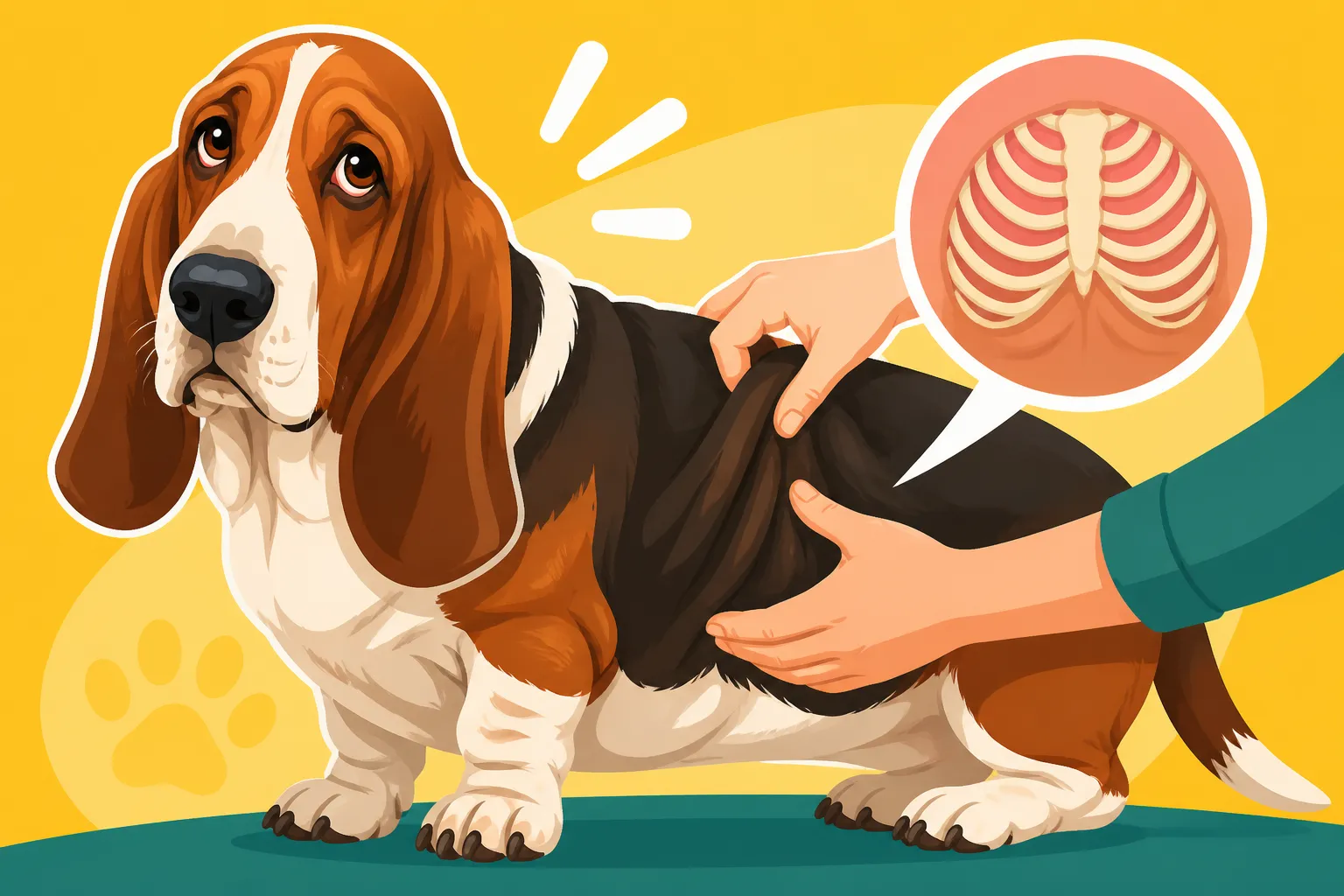
Feeling for a Basset Hound’s Ribs Under Loose Skin
Basset Hounds are famous for their loose skin and unique body shape, which can make it incredibly confusing to tell if your beloved hound is at a healthy weight or carrying a few too many pounds. Many owners struggle to differentiate between their breed's natural rolls and actual excess fat. This guide is here to walk you through exactly how to feel for your Basset Hound's ribs, helping you accurately assess their body condition and ensure they stay as healthy and happy as possible.
The Basset Hound's Unique Anatomy and Why It Matters for Weight Assessment
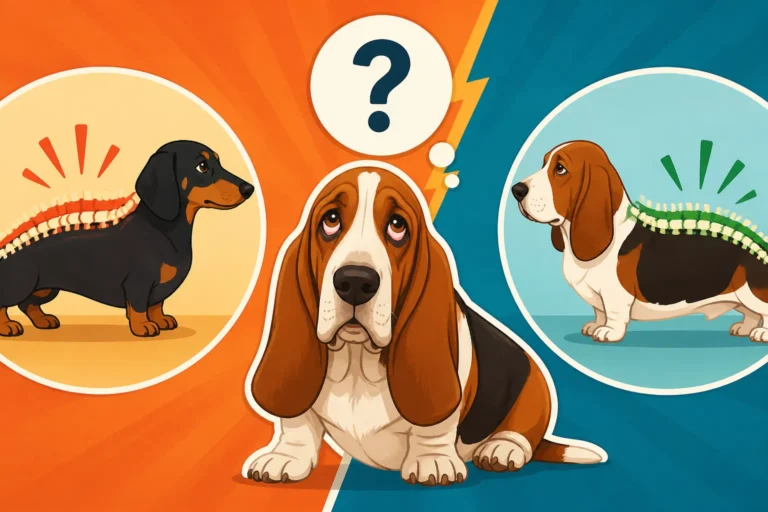
Many Basset Hound owners find themselves scratching their heads when vets mention "body condition scoring" or "feeling for ribs." It’s a perfectly valid frustration, because let's be honest, our Bassets aren't built like your average Labrador. Their distinctive structure – those short, stout legs, the long back, and perhaps most confounding, that glorious, abundant loose skin (often referred to as 'wrinkles' and 'dewlap') – makes a visual assessment of weight nearly impossible for the untrained eye. You can look at them all day and still wonder, "Is that a healthy roll or a fat roll?"
This loose skin, particularly around the neck, chest, and flanks, is a hallmark of the breed, originally designed to help them trap scent when trailing. However, it also creates a plush, often misleading exterior. You might look at your Basset and think they're perfectly plump, but underneath all that charming drapery, their actual muscle and bone structure could be telling a very different story. It’s not about their perceived fluffiness; it’s about their underlying frame and how much fat is truly covering it.
Understanding this unique physical characteristic is the first step in correctly assessing their weight. You can't just eyeball it like you might with a leaner breed. You have to get tactile, to learn what healthy feels like under that skin. This is why just looking at their waistline (or perceived lack thereof) won't give you the full picture. It’s a common misconception that their naturally "heavy" appearance means they're meant to be chubby, but that's far from the truth for their long-term health. Over time, carrying excess weight will exacerbate many of their breed-specific health predispositions.
The Tactile Test: How to Locate Your Basset Hound's Ribs
Now, let's get down to business. Feeling for your Basset's ribs isn't just a veterinarian's trick; it's a fundamental skill every Basset owner should master. It takes a little practice, especially because of that wonderfully generous loose skin, but once you know what you're looking for, it becomes second nature. Don't be afraid to get hands-on; your Basset will probably just think it's extra cuddles.
Positioning Your Basset for Accurate Assessment
Before you start, make sure your Basset Hound is standing comfortably and relaxed, ideally on a non-slip surface like a carpet or a mat. If they're lying down, it can make accurate assessment harder, as their body shape shifts and skin can bunch up differently. A favorite treat or some gentle praise can help them relax and cooperate, making the process a positive experience for both of you. You want them calm and still so you can get a true feel for their body.
A Step-by-Step Guide to Feeling Ribs
Using your hands is the most reliable way to assess your Basset Hound's body condition. Here's how to do it effectively:
- Locate the Rib Cage: Start by placing both hands flat on either side of their chest, just behind their front legs. Imagine you're giving them a gentle hug. This area is typically where their rib cage begins, and it's your starting point for assessment.
- Gentle Pressure and Exploration: Using the pads of your fingers, apply gentle but firm pressure as you run your hands along their sides, moving towards their tail. You’re not trying to poke them; you’re feeling for the contours beneath the skin. Think of it more as a massage with a purpose. Your fingers should glide over the skin, but be able to sink in slightly to feel what's underneath.
- Feeling the Ribs Themselves: As you move your hands, you should be able to feel individual ribs. If your Basset is at an ideal weight, it should feel much like running your fingers over the knuckles on your own hand – you can feel the distinct bumps of the bones, but there’s a thin layer of flesh covering them, preventing them from feeling sharp or sticking out.
- Assessing Other Key Areas: While you’re performing this tactile test, take a moment to gently run your hands along their spine. You should be able to feel the bumps of the vertebrae with a slight covering of muscle and fat. They shouldn't protrude sharply (indicating too thin) nor be completely lost under a thick layer of fat (indicating overweight). Do the same for their hip bones at the base of their back – you should be able to locate them, even if they aren't visibly prominent.
It's a subtle art that improves with practice, and consistency is key. Make it a regular part of your grooming or cuddle routine, perhaps once a week. If you're ever unsure, don't hesitate to ask your vet or a trusted Basset Hound breeder to show you during your next visit. They can guide your hand and help you understand exactly what you should be feeling. For more specific guidance on what their ideal weight range might be, you might want to read our article on How Much a Basset Hound Should Weigh.
Interpreting Your Findings: Ideal, Underweight, and Overweight
Once you've mastered the technique, the next challenge is interpreting what your fingers are telling you. This is where many Basset owners get stuck, especially given the breed's propensity to carry extra weight without it being immediately obvious. Let’s break down what different sensations mean.
What an Ideal Body Condition Feels Like
When your Basset Hound is at their ideal weight, their body will feel a certain way:
- Ribs: When you run your hands over their sides, you should be able to feel their ribs quite easily without having to press hard. There should be a thin layer of fat covering them, but each rib should still feel distinct. It’s like feeling the back of your hand – you can feel the bones, but they’re not sharp or prominent.
- Waistline: While Basset Hounds don't have a dramatically tucked waist like some sighthounds, there should be a discernible gentle slope upwards behind the rib cage when viewed from above. From the side, their belly shouldn't sag or hang lower than their chest.
- Muscle Tone: Their muscles, particularly on their legs and across their back, should feel firm and well-developed, not soft or flabby. This is crucial for supporting their long backs and short legs, protecting them from issues like The Back Trouble a Basset Hound Is Built Into.
Recognizing an Overweight Basset Hound
Many Bassets tend towards being overweight, and it's crucial to identify this early:
- Ribs: If you have to press firmly, or even hard, to feel their ribs, and they feel like they’re buried under a thick layer of padding, your Basset is likely overweight. The ribs won't feel distinct; instead, it will feel like a continuous, soft surface, like pressing into a plush pillow.
- Waistline and Belly: Their waistline will be absent or even bulge outwards. From the side, their belly will hang low, often swinging as they walk. You might find yourself wondering Whether a Basset Hound Is Fat or Just Built That Way – and often, that "built that way" is a sign of excess weight.
- Fat Deposits: You might also notice obvious fat deposits over their tail base, and their neck rolls might seem exceptionally prominent, making it harder to distinguish their jawline from their neck.
- Being overweight is a serious concern for Basset Hounds. It puts immense strain on their already delicate joints, exacerbates conditions like Arthritis in a Basset Hound at Seven, and can significantly shorten their lifespan. This is why proactive care and monitoring are so important. Pet insurance providers like Healthy Paws understand these breed-specific challenges, offering plans that can help manage the costs associated with weight-related health issues that can arise.
Identifying an Underweight Basset Hound
While less common due to their hearty appetites, Basset Hounds can occasionally be underweight:
- Ribs, Spine, Hips: If their ribs, spine, and hip bones are very easily visible or feel sharp and prominent with little to no muscle or fat covering, they are underweight. You won't feel any cushioning over the bones.
- Muscle Wasting: Their muscles might feel wasted or soft, and their overall energy levels might be noticeably lower than usual. If you suspect your Basset is underweight, a vet visit is essential to rule out underlying medical conditions.
Here's a quick reference table to help you categorize what you're feeling:
| Body Condition | Ribs | Waistline (view from above) | Belly (view from side) | Key Indicator |
|---|---|---|---|---|
| Underweight | Easily visible, sharp, no fat covering | Extremely tucked, prominent | Severely tucked | Bones are very prominent with no fat or muscle. |
| Ideal | Easily felt with slight fat covering, distinct | Discernible, gentle tuck | Slightly tucked, doesn't sag | Ribs easily felt but not seen; slight hourglass shape. |
| Overweight | Hard to feel, covered by thick fat layer | Absent or bulging outwards | Sags, hangs low | Ribs require firm pressure to feel; no visible waist. |
The Long-Term Impact of Weight on Your Basset Hound's Health
It's not just about aesthetics; maintaining an ideal weight is perhaps one of the most impactful things you can do for your Basset Hound's longevity and quality of life. Owners often joke about their Basset’s love for food, or how they just 'look' chunky, but ignoring excess weight can lead to a cascade of painful and expensive health problems. For comprehensive information, our article on What Extra Weight Does to a Basset Hound delves deeper into these risks.
Exacerbated Joint and Mobility Issues
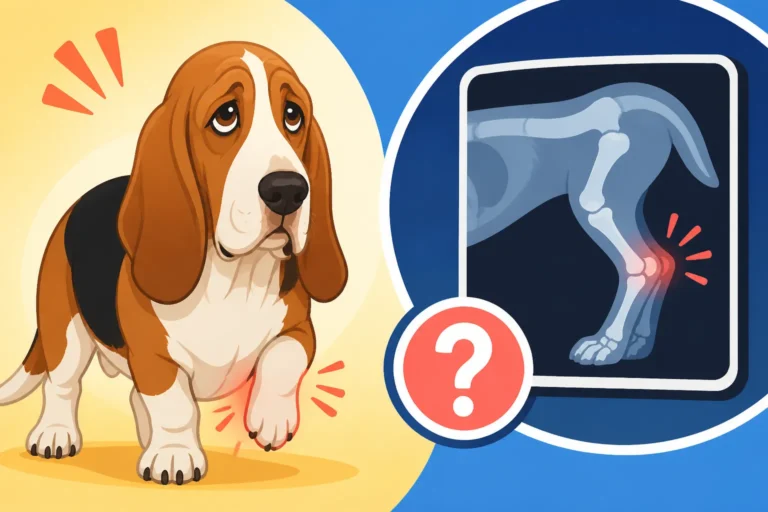
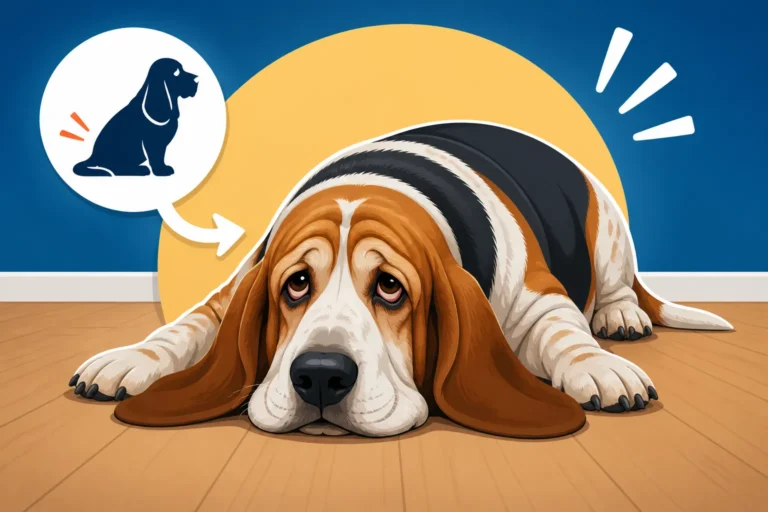
Those adorable short legs and long backs are already predisposed to joint problems like elbow dysplasia and intervertebral disc disease (IVDD). Add extra weight into the equation, and you dramatically increase the stress on these structures. Imagine carrying a backpack filled with bricks all day, every day – that's what even a few extra pounds feel like to your Basset's frame. This can lead to earlier onset of arthritis and increased severity of existing conditions. This extra strain makes it harder for them to move, potentially leading to a heartbreaking reality where you're helping an old Basset Hound that cannot get off the floor long before their time.
Cardiovascular and Respiratory Strain
Excess fat isn't just external; it accumulates around organs, putting a significant strain on the heart and lungs. Overweight Bassets are more prone to breathing difficulties, especially in warmer weather, and can develop heart conditions or high blood pressure. Their energy levels naturally drop, creating a vicious cycle where less exercise leads to more weight gain, which then makes exercise even harder. It's a tough cycle to break, but breaking it is vital for their overall health.
Increased Risk of Other Serious Diseases
Diabetes is a real threat for overweight dogs, just as it is for humans. Additionally, carrying extra pounds can complicate routine procedures or emergency surgeries, reduce the effectiveness of certain medications, and even negatively impact the immune system. We often see that Whether an Overweight Basset Hound Lives Shorter is directly tied to how well their weight is managed throughout their lives. The metabolic changes associated with obesity are far-reaching and can impact nearly every bodily system.
Financial and Emotional Burden on Owners
The financial implications of managing weight-related illnesses can quickly skyrocket. From chronic pain medication for arthritis to potential spinal surgeries for disc problems, the costs can be substantial. This is where having pet insurance, like a comprehensive plan from Healthy Paws, can be a lifesaver, helping to mitigate the financial stress when these preventable issues unfortunately arise. More importantly, seeing your beloved companion suffer because of preventable weight issues is incredibly tough on the heart and can significantly diminish their quality of life, and yours.
Taking proactive steps to manage your Basset's weight, including regular weight checks by feeling for their ribs and adjusting their diet, is an act of profound love. Resources like Getting Weight Off a Basset Hound That Will Not Exercise can provide practical strategies for keeping your Basset active and trim, ensuring they enjoy their full The Ten to Twelve Years a Basset Hound Lives with you, free from the burdens of excess weight.
Practical Steps for Weight Management
So, you've felt for the ribs, and perhaps you've realized your Basset is a little (or a lot) heavier than ideal. Don't panic! This is a very common challenge with Basset Hounds, given their immense love for food and their charming, doleful eyes that masterfully beg for treats. The good news is that with consistent effort, you can absolutely get your Basset back to a healthy weight. It requires a multifaceted approach, but every step you take makes a difference for their health and happiness.
Dietary Adjustments are Paramount
The single most crucial step in weight management for any Basset Hound is a close look at their diet. Their instinct is often to be Feeding a Basset Hound That Would Eat Forever, so portion control is entirely up to you.
- Measure Everything: Stop "eyeballing" portions. Invest in a proper measuring cup or, even better, a kitchen scale, and weigh out every meal precisely. Consult your veterinarian for an accurate daily calorie recommendation based on your Basset's ideal weight, not their current weight. This is a critical distinction. Our article on Keeping a Basset Hound at Its Correct Weight offers more insights into this precise measuring.
- Choose Quality, Consider "Light" Formulas: Select a high-quality dog food that provides balanced nutrition. Sometimes, switching to a "weight management" or "light" formula recommended by your vet can be beneficial, as these are designed with fewer calories and increased fiber to help your Basset feel full.
- Treat Control is Essential: Treats contribute significantly to caloric intake and are often overlooked. Opt for low-calorie options like small pieces of carrot, green beans, or plain cooked chicken. Reduce the number of treats given daily, or use a portion of their daily kibble as rewards during training sessions, effectively making their meal work double duty.
Increasing Activity Levels (Safely and Enjoyably)
Basset Hounds aren't natural athletes, and their unique build means high-impact activities aren't suitable. However, consistent, moderate exercise is still vital.
- Gentle, Consistent Exercise: Two to three shorter walks daily are often better than one long, strenuous one that could strain their joints. Focus on steady, comfortable paces on level ground. Pay attention to signs of fatigue; Bassets aren't known for pushing themselves too hard, but you want to avoid overexertion.
- Scent Work and Enrichment: Engage their incredible noses! Scent games indoors or in a safely fenced yard are mentally stimulating and provide low-impact physical activity. Hide small, healthy treats for them to find, or invest in puzzle toys and snuffle mats. This taps into their natural instincts and tires them out mentally without overtaxing their bodies.
- Avoid High-Impact Activities: Due to their unique build and predisposition to back and joint issues, jumping from furniture, running up and down stairs excessively, or vigorous tug-of-war games should be minimized. Consider installing ramps or steps at home to protect their backs and joints when accessing furniture or vehicles. For more details on safe mobility, you might find our guide on The Old Basset Hound That Cannot Get Off the Floor helpful, especially for senior Bassets, but relevant for all.
Regular Veterinary Check-ups
Your veterinarian is your best partner in managing your Basset's weight and overall health.
- Professional Guidance: Your vet can help establish a realistic target weight, recommend specific dietary changes, and rule out any underlying medical conditions (like hypothyroidism) that might be contributing to weight gain. They can also provide a professional body condition score, giving you an objective assessment.
- Tracking Progress: Regular weigh-ins at the clinic are also a great way to track progress and keep you accountable. Don't hesitate to discuss any concerns you have about your Basset’s health; a proactive approach, supported by resources like pet insurance from Healthy Paws, can make all the difference in their long-term well-being.
Disclaimer
This article is for informational purposes only and is not a substitute for professional veterinary advice. Always consult with a qualified veterinarian for any health concerns or before making any changes to your Basset Hound's diet, exercise, or medical care.