Whether a Basset Hound’s Elbow Callus Needs Treating
It’s a common sight for Basset Hound owners: those rough, hairless patches that develop on their beloved dog's elbows. You might glance at them, wonder if they're a problem, and then dismiss them as "just a Basset thing." But when exactly does an elbow callus need more than just a passing glance, and what can you do to keep your floppy-eared friend comfortable and healthy? This guide will demystify Basset Hound elbow calluses, helping you understand when to manage them at home and when to seek veterinary help.
Understanding Basset Hound Elbow Calluses
For many Basset Hound parents, noticing those rough, hairless patches on their dog's elbows can be a bit concerning. It’s hard not to wonder if it's painful or a sign of something more serious, especially when your otherwise happy hound is just lounging around. Let's dig into what these calluses really are and why our Bassets seem to be magnets for them.
What Exactly Is an Elbow Callus?
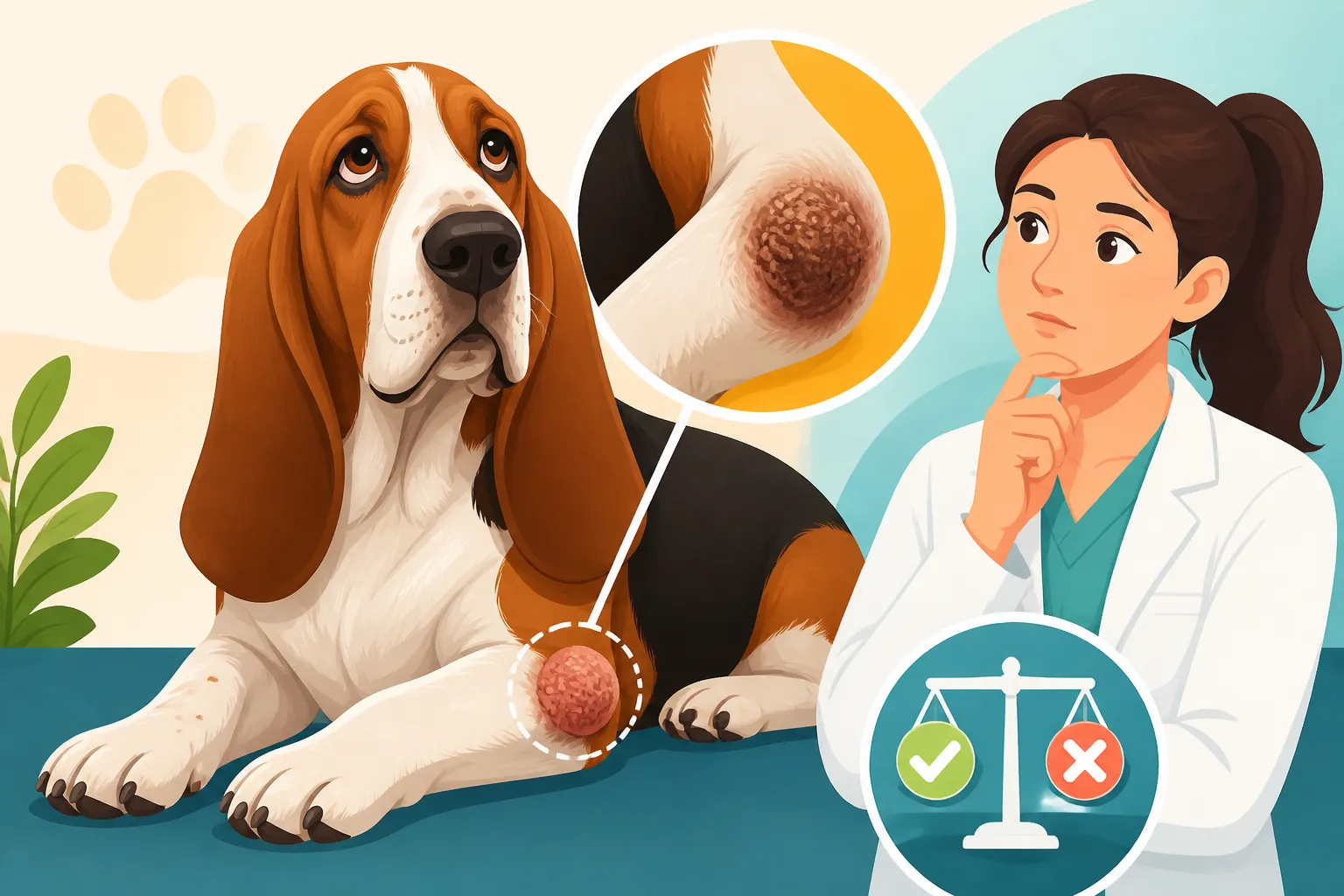
An elbow callus, medically known as hyperkeratosis, is essentially a thickened area of skin that develops as a protective response to repeated pressure and friction. Imagine if you were constantly kneeling on a hard floor; your knees would eventually develop tougher, thicker skin. It’s the same principle for our Bassets. Their elbows, like our knees, are bony protrusions that bear a significant amount of weight and impact whenever they lie down.
These calluses typically appear as circular or oval patches where the hair has thinned or disappeared entirely. The skin in these areas becomes noticeably thicker, rougher to the touch, and often takes on a grayish or even blackish hue. While often just a cosmetic concern initially, they can sometimes become dry, cracked, and quite unsightly. It’s disheartening to see these patches develop, knowing your furry friend just wants to relax, but their unique body structure often makes them inevitable.
Why Basset Hounds Are Prone to Calluses
So, why do Basset Hounds, in particular, seem to get these calluses so frequently? It largely comes down to their magnificent, unique physique. Bassets are built low to the ground, with a heavy bone structure and a substantial body mass. When a Basset Hound decides to "flop" down for a nap, it's rarely a delicate, slow descent. They often drop with a satisfying thud, and all that weight, combined with gravity, creates significant pressure on those specific bony points – especially the elbows and sometimes even the hocks, similar to Whether a Basset Hound Gets Sore Hocks
Unlike lighter, more agile breeds that might ease themselves onto the floor, a Basset's sheer density means those elbow joints take a real pounding. Add to that their preference for cool, hard surfaces like tile, concrete, or hardwood floors – especially after a romp or on a warm day – and you have the perfect recipe for callus development. These hard surfaces provide no cushioning, forcing the skin to thicken as a defense mechanism against the constant friction and impact. While you try your best to provide soft beds, many Bassets will still seek out the cool, hard spot. Their anatomy, coupled with their behavioral quirks, makes them highly susceptible to these skin changes. It's truly a characteristic challenge of owning this wonderful breed.
When an Elbow Callus Becomes a Problem
While many elbow calluses are merely cosmetic and benign, there are definite red flags that indicate a callus has gone from a minor nuisance to a significant health issue. It’s easy to get complacent, thinking "oh, it's just a callus," but ignoring certain signs can lead to painful infections and more serious complications for your Basset.
Signs a Callus Needs More Than Basic Care
A healthy callus is typically dry, tough, hairless, and doesn't bother your dog. However, if you start noticing any of the following, it’s a clear signal that the callus needs immediate attention and potentially veterinary intervention:
- Cracking and Bleeding: This is one of the most common issues. The thick, dry skin of a callus can become inflexible and prone to cracking, especially if it's particularly dehydrated. Once cracked, the skin can bleed, creating an open wound that's painful and an easy entry point for bacteria. Just like a cut on your own skin, this can become a persistent source of discomfort for your dog.
- Swelling, Redness, or Pus: These are classic signs of infection. If the area around the callus becomes swollen, inflamed, or hot to the the touch, or if you see any pus or discharge, a bacterial infection has likely set in. This usually means the protective barrier of the skin has been breached.
- Limping or Pain: If your Basset starts to limp, avoids putting weight on the affected leg, or reacts defensively when you touch the callus, it's a strong indicator of pain. This pain can stem from deep cracks, infection, or the development of an underlying condition like bursitis (which we'll discuss next). Your normally stoic Basset won't show pain easily, so if they do, take it seriously.
- Open Sores: Beyond simple cracks, if the callus develops into an obvious open sore or ulceration, it's a more advanced stage of infection or severe trauma. These require prompt and aggressive medical treatment to prevent deeper tissue damage and widespread infection.
It's easy to dismiss a callus as "just how Bassets are," but ignoring these signs can lead to bigger problems that are much harder, and more expensive, to resolve. Catching these issues early is key to your Basset's comfort and well-being.
Potential Complications of Untreated Calluses
When those warning signs are missed or ignored, a simple callus can quickly spiral into a much more serious problem. These complications not only cause significant pain to your Basset but can also lead to costly and extensive treatments.
- Bacterial Infections: As mentioned, cracked skin is an open door for bacteria. These infections can become deep-seated, leading to cellulitis (a spreading bacterial infection of the skin and tissues beneath) or pyoderma. Chronic infections are notoriously difficult to clear, often requiring long courses of antibiotics, special medicated shampoos, and consistent wound care, much like managing The Skin Under a Basset Hound's Folds.
- Abscess Formation: If a bacterial infection is left unchecked, it can lead to an abscess – a painful, pus-filled lump under the skin. Abscesses are incredibly uncomfortable for your dog and typically require veterinary drainage, often under sedation, and subsequent antibiotic treatment.
- Hygroma (Elbow Bursitis): This is a particularly concerning complication. A hygroma is a fluid-filled sac that develops over the elbow joint, often as a direct result of repeated trauma or pressure. When a Basset constantly drops its heavy body onto hard surfaces, the body tries to cushion the impact by producing fluid. Initially, a hygroma might be small and soft, not causing much trouble. However, if the trauma continues or if the sac becomes infected, it can grow very large, firm, and incredibly painful. An infected hygroma can rupture, creating a nasty, oozing wound that's prone to further infection and requires aggressive treatment. In severe cases, particularly if the hygroma is large, infected, or recurrent, it might require surgical intervention, adding to the list of What a Basset Hound's Emergency Surgeries Cost.
- Chronicity and Scarring: Once a callus becomes problematic and especially if it becomes infected, it can be a recurring nightmare. The skin may never fully heal back to its original state, becoming even thicker, less pliable, and more prone to future cracking and infection. This can lead to chronic discomfort and a need for ongoing management.
Understanding these potential complications underscores the importance of proactive care and addressing any concerning changes in your Basset's elbow calluses promptly.
Practical Treatments and Management Strategies
Dealing with Basset Hound elbow calluses can feel like a never-ending battle, but with the right approach, you can keep your hound comfortable and prevent minor issues from becoming major ones. It's a combination of diligent home care and knowing when to call in the professionals.
Home Care for Healthy Elbow Calluses
For calluses that are dry, tough, and hairless but not cracked, swollen, or painful, focused home care can make a huge difference. The goal is to provide cushioning and keep the skin moisturized and pliable.
- Soft Bedding is Non-Negotiable: This is the absolute cornerstone of callus prevention and management. Your Basset needs multiple, comfortable, and well-cushioned resting spots throughout the house. Think thick memory foam beds, soft dog blankets, or even an extra duvet. While your Basset might still prefer the cool tile floor on a hot day, ensure there's always a soft alternative nearby. Replace worn-out beds regularly, as even expensive ones compress over time. Learning about What an Orthopedic Bed Costs for a Basset Hound gives you an idea of the investment, but it's worth it.
- Regular Moisturizing: Just like our skin needs lotion, a callus benefits greatly from regular moisturizing. Use a dog-specific balm or cream that contains ingredients like shea butter, coconut oil, lanolin, or vitamin E. Products designed for cracked paws often work well for calluses. Apply it generously once or twice a day, gently massaging it into the callus. This helps soften the hardened skin, reduce dryness, and prevent cracking. Crucially, avoid human lotions, as many contain ingredients that can be irritating or even toxic if ingested by your dog.
- Gentle Cleaning: If the callus area gets dirty, clean it gently with a mild, dog-safe soap and warm water. Pat it completely dry afterward. Avoid harsh scrubbing, which can irritate the skin further.
- Frequency and Routine: Consistency is key. Make applying the balm part of your daily routine, perhaps after their evening meal or before bedtime. A quick visual inspection of the calluses should also become a regular habit, so you can spot any changes early.
By consistently providing soft resting surfaces and keeping the skin moisturized, you can often keep healthy calluses from becoming problematic. This proactive approach saves your Basset discomfort and you a trip to the vet.
Veterinary Intervention for Problematic Calluses
When home care isn't enough, or if you spot any of the red flags discussed earlier, it's time to involve your veterinarian. Trying to self-treat an infected or severely irritated callus can lead to worsening conditions.
- Diagnosis and Assessment: Your vet will perform a thorough physical exam, focusing on the affected elbow. They might take a small sample (cytology) from any discharge or lesion to identify the type of bacteria or yeast present, guiding the most effective treatment. They'll also check for any signs of pain or underlying issues.
- Medications for Infection and Inflammation: If an infection is present, your vet will likely prescribe antibiotics. These can be oral medications for systemic infections or topical ointments to be applied directly to the callus. Anti-inflammatory medications might also be prescribed to reduce swelling and pain, making your Basset more comfortable.
- Wound Care: For cracked or open sores, the vet will clean the wound thoroughly, removing any debris or dead tissue (debridement). Bandaging may be necessary to protect the wound, keep it clean, and promote healing. You'll likely be given instructions on how to change bandages and administer topical treatments at home.
- Surgical Options for Hygromas: For severe hygromas, especially those that are large, infected, or persistent, surgery might be the only viable solution. This can involve draining the fluid, marsupialization (surgically creating an opening that stays open to drain), or, in some cases, complete removal of the sac. Surgery for hygromas can be complex, and recovery requires careful management. The good news is that if you have pet insurance, a provider like Healthy Paws can often help cover these unexpected costs, which can quickly add up for severe issues. Understanding Insuring a Basset Hound Against Eyes, Ears and Backs is crucial for planning ahead for such possibilities.
Remember, early veterinary intervention for problematic calluses is critical. It can prevent minor issues from escalating into major, painful, and potentially expensive surgical procedures.
Prevention is Always Best
As with most health issues, an ounce of prevention is worth a pound of cure, especially when it comes to Basset Hound elbow calluses. While you can't completely change your Basset's love for sprawling, you can certainly minimize the risks.
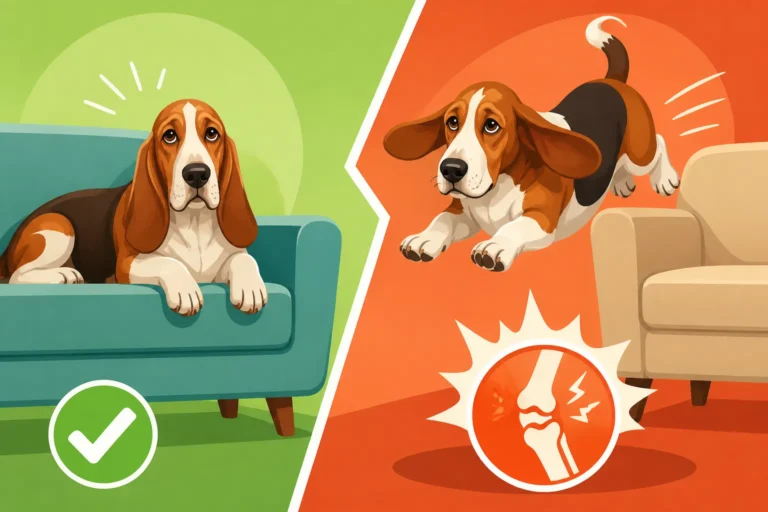
- Proactive Soft Bedding: Don't wait for calluses to form. Provide ample soft, supportive bedding from the moment you bring your Basset home, or even better, before they do. Place these beds in their favorite resting spots – often near you, near a window, or where they can supervise the household. This also applies to preventing other joint issues, especially as they get older and might struggle with The Old Basset Hound That Cannot Get Off the Floor.
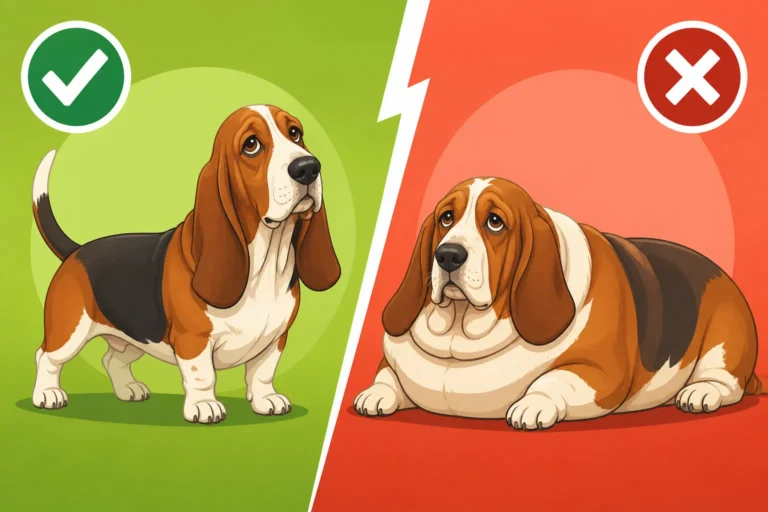
- Maintain a Healthy Weight: This is paramount for overall Basset Hound health and directly impacts callus formation. A heavier dog puts more pressure on its joints and bony prominences. Keeping your Basset at their ideal weight significantly reduces the impact on their elbows. Regularly check their weight against guidelines like How Much a Basset Hound Should Weigh and implement strategies for Keeping a Basset Hound at Its Correct Weight. Less weight means less trauma to those elbows.
- Regular Checks: Incorporate a quick visual and tactile check of your Basset's elbows into your grooming or petting routine. A minute spent feeling for new bumps, cracks, or tenderness can help you spot a problem before it becomes serious. This also extends to checking their feet and other pressure points.
- Environmental Control: While you can't be with your Basset every second, try to encourage the use of soft surfaces. Use rugs, carpet runners, or strategically placed dog beds in areas where they tend to lie down. If they love a specific spot on the hard floor, try putting a bed there for a few days to see if they'll use it. Sometimes, just changing the surface can make a big difference. Consider also whether your Basset Hound needs joint supplements to support overall joint health, which can indirectly aid in managing discomfort from pressure points.
- Consider Protective Sleeves: For Bassets that are particularly prone to severe calluses or hygromas, or those recovering from treatment, your vet might recommend special padded elbow sleeves or wraps. These can provide an extra layer of protection, similar to what you might use for Whether a Basset Hound Needs Joint Supplements or other joint care, especially during outdoor activity or recovery.
Taking these preventative steps will go a long way in keeping those elbows healthy and ensuring your Basset Hound lives a comfortable, happy life, free from the pain of untreated calluses. While pet insurance, like policies from Healthy Paws, can be an excellent safety net for unexpected vet bills, remember that prevention is always the best strategy, as highlighted in topics like Whether a Basset Hound Is Worth Insuring at All for routine care.
Elbow Callus Management at a Glance
Here's a quick summary to help you distinguish between a normal callus and one that needs attention, and what steps to take.
| Feature / Symptom | Normal Callus (Manage at Home) | Problematic Callus (Consult Vet) |
|---|---|---|
| Appearance | Dry, tough, hairless, grey/blackish skin | Cracked, bleeding, open sore, swollen, red |
| Touch/Feel | Firm, sometimes scaly, not painful | Hot, tender, painful, squishy (hygroma), lumpy (abscess) |
| Dog's Behavior | No change, comfortable lying down | Licking, chewing, limping, reluctant to lie down |
| Primary Goal of Care | Cushioning, moisturizing, prevention | Treating infection, reducing pain, preventing escalation |
| Home Care Actions | Provide soft bedding, apply dog-safe balm daily, inspect regularly | Keep clean, follow vet's instructions, use prescribed meds |
| Veterinary Actions Needed | N/A | Examination, possible cytology, antibiotics, pain meds, wound care, possible surgery |
Disclaimer
This article is for general informational purposes only and does not constitute professional advice. Laws, prices and regulations vary by location and change over time. Consult a qualified professional for guidance on your specific situation.