Whether an Insurer Excludes a Basset Hound’s Ears
One of the biggest worries for any Basset Hound parent is, without a doubt, their beloved long ears. While those velvety flaps are undeniably charming, they're also a magnet for trouble, often leading to recurring ear infections that can drain your wallet and your patience. This guide is here to shed some light on the often-confusing world of pet insurance, specifically addressing whether those policies actually cover your Basset's famously problematic ears or if they leave you holding the bill.
Understanding Pet Insurance and Breed-Specific Conditions
It’s easy to feel overwhelmed when you start looking into pet insurance. All the jargon, the different plans, the exclusions—it’s enough to make you want to just give up and hope for the best. But for a breed like the Basset Hound, with its well-known predispositions, understanding your policy is absolutely critical, especially when it comes to those iconic ears.
The Basics of Pet Insurance Coverage
At its heart, pet insurance is there to help you manage unexpected veterinary costs. Most policies generally cover accidents and illnesses, which can range from a broken bone to a sudden onset of a serious disease. This means if your Basset Hound, bless their clumsy heart, takes an unexpected tumble and needs stitches, or if they suddenly develop an illness requiring medication, your insurance is designed to step in and ease the financial burden.
However, it's equally important to understand what isn't typically covered. Routine care, like vaccinations, flea and tick prevention, and annual check-ups, usually falls under separate "wellness" plans, if offered at all. Cosmetic procedures, like tail docking (which isn't done on Bassets anyway), are also usually out. The biggest sticking point for many owners, though, revolves around "pre-existing conditions"—any illness or injury that occurred, or showed symptoms, before your policy started or during its waiting period. This is where those Basset ears often become a contentious issue.
Why Basset Hounds and Their Ears are Unique
Let's be honest, a Basset Hound's ears are a marvel of engineering, perfectly designed for scent work. They’re long, heavy, and hang low, sweeping scents up towards that incredible nose. But this very design, while fantastic for tracking, creates a perfect storm for ear health issues. The length and weight mean very little air circulates inside the ear canal, creating a warm, moist environment that bacteria and yeast absolutely adore. Add to that their often narrow and twisty ear canals, and you've got a recipe for recurring infections.
Many Basset Hound owners quickly learn that Why a Basset Hound's Ear Canal Never Dries is a battle they'll be fighting regularly. This unique physiology means that what might be a minor earache for another breed can quickly become a serious, chronic problem for a Basset. This predisposition isn't a secret to pet insurance companies, and it plays a significant role in how they might view claims related to ear conditions. They know the breed, and they understand the common pitfalls.
Pre-Existing Conditions and How They Impact Ear Coverage
This is where the rubber meets the road for many Basset Hound owners. The concept of "pre-existing conditions" is probably the most frustrating and misunderstood aspect of pet insurance, and it's particularly relevant when discussing those floppy Basset ears.
Defining "Pre-Existing" in the World of Pet Insurance
A pre-existing condition, in the simplest terms, is any health issue your pet had or showed signs of before your pet insurance policy kicked in or before the waiting period for specific coverage ended. It doesn't matter if it was officially diagnosed by a vet or not; if symptoms were present, it often counts. For instance, if your Basset Hound had an ear infection three months before you purchased a policy, and then developed another one a month after the waiting period, that subsequent infection might be deemed a recurrence of a pre-existing condition and therefore excluded.
This can feel incredibly unfair, especially if your dog only had a mild issue that seemed to clear up. But from an insurer's perspective, they're trying to prevent people from buying insurance only when they know a big vet bill is looming. The key takeaway here is that pet insurance is meant for unexpected events, not conditions that were already developing. This is a standard practice across the industry, whether you're looking at a well-known provider like Healthy Paws or exploring options through a platform like Chewy's pet insurance offerings.
The Challenge for Basset Hound Owners with Recurring Ear Issues
If you've owned a Basset Hound for any length of time, you know that ear infections aren't usually a one-and-done deal. They often recur, sometimes with maddening frequency. This is precisely where the pre-existing condition clause becomes a major headache. Imagine your sweet Basset, Daisy, had a nasty ear infection at six months old, which was treated by the vet. You get insurance a few months later, thinking you're now covered for future problems. Then, at a year old, Daisy gets another ear infection, seemingly out of the blue.
The insurer will look back at Daisy's vet records. If that first infection is documented, and especially if it's in the same ear or is deemed by the vet to be a chronic issue, the new infection might be classified as a pre-existing condition. This means they won't cover the treatment costs, leaving you to pay out of pocket. It's a truly heartbreaking scenario, as you've been doing your best to protect your furry friend, only to find a loophole in your coverage. This is often the frustration behind phrases like The Ear Infections That Never Really Leave a Basset Hound, as they become a chronic management issue, not just an acute one.
Common Pet Insurance Exclusions and Basset Hound Ears
Navigating the labyrinth of pet insurance policies can be dizzying, and understanding what might be specifically excluded is paramount, especially for a breed like the Basset Hound with its unique health considerations.
Standard Exclusions vs. Specific Ear Clauses
Most pet insurance policies come with a list of general exclusions that apply to all breeds and conditions. These often include things like elective procedures (think dewclaw removal unless medically necessary), breeding costs, grooming, specialized diets (unless prescribed for a covered condition), and sometimes even certain behavioral treatments. However, beyond these standard exclusions, some policies may have more specific clauses that can hit Basset Hound owners particularly hard.
One common clause you might encounter is related to "bilateral conditions." This means if a condition, like an ear infection, starts in one ear before coverage or during a waiting period, and then later appears in the other ear, some insurers will consider both ears affected by the same pre-existing condition and therefore exclude treatment for both. Given that Basset Hounds can have simultaneous or sequential ear issues in both ears due to their anatomy, this clause can be a significant concern. It's not always explicitly stated as "Basset Hound ear exclusion," but the language around pre-existing and bilateral conditions achieves the same outcome.
How Different Insurers Approach Ear Coverage
The good news is that not all pet insurance companies are identical in how they interpret and apply these rules. Some might have slightly more flexible definitions of "pre-existing," while others might offer wellness packages that do include routine ear cleaning supplies or discounted vet visits for preventative care, which can indirectly help manage costs even if a full infection isn't covered.
When you're comparing policies, it’s worth asking specific questions about recurring ear infections and how they handle pre-existing conditions. For example, some providers might distinguish between an acute, one-off infection and a chronic, ongoing issue, though this is rare. Others might have a "curable pre-existing condition" clause, meaning if a condition hasn't recurred for a certain period (e.g., 6-12 months), it might become eligible for coverage again. This is more common for things like urinary tract infections, but less so for structural issues like Basset ears.
Here’s a simplified table comparing how various scenarios related to Basset Hound ear health might be covered:
| Ear Condition Scenario | Timing Relative to Policy Start | Likely Insurance Coverage | Rationale |
|---|---|---|---|
| Acute Infection (First Time) | After waiting period | Covered | New, unexpected illness. |
| Recurring Infection | After waiting period | Potentially Excluded | If initial infection was pre-existing, subsequent ones may be considered related. |
| Chronic Infection (Ongoing) | Documented before policy | Excluded | Clearly a pre-existing condition. |
| Infection, other ear | Pre-existing in one ear | Potentially Excluded | Bilateral clause may apply, treating both ears as one condition. |
| Ear Hematoma | After waiting period | Covered | Considered an accident/injury, unless related to excluded ear infection. |
| Total Ear Canal Ablation (TECA) | After waiting period | Covered (if not pre-existing) | Major surgery for severe, non-pre-existing chronic infection. |
Companies like Healthy Paws are often praised for their comprehensive accident and illness plans, but like most insurers, they generally exclude conditions that are pre-existing. This means getting a policy early is crucial. Similarly, platforms like Chewy that offer pet insurance options will also adhere to standard pre-existing condition rules, requiring you to disclose your pet's full medical history. Even newer players or those focused on wellness, such as Ollie, while providing excellent food and sometimes offering partner insurance, will still face the same industry standards regarding pre-existing conditions for their insurance partners. It's imperative to get a clear understanding from any provider you consider.
Strategies for Securing Comprehensive Ear Coverage for Your Basset Hound
Given the Basset Hound's predisposition to ear issues, it's wise to be strategic about how you approach pet insurance. Thinking ahead can make all the difference in what ends up being covered.
Insuring Early and Understanding Waiting Periods
This is, hands down, the single most important piece of advice for any Basset Hound owner: get pet insurance as early as possible. Seriously, the moment you bring your wiggly, floppy-eared puppy home, or even before if you've already committed to one, start researching policies. A young puppy is a blank slate, medically speaking. They haven't had any ear infections (or other conditions) yet, which means when you enroll them, their ears are considered "new" to the insurer. This maximizes the chances that any future, unexpected ear infections will be covered, provided they don't pop up during the initial waiting period.
Most insurance policies have waiting periods—a specific number of days after your policy begins during which certain conditions aren't covered. This is typically 14 days for illnesses and often shorter (or none at all) for accidents. If your Basset Hound gets an ear infection during this waiting period, it will be considered pre-existing and likely excluded from coverage, even if it's their very first one. So, timing really is everything. When you're considering What a Basset Hound Puppy Costs From a Real Breeder, factor in the immediate cost of pet insurance as well, because it's an investment in their future health.
Regular Vet Care and Documentation
Another critical strategy is maintaining consistent, thorough veterinary care and ensuring every single visit and treatment is meticulously documented. Your Basset Hound's vet records are the backbone of any insurance claim. If an ear issue arises and you submit a claim, the insurer will request these records to determine if the condition is pre-existing. Clear, detailed notes from your vet can either support your claim for a new, unexpected illness or unfortunately, confirm a pre-existing one.
Regular preventative care is also key. By keeping up with routine ear cleanings and check-ups, you're not only promoting your Basset's health but also creating a paper trail. If your vet notes that your dog's ears have been healthy for a significant period before a new infection, it can strengthen the argument that it's a new occurrence rather than a continuation of an old, pre-existing issue. This proactive approach to health, including following guidance on How Often a Basset Hound's Ears Must Be Cleaned, can sometimes make a difference in how an insurer views a claim.
What to Do if Your Basset Hound's Ears Are Excluded
It's a disheartening moment when you find out your pet insurance won't cover your Basset Hound's ear issues. But don't despair entirely. There are still avenues you can explore, both for managing costs and for understanding your options moving forward.
Managing Costs Without Insurance Coverage
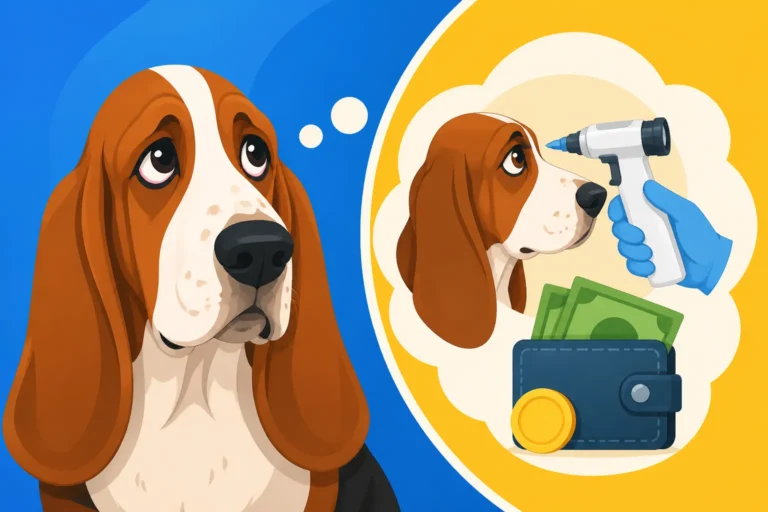
If your Basset Hound's ear conditions are indeed excluded from your pet insurance policy, your first thought is likely about the financial burden. Chronic ear infections, especially if they escalate, can lead to significant vet bills, including diagnostic tests, medications, and potentially even specialized procedures like Whether a Basset Hound Needs Ear Surgery. It’s important to remember that you're not alone in facing these costs.
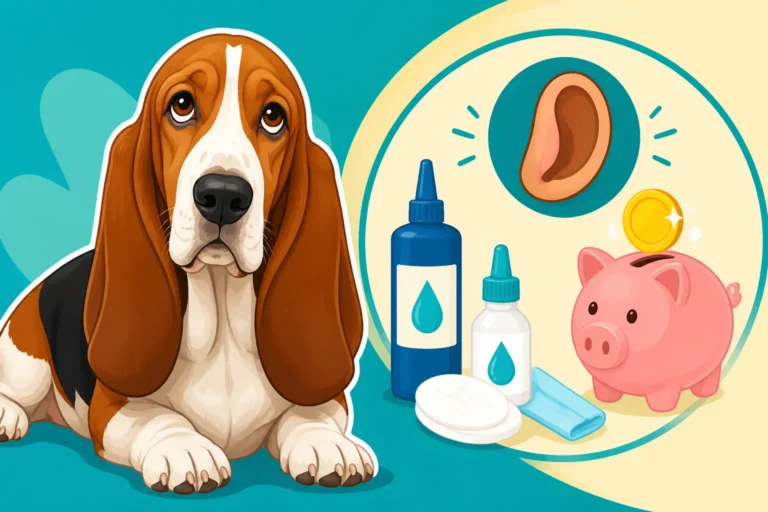
One approach is to set up a dedicated savings account specifically for your pet's health. Treat it like a self-insurance fund. Regularly contribute a set amount each month, perhaps what you would have paid in premiums for full ear coverage. This way, when a flare-up occurs, you have funds readily available. You can also discuss payment plans with your veterinarian, as many clinics understand the financial strain of ongoing care. Additionally, look into discount programs or loyalty schemes some vet practices offer. Even if insurance won't cover it, you can still find ways to mitigate the financial impact of What Chronic Ear Treatment Costs a Basset Hound Owner.
Exploring Appeals and Alternative Solutions
If you believe an ear condition was unfairly deemed pre-existing, most pet insurance companies have an appeals process. Gather all your veterinary records, any relevant correspondence, and clearly articulate your case. Sometimes, an insurer might reconsider if new information comes to light, or if there's ambiguity in the records. It's a long shot for chronic conditions, but it's always worth understanding your rights and options.
In situations where comprehensive coverage for ears is simply not an option, you might consider alternative insurance solutions. Some companies offer accident-only policies, which might cover things like a torn ear flap or an aural hematoma (a blood blister on the ear) that happens suddenly, even if recurring infections are excluded. While this won't cover the underlying infection, it could help with acute injuries to the ear. For ongoing management, focusing on consistent preventative care, like Whether a Basset Hound Needs Ear Drops for Life, becomes even more crucial, as preventing flare-ups is the best way to keep costs down.
Beyond Insurance: Proactive Ear Health for Basset Hounds
While pet insurance is a fantastic tool for managing unexpected costs, it's not a substitute for proactive care. For Basset Hounds, whose ears are practically a full-time job, prevention and diligent maintenance are your best friends.
Daily Care and Prevention
For Basset Hound ears, an ounce of prevention is truly worth a pound of cure. Because their long, floppy ears create such an ideal environment for moisture and warmth, regular cleaning isn't just a recommendation—it's practically a necessity. Establish The Twice Weekly Ear Ritual a Basset Hound Owner Signs Up For from puppyhood, making it a positive and calm experience. Use a veterinarian-approved ear cleaner that's designed to dry and acidify the ear canal, helping to inhibit the growth of yeast and bacteria.
Beyond cleaning, routinely inspect your Basset's ears. Gently lift the ear flap and look inside. You're looking for any redness, swelling, unusual discharge, or a foul odor. Familiarize yourself with The Signs a Basset Hound's Ear Has Gone Bad, such as head shaking, scratching at the ears, or holding one ear lower than the other. Early detection is crucial. The sooner you spot a problem, the sooner you can get it treated, potentially preventing it from becoming a more severe or chronic issue that’s harder and more expensive to manage. Also, after baths or swimming, always make sure to thoroughly dry their ears to prevent moisture buildup.
Working with Your Veterinarian
Your veterinarian is your most valuable partner in maintaining your Basset Hound's ear health. They can recommend the best cleaning products, demonstrate proper cleaning techniques, and provide accurate diagnoses when problems arise. If you notice any signs of an ear infection, don't try to self-diagnose or treat with old medications. A vet can determine if the infection is bacterial, yeast, or even mites, and prescribe the correct medication.
For persistent or recurring ear problems, your vet might suggest further diagnostics like ear cultures to identify the specific type of bacteria or yeast, or even refer you to a veterinary dermatologist. Building a strong relationship with your vet and following their advice diligently is the best way to safeguard your Basset Hound's ear health, regardless of what your insurance policy covers. They can also advise on whether Whether Every Basset Hound Gets Ear Infections is indeed true, and what measures you can take to minimize the risk.
Disclaimer
This article is for general informational purposes only and does not constitute professional advice. Laws, prices and regulations vary by location and change over time. Consult a qualified professional for guidance on your specific situation.