Whether a Basset Hound Is an Expensive Breed to Own
One of the most common worries I hear from prospective Basset Hound owners, right alongside concerns about their stubborn streak, is the question of cost. It’s easy to look at those long ears and mournful eyes and fall head over heels, but then the practical questions hit: Can I actually afford to care for this wonderful, unique dog? This guide is here to give you a realistic, honest breakdown of the financial commitment involved in owning a Basset Hound, from the initial adoption fee to the everyday expenses and those inevitable unexpected veterinary bills.
Initial Costs: Bringing Your Basset Home
Bringing a new Basset Hound into your life is an exciting time, but it often comes with a significant upfront cost. This isn't just about the puppy itself; it's about setting them up for a healthy and happy life from day one. Understanding these initial expenses can help you budget properly and avoid surprises.
Purchase Price or Adoption Fees
Whether you choose to buy from a reputable breeder or adopt from a rescue, there will be an initial cost. When considering a breeder, you're not just paying for a puppy; you're often paying for generations of careful breeding, health testing, and early socialization. A well-bred Basset Hound puppy from a responsible breeder, especially one who prioritizes health clearances and temperament, will reflect that investment. These breeders put immense time and resources into ensuring their puppies are healthy and well-adjusted. You might find yourself on a waiting list, but it’s often worth it for the peace of mind. To delve deeper into what a good breeder provides, you might want to read about What a Basset Hound Puppy Costs From a Real Breeder.
On the other hand, adopting a Basset Hound from a rescue organization also comes with fees, but these are generally lower than breeder prices. These fees typically cover a portion of the rescue's expenses, such as spaying/neutering, initial vaccinations, microchipping, and any medical treatment the dog received while in their care. Many wonderful Basset Hounds end up in rescue through no fault of their own, often needing a second chance. Choosing to adopt is a fantastic way to give a loving home to a dog in need, and it often means the dog comes to you with some essential veterinary work already done. You can learn more about this route in What Adopting a Basset Hound Costs.
Essential Puppy Supplies
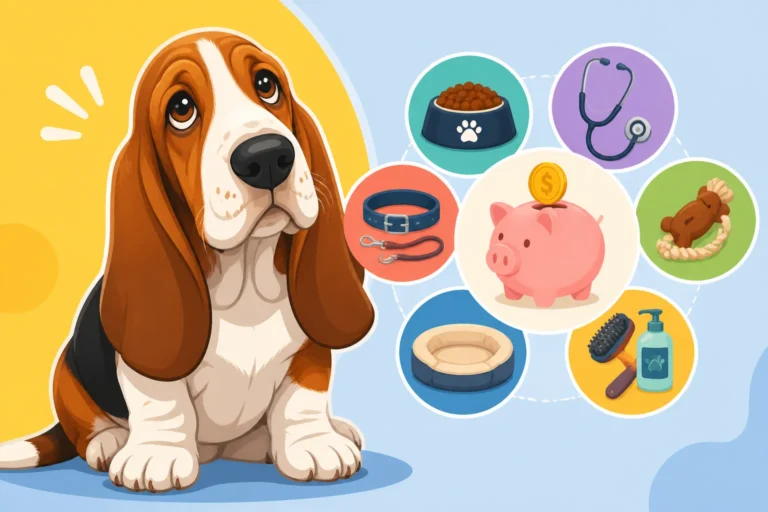
Once you’ve secured your Basset, the shopping list truly begins! Before your new family member even steps through the door, you'll need to have a number of essentials ready. This includes a sturdy crate—and remember, Basset Hounds, though low to the ground, are substantial dogs, so you’ll need a larger crate than you might initially think. You'll also need food and water bowls, a comfortable bed (perhaps even an orthopedic one to support those long backs from a young age), a collar and leash, and plenty of appropriate chew toys to keep those puppy teeth busy and away from your furniture.
Don't forget grooming tools like a rubber curry brush for their shedding coat and nail clippers or a grinder. A Basset Hound's long ears also demand specific attention, so an ear cleaner, cotton balls, and a snood (a fabric tube to keep their ears out of food and water) are vital. Investing in quality items from the start can save you money in the long run, as they're less likely to need frequent replacement. Online retailers like Chewy can be a great resource for finding everything you need, often with competitive pricing and home delivery.
Ongoing Veterinary Care and Health Expenses
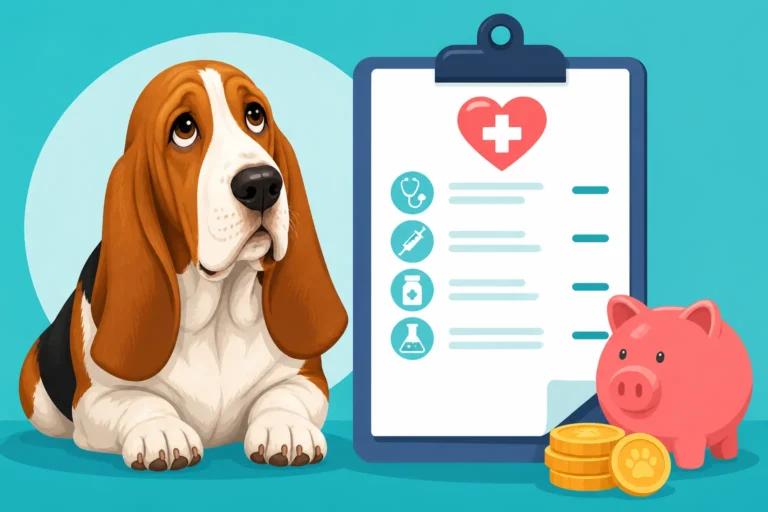
This is where Basset Hound ownership can truly become an investment. While all dogs need regular vet care, Basset Hounds come with certain predispositions that can lead to significant ongoing costs. Being prepared for these possibilities is key to responsible ownership.
Routine Check-ups and Vaccinations
Every dog needs routine veterinary care. This includes annual check-ups, necessary vaccinations to protect against common diseases, and regular parasite prevention (flea, tick, and heartworm medications). For a puppy, the first year will involve several vet visits for their initial vaccination series and deworming. After that, annual wellness exams are crucial for catching any potential health issues early, which can save you a lot of heartache and expense down the line.
During these routine visits, your vet will also check their teeth, which are prone to dental disease, and discuss their weight, a common struggle for the breed. Maintaining a healthy weight is absolutely critical for Bassets, as excess pounds can exacerbate joint issues and back problems. You might be surprised to learn that What Extra Weight Does to a Basset Hound is a serious concern.
Breed-Specific Health Challenges
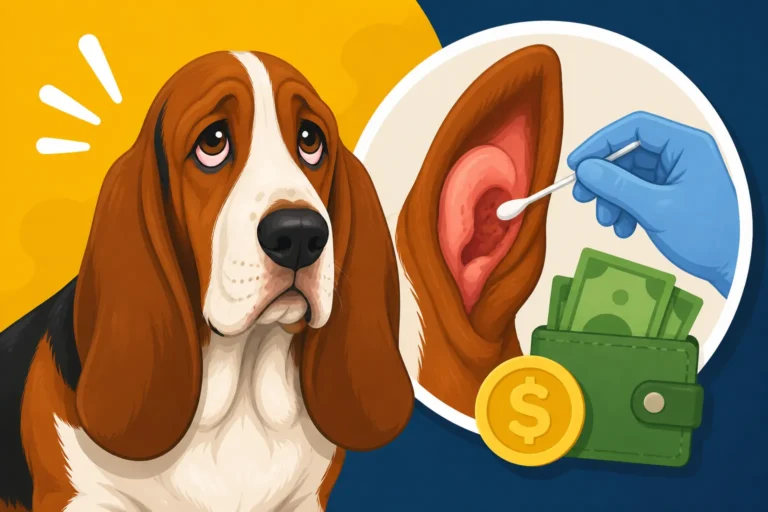
Ah, the Basset Hound's charming quirks often come with their own set of potential health challenges. Their famously long, pendulous ears, while adorable, are unfortunately a magnet for ear infections. Because of their length and the way they trap moisture and heat, their ear canals rarely dry out completely, creating a perfect environment for yeast and bacteria. Regular, diligent cleaning is a must, but even with the best care, many Basset Hounds will experience recurrent infections that require veterinary intervention, including medicated ear drops and possibly cultures to identify the specific pathogen. This consistent care is why Why a Basset Hound's Ears Cost More Than the Puppy Did is a reality for many owners.
Beyond ears, Basset Hounds are also prone to eye issues, such as entropion (eyelids rolling inward) and ectropion (eyelids rolling outward), which can require surgery. Glaucoma, a painful condition that can lead to blindness, is also a concern. Their unique long back and short legs make them susceptible to intervertebral disc disease (IVDD), a condition where the discs in their spine degenerate and can rupture, leading to pain and even paralysis. This often requires expensive diagnostics like MRIs and potentially surgery, followed by extensive physical therapy. Understanding The Back Trouble a Basset Hound Is Built Into is vital for any owner. And let's not forget elbow dysplasia, a common orthopedic issue in the breed, where Why One Basset Hound in Seven Has Bad Elbows highlights the prevalence of this problem.
Pet Insurance and Emergency Funds
Given the potential for significant health issues, pet insurance is a serious consideration for Basset Hound owners. While it adds a monthly premium to your budget, it can be an absolute lifesaver if your Basset develops a chronic condition or needs emergency surgery. Many policies offer different levels of coverage, from accident-only to comprehensive plans that include illness and wellness care. It's crucial to research different providers and understand what their policies cover, especially concerning breed-specific conditions that might be deemed pre-existing if not enrolled early. Companies like Healthy Paws are popular choices among pet owners for their comprehensive coverage options.
Even with insurance, it's wise to have an emergency fund specifically for your dog. Most insurance policies have deductibles and co-pays, and some treatments might not be fully covered. A separate savings account dedicated to your Basset's health can provide a crucial safety net for those unexpected and often costly veterinary emergencies.
Feeding and Nutrition Costs
Feeding a Basset Hound isn't just about putting food in a bowl; it's about providing the right nutrition to support their unique build and prevent common health issues. And let's be honest, Basset Hounds are notorious for loving their food, which means managing their intake is a constant, important task.
Quality Dog Food Expenses
The cost of dog food varies significantly based on quality, ingredients, and brand. For a Basset Hound, choosing a high-quality diet is paramount. Look for foods with real meat as the first ingredient and avoid excessive fillers. Given their predisposition to joint problems and weight gain, many owners opt for formulas that support joint health or are designed for large breeds, which tend to have a different nutrient profile. You might find yourself experimenting with different brands to see what suits your Basset's sensitive stomach and helps maintain a healthy weight.
Some owners even explore fresh food options, like those offered by Ollie, which deliver pre-portioned, human-grade meals directly to your door. While these can be more expensive than traditional kibble, many believe the health benefits are worth the investment. Regardless of the type of food, consistent feeding schedules and portion control are critical to prevent obesity, which exacerbates nearly every health problem a Basset Hound can face.
Treats and Supplements
Basset Hounds are highly food-motivated, which can be both a blessing and a curse. Treats are invaluable for training, but they must be given judiciously and factored into their daily calorie intake to avoid unhealthy weight gain. Opt for low-calorie, healthy options, or use a portion of their regular kibble as training rewards. Dental chews can also be a valuable addition, helping to keep their teeth clean between brushings, but again, consider the calories.
Beyond food, many Basset Hound owners choose to give supplements, particularly those aimed at joint health, such as glucosamine and chondroitin. While not all dogs need them, they can be beneficial for supporting their cartilage and joint function, especially as they age or if they show early signs of discomfort. Always discuss any supplements with your veterinarian to ensure they are appropriate and won't interact negatively with other medications or conditions. You can read more about whether a Basset Hound needs joint supplements in Whether a Basset Hound Needs Joint Supplements.
Grooming and Essential Supplies
While Basset Hounds don't require elaborate grooming, their specific needs mean you can't skimp on regular care. Their unique features, like those long ears and wrinkly faces, demand consistent attention.
Routine Grooming Tools and Products
A Basset Hound's short, dense coat is surprisingly easy to maintain, but they do shed. Regular brushing with a rubber curry brush or a shedding blade will help remove loose hair and keep their skin healthy. You'll also need a gentle dog shampoo and conditioner, as regular baths are necessary to keep them clean and to manage their natural "houndy" scent, especially if they are prone to skin fold infections on their face and neck. Their nails grow quickly and must be trimmed regularly; long nails can cause discomfort, affect their gait, and lead to foot problems.
Don't forget the ear care products! As mentioned, their ears are highly prone to infection, so a high-quality ear cleaner is a non-negotiable item. You'll use it weekly, sometimes even more, especially if your Basset loves to splash in the water. Having a snood is also incredibly useful to keep those long ears out of their food and water bowls, preventing them from getting soggy and developing further issues. This simple item can save you from a lot of extra cleaning and potential ear infections.
Beds, Ramps, and Other Comforts
Due to their long backs and short legs, Basset Hounds are particularly susceptible to back injuries. Jumping on and off furniture can put immense strain on their spine. Investing in orthopedic dog beds provides crucial support, cushioning their joints and preventing pressure sores. Even more importantly, consider purchasing ramps or doggy steps for furniture like beds and couches, as well as for getting into and out of the car. These simple tools can significantly reduce the risk of spinal injury over their lifetime.
Furthermore, because their chest is so close to the ground, Basset Hounds can get quite cold in winter or soaked in wet weather. A good quality dog coat or sweater might be necessary for walks in colder climates. Also, think about non-slip mats or rugs for hard floors, which can help prevent slips and falls that might strain their back or joints, especially as they get older. You can learn more about this in The Ramps, Beds and Gates a Basset Hound Needs.
Training, Enrichment, and Miscellaneous Expenses
Beyond the basics, there are other costs associated with enriching your Basset Hound’s life and ensuring they are well-behaved and happy members of your family.
Training Classes and Aids
Basset Hounds are famously independent thinkers, often described as stubborn. While they are intelligent, their strong scent drive means they can easily become oblivious to your commands when a fascinating smell crosses their path. This makes consistent training incredibly important. Puppy classes are a great start for socialization and basic manners, and enrolling in advanced obedience or scent work classes can be very beneficial for harnessing their natural instincts. These classes come with a fee, but they are an investment in a well-adjusted dog.
Beyond classes, you might invest in training aids like a long line for safe outdoor exploration (as their recall is often unreliable!), puzzle toys to keep their minds engaged, and durable chew toys to prevent destructive chewing. Remember, a bored Basset is often a mischievous Basset, so providing mental stimulation is just as important as physical exercise.
Pet Sitting, Boarding, and Walking Services
Life happens, and there will likely be times when you need to travel or simply can't be home to care for your Basset Hound. Pet sitting services, boarding kennels, or dog walkers are valuable resources, but they come with a cost. Boarding kennels offer a safe place for your dog while you're away, though some Bassets might find the change in routine stressful. A professional pet sitter who comes to your home can be a less disruptive option.
If your work schedule is demanding, a dog walker can ensure your Basset gets their necessary daily exercise and potty breaks. While Bassets aren't high-energy dogs, regular walks are important for their physical health and mental well-being, especially to prevent boredom and maintain a healthy weight. These services add to your monthly budget but can be essential for ensuring your Basset Hound's needs are met consistently. You might explore What Boarding a Basset Hound Costs for more information.
Licensing and Unexpected Costs
Don't forget the minor, but legally required, costs like annual dog licensing fees in your city or county. These fees contribute to animal services and often come with a penalty if ignored. Beyond that, there are always unexpected incidentals. This could be anything from replacing a beloved toy that got shredded, to buying specialized cleaning supplies for an accident, or having to replace a piece of furniture that fell victim to a bored puppy.
It's also worth noting that Basset Hounds, with their incredible sense of smell, are prone to finding and eating things they shouldn't. This can lead to emergency vet visits for upset stomachs, foreign body ingestion, or even poisoning, all of which are costly and stressful. A well-secured home, diligent supervision, and teaching a solid "leave it" command can help mitigate these risks.
The Long-Term Financial Picture
Looking at the overall picture, owning a Basset Hound is certainly a significant financial commitment. Here’s a rough breakdown of what you might expect, keeping in mind these are estimates and actual costs will vary wildly based on individual circumstances, location, and your Basset's specific health needs.
| Category | Initial (First Year) Estimate | Annual Ongoing Estimate (Years 2+) |
|---|---|---|
| Purchase/Adoption | Varies widely | – |
| Vet Care | Higher (Puppy shots, spay/neuter) | Moderate-High (Wellness, vaccines, prevention) |
| Food & Treats | Moderate | Moderate (Higher for specialty diets) |
| Supplies | Higher (Crate, beds, bowls) | Moderate (Replacements, grooming products) |
| Training | Moderate-High (Classes) | Low-Moderate (Refresher, puzzle toys) |
| Insurance/Emergency Savings | Moderate | Moderate-High |
| Misc. | Low-Moderate | Low-Moderate |
Is a Basset Hound an Expensive Breed?
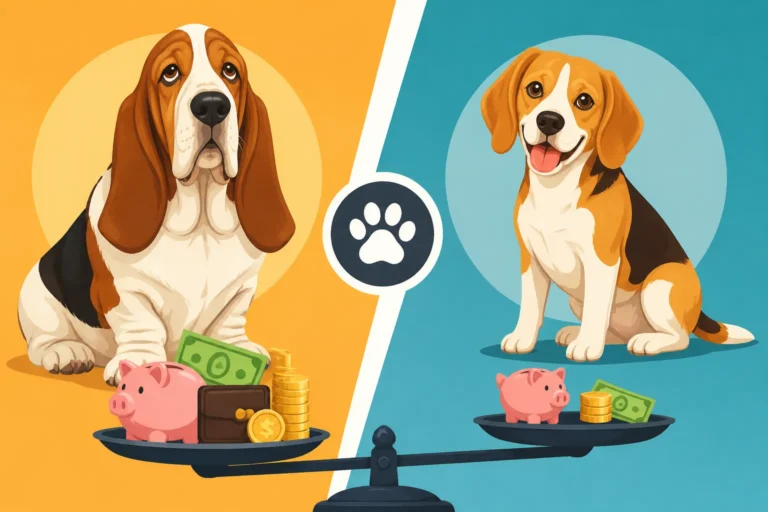
Compared to some smaller, less health-prone breeds, a Basset Hound can indeed be considered a more expensive breed to own. Their predispositions to ear infections, eye conditions, and orthopedic issues like IVDD and elbow dysplasia mean that veterinary costs can be considerably higher than average. The sheer volume of care required for their ears alone, often needing lifelong management with specialized cleaners and sometimes prescription medications, adds up over time.
However, the "cost" of a Basset Hound is relative. Many owners find their gentle, loving, and comical personalities to be absolutely priceless. They bring immense joy and unique companionship, making every penny spent feel worthwhile. The key is going into ownership with your eyes wide open, understanding the potential expenses, and being prepared for them. This preparation allows you to focus on loving your Basset and providing them with the best possible life, rather than constantly worrying about unexpected bills. You might also be interested in What a Basset Hound Costs a Year to Keep for a more detailed breakdown.
Planning for the Future
To truly manage the expense of a Basset Hound, proactive planning is crucial. This includes researching breeders thoroughly to find those who perform comprehensive health screenings for common issues like elbow dysplasia and glaucoma. Early intervention is often less costly and more effective than waiting until a problem becomes severe. Consider pet insurance from a young age, before any potential conditions can be labeled pre-existing.
Regular preventive care, including consistent ear cleaning, dental hygiene, and maintaining an ideal weight, can significantly reduce the likelihood of costly complications down the line. A healthy Basset Hound is often a less expensive Basset Hound. Ultimately, the financial commitment is substantial, but for those who are prepared, the rewards of sharing your life with one of these charming hounds are immeasurable.
Disclaimer
This article is for general informational purposes only and does not constitute professional advice. Laws, prices and regulations vary by location and change over time. Consult a qualified professional for guidance on your specific situation.