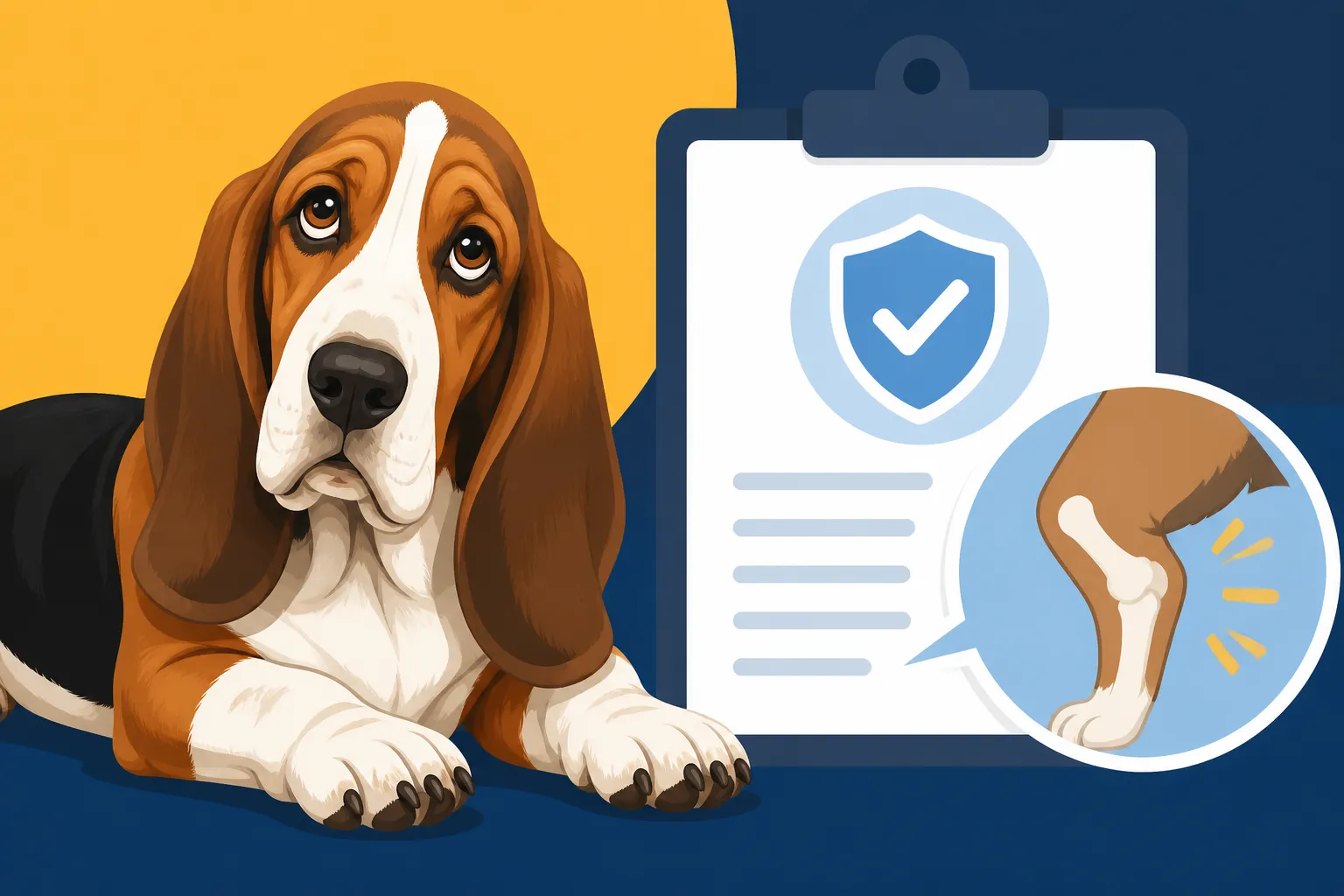
Whether a Basset Hound Contract Covers Elbows
It’s a truly frustrating experience, isn't it? You’ve fallen head over heels for the goofy charm and soulful eyes of a Basset Hound, dreaming of long, sniffy walks and cozy cuddles. But then the reality of potential health issues starts to creep in, especially those notorious joint problems, and suddenly you’re staring at a breeder contract wondering if it actually offers any real protection. This guide aims to clear up the confusion surrounding whether a Basset Hound breeder contract typically covers elbow issues, what to scrutinize, and how to best prepare for your furry friend's long-term health.
Why Elbow Health is a Major Concern for Basset Hounds
Basset Hounds are iconic for their distinct, low-slung, heavy-boned build. It's part of their charm, but also a significant factor in some of their common health challenges. When we talk about elbow health, we're really focusing on something that can severely impact their quality of life.
Understanding Elbow Dysplasia in the Breed
Elbow dysplasia isn’t just a problem for giant breeds; it’s a complex developmental disorder that can affect Basset Hounds due to their unique skeletal structure and growth rate. It’s not one single condition but a collective term for several conditions that lead to malformation and degeneration of the elbow joint. Imagine a crucial hinge in a complex piece of machinery: if any part of that hinge isn't perfectly formed or aligned, it causes friction, pain, and eventual breakdown. That's essentially what happens with elbow dysplasia. It can be caused by various issues like an ununited anconeal process, fragmented coronoid process, osteochondrosis, or incongruity of the joint. All of these contribute to an elbow joint that doesn’t fit or function smoothly, causing pain, inflammation, and leading to Arthritis in a Basset Hound at Seven if not managed.
The very shape that defines a Basset Hound, sometimes referred to as The Crooked Front a Basset Hound Is Built On, means their legs are already under unusual stress. While their short legs help them stay close to the ground for scent work, this chondrodystrophic dwarfism, which gives them their characteristic appearance, also predisposes them to joint abnormalities. This isn't just about genetics; how they grow as puppies, their nutrition, and even how much they're allowed to play and jump can influence how severely these genetic predispositions manifest.
The Real Impact on Your Basset's Life
When a Basset Hound develops elbow dysplasia, it’s not a minor inconvenience. It’s a source of chronic pain and significantly limits their mobility. Picture your normally jovial hound, who loves to sniff every blade of grass, starting to limp after a short walk, struggling to get up from their bed, or even showing reluctance to play. This is the reality for many Bassets suffering from elbow issues. They might exhibit a stiff gait, particularly after resting, or shy away from activities they once enjoyed.
Over time, this constant friction and inflammation in the joint lead to degenerative joint disease, or arthritis, which is irreversible. Managing this pain and maintaining mobility becomes a lifelong commitment, often involving pain medication, anti-inflammatories, physical therapy, and sometimes even surgery. It's heartbreaking to watch them struggle, especially when you know their spirit is still eager for adventure. This condition can severely impact their ability to rise, leading to situations like The Old Basset Hound That Cannot Get Off the Floor earlier than you might expect for an aging dog. It also underscores why understanding the health guarantee you receive from a breeder is so vital.
Deciphering Breeder Contracts and Health Guarantees
When you bring a new Basset Hound puppy home, a good breeder will provide you with a contract. This document is meant to protect both you and the breeder, outlining responsibilities and guarantees. However, not all contracts are created equal, especially when it comes to covering complex health issues like elbow dysplasia.
What Most Health Guarantees Promise
Most reputable Basset Hound breeders will offer some form of a health guarantee. Typically, these guarantees cover genetic or congenital health defects that manifest within a specific timeframe, often the first year or two of the puppy's life. The intention is to assure buyers that the puppy they are taking home is sound and free from debilitating inherited conditions. Common guarantees often cover conditions such as severe hip or elbow dysplasia, certain eye conditions, or heart defects, provided they are diagnosed by a licensed veterinarian.
However, the "coverage" can vary wildly. Some breeders might offer a full refund if a severe condition is diagnosed, while others might provide a replacement puppy from a future litter. Sometimes, it’s a partial refund towards veterinary treatment. It's crucial to understand that these guarantees usually come with strict conditions. You might need to provide extensive veterinary documentation, follow specific dietary or exercise regimens recommended by the breeder (or the contract will void the guarantee), or even agree to return the affected dog. The details of these stipulations are what truly matter, and they can sometimes make claiming on a guarantee incredibly difficult in practice.
The Nuance of "Genetic Disease" and Elbows
While elbow dysplasia is undoubtedly a genetic disease, breeder contracts often have specific language that can be tricky to navigate. A contract might state it covers "genetic diseases," but then omit specific, common breed issues like elbow dysplasia, or it might have very narrow definitions of what constitutes a "covered" condition. For instance, some contracts might only cover severe cases of dysplasia, as determined by specific grading systems (like OFA or PennHIP scores), and might not cover milder forms that still cause discomfort and require management.
Furthermore, many contracts place the onus on the buyer to prove the condition is genetic and not caused or exacerbated by environmental factors. This can lead to difficult discussions if a breeder tries to argue that an elbow issue was due to your Basset being overweight (linking to What Extra Weight Does to a Basset Hound) or exercised too strenuously as a puppy, even if a genetic predisposition was clearly present. This is why thorough communication with the breeder about their specific policies on elbow health before you sign is non-negotiable.
Common Exclusions and Limitations
Even the most well-meaning breeder contracts often have exclusions and limitations that can make them less comprehensive than you might initially hope. Here are a few common ones to watch out for:
- Time Limits: Guarantees are rarely for the dog's entire life. A typical timeframe might be 12 to 24 months. If elbow dysplasia manifests later, you might be out of luck.
- Severity Thresholds: As mentioned, some contracts only cover conditions deemed "severe" by specific veterinary criteria.
- "Environmental Factors": Contracts might state that the guarantee is void if the dog is overweight, over-exercised, fed an inappropriate diet, or suffers an injury. While some of these can genuinely impact joint health, they can also be used to deny a claim for a genetically predisposed condition.
- Mandatory Return: Some guarantees require you to return the dog to the breeder to receive a replacement or refund. For many owners, this is an unthinkable prospect after forming a deep bond with their Basset.
- Specific Vet Requirements: You might be required to use a vet approved by the breeder or follow a very specific diagnostic protocol, which might not align with your own vet's recommendations or your financial capabilities.
- Limited Remedies: The remedy might be a replacement puppy, not financial assistance for surgery or ongoing medical care. This doesn't help alleviate the immediate financial burden of a sick dog.
It’s easy to skim a contract, but with a Basset Hound, you need to read every single word with a fine-tooth comb, especially sections pertaining to joint health.
What to Look For Regarding Elbow Coverage
Understanding the general landscape of breeder contracts is one thing, but pinpointing the specifics for elbow dysplasia requires a keen eye and direct questions.
Specific Language is Key: Don't Just Assume
When reviewing a breeder contract, don't assume that a general "health guarantee" covers everything. You need to look for explicit mention of "elbow dysplasia" or "major joint disorders" within the guarantee section. A strong, transparent contract will clearly state:
- What conditions are covered: Specifically call out elbow dysplasia.
- The timeframe of the coverage: How long from the date of purchase does the guarantee remain valid for this specific condition?
- The criteria for diagnosis: Will an X-ray by your local vet suffice, or is certification by an organization like the Orthopedic Foundation for Animals (OFA) or the University of Pennsylvania Hip Improvement Program (PennHIP) required? A truly responsible breeder will participate in these programs for their breeding stock, and their contract should reflect that. This is directly related to Whether a Basset Hound Breeder Should Show Elbow Scores.
- The remedy offered: Is it a full refund, a partial refund, a replacement puppy (and if so, when?), or financial assistance towards treatment?
- Any conditions that void the guarantee: Are there stipulations about diet, exercise, weight management, or accidents that could invalidate your claim?
If the contract is vague, or if elbow issues are not specifically addressed, ask the breeder for clarification in writing. Don't rely on verbal assurances, as these are much harder to enforce. A good breeder will be open and honest about potential breed-specific issues and their commitment to them.
Timeframes and Diagnostic Requirements
The devil is truly in the details when it comes to health guarantee timeframes and diagnostic requirements. For elbow dysplasia, the typical onset can vary. While some severe cases might be apparent as early as 4-6 months, others might not show significant symptoms until the dog is a year or two old, or even older, especially if they are mild or exacerbated by activity. If your contract only covers the first six months, it might miss the window for many elbow dysplasia diagnoses. Aim for a contract that covers at least the first two years of your Basset's life for elbow and hip issues, as this is when many developmental orthopedic conditions become evident.
Beyond the timeframe, pay close attention to the diagnostic requirements. You might need to jump through hoops to prove the condition. This could include:
- Multiple Vet Visits: Requiring diagnosis by your primary vet, followed by a specialist's confirmation.
- Specific Imaging: Not just basic X-rays, but potentially specialized views or even an MRI for a definitive diagnosis. What a Basset Hound's MRI Costs can be substantial, and the contract should clarify who bears this initial cost.
- Second Opinions: Some contracts require a second opinion from an unrelated veterinarian.
- Autopsy/Necropsy: In the rare and tragic event of a dog's passing due to a covered condition, an autopsy might be required.
All these requirements can add up in termstaining costs and emotional stress. It's a tough situation when you’re already dealing with a sick pet, so knowing these hurdles beforehand is empowering.
Proactive Steps Beyond the Contract
While a breeder contract is a vital document, it's just one piece of the puzzle. Proactively safeguarding your Basset Hound's health involves a multi-pronged approach that extends far beyond the initial purchase agreement.
Vet Screening and Health Clearances
The single most important proactive step you can take is to choose a breeder who actively screens their breeding stock for genetic health conditions, including elbow dysplasia. A responsible Basset Hound breeder should be able to provide you with certifications for the parents of your puppy, such as OFA or PennHIP clearances for elbows and hips. These certifications indicate that the parents have been evaluated by veterinary orthopedic specialists and found to be free of significant dysplasia. Asking about The Health Tests a Basset Hound Breeder Should Run is paramount. Don't be shy about asking to see these documents! A picture of a certificate on a website isn't enough; ask for the official paperwork.
Even with clear parents, there's never a 100% guarantee a puppy won't develop an issue, as genetics are complex. However, starting with parents who have passed rigorous health screenings dramatically reduces the risk. Regular veterinary check-ups for your puppy are also crucial. Your vet can monitor their growth and development, watching for any early signs of lameness or discomfort that might indicate an emerging joint problem. Early detection can lead to better management and outcomes.
Pet Insurance for Peace of Mind
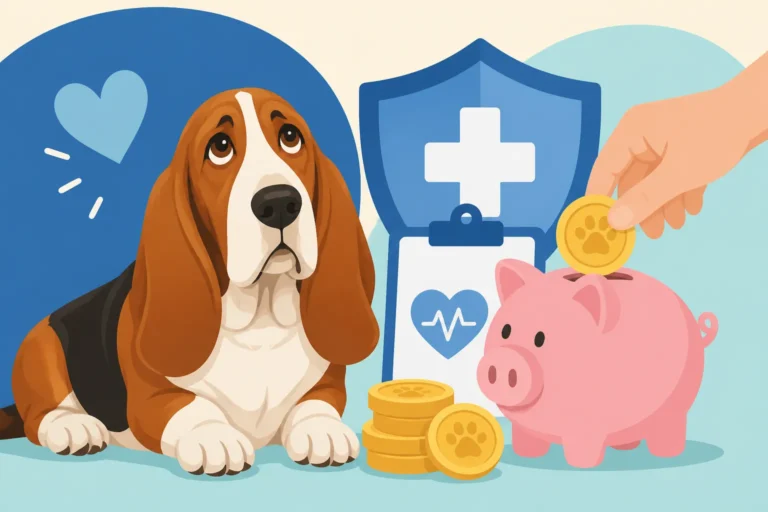
This is where many savvy Basset Hound owners find their ultimate peace of mind. While breeder guarantees can be limited in scope, duration, and financial remedy, a robust pet insurance policy offers a much broader safety net. Companies like Healthy Paws offer comprehensive plans that cover accidents, illnesses, surgeries, and even some alternative therapies. If your Basset Hound develops elbow dysplasia, regardless of whether it’s covered by a breeder contract or not, a good pet insurance policy can help cover the substantial costs of diagnosis (X-rays, MRI), surgery (which can be thousands), medications, and rehabilitation. Considering What a Basset Hound's Emergency Surgeries Cost can easily run into thousands, pet insurance can be a literal lifesaver for your wallet and your Basset's well-being.
It’s important to research policies carefully, looking at deductibles, reimbursement percentages, and annual limits. Pay attention to waiting periods and pre-existing conditions clauses, as these are common in all pet insurance plans. Ideally, you’d enroll your puppy as soon as possible, before any conditions might arise. While a breeder contract might offer a one-time solution, pet insurance provides ongoing coverage for the life of your Basset, protecting against a myriad of potential health challenges, including those that might be explicitly excluded from a breeder's guarantee.
Lifestyle Management and Supportive Care
Beyond genetics and contracts, your daily care routines play a significant role in supporting your Basset Hound's joint health.
- Weight Management: This cannot be stressed enough. Excess weight puts immense strain on a Basset's already vulnerable joints. Keeping a Basset Hound at Its Correct Weight is one of the most impactful things you can do to prevent or lessen the severity of joint issues. Work with your vet to ensure your Basset is at an ideal body condition. Brands like Ollie, which offer fresh, portion-controlled meals, can be excellent for managing weight and providing high-quality nutrition. Or you can find a variety of suitable weight management foods on Chewy.
- Controlled Exercise: While Basset Hounds aren't marathon runners, they do need regular, moderate exercise. Avoid high-impact activities, excessive jumping, or long runs on hard surfaces, especially during their growth phases. Short, frequent walks on soft ground are ideal.
- Joint Supplements: Many Basset Hound owners choose to incorporate joint supplements containing ingredients like glucosamine, chondroitin, and MSM into their dog's diet. While not a cure, these can help support cartilage health and reduce inflammation. Discuss with your vet if and when these might be beneficial for your Basset.
- Supportive Environment: Provide orthopedic beds to cushion their joints. Consider using ramps or steps to help them get onto furniture or into the car, rather than letting them jump, which can strain their backs and elbows.
By taking these proactive steps, you're not just relying on a piece of paper; you're actively investing in your Basset Hound's long-term comfort and mobility, ensuring they can enjoy many happy, wobbly years by your side. Remember, even with the best contracts and insurance, a healthy lifestyle is the foundation of a happy Basset.
| Feature | Breeder Health Guarantee (Typical) | Pet Insurance (Comprehensive Policy) |
|---|---|---|
| Coverage Scope | Specific genetic/congenital defects listed in contract. | Wide range of accidents, illnesses, genetic conditions (if not pre-existing). |
| Elbow Dysplasia | May be covered if severe and within timeframe; specific clauses apply. | Covered if not pre-existing; no severity clauses for eligible conditions. |
| Duration of Coverage | Limited, typically 1-2 years from purchase. | Lifelong, as long as premiums are paid; can renew annually. |
| Cost | Included in purchase price; potential refund/replacement if claimed. | Monthly premiums; deductible and co-pay on claims. |
| Claim Process | Often requires extensive vet documentation, adherence to breeder terms. | Submit vet bills, process claims directly with insurer. |
| Flexibility | Limited to breeder's specific terms; may require returning dog. | Choose your vet, covers treatment options you and vet decide. |
| Pre-existing Conditions | N/A (assuming pup is healthy at sale). | Typically excluded if diagnosed before or during waiting period. |
| Overall Value | Initial assurance, but limited for long-term or complex issues. | Comprehensive financial safety net for unexpected vet costs throughout life. |
Disclaimer
This article is for general informational purposes only and does not constitute professional advice. Laws, prices and regulations vary by location and change over time. Consult a qualified professional for guidance on your specific situation.