What Flying a Basset Hound Puppy Home Costs
Bringing a new Basset Hound puppy home is an incredibly exciting time, full of dreams about floppy ears and soulful eyes. However, for many prospective owners living a significant distance from their chosen breeder, the practicalities of transporting that precious cargo can quickly become a maze of regulations, unexpected fees, and logistical headaches. It’s easy to underestimate just how much it can add to the initial investment. This guide aims to pull back the curtain on the actual costs involved in flying a Basset Hound puppy home, so you can budget realistically and ensure your new family member arrives safely and with as little stress as possible.
Understanding the Complexities of Pet Air Travel
You might think arranging a flight for a puppy is as simple as adding an extra suitcase to your booking, but oh, if only it were! The truth is, flying a live animal, especially a puppy, involves a completely different set of rules, restrictions, and costs that can vary wildly depending on the airline, the route, and even the time of year. It’s a whole different ballgame.
Airline Regulations and Restrictions for Brachycephalic Breeds
One of the biggest hurdles you’ll encounter when flying a Basset Hound puppy is their unique physiology. Basset Hounds, with their distinctive short snouts and broad heads, are classified as a brachycephalic breed. This designation is critical because many airlines have strict, and often prohibitive, rules regarding their air travel due to potential respiratory issues in the stress and temperature fluctuations of a plane.
The worry is that these breeds can struggle to breathe and regulate their body temperature, especially in the cargo hold where temperatures aren't as finely controlled as in the cabin. This isn't just a minor concern; it's a serious health risk that airlines take very seriously. Some carriers refuse to fly brachycephalic breeds in cargo altogether, while others impose seasonal embargoes during warmer months or require specific temperature-controlled flights. This means your ideal travel dates might be impossible, or your choice of airlines severely limited. Always, always check the specific airline's pet policy before you book anything, even a flight for yourself. What you find might dictate whether flying is even a viable option for your puppy.
The Different Ways a Puppy Can Fly
Generally, there are two primary ways a puppy can travel by air: in the cabin with you or as cargo. Each comes with its own set of rules, benefits, drawbacks, and, of course, costs.
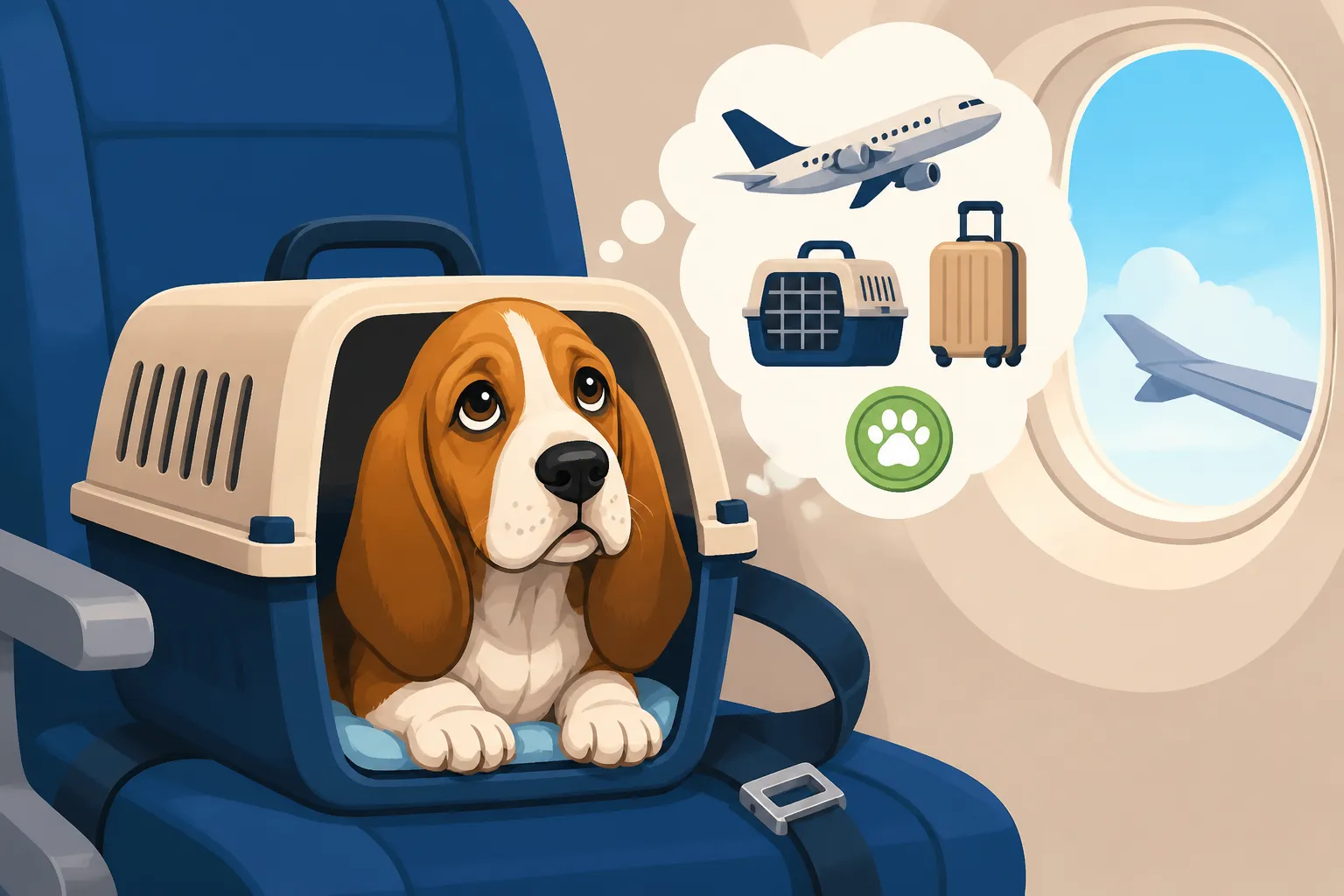
- In-Cabin Travel: This is often the preferred method for smaller puppies, as they can stay under the seat in front of you in an approved carrier. It offers peace of mind, as your puppy is right there with you, subject to the same climate control and human supervision. However, there are significant size and weight restrictions – typically, the carrier must fit under the seat, and the combined weight of the puppy and carrier cannot exceed a certain limit (often around 15-20 pounds). For a Basset Hound puppy, they might quickly outgrow this option even before they're ready to travel. The cost for in-cabin travel is usually a flat fee per flight segment, separate from your own ticket price. It's often less than cargo, but again, size is the major limiting factor.
- Cargo Travel: If your Basset Hound puppy is too large for in-cabin travel, or if the breeder is shipping them independently, they will travel as checked baggage or through an airline's dedicated cargo service. This means your puppy will be transported in a temperature-controlled, pressurized compartment underneath the plane, distinct from regular luggage. The regulations for cargo are far more stringent, requiring IATA-compliant crates, specific health documentation, and often a more complex booking process. This option generally costs significantly more than in-cabin travel, with fees based on the combined weight and dimensions of the crate and puppy. This is usually the only option for a Basset Hound puppy once they hit a certain size or if they are being shipped without an accompanying human.
The Importance of a Health Certificate and Vet Checks Before Flight
No matter how your Basset Hound puppy travels, a health certificate issued by a licensed veterinarian is non-negotiable. This document, typically required within 10 days of travel (sometimes even shorter, like 48 hours for international flights), certifies that your puppy is healthy enough to fly, free of contagious diseases, and up-to-date on necessary vaccinations.
This isn't just paperwork; it's a crucial step to ensure your puppy's well-being during a potentially stressful journey. The vet will perform a thorough examination, check their heart and lungs, assess their general condition, and verify their vaccination status. They'll also ensure your puppy is old enough to fly, as most airlines have minimum age requirements (often 8 weeks for domestic flights, sometimes 10-16 weeks for international). This visit can uncover any underlying issues that might make air travel unsafe, providing you with important information before you proceed. Remember that part of the cost of bringing home your new companion will be these preparatory vet checks, which are essential. If you’re curious about The Health Tests a Basset Hound Breeder Should Run, you'll find it incredibly insightful.
Itemized Breakdown of Flying Costs
Once you’ve navigated the initial regulations and decided on a travel method, it’s time to look at the specific line items that will contribute to the total cost. It’s rarely just a simple flight fee; there are several layers of expenses to consider.
The Airline Ticket for Your Pup
This is often the most significant single cost component. As mentioned, whether your Basset Hound puppy flies in-cabin or as cargo drastically affects the price.
- In-cabin: Expect a flat fee, usually in the range of a few hundred dollars. This fee is per leg of the journey, so if your flight has a layover, you might be charged for each segment.
- Cargo: This is where costs can really escalate. Cargo fees are typically based on the size and weight of the kennel plus the puppy, and they can easily run into several hundred dollars, sometimes even crossing the thousand-dollar mark for longer distances or larger puppies. These prices are often dynamic, changing with demand, route popularity, and fuel surcharges. Some airlines also have higher rates for specific types of cargo, and a live animal falls into a special category. These costs are completely separate from your own human ticket.
Specialized Crate and Travel Gear
You can't just put your Basset Hound puppy in any old pet carrier and expect it to pass muster for air travel. Airlines have very specific requirements for crates, particularly for cargo travel, which adhere to International Air Transport Association (IATA) guidelines. These crates must be:
- Sturdy and well-ventilated: Typically hard-sided plastic or wood, with metal hardware and plenty of ventilation holes.
- Appropriate size: Your Basset Hound puppy must be able to stand up, turn around, and lie down naturally within the crate. If the puppy looks cramped, it will be rejected. This might mean buying a larger crate than you initially anticipated, especially for a rapidly growing Basset.
- Equipped with water and food dishes: These must be accessible from the outside for airline staff to replenish without opening the crate.
- Clearly labeled: With "Live Animal" stickers, your contact information, and directional arrows indicating which way is up.
These specialized, IATA-compliant crates can be a significant upfront cost, especially if you're buying one large enough for a Basset Hound puppy who will inevitably grow. Prices can range widely, but a good quality, appropriate size crate will likely be a substantial expense. Retailers like Chewy often carry a good selection of IATA-approved travel crates and accessories.
Beyond the crate, consider other travel gear: absorbent bedding (some airlines prefer specific types), zip ties to secure the crate door, puppy pads, and perhaps a small bag of their familiar food from brands like Ollie to prevent stomach upset during the journey.
Veterinary Expenses and Documentation Fees
The health certificate we discussed earlier isn't free. The cost of a veterinary examination specifically for travel documentation, plus the fee for issuing the certificate itself, will be added to your bill. Depending on your veterinarian's rates and any additional tests they might recommend (like a fecal exam or deworming), this can be another noticeable expense.
If you’re traveling internationally, the documentation requirements become even more complex and costly. This could involve additional tests, specific vaccinations, microchipping, and endorsements from government agencies, all of which add up in both time and money. Always discuss international travel plans with your vet far in advance, as some processes can take months.
Transportation to and From Airports
Don’t forget the logistics of getting your Basset Hound puppy to the departure airport and then from the arrival airport to your home.
- To the Departure Airport: If the breeder is handling the flight arrangements, they might charge a fee for transporting the puppy to their local airport. If you're picking up the puppy and flying with them, you'll need to account for your own transport to the airport with the pup and their crate.
- From the Arrival Airport: Similarly, once your Basset Hound puppy lands, you'll need a way to get them home. A large IATA-compliant crate and a possibly stressed puppy might not fit easily into a compact car or public transport. You might need to arrange for a larger vehicle, a friend with an SUV, or even a local pet taxi service, which comes with its own fees.
These ground transportation costs, while often overlooked, can add up, especially if airports are far from your home or the breeder’s location.
Considering Alternatives to Flying Your Basset Hound Puppy
While flying might seem like the most convenient option for long distances, it's not always the best, or even possible, for every Basset Hound puppy. Given their brachycephalic status and the general stress of air travel for young animals, it’s always wise to explore alternatives.
Driving or Picking Up Your Puppy Personally
This is often the safest and least stressful option for the puppy, if geographically feasible. If you’re wondering Whether a Basset Hound Should Be Shipped, many experts would advocate for personal pick-up. Taking a road trip to meet your new Basset Hound puppy allows you to bond with them from the very start and gives you complete control over their environment, comfort breaks, and feeding schedule.
The costs here are primarily time and fuel. Depending on the distance, you’ll factor in gas, potential overnight accommodation, and food expenses for yourself. While it might seem expensive upfront, consider that these costs are often comparable to, or even less than, the total cost of flying once you factor in all the hidden fees for pet air travel. Plus, you avoid the airline's brachycephalic restrictions entirely. This also allows you to personally verify the breeder’s facilities and meet the puppy’s parents, which is invaluable. For more about the initial costs, you might want to read What a Basset Hound Puppy Costs From a Real Breeder.
Professional Pet Transport Services
For those who cannot drive to pick up their puppy, a professional pet transport service can be an excellent middle-ground. These companies specialize in safely transporting animals, often via ground travel, door-to-door. They understand all the regulations, have appropriate vehicles, and are experienced in handling anxious pets.
The cost for such a service will likely be higher than flying your puppy yourself via cargo, but it comes with significant advantages:
- Reduced stress: Many ground transport services offer a more direct, less jarring journey than air travel, with regular stops for potty breaks and human interaction.
- Expert handling: These professionals are trained in animal care and can monitor your puppy's well-being throughout the trip.
- No airline restrictions: Since it's ground travel, the brachycephalic breed restrictions don't apply, opening up more possibilities for your Basset Hound puppy's journey.
- Convenience: They handle all the logistics, from pick-up to drop-off.
When choosing a professional service, always research thoroughly, read reviews, and ensure they are licensed and insured.
The Hidden Costs and Benefits of Each Option
It's crucial to look beyond the sticker price when comparing transport options. Each method carries its own set of "hidden" costs and benefits that impact the overall value and experience.
| Transportation Method | General Cost Factors (Shape) | Pros | Cons |
|---|---|---|---|
| Flying In-Cabin | Moderate fixed fee per flight segment | Puppy stays with you, direct supervision | Strict size/weight limits (not ideal for growing Bassets), potential layovers, airport stress |
| Flying Cargo | High, based on weight/size/distance | Faster for long distances | Highest stress for pup, brachycephalic restrictions, less direct supervision, potential for delays |
| Personal Pick-Up (Drive) | Fuel, accommodation, food, time | Least stressful for pup, bonding time, full control, no breed restrictions | Requires significant time commitment, can be costly for very long distances |
| Professional Ground Transport | High, based on distance/service | Door-to-door, expert care, reduced stress, no breed restrictions | Can be expensive, longer travel time than flying, need to research reputable providers |
Consider the emotional toll on a young puppy. Flying, especially in cargo, can be a very frightening experience. Factors like noise, unfamiliar smells, separation from familiar people, and changes in pressure can contribute to anxiety. While the immediate monetary cost of flying might seem lower than professional ground transport, the potential stress on your puppy and the subsequent costs of managing behavioral issues like Whether a Basset Hound Gets Separation Anxiety or prolonged settling-in periods could be a hidden expense. On the other hand, the benefit of direct, personal supervision during a car ride is immeasurable for a new puppy.
How to Budget for Your Basset Hound Puppy's Journey Home
Bringing a Basset Hound puppy into your life is a significant financial commitment, and their journey home is just the first step. Thinking ahead and budgeting carefully will alleviate stress for both you and your new furry friend.
Researching Costs Ahead of Time
The absolute best thing you can do is start your research early. As soon as you decide on a breeder and know the puppy's approximate pickup date, begin gathering information.
- Contact Airlines Directly: Don't rely solely on their websites. Call the airline's live animal cargo department (or customer service for in-cabin travel) to get the most up-to-date information on policies, restrictions, and estimated costs for a Basset Hound. Ask about any brachycephalic breed embargoes, seasonal restrictions, and specific crate requirements.
- Get Quotes for Professional Transport: If driving isn't an option, reach out to several reputable pet transport services for quotes. Be clear about the breed, age, and estimated weight of the puppy. Compare not just price, but also their services, insurance, and experience with Basset Hounds.
- Factor in Vet Fees: Call your local veterinarian to inquire about the cost of a travel health certificate and any recommended pre-travel health checks.
- Shop for Crates: Look at prices for IATA-compliant crates that will comfortably accommodate your growing Basset Hound puppy. Think ahead to How Much a Basset Hound Should Weigh as an adult to gauge future crate needs. While the travel crate will likely be outgrown, it’s a necessary purchase for safe passage. Many owners find good deals on crates at retailers like Chewy or even through online marketplaces.
By doing this due diligence, you can create a realistic budget that covers all anticipated expenses, from the crate to the ground transportation.
Contingency Planning for Unexpected Delays or Requirements
Life with a Basset Hound is rarely perfectly predictable, and neither is pet travel. Delays, changes in regulations, or unexpected health needs can arise, adding unforeseen costs. It’s wise to build a contingency fund into your budget, perhaps an extra 10-20% of your estimated travel costs, to cover these potential surprises.
Imagine a scenario where a flight is delayed or canceled due to weather or an airline mechanical issue. If your puppy is traveling as cargo, this could mean an overnight stay at a pet holding facility at the airport, incurring additional fees. Or, what if your veterinarian discovers a minor issue during the pre-flight check that requires a few extra days of medication or observation, pushing back your travel date and potentially requiring a new health certificate? These things happen, and being financially prepared for them reduces stress exponentially.
This contingency planning also extends to considering pet insurance. While it won't cover travel delays, having a policy from a provider like Healthy Paws in place from day one of ownership can significantly soften the blow of unexpected veterinary costs once your puppy is home and settled. After all, the cost of What a Basset Hound's Emergency Surgeries Cost can be substantial, and proactive planning is always best.
Long-Term Financial Planning Beyond Travel
Once your adorable Basset Hound puppy is safely home, the costs certainly don't stop! The travel expenses are just the initial hurdle. Owning a Basset Hound involves ongoing financial commitments for their entire The Ten to Twelve Years a Basset Hound Lives.
- Food: Basset Hounds love to eat, and keeping a Basset Hound at its correct weight is vital for their long-term health. High-quality food can be a significant monthly expense. Brands like Ollie offer fresh food options that many owners choose.
- Veterinary Care: Beyond the initial health certificate, regular vet check-ups, vaccinations, parasite prevention, and unexpected illnesses or injuries will be a consistent cost. You'll want to budget for What a Basset Hound Costs a Year to Keep in general vet bills and routine care.
- Supplies: Beds, toys, leashes, harnesses (especially one for Whether a Basset Hound Needs a Tracking Collar, grooming tools, and ear cleaning supplies (given their magnificent ears) are all necessary expenses.
- Training: Whether it's group classes or a private trainer, investing in training your Basset Hound is crucial, especially for addressing typical Basset behaviors like independent thinking.
- Preventative Measures: Consider things like ramps to protect their long backs from injury, as discussed in Keeping a Basset Hound Off the Furniture It Should Not Jump From.
Flying a Basset Hound puppy home is definitely an investment, both financially and emotionally. By understanding all the nuances, thoroughly researching your options, and preparing for the expected and unexpected, you can ensure a smooth and safe journey for your new best friend.
Disclaimer
This article is for general informational purposes only and does not constitute professional advice. Laws, prices and regulations vary by location and change over time. Consult a qualified professional for guidance on your specific situation.