Whether Glaucoma Is Covered on a Basset Hound Policy
The thought of your beloved Basset Hound facing a serious health condition like glaucoma is enough to send a shiver down any pet parent's spine, especially when you start to consider the financial implications. It's a frustrating reality that while we want the best for our furry family members, the costs of specialized veterinary care can be astronomical. This guide is here to shed some light on whether typical pet insurance policies truly cover glaucoma for Basset Hounds, helping you navigate the often-confusing world of pet health coverage.
Understanding Glaucoma in Basset Hounds
Bringing a Basset Hound into your life means embracing their unique charm, from their long, soulful ears to their distinctive, sometimes mournful, eyes. However, these beautiful eyes can also be prone to specific health challenges, and glaucoma is unfortunately one of the more serious ones.
The Reality of Glaucoma for Basset Hounds
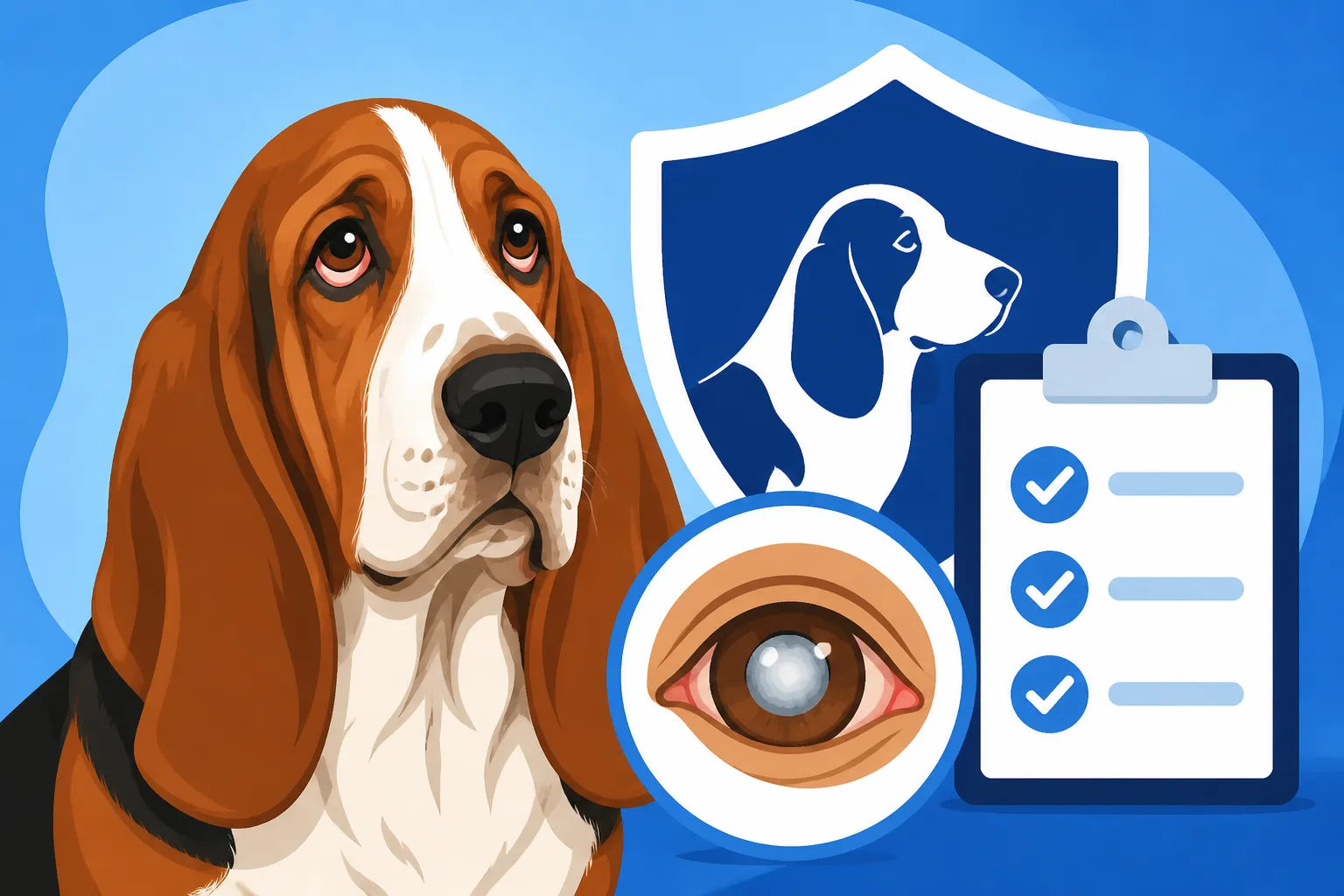
Glaucoma is essentially a condition where the pressure inside the eye (intraocular pressure) becomes too high. This increased pressure damages the optic nerve, which is crucial for sending visual information to the brain. Over time, if left untreated, this damage leads to irreversible vision loss and eventually blindness. For Basset Hounds, glaucoma isn't just a random occurrence; there's a strong genetic component at play. They are particularly predisposed to primary open-angle glaucoma, a hereditary form that can manifest in one or both eyes. This means that if you have a Basset Hound, the possibility of this condition developing is higher than in many other breeds. It’s not a matter of if, but often when, for many affected lines. The sheer pain and discomfort it can cause your dog, not to mention the emotional toll on you as an owner, are significant. Recognizing The First Signs of Glaucoma in a Basset Hound early can make a world of difference in managing the condition, though it won't change its hereditary nature. Understanding The Glaucoma a Basset Hound Inherits helps underscore why this is such a common and concerning issue for the breed.
The Costs Associated with Glaucoma Treatment
Treating glaucoma in Basset Hounds is not a one-time fix; it’s usually a lifelong management process. The expenses start piling up right from diagnosis. You'll likely need specialized veterinary visits, often with a veterinary ophthalmologist, which can be more costly than standard vet check-ups. Diagnostic tests, such as tonometry to measure eye pressure and gonioscopy to examine the drainage angle, add to the initial bill.
Once diagnosed, the primary treatment often involves daily eye drops to reduce intraocular pressure. Many Basset Hounds require multiple types of drops, administered several times a day, for the rest of their lives. These medications, while vital, can be surprisingly expensive, and those costs are recurring month after month. You'll also face regular follow-up appointments to monitor eye pressure and overall eye health.
In some cases, medications might not be enough, or the condition might progress despite treatment. This is when surgical interventions become a consideration. Procedures like laser cyclophotocoagulation or even shunts to improve fluid drainage can be performed to try and preserve vision or at least alleviate pain. Unfortunately, sometimes the best course of action for a severely affected, painful eye, especially one that has lost vision, is enucleation (surgical removal of the eye). Each of these surgical options carries a substantial price tag. When you factor in post-operative care, pain management, and follow-up, the financial commitment can easily run into thousands of dollars. It’s no wonder owners worry about What Glaucoma Surgery Costs a Basset Hound Owner or the ongoing expense of What Glaucoma Drops Cost a Basset Hound Owner Monthly. The cumulative cost of managing this condition can truly be staggering over a Basset Hound’s lifetime.
Pet Insurance and Pre-Existing Conditions: The Glaucoma Hurdle
This is where the rubber meets the road for many Basset Hound owners. Pet insurance can be a lifesaver for unexpected accidents or illnesses, but its coverage for chronic, hereditary conditions like glaucoma is often complicated by the "pre-existing condition" clause.
Defining "Pre-Existing Condition" in Pet Insurance
At its core, a pre-existing condition is any illness, injury, or symptom that your pet showed signs of before your insurance policy began or before the waiting period for that specific condition ended. This definition is crucial because, almost universally, pet insurance policies do not cover pre-existing conditions. It's a fundamental principle of how insurance works across the board, not just for pets.
The challenge with a condition like glaucoma, especially primary glaucoma common in Basset Hounds, is that it often has a genetic predisposition. While the diagnosis might come later in life, some insurance companies might look for any related symptoms or even just breed-specific predispositions mentioned in veterinary records prior to enrollment. It’s not always about a formal diagnosis; sometimes, even suspicious symptoms noted by a vet before your policy's start date can lead to an exclusion.
How Glaucoma Becomes a Pre-Existing Condition
Imagine you adopt a charming Basset Hound puppy, and a few years down the line, one of their eyes starts to look cloudy or they seem to be bumping into things. You take them to the vet, and after some tests, they're diagnosed with glaucoma. If you hadn't enrolled them in pet insurance before these symptoms appeared or before the diagnosis, the glaucoma would almost certainly be considered a pre-existing condition.
The problem often arises with those tricky waiting periods. Most pet insurance policies have waiting periods – a specific amount of time, usually 14-30 days, from the policy's effective date before certain conditions are covered. If your Basset Hound shows any signs of eye trouble during this waiting period, even if it's not a formal glaucoma diagnosis, the subsequent diagnosis could be deemed pre-existing. For instance, if your vet notes "mild eye redness" or "squinting" in a check-up a week after your policy starts, and two months later, that eye develops full-blown glaucoma, the insurer might link the initial symptoms to the later diagnosis and deny coverage. This is why timing is absolutely paramount when considering pet insurance for a Basset Hound.
Navigating Pet Insurance Policies for Basset Hounds with Glaucoma
Understanding the nuances of pet insurance is vital when you own a breed with known hereditary conditions. It's not just about getting any policy, but the right policy.
What to Look for in a Policy Regarding Glaucoma
Since glaucoma can be a pre-existing condition, the key is to understand what different policies offer. While no standard policy will cover a condition already diagnosed, some providers might have different interpretations of "hereditary" conditions versus "congenital" conditions, or even offer optional riders. Look for policies that explicitly state their stance on hereditary and chronic conditions. You'll want to ensure that if glaucoma develops after your policy's waiting period and without any prior symptoms, it will be covered. Some plans might have separate waiting periods for orthopedic or hereditary conditions, so scrutinize that fine print.
When you're researching providers like Healthy Paws, for example, it’s worth reading their sample policies or calling their customer service to ask direct questions about how they handle hereditary conditions in breeds known for them. They, and others, often have clear statements on what constitutes a pre-existing condition and what doesn't. You might not find a policy that guarantees coverage for a condition that hasn't shown up yet, but you can find one that clearly lays out the rules so you aren't surprised.
The Waiting Period and Hereditary Conditions
The waiting period is arguably the most critical factor when it comes to covering conditions like glaucoma. As discussed, if any symptoms emerge during this period, even minor ones, it can lead to a lifetime exclusion for that condition. This means the absolute best time to get pet insurance for your Basset Hound is when they are a healthy puppy, before any signs of hereditary issues, like glaucoma or Elbow Dysplasia in a Basset Hound, have a chance to show up.
A young Basset Hound puppy typically hasn't had the chance to develop many significant health issues, minimizing the risk of conditions being labeled pre-existing. If you wait until your Basset is older and begins to show subtle signs of eye trouble, you’ve likely missed your window for coverage on that specific condition. Always check the waiting periods for accidents and illnesses, and be aware that some companies may have longer waiting periods for specific conditions, like hip dysplasia or cruciate ligament issues, which can sometimes extend to other hereditary conditions. Proactive measures, like knowing Whether a Basset Hound Needs a Yearly Eye Pressure Check, become even more important when considering insurance timing.
Proactive Steps: Early Enrollment and Regular Vet Checks
The single most effective strategy to ensure potential coverage for conditions like glaucoma is to enroll your Basset Hound in a pet insurance policy as early as possible. Ideally, this means when they are a young puppy, after their initial vet check-up and before any health concerns arise. This significantly reduces the likelihood of any future condition being labeled pre-existing.
Beyond early enrollment, consistent and thorough regular veterinary check-ups are also crucial. These regular visits establish a clear health history for your Basset Hound, documented by a professional. If a vet consistently records "eyes clear and healthy" year after year, it creates a strong record that if glaucoma does appear, it developed after your policy was in force and not as a pre-existing condition. These check-ups can also catch the earliest, most subtle signs of trouble, allowing for prompt intervention which can be beneficial for your dog's health, even if not fully covered by insurance. For those involved in breeding, understanding Whether a Basset Hound's Eyes Should Be Screened Before Breeding is paramount in trying to reduce the incidence of such hereditary conditions for future generations.
Comparing Pet Insurance Providers and Their Stance on Glaucoma
When you’re deep into researching pet insurance, it can feel like you’re trying to decipher ancient texts. Every provider has their own unique policies, exclusions, and jargon, making it challenging to compare apples to apples, especially for conditions like glaucoma.
General Coverage Tendencies of Major Providers
Most comprehensive pet insurance plans are designed to cover new accidents and illnesses that arise after your policy's waiting periods have passed. This generally includes conditions like glaucoma, provided it's not deemed pre-existing. Where providers differ can be in their interpretation of "pre-existing," their specific waiting periods for hereditary conditions, or whether they offer specific riders or benefit limits for chronic conditions.
For example, a provider like Healthy Paws is often praised for its comprehensive coverage for accidents and illnesses, but like all insurers, they have strict definitions of pre-existing conditions. Others, sometimes available through platforms like Chewy (who partners with various pet insurance companies), might offer a range of plans from accident-only to extensive illness coverage, with varying degrees of flexibility or exclusions for hereditary diseases. It’s critical to obtain quotes and sample policies from several providers and really dig into their terms. Don't assume that because a company covers "hereditary conditions" broadly, it will automatically cover your Basset Hound's glaucoma if there's any hint of a pre-existing issue. Always ask for specifics, perhaps even presenting a hypothetical scenario, to get clarity.
The Fine Print: Deductibles, Reimbursement, and Annual Limits
Even if a pet insurance policy does cover your Basset Hound's glaucoma, understanding the financial mechanics of your plan is vital. This is where deductibles, reimbursement percentages, and annual limits come into play, shaping your actual out-of-pocket costs.
- Deductible: This is the amount you pay out of pocket before your insurance coverage kicks in. For chronic conditions like glaucoma, you might pay this once per year, or per condition, depending on your policy. For instance, if you have a $250 deductible, you'd pay the first $250 of eligible veterinary costs for glaucoma each policy period.
- Reimbursement Percentage: This is the percentage of eligible costs that the insurance company will pay after your deductible has been met. Common percentages range from 70% to 90%. If your reimbursement is 80%, and your vet bill for glaucoma treatment is $1000 (after your deductible), the insurer would pay $800, and you'd be responsible for $200.
- Annual Limits: Many policies have a maximum amount they will pay out in a policy year. This could be anywhere from a few thousand dollars to unlimited. Given the potentially high and ongoing costs of glaucoma treatment, a higher or unlimited annual limit is often preferable for Basset Hounds.
Considering these factors is essential because even with coverage, your personal financial responsibility can still be substantial, especially with continuous treatments like Whether a Basset Hound Needs Ear Drops for Life or glaucoma medications.
Beyond Traditional Insurance: Wellness Plans and Discount Programs
While traditional pet insurance focuses on unexpected illnesses and accidents, wellness plans and discount programs can complement your financial strategy for your Basset Hound's health. These aren't insurance in the same sense, but they can help with routine care costs.
- Wellness Plans: Offered by some insurance providers or even directly by veterinary clinics, these plans typically cover routine preventative care like annual check-ups, vaccinations, parasite control, and sometimes even a yearly eye pressure check. While they won't cover glaucoma treatment, they can help with the costs of diagnostic tests that might catch early signs or contribute to the overall eye health monitoring.
- Discount Programs: Some organizations or even pet supply retailers like Chewy or Ollie (who offer high-quality food, which contributes to overall health, thus potentially reducing some health issues) might have partnerships or loyalty programs that offer discounts on veterinary services, medications, or pet supplies. These discounts are usually a flat percentage off the bill and aren't subject to deductibles or reimbursement percentages.
While these options won't substitute for comprehensive pet insurance in the event of a glaucoma diagnosis, they can reduce the financial strain of general care and help you stay on top of your Basset Hound's health, which is crucial for early detection.
| Policy Feature | Typical Pet Insurance Stance for Glaucoma (if not pre-existing) | Consideration for Basset Hounds |
|---|---|---|
| Coverage for Hereditary Conditions | Generally included if not pre-existing and after waiting period. | Essential for Basset Hounds. Confirm specific terms. |
| Pre-Existing Condition Exclusion | Almost universally excluded. | Critical. Enroll puppy before any symptoms appear. |
| Waiting Periods (Illness) | Standard 14-30 days. | Ensure no symptoms arise during this window. |
| Waiting Periods (Hereditary) | Can be longer (e.g., 6-12 months for orthopedic). | Check if specific eye conditions like glaucoma fall under this. |
| Deductible | Annual or per-condition. | Choose a deductible you're comfortable paying annually/per condition. |
| Reimbursement Percentage | Typically 70-90%. | Higher percentage means less out-of-pocket for ongoing care. |
| Annual Limit | Various options, from capped to unlimited. | Unlimited or high limits are best for chronic conditions. |
| Wellness Rider/Add-on | Covers routine care (exams, vaccines). | Can help with yearly eye checks, but not treatment. |
The bottom line is that navigating pet insurance for a Basset Hound, especially concerning a serious, potentially hereditary condition like glaucoma, requires diligence. It means understanding the fine print, asking probing questions, and most importantly, acting proactively. While no insurance can guarantee coverage for a condition that's already rearing its head, a well-chosen policy, acquired early, can be an invaluable safety net for your beloved floppy-eared friend.
Disclaimer
This article is for general informational purposes only and does not constitute professional advice. Laws, prices and regulations vary by location and change over time. Consult a qualified professional for guidance on your specific situation.