Whether a Basset Hound Rescue Home Checks
Bringing a new Basset Hound into your home is an incredibly exciting prospect, but for many hopeful adopters, the rescue organization's home check process can feel like navigating a minefield. It's perfectly normal to feel a bit of anxiety about someone scrutinizing your living space and lifestyle, wondering if you'll measure up. This guide aims to pull back the curtain on the Basset Hound rescue home check, explaining why this crucial step exists, what you can realistically expect during the visit, and how you can prepare to welcome your new, long-eared family member with confidence.
The Core Purpose Behind a Basset Hound Rescue Home Check
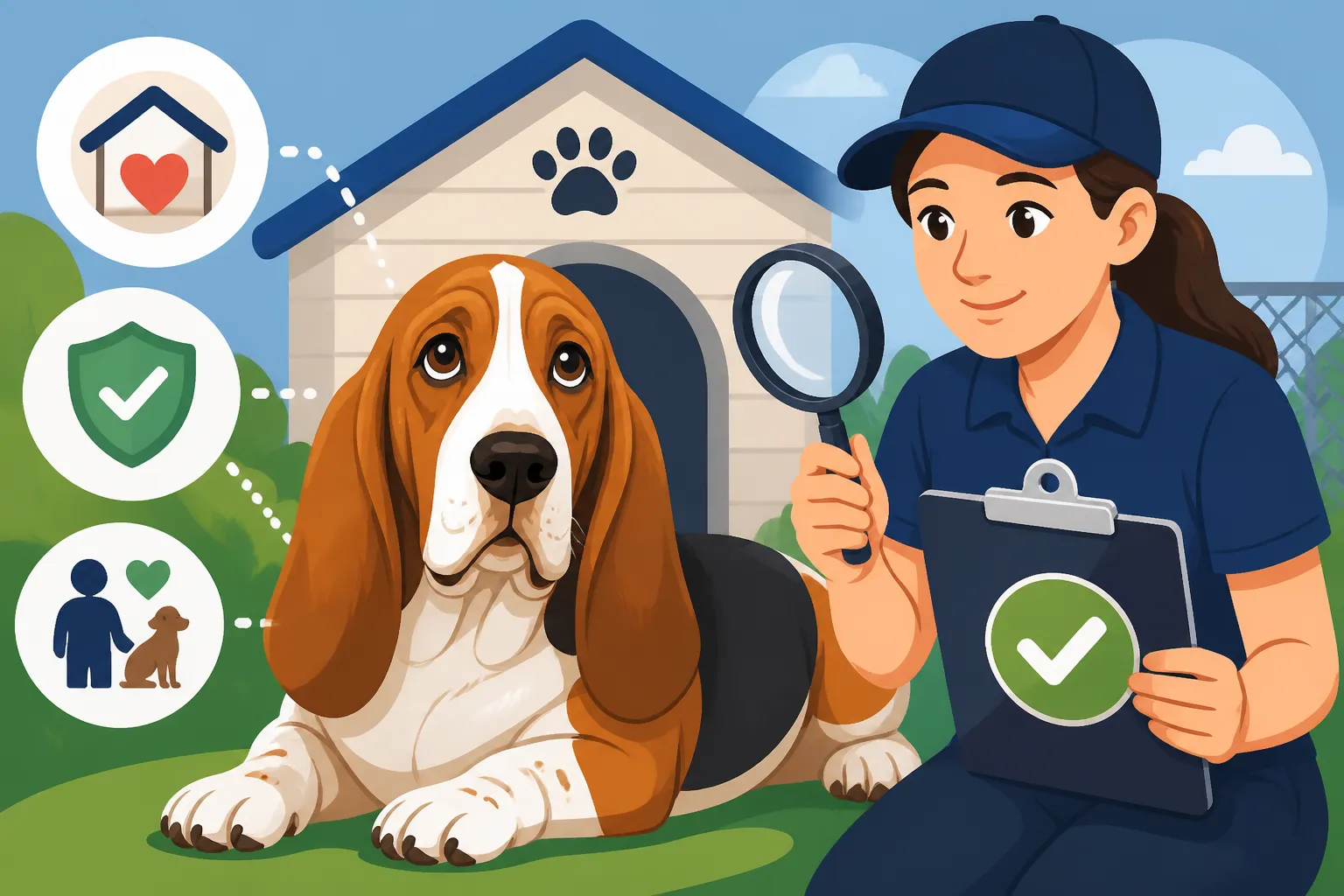
It's easy to view a home check as a hoop you have to jump through, a hurdle between you and the adorable Basset Hound you’ve fallen in love with online. But from the rescue's perspective, it’s much more than that. These dedicated volunteers spend countless hours rehabilitating and fostering these wonderful dogs, often seeing them through challenging health issues or past trauma. Their primary goal, above all else, is to ensure each Basset Hound finds a safe, loving, and truly forever home where all its unique needs will be met. They're not looking for perfection; they're looking for compatibility and commitment.
Ensuring Safety and Suitability for a Unique Breed
Basset Hounds, with their distinctive long bodies, short legs, heavy bone structure, and incredible noses, have very specific needs that aren't immediately obvious to everyone. A rescue home check is designed to confirm that your environment can safely accommodate these quirks. For instance, their low-slung bodies make them prone to back issues like Intervertebral Disc Disease (IVDD), so a home with many stairs or slippery floors without appropriate rugs might raise a flag if not addressed. Similarly, their formidable scent drive means an unsecured yard or a lack of understanding about their recall limitations could put them at significant risk. The rescue wants to prevent future problems, not just find a temporary placement. They're keenly aware of issues like The Back Trouble a Basset Hound Is Built Into and will want to ensure the environment minimizes risks.
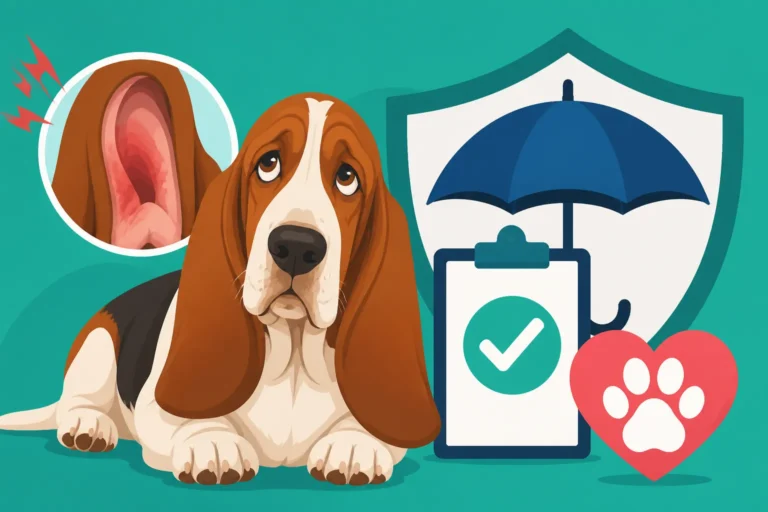
Think about a Basset Hound's ears, too. They are magnificent, but also highly susceptible to infections. The Ear Infections That Never Really Leave a Basset Hound are a common reality, and the rescue will want to know you're prepared for the ongoing care these require. It’s not just about the physical space, but about your understanding of the breed's predispositions and your commitment to proactive care. They want to see that you've thought beyond the cute puppy stage and are ready for the long haul, including potential vet visits and specialized grooming.
Beyond the Physical Space: Assessing the Human Element
Beyond the tangible aspects of your home, the home check serves as an invaluable opportunity for the rescue to get to know you and your family. They’re looking to understand your lifestyle, your experience with dogs (especially hounds), and your readiness for the responsibilities of Basset Hound ownership. This isn't an interrogation; it's more like a conversation to gauge mutual fit. They might ask about your work schedule, who will care for the dog during the day, your family dynamics (especially with children or other pets), and your approach to training and exercise.
They also want to assess your financial readiness. Basset Hounds, while charming, can be expensive to keep. Beyond the adoption fee, there are ongoing costs for food, routine vet care, and potential specialized treatments for common breed ailments. A rescue might subtly inquire about your preparedness for these expenses. For example, some rescues appreciate it when adopters have considered pet insurance, knowing that it can significantly alleviate the burden of unexpected veterinary bills. Companies like Healthy Paws offer coverage that can be a lifesaver for conditions prevalent in Basset Hounds, like those related to their ears or backs. Demonstrating that you've considered how you'll manage potential costs, perhaps by mentioning you've looked into pet insurance or have a dedicated savings fund, shows a level of responsibility that resonates deeply with rescue organizations. They want to know you're not just adopting a dog, but committing to its entire well-being.
What a Home Check for a Basset Hound Actually Entails
So, what actually happens when a rescue volunteer shows up at your door? It's generally a friendly, conversational visit, not a white-glove inspection. The volunteer is often another Basset Hound enthusiast, keen to see their charges go to good homes. They'll typically want to see the areas where the Basset will spend most of its time, both indoors and out.
The Environmental Scan: Safety and Security
When the volunteer arrives, they'll likely ask for a tour. Their eyes will be on key safety aspects, particularly anything that pertains to a Basset Hound's unique physical characteristics and strong instincts.
- Fencing: This is often the first thing they look at, especially if the Basset Hound you're interested in has a strong wanderlust or a history of escaping. They'll check the height and integrity of your fence, making sure there are no gaps or weak spots where a determined Basset could push through or dig under. Remember, a Basset's nose is a powerful motivator; if they catch a scent, they can become completely oblivious to their surroundings, including your calls. This is why The Recall a Basset Hound Will Never Reliably Give You is so notoriously unreliable. A secure, physical fence is paramount for this breed. They'll also check gate latches to ensure they're secure and not easily opened by a clever paw or a strong nudge.
- Indoor Hazards: Inside, they'll look for potential dangers such as unsecured toxic chemicals, accessible electrical cords, or small objects that could be swallowed. They might subtly assess the flooring – very slippery surfaces can be hard on a Basset's joints and back, so if you have extensive hardwood or tile, they might ask about your plans for rugs or runners. They're also thinking about The Ramps, Beds and Gates a Basset Hound Needs to protect their delicate spines, so if you have stairs, they might discuss management strategies like baby gates or ramps.
- Water and Food: They'll want to see where the dog will eat and drink. With their long ears, Basset Hounds often drag them through food and water bowls, leading to damp ears and potential infections. A rescue might observe your current setup and discuss solutions, like a snood or specialized bowls, if needed. Brands like Chewy offer a wide array of bowls, including elevated or slow-feeder options, that can be beneficial for Bassets and demonstrate forethought on your part. Similarly, if you're considering premium food options like Ollie, which provides fresh, custom-portioned meals, it shows a commitment to nutritional health that rescues often appreciate.
Lifestyle Compatibility: A Conversation, Not an Interrogation
Beyond the physical environment, a significant part of the home check is a conversation about your family’s routine and expectations. The volunteer wants to ensure the dog's daily life will be consistent with its needs.
- Daily Routine and Exercise: They’ll likely ask about your daily schedule – how long the dog would be left alone, who would be responsible for walks and feeding, and what kind of exercise you envision. While Basset Hounds aren't typically high-energy dogs, they do need regular, moderate exercise to stay healthy and manage their weight, which directly impacts their joint and back health. It’s a common misconception that their short legs mean they don’t need much activity, but they absolutely do. You might discuss How Many Miles a Basset Hound Can Walk and your plans for consistent, sniff-filled adventures.
- Behavioral Expectations: Prepare to discuss common Basset Hound traits, such as their baying. If you live in an apartment or close quarters, the rescue might want to understand your plan for managing their vocalizations to avoid noise complaints. The Bay a Basset Hound Uses and the Neighbors Hear is a very real thing! They'll also gauge your understanding of their "stubborn" nature (which is often just a highly focused scent drive) and your approach to positive reinforcement training.
- Vet Care and Financial Planning: The discussion might also touch upon your plans for veterinary care, including regular check-ups, vaccinations, and emergency funds. This is where demonstrating an understanding of What a Basset Hound Costs a Year to Keep and having a plan, whether it's pet insurance from a provider like Healthy Paws or a dedicated savings account, is really important. Rescues often see dogs surrendered due to owners being unable to afford necessary medical treatments, and they want to ensure their Bassets are protected against such a fate. They want to know you’re prepared for the financial realities of owning a breed with known health predispositions.
Preparing Your Home and Yourself for the Visit
Feeling prepared can significantly reduce your anxiety about the home check. It’s not about making your home spotless for guests; it’s about making it safe and welcoming for a Basset Hound.
Practical Preparations for Your Basset-Friendly Home
Taking a critical look at your home from a Basset's perspective can help you identify areas that might need attention.
- Secure Your Yard: Double-check your fencing. Walk the perimeter, looking for any loose boards, holes, or low spots. Imagine a Basset Hound's nose to the ground, following an irresistible scent – could it find a way out? Ensure gates latch securely. If you have an invisible fence, be prepared to discuss whether you plan to use it in addition to a physical barrier, as invisible fences are generally not considered sufficient containment for a Basset Hound's scent drive. While some individuals might respect them, many Bassets will power right through for a good smell, so Whether an Invisible Fence Holds a Basset Hound is a valid concern for rescues.
- Create Safe Indoor Zones: Consider where your Basset Hound will eat, sleep, and relax. Have a comfortable, orthopedic bed ready, as these are beneficial for their backs and joints. Platforms like Chewy offer a great selection. If you have stairs, think about baby gates to restrict access, especially for a new dog who might not be used to them or could be prone to rushing. Clear away any small items that could be a choking hazard or tempting chew toys.
- Gather Essential Supplies: Having basic supplies on hand shows initiative. This includes food bowls (perhaps an elevated one or a slow feeder), a fresh water bowl, a collar and leash (a harness is often recommended for Bassets to protect their necks and backs), and some appropriate chew toys. Even looking at options for Basset-specific care, like ear cleaning solutions or dental chews, signals your commitment. If you're considering a specialized diet from a brand like Ollie, having done your research and being ready to discuss it shows a high level of preparedness.
Mental Readiness: Being Open and Honest
Beyond the physical tidying, preparing yourself mentally is just as important.
- Be Transparent: Honesty is truly the best policy. If you have limited experience with dogs, or if there's a particular challenge in your home (e.g., a busy street, young children, or other pets), discuss it openly. Rescues prefer to work with adopters to find solutions rather than discover issues later. They're often excellent resources for advice on everything from A Basset Hound in a House With Children to managing separation anxiety.
- Ask Questions: This is a two-way street! Use the home check as an opportunity to ask the rescue volunteer any questions you have about the specific Basset Hound you’re interested in, or about the breed in general. This shows your engagement and desire to learn. You might ask about the dog's specific temperament, how it handles being alone, or any known health issues that might influence your care plan.
- Show Your Commitment: Articulate your long-term commitment to the Basset Hound's well-being. This includes discussing your plans for ongoing training, exercise, routine vet care, and financial preparedness. Mentioning that you’ve researched breed-specific health concerns and are prepared for them, perhaps by considering pet insurance from a reputable provider like Healthy Paws, demonstrates a proactive and responsible approach to pet ownership. Rescues are deeply invested in their dogs' futures, and seeing that commitment from potential adopters is incredibly reassuring.
Navigating the Outcome: What Happens After the Check?
The home check isn't always an immediate pass or fail. Often, it's part of a larger, thoughtful process designed to make the best match possible.
The Decision-Making Process and Potential Feedback
Once the home check is complete, the volunteer will typically relay their findings back to the rescue organization. The rescue then evaluates this information alongside your application, references, and any prior interactions. The decision isn't always instant; it might take a few days, especially if there are multiple applicants for a popular dog.
Sometimes, the rescue might provide feedback or suggestions for minor adjustments to your home or routine. For instance, they might suggest adding a baby gate at the top of your stairs or placing a non-slip rug in a particular area. This isn't a rejection; it's an opportunity for you to demonstrate your willingness to adapt and create the safest environment for your future Basset Hound. Embrace these suggestions as constructive advice from people who genuinely know the breed and the specific dog. Your willingness to make these changes can speak volumes about your dedication.
| Aspect of Home Check | What Rescues Look For | Common Adopter Assumptions |
|---|---|---|
| Outdoor Area | Secure physical fencing (no gaps, proper height) | Invisible fence or occasional leash walks are sufficient |
| Indoor Safety | Lack of toxic substances, secure cords, appropriate flooring | A clean house, regardless of pet-specific hazards |
| Basset-Specific Needs | Orthopedic beds, ramp options, management of stairs | Any comfortable bed is fine; Bassets manage stairs themselves |
| Time & Attention | Plans for exercise, engagement, managing alone time | Dog will entertain itself or sleep all day |
| Financial Preparedness | Awareness of vet costs, pet insurance consideration | Only adoption fee and basic food are major costs |
| Understanding the Breed | Knowledge of baying, scent drive, health predispositions | Belief that all dogs are similar |
When a "No" Isn't the End: Learning and Re-evaluating
While it can be disheartening, receiving a "no" from a Basset Hound rescue isn't a personal indictment. It usually means the rescue believes your home isn't the absolute best fit for that specific dog's needs at that particular moment, or that there were concerns they couldn't overcome. Perhaps the Basset you applied for had a history of escaping and your fence wasn't deemed high enough, or the rescue felt your lifestyle wasn't quite aligned with the dog's energy level.
It's crucial to understand that rescues have the dog's best interests at heart. They're trying to prevent future rehoming situations and ensure long-term success. If you receive a "no," try to ask for constructive feedback. This information can be invaluable for improving your chances with another rescue or another dog in the future. You might learn about specific adjustments you can make to your home or changes in your expectations that could lead to a successful adoption down the line. Remember, there are many wonderful Basset Hounds in need of homes, and while What Adopting a Basset Hound Costs can be a significant investment of time and emotion, the right match is out there. Don't give up on your dream of sharing your life with one of these charming, soulful hounds.
Disclaimer
This article is for general informational purposes only and does not constitute professional advice. Laws, prices and regulations vary by location and change over time. Consult a qualified professional for guidance on your specific situation.