Whether a Basset Hound Needs a Bigger Crate Than Expected
It’s a common scenario: you bring home your adorable Basset Hound puppy, tiny and floppy, and think you've got the crate situation all figured out. Then, almost overnight, that little bundle of wrinkles seems to expand, and you find yourself wondering, "Did I get the right size crate? Does my Basset Hound actually need a much bigger crate than I anticipated?" Many Basset Hound owners grapple with this exact frustration, realizing that what works for a dog of similar height might be utterly inadequate for their long, low, and surprisingly substantial hound. This guide will walk you through why Basset Hounds often demand more space than you'd initially expect in their crate and how to ensure your beloved companion is truly comfortable and safe.
The Basset Hound's Unique Physique and Crate Sizing Challenges
Basset Hounds are a breed of delightful contradictions. They're low to the ground, yes, but their length and surprising bone density mean they take up a considerable amount of real estate. This unique build is the primary reason why standard crate sizing charts, which often rely on height and a rough weight estimate, can lead to a less-than-ideal fit for your Basset.
Length, Low Stature, and the "Bigger Than They Look" Factor
When you look at a Basset Hound, your eyes might first be drawn to their famously long ears or their soulful gaze. But take a moment to really observe their body structure. They are built long. From the tip of their nose to the base of their tail, a Basset Hound can measure quite a stretch. While they don't stand tall, their sheer body length, coupled with their heavy bone structure and often ample musculature, makes them weigh significantly more than their height might suggest. How much a Basset Hound weighs can really surprise people!
Imagine a dog breed like a terrier, which might be similar in height but considerably shorter in body. A standard crate labeled "medium" might be adequate for that terrier to stand, turn, and lie down comfortably. But for a Basset Hound, while they might technically be able to stand in it, turning around could become an awkward maneuver, and stretching out fully, a natural and necessary sleeping position for many dogs, would be impossible. This isn't just about luxury; it's about providing enough space for their physical health. A cramped crate forces them into unnatural positions, which, over time, can put undue stress on their long spines and joints, problems that Basset Hounds are already prone to experiencing, such as The Back Trouble a Basset Hound Is Built Into.
Those Glorious, Floppy Ears and Droopy Skin
Now, let's talk about those magnificent ears. They are indeed one of the Basset Hound's most defining features, The Twelve Inch Ears a Basset Hound Was Given on Purpose, but they also add to the space requirements within a crate. These long, heavy ear flaps aren't just for show; they help funnel scent to the Basset's incredible nose. However, in a crate that's too small, those ears can become a real nuisance, or worse, a health hazard.
If the crate is too narrow or too short, your Basset's ears can get trapped under their body, stepped on, or even fall into their water bowl more easily if it’s placed too close to the side. Constantly having their ears folded or pinched can lead to discomfort, irritation, and even increase the risk of ear infections – something Basset Hounds are already very susceptible to due to their deep ear canals and limited air circulation. Proper ear care is paramount for this breed, and a cramped crate certainly doesn't help. How to Clean a Basset Hound's Ears Properly becomes even more critical when their ears are getting dirty or irritated in their living space.
Beyond the ears, Basset Hounds are famously adorned with loose skin and a prominent dewlap. The Skin Under a Basset Hound's Folds can be a haven for moisture and bacteria if not kept clean and dry. In a small crate, this loose skin can get bunched up, creating even more folds or rubbing against hard surfaces, increasing the risk of irritation, sores, or even skin fold infections. They need room to settle down without feeling squashed, allowing their skin to lie naturally and minimizing these potential issues.
Beyond Simple Dimensions: What "Comfortable" Really Means for a Basset Hound's Crate
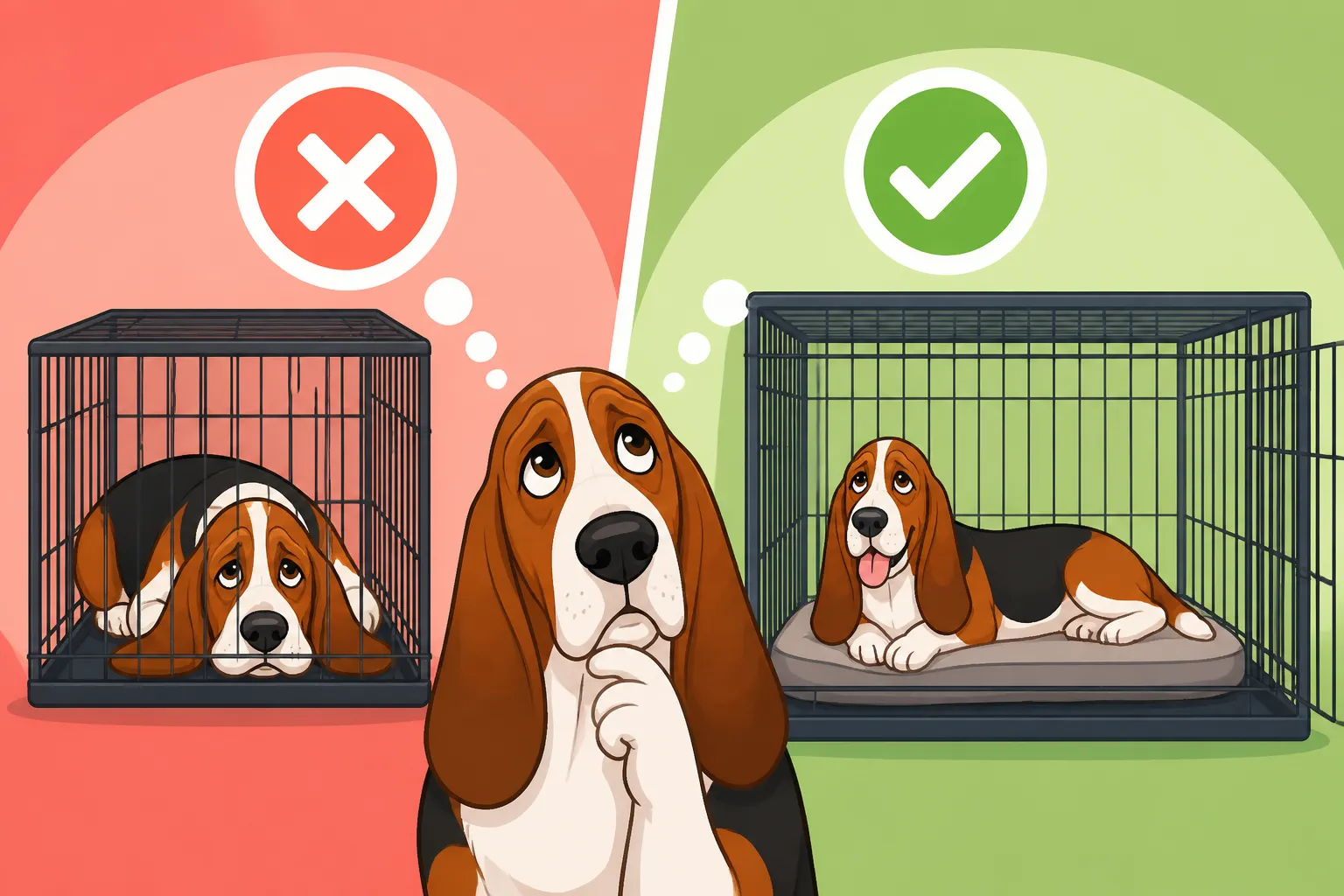
When we talk about crate size, we're not just thinking about fitting them in like a puzzle piece. For a Basset Hound, "comfortable" means having enough room to move freely, maintain good ventilation, and generally feel secure without feeling trapped or physically restricted. It’s about creating a safe haven, not a holding cell.
Room to Stand, Turn, and Lie Down Naturally
The golden rule for crate sizing for most dogs is that they should be able to stand up, turn around, and lie down comfortably. For a Basset Hound, this rule needs careful interpretation. "Stand up" doesn't just mean clearing the top of their head; it means standing tall without hunching their back. Given their unique spinal structure, forcing them to crouch repeatedly or for extended periods is a recipe for discomfort and potential musculoskeletal problems.
"Turn around" means a full 360-degree rotation without bumping into the sides or having to execute a series of awkward shuffles. Imagine trying to turn around in a phone booth – that's what a too-small crate feels like to a Basset. They need space to adjust their position, especially if they’re prone to trying to follow a scent in their dreams!
And "lie down naturally" is perhaps the most crucial. Basset Hounds, like many dogs, enjoy sprawling out on their side, stretching their legs, or curling up in a tight ball. A truly comfortable crate allows for all these positions. If your Basset can only lie in one stiff position, or their legs are always bent uncomfortably because there's no room to extend them, the crate is too small. This is particularly important as they age; an older Basset Hound with stiff joints will appreciate the ability to shift positions easily and stretch out. Consider what this means for their long-term joint health; just as Whether a Basset Hound Should Use Ramps at Home is important for mobility, adequate crate space supports overall physical well-being.
Ventilation and Temperature Regulation
Another often-overlooked aspect of crate comfort, especially for a Basset Hound, is proper ventilation. Their dense, short coats, while not long, can still trap heat, and their heavy build means they can get warm quickly. A cramped crate, particularly a plastic kennel-style one without sufficient airholes, can become stuffy and hot very fast. This isn't just uncomfortable; in warmer weather or if your Basset has been exercising (even a short sniff-walk!), it can lead to overheating.
Adequate space allows for better air circulation around your dog, helping them regulate their body temperature. This is especially vital if you're out of the house for a few hours. If you choose a wire crate, the open bars naturally provide excellent ventilation. For solid-sided crates, ensure there are ample, well-placed vents. Also, consider where you place the crate in your home. Avoid direct sunlight or areas next to heat sources. A well-ventilated, spacious crate helps ensure your Basset stays cool and comfortable, minimizing health risks. While Bloat is a more serious concern related to eating too fast, a cramped space post-meal could exacerbate discomfort for any dog, so a spacious crate is generally beneficial, even though Whether a Basset Hound Gets Bloat is usually about diet and eating habits.
Practical Crate Selection: Types, Features, and What to Look For
Choosing the right crate isn't just about picking one off the shelf; it requires understanding the options and making an informed decision tailored to your Basset Hound's specific needs. It's an investment in their comfort and safety.
Wire Crates vs. Plastic Crates: Pros and Cons for Basset Hounds
Each type of crate has its advantages and disadvantages, and what suits one dog might not suit another. For Basset Hounds, both have their place.
- Wire Crates: These are often favored for their excellent ventilation and visibility. Your Basset Hound can see what's going on around them, which can be reassuring for some dogs. The open design also means superior airflow, crucial for preventing overheating. Many wire crates come with a divider panel, which is incredibly useful for puppies. You can start with a smaller section and gradually expand the space as your Basset grows, ensuring they always have enough room but not too much, which can hinder house-training efforts. Their folding design also makes them relatively easy to store or transport. However, some Basset Hounds might prefer a more den-like, enclosed space. For these hounds, a crate cover can be an excellent addition, turning the airy wire crate into a cozy sanctuary.
- Plastic Crates (or "Vari-Kennels"): These provide a more enclosed, den-like environment, which many dogs find comforting and secure. They're often sturdier for travel and are usually airline-approved. The solid sides offer privacy and can help reduce noise and distractions. However, ventilation can be a concern if the crate isn't designed with enough air holes, and cleaning up accidents might be slightly trickier than with a wire crate. For a Basset Hound, ensure that any plastic crate you consider has ample ventilation on all sides, not just the front door. The lack of visibility might also be a downside for some Basset Hounds who like to keep an eye on their humans.
Measuring Your Basset Hound for the Perfect Fit
This is where many owners go wrong, simply guessing or relying on breed averages. For your Basset Hound, precise measurement is key.
Here's how to measure your Basset Hound:
- Length: Have your Basset Hound stand up straight. Measure them from the tip of their nose to the base of their tail (do not include the tail itself). This gives you their body length.
- Height: Have your Basset Hound stand up straight. Measure from the floor to the top of their head, or the highest point of their shoulders if their head is typically lower.
Once you have these measurements, here's the rule of thumb for crate dimensions:
- Length of Crate: Add 4-6 inches to your Basset Hound's body length measurement. This provides enough room for them to stretch out comfortably.
- Height of Crate: Add 2-4 inches to your Basset Hound's standing height. This ensures they can stand without hitting their head.
Many manufacturers, like those found on Chewy, will list the interior dimensions of their crates. Don't just look at the exterior dimensions; always check the usable interior space. For example, if your Basset is 30 inches long and 15 inches tall, you'd ideally be looking for a crate that's at least 34-36 inches long and 17-19 inches high. This usually pushes Basset Hounds into what would be considered a "large" or even "extra-large" crate for other breeds, despite their low stature.
Essential Accessories for a Basset Hound's Crate
Once you've chosen the right size and type of crate, consider what goes inside to make it truly a home.
- Comfortable Bedding: This is non-negotiable for a Basset Hound. Their long, heavy bodies and predisposition to joint issues mean they need supportive bedding. An orthopedic bed or a thick, comfortable mat can make all the difference, cushioning their joints and preventing pressure sores. Look for something durable, washable, and perhaps waterproof, as Basset Hounds are prone to slobber and can be messy. You might find that What a Bed That Suits a Basset Hound Costs is a significant upfront investment, but it's one that pays off in their comfort and health.
- Water Bowl: A non-tip, attachable water bowl is essential, especially if your Basset Hound is crated for more than a couple of hours. This prevents spills and ensures they stay hydrated. Make sure it's positioned so their long ears won't constantly dip into it.
- Crate Cover: For wire crates, a cover can help create that cozy, den-like atmosphere that many dogs, including Basset Hounds, appreciate. It can reduce external stimuli and help them feel more secure.
- Safe Chew Toys: A favorite, safe chew toy can help keep your Basset Hound entertained and comfortable in their crate. It provides mental stimulation and helps prevent boredom.
Considering the unique health challenges of Basset Hounds, like potential joint issues or skin conditions, investing in high-quality accessories that promote comfort and hygiene is crucial. Companies like Healthy Paws offer pet insurance plans that can help cover unexpected veterinary costs, but proactive care, like providing a proper crate and orthopedic bedding, goes a long way in preventing some of these issues. Similarly, for owners feeding premium foods like Ollie, ensuring their well-nourished hound has a comfortable living space, including their crate, is just another step in providing comprehensive care.
Common Mistakes and Long-Term Crate Considerations
Even with the best intentions, it's easy to make mistakes when it comes to crating, especially with a breed as unique as the Basset Hound. Understanding these pitfalls and planning for the long term will lead to a happier, healthier hound.
The Dangers of an Ill-Fitting Crate
A crate that is too small for your Basset Hound isn't just an inconvenience; it can pose several risks to their well-being.
- Physical Discomfort and Health Issues: As mentioned, forcing a Basset Hound to lie in cramped or unnatural positions can exacerbate or even cause joint problems, particularly in their back and elbows. Their long ears are more prone to getting stepped on, dirty, or developing infections if they don't have enough space to lie flat. Skin Fold Infections on a Basset Hound are also a real concern, and a lack of proper airflow or constant friction in a tight space can make these worse.
- Behavioral Problems: A dog that is uncomfortable in its crate will not view it as a safe haven. Instead, it might become a source of anxiety or punishment. This can lead to resistance during crating, excessive barking, destructive behavior when crated, or even "crate-aversion," making house-training and management much more challenging. A Basset Hound's natural desire to sniff and explore needs to be balanced with a comfortable resting place.
- Hygiene Issues: In a cramped crate, it's harder for your Basset Hound to avoid accidents or to keep themselves clean. Their long ears and loose skin are more likely to drag through any messes, leading to an uncomfortable dog and more cleanup for you.
Adapting Crate Size as Your Basset Hound Grows
Your Basset Hound puppy will grow, and they'll likely grow quite a bit, both in length and in surprising density. What's perfect for a four-month-old puppy will be completely inadequate for a fully grown adult. A common mistake is buying a crate that fits the puppy "just right" and not anticipating their adult size.
When first bringing home a puppy, many owners opt for a larger crate with a divider. This allows you to restrict the space initially, preventing your puppy from having too much room to eliminate in one corner and sleep in another. As your puppy grows, you can gradually move the divider, giving them more space until they reach their full adult size. The Age a Basset Hound Reaches Full Size is typically around 18-24 months, though they may continue to fill out a bit more after that. Plan to invest in a crate that will accommodate their adult size from the beginning, or be prepared to upgrade. Companies like Chewy offer a wide range of crate sizes, making it easy to find an upgrade when the time comes.
Crate Training and Positive Association
Regardless of size, the key to successful crating is positive association. The crate should never be used as a punishment. It should be introduced as a safe, comfortable, and positive space for your Basset Hound.
Start with short periods, offering high-value treats and praise. Make the crate a fun place by tossing in toys or feeding meals inside. Never force your Basset Hound into the crate. Gentle encouragement and positive reinforcement will go a long way. This is particularly true for Basset Hounds, who, despite their generally laid-back demeanor, can be quite stubborn if they feel pressured.
A well-sized, comfortable crate contributes immensely to successful crate training. If your Basset Hound is comfortable and feels secure, they are much more likely to accept and even enjoy their crate. This is similar to how we approach other necessary but sometimes disliked activities, such as training a Basset Hound to have its ears handled; it's all about making the experience as positive and comfortable as possible. A positive crate experience is a cornerstone of responsible Basset Hound ownership, providing a safe retreat for them and peace of mind for you, whether for housetraining (Whether a Basset Hound Puppy Should Be Crated), travel, or simply quiet time.
| Crate Size | Typical Dimensions (L x W x H) | Common Breeds Suited | Basset Hound Suitability |
|---|---|---|---|
| Small | 24" x 18" x 21" | Jack Russell, Pug | Too small for adult |
| Medium | 30" x 21" x 24" | Cocker Spaniel, Beagle | May fit length, but often too low/narrow for Basset |
| Large | 36" x 24" x 27" | Border Collie, Small Lab | Often the minimum for an adult Basset Hound |
| X-Large | 42" x 28" x 31" | Large Lab, Golden Retriever | Ideal for many Basset Hounds to fully stretch |
| XX-Large | 48" x 30" x 33" | Great Dane, Mastiff | Rarely needed, but some very large Bassets could use extra room |
As you can see, a Basset Hound often comfortably fits into a "Large" or "X-Large" category, which for many other breeds of their perceived size, might seem excessive. Always measure your specific dog to be sure!
Disclaimer
This article is for general informational purposes only and does not constitute professional advice. Laws, prices and regulations vary by location and change over time. Consult a qualified professional for guidance on your specific situation.