Whether a Basset Hound Forgets What It Learned
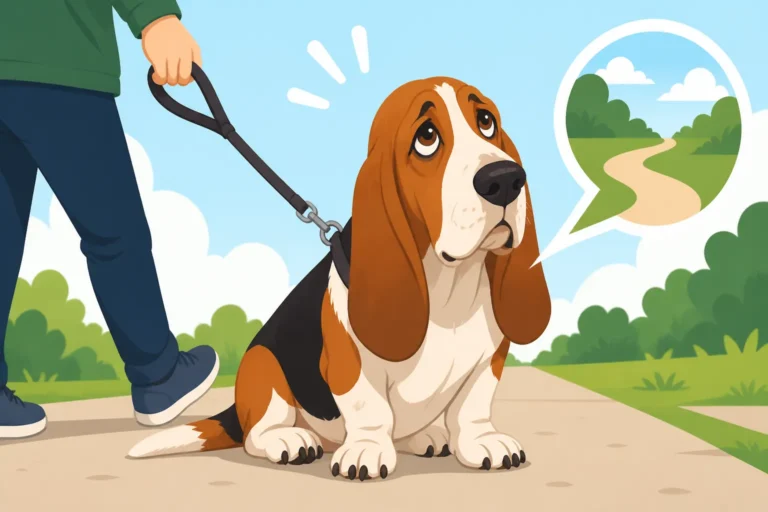
It’s a common, utterly exasperating scenario for Basset Hound owners: you’ve spent weeks teaching your floppy-eared friend a simple command, say "sit," and they’ve been performing it perfectly in the living room. Then, you step outside, a new smell drifts by, and suddenly, it’s like all that hard work vanished into thin air. You call "sit," they give you that characteristic mournful gaze, and wander off, nose to the ground. This guide dives deep into why Basset Hounds sometimes seem to forget what they've learned, and offers practical strategies to help solidify their training for real-world reliability.
Understanding the Basset Hound Brain: More Than Just "Stubborn"
When your Basset Hound appears to have a memory lapse, it's rarely because they're being intentionally difficult or because they genuinely forgot the lesson. Instead, it's often a complex interplay of their innate breed characteristics, environment, and motivation. We often project human ideas of "forgetting" onto our dogs, when their internal world is quite different.
The Myth of the "Dumb" Basset Hound
Let's get one thing straight: Basset Hounds are far from unintelligent. In fact, their intelligence is highly specialized. They possess an incredible ability to focus on scent, a trait that was meticulously bred into them over centuries. This single-minded devotion to their nose can, unfortunately, be misconstrued as stubbornness or a lack of intelligence when they fail to respond to commands. Imagine trying to concentrate on a math problem while a delicious, complex aroma fills the room – that’s a bit like what a Basset experiences. Their brain is simply prioritizing the sensory input it's hardwired to follow. They might know the command, but their drive to follow a scent is often far more compelling in that moment.
When you think about it, their history is all about methodical, unwavering tracking. They were bred to follow a cold trail for hours, ignoring everything else. This isn't a flaw; it's a feature. But it means that getting their attention away from a fascinating smell requires a different approach than with a breed bred for, say, agility or guard work. It requires understanding, patience, and some clever techniques to make your request more interesting than the ground beneath their feet.
A Hunter's Instinct: The Primacy of Scent
The Basset Hound's olfactory system is legendary. Their long ears are thought to sweep scents towards their nose, and their loose skin and dewlap collect and hold scent particles, creating a rich scent pool they can dive into. Their low-slung bodies mean their nose is almost constantly to the ground, giving them unparalleled access to a world of smells we can barely fathom. For a Basset, the world is primarily perceived through scent. Every blade of grass, every gust of wind, every discarded wrapper tells a story.
This powerful instinct means that when a Basset Hound seems to forget a command, especially outdoors, it's usually because their brain has been completely hijacked by a compelling scent. It’s not a memory issue; it's a focus issue. Their brain is so deeply engrossed in processing the rich tapestry of smells that your voice, to them, might simply be background noise, momentarily overridden by the symphony of scents. Understanding that their nose is their superpower, and sometimes their kryptonite when it comes to recall, is the first step in effective training. You're not fighting a "stubborn" dog; you're competing with millions of years of evolutionary design.
The Basset Hound's Unique Learning Style: Scent Over Sound
Because of their primary sense of smell, Basset Hounds process the world differently, and therefore, they learn differently. What works for a highly biddable retriever might not cut it for a hound whose greatest joy is unraveling a complex scent puzzle.
The Power of Distraction: When the Nose Takes Over
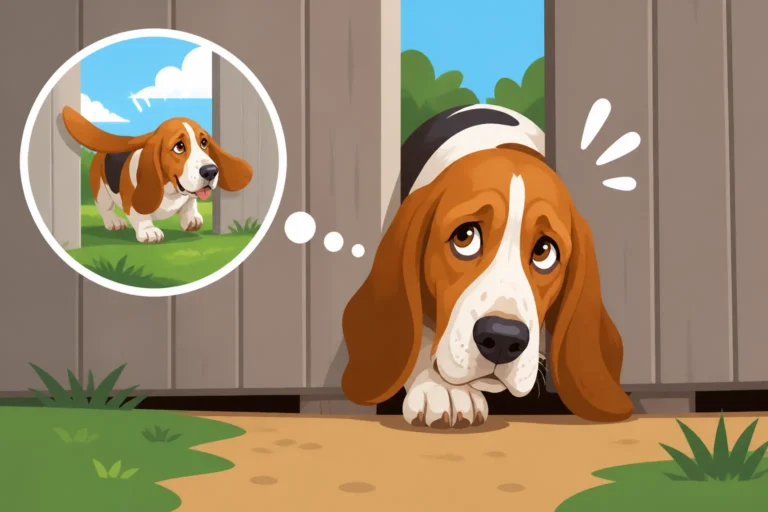
For a Basset Hound, every new smell is an irresistible mystery novel waiting to be read. A loose leaf, a faint squirrel trail, the remnants of someone's dropped sandwich – these are all incredibly high-value distractions. When their nose is engaged, their ears might as well be glued shut. This isn't them being rude or defiant; it's simply how their sensory hierarchy is wired. The visual and auditory cues we use for training often fall far down the priority list when compared to an intriguing scent. This is why a command they perform perfectly in a quiet living room might completely fail in a park with a million interesting smells. It’s not that they forgot the command, but rather that the environmental stimuli are too overwhelming for them to process your request in that moment.
Think of it like this: they are essentially in a highly focused, meditative state when tracking a scent. Breaking that concentration requires something truly spectacular on your part. It highlights the importance of proofing behaviors in increasingly distracting environments, but also understanding that some environments might simply be too much competition for their powerful nose. Why a Basset Hound Ignores You on a Scent delves deeper into this phenomenon.
Short Attention Spans and Motivation
While Bassets can focus intensely on a scent, their attention span for repetitive, human-driven tasks can be quite short. This isn't laziness; it's often a product of their independent nature and their breed's purpose. They were bred to work with a hunter, but often ahead of them, making their own decisions based on the trail. This independence translates to a dog who might learn quickly if the task is fun and rewarding, but will tune out if it becomes boring or uninteresting.
Motivation is absolutely key. A Basset Hound will weigh the value of performing a command against the value of whatever else is capturing their interest. If your reward isn't compelling enough, they will simply choose the more interesting option – usually a scent. Therefore, finding what truly motivates your individual Basset is paramount. For many, it's high-value food treats, but for others, it might be a favorite squeaky toy or a quick game of tug. What Actually Motivates a Basset Hound offers more insights into unlocking your Basset's drive. Short, frequent training sessions, infused with fun and high rewards, are far more effective than long, drawn-out drills that will quickly lose their interest.
Reinforcing Lessons: Why Repetition is King for Bassets
Just like learning a new language, consistent practice is crucial for a Basset Hound to move a command from temporary understanding to ingrained habit. They might "get it" quickly, but solidifying that understanding against distractions takes diligent reinforcement.
The Importance of Consistent Training
Consistency isn't just about repeating the command; it's about consistently applying the rules and expectations. If "sit" means sit every time, no matter where you are or what's happening, your Basset will eventually learn that. If, however, you sometimes let them slide when they're distracted, you're inadvertently teaching them that the command is optional. This inconsistency is often perceived as "forgetting" by owners, when in reality, the dog is simply reacting to the variable expectations.
Training isn't just for dedicated sessions; it's an ongoing conversation throughout your day. Every interaction is a training opportunity. When your Basset wants something, ask for a "sit" first. When you're about to put down their food bowl, ask for a "stay." These small, consistent reinforcements build a strong foundation. Using a structured program, like those offered by BAXTER & Bella, can provide the framework for daily, consistent practice, ensuring that everyone in the household is on the same page and reinforcing the same behaviors.
Making Training a Positive, Rewarding Experience
Basset Hounds respond best to positive reinforcement. Harsh corrections or punishment are not only ineffective but can also damage your relationship and make them less likely to engage in training. Remember, you're trying to compete with the allure of scent, not overpower it with fear. Making training a game, a fun interaction filled with praise, treats, and play, will make your Basset far more eager to participate and retain what they learn.
Varying your rewards can also keep things exciting. Don't always use the same treat; sometimes offer a piece of cheese, other times a bit of cooked chicken. For some Bassets, the reward might be a quick chase or access to a favorite toy. The key is to make you the most exciting thing in their environment. When your Basset successfully performs a command, celebrate it! Enthusiastic praise and genuine joy from you can be a powerful motivator, especially when paired with a tangible reward. This positive association helps cement the lesson in their minds, making them more likely to "remember" it next time. Whether a Basset Hound Works for Food Only explores different motivators to keep your Basset engaged.
Environmental Factors and Training Recall
The environment plays a massive role in whether your Basset Hound appears to "remember" their training. A quiet house is one thing; a bustling park is an entirely different universe of distractions.
The Impact of Novelty and New Environments
Imagine trying to recall complex information during a chaotic rock concert. That's a bit like asking your Basset to perform a perfect "stay" at a busy dog park when they've only practiced it in your quiet backyard. New environments are a sensory overload for Bassets, filled with novel sights, sounds, and most importantly, smells. Each new stimulus pulls at their attention, making it incredibly difficult for them to focus on your commands. It's not that they've forgotten; it's that their brain is too busy processing the novelty of their surroundings.
This is where "proofing" comes in. Once your Basset reliably performs a command in a low-distraction environment, gradually introduce more distractions. Start with a slightly noisier room, then your yard, then a quiet street, and slowly work your way up to busier locations. Keep initial sessions short and highly rewarding in these new places. Don't set them up for failure by expecting perfection immediately. Celebrate small successes in challenging environments. The goal is to teach them that the command applies everywhere, not just in specific places.
Stress, Routine Changes, and Their Effect on Memory
Dogs, like humans, can be affected by stress and changes in routine. A sudden change in household dynamics, a move to a new home, the introduction of a new pet or family member, or even an underlying health issue can impact a Basset Hound's ability to focus and recall trained behaviors. When a dog is stressed or anxious, their cognitive function can be impaired. They might be too preoccupied with their emotional state to process commands effectively.
Observing your Basset Hound for signs of stress (lip licking, yawning, tail tucked, panting, avoidance) is crucial. If you notice a sudden decline in their responsiveness or a reluctance to train, it's worth considering if something in their environment or routine has changed. Addressing the root cause of stress, whether it's through providing a safe space, maintaining a predictable schedule, or consulting with a vet or professional trainer, can help improve their ability to learn and remember. Just like us, a Basset Hound needs a stable, comfortable mental state to thrive in training. How Long a Basset Hound Can Be Left Alone touches on factors that can lead to stress or anxiety in Basset Hounds.
Strategies for Boosting Basset Hound Memory and Retention
Since Bassets often seem to "forget" due to distraction or lack of motivation rather than actual memory loss, our strategies need to focus on making us more compelling and our commands more ingrained.
Structured Practice and Proofing Behavior
Structured practice means intentionally setting aside time for training, even if it's just 5-10 minutes a few times a day. These sessions should be focused, fun, and end on a high note. Start in a low-distraction environment, then gradually introduce distractions. For example, if you're teaching "stay," begin in your quiet living room, then try it in the kitchen with the dishwasher running, then in the yard while a family member walks by.
Proofing behavior involves practicing a command in various locations, with different people, and amidst different distractions, ensuring your Basset understands that "sit" always means sit. Consider enrolling in a positive reinforcement group class; this provides a controlled environment with built-in distractions and professional guidance. For tools to help with structured practice, consider a durable long line from Amazon for recall practice in open, safe spaces, allowing them freedom to explore scent while still being under control. The Recall a Basset Hound Will Never Reliably Give You highlights why this is so important.
Using High-Value Rewards and Varied Reinforcement
For a Basset Hound, not all treats are created equal. Dry kibble might work in a quiet living room, but against the irresistible allure of a fresh deer trail, you'll need the big guns. Think small pieces of cooked chicken, cheese, hot dogs, or liverwurst. Experiment to find what your Basset considers the absolute highest value. Save these super high-value treats exclusively for training, especially in distracting environments, so they truly stand out.
Varying your reinforcement keeps training exciting. Don't always give a treat after a "sit"; sometimes it's a quick game of tug, sometimes it's enthusiastic praise, sometimes it's access to a favorite toy. This unpredictability makes your Basset more engaged because they never know what amazing reward they might get. This technique, called a variable reinforcement schedule, actually makes learned behaviors more resilient. Whether a Basset Hound Learns Slowly is a good read for understanding their pace.
The Role of Mental Stimulation and Enrichment
A tired Basset Hound isn't just physically tired; a mentally stimulated Basset Hound is a more focused, receptive learner. Basset Hounds thrive on using their incredible noses. Incorporating scent work, puzzle toys, and enrichment activities into their daily routine can make a huge difference in their overall engagement and ability to focus on you. This isn't just about exhausting them; it's about fulfilling their innate drives.
Snuffle mats, puzzle feeders, and even just scattering their kibble in the yard (a game called "find it") can provide valuable mental exercise. Consider exploring formal nose work classes, which can be incredibly rewarding for Bassets. Companies like BAXTER & Bella often incorporate mental enrichment ideas into their training programs. When a Basset's core instinct is satisfied, they are often more amenable to other forms of training and less likely to be completely consumed by environmental scents, thereby reducing the instances where they "forget" commands. Giving a Basset Hound's Nose Something to Do provides many ideas for this.
When to Seek Professional Help
Even with the best intentions and consistent effort, sometimes a Basset Hound's training challenges can feel overwhelming. There's no shame in seeking expert guidance when you hit a wall.
Recognizing Persistent Training Plateaus or Regressions
If your Basset Hound consistently struggles with a particular command despite your best efforts, or if they seem to be regressing in areas where they were once proficient, it might be time for professional intervention. This isn't a sign of failure on your part, but rather an acknowledgment that sometimes an outside perspective and specialized expertise are invaluable. A professional trainer can observe your interactions, identify subtle cues or inconsistencies you might be missing, and offer tailored strategies specific to your Basset's personality and challenges.
Persistent issues with recall, house-training regressions, or suddenly intense pulling on the leash, even after extensive practice, are all good reasons to reach out. Sometimes, these issues can also hint at underlying health problems that only a veterinarian can diagnose, so ruling out medical causes is always a wise first step.
Choosing the Right Training Professional
When looking for a trainer, always prioritize those who use positive reinforcement and reward-based methods. Avoid trainers who advocate for harsh corrections, intimidation, or punishment, as these methods are detrimental to a Basset Hound's sensitive nature and will erode trust. Look for certifications, experience with scent hounds, and glowing testimonials. Ask about their training philosophy and how they handle specific Basset challenges like scent distraction.
Many certified professional dog trainers offer private consultations, which can be incredibly beneficial for addressing specific behavioral quirks in your own home environment. Some even offer virtual consultations, making expertise accessible regardless of your location. A good trainer will not only work with your dog but will also empower you with the knowledge and tools to continue the training effectively. Remember, training is a partnership, and a professional can help strengthen that bond and communication.
A Summary of Basset Hound Training Insights
Navigating the world of Basset Hound training can sometimes feel like trying to herd cats – or, in this case, follow a nose that has a mind of its own. It's important to remember that when your Basset "forgets" what they've learned, it's typically not a true memory deficit. Instead, it's usually a momentary lapse in focus, a preference for scent over sound, or a test of whether your motivation is compelling enough to override their instincts.
Here’s a quick overview of what helps keep those lessons locked in:
| Training Strategy | Why It Works for Bassets | Common Pitfall to Avoid |
|---|---|---|
| High-Value Rewards | Bassets are highly food-motivated; a truly delicious treat can often break through scent distractions. | Using low-value treats (e.g., dry kibble) in high-distraction environments. |
| Short, Frequent Sessions | Matches their shorter attention span for repetitive tasks and keeps them engaged and eager. | Long, boring training sessions that lead to disinterest and "tuning out." |
| Consistency in Application | Teaches them that commands are not optional and apply universally, building strong habits. | Inconsistent expectations; sometimes allowing them to ignore a command, reinforcing it's optional. |
| Gradual Proofing | Slowly exposes them to increasing distractions, teaching them to respond reliably in varied environments. | Expecting perfect recall in a brand-new, highly distracting environment without prior practice. |
| Positive Reinforcement | Builds trust and makes training a fun, rewarding experience, increasing their willingness to participate. | Using punishment or harsh corrections, which can make Bassets shut down or become fearful of training. |
| Mental Stimulation (Scent Work) | Satisfies their innate scent drive, leading to a more content and focused dog who is more receptive to other training. | Neglecting their need for nose work, leading to boredom or an inability to focus when scents are present. |
Training a Basset Hound is a journey filled with unique challenges and incredible rewards. By understanding their breed-specific traits – their unparalleled nose, their independent spirit, and their profound motivation for food and fun – you can adjust your approach and build a strong, lasting bond. With patience, consistency, and a good supply of high-value treats, your Basset Hound won't "forget" what you've taught them; they'll choose to remember.
Disclaimer
This article is for general informational purposes only and does not constitute professional advice. Laws, prices and regulations vary by location and change over time. Consult a qualified professional for guidance on your specific situation.