Whether a Basset Hound Sits Down Mid Walk
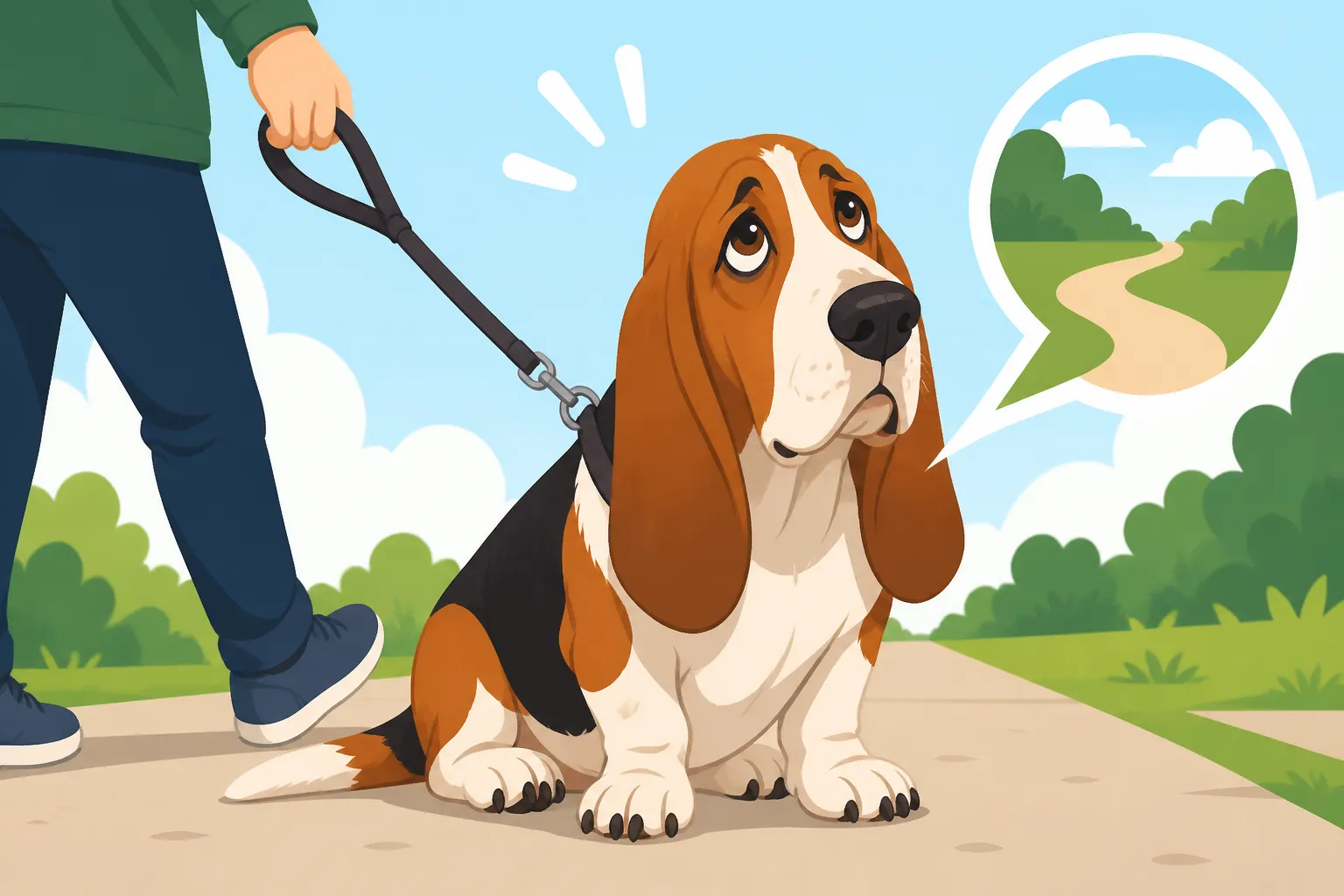
Ah, the classic Basset Hound "sit-down strike" mid-walk. If you've ever found yourself standing on a sidewalk, leash in hand, with your beloved Basset firmly planted on their posterior, giving you a look that says "I live here now," you know the unique frustration. It’s not just a cute quirk; it can be genuinely baffling and even concerning. This guide will delve into the various reasons why your Basset might decide to park itself and offer practical, empathetic strategies to get those short legs moving again.
Understanding the Basset Hound's Motivation (or Lack Thereof)
It's easy to assume your Basset is just being stubborn when they refuse to budge. And while "stubborn" might be a label often applied to the breed, it rarely tells the whole story. Basset Hounds are complex creatures with deeply ingrained instincts and a distinct physical build that plays a huge role in their behavior. What looks like obstinance to us is often a completely logical (to them) response to their environment or their own physical state. We need to remember that these dogs were bred for a specific purpose, and sometimes that purpose conflicts with our modern idea of a brisk walk around the block.
The Scent Trail Takes Priority
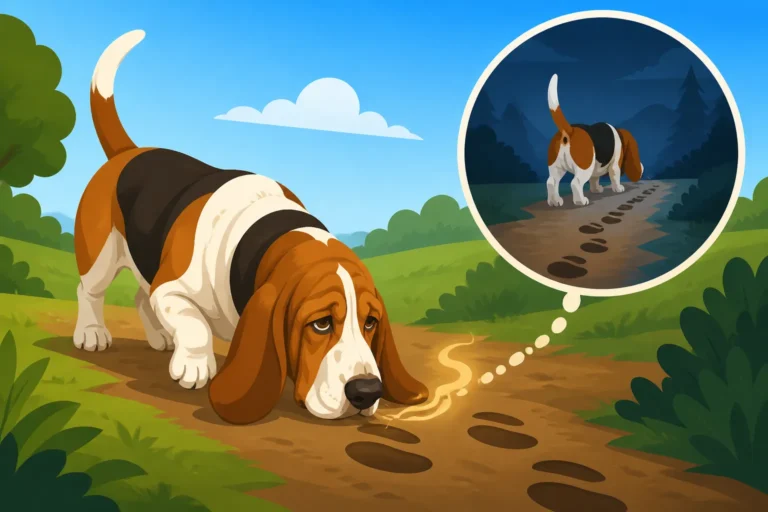
Let's be real, a Basset Hound's nose isn't just good; it's legendary. These dogs were literally bred to follow a scent trail relentlessly, with their long ears sweeping odors upwards and their dewlap trapping them. When your Basset puts its nose to the ground, the rest of the world, including you, often ceases to exist. Imagine walking through a beautiful art gallery, and suddenly, you catch the most incredible aroma – freshly baked cookies, perhaps, or a specific perfume that triggers a vivid memory. You'd likely stop, turn, and try to locate the source, wouldn't you? That’s what a scent is to a Basset, but on a much more intense, all-consuming level.
When a particularly interesting scent hits their powerful olfactory system, it can be like hitting a mental wall. The world shrinks to that single, compelling odor, and everything else fades into the background. Your calls, your tugs on the leash, even a delicious treat might struggle to compete with the intricate tapestry of smells beneath their nose. They might not be sitting down out of defiance, but rather out of an overwhelming sensory experience. It's their instinct kicking in, telling them to investigate, to follow that trail, to unravel the story the scent is telling. This is why a Basset Hound can seem to go "deaf on purpose" when a good scent crosses their path. Why a Basset Hound Stops Hearing You When It Smells Something
Not Always a Marathon Runner
While Basset Hounds have incredible stamina for tracking at a slow, methodical pace, they aren't built for speed or sustained, high-impact exercise. Their unique conformation – those short, sturdy legs, long body, and heavy bone structure – is designed for a specific kind of movement. They can go for miles, yes, but it’s often a leisurely, sniffing-focused stroll, not a power walk or a jog. Asking a Basset to keep up a pace that feels natural to a human can quickly lead to fatigue.
Think about it: their low-slung bodies mean they're expending more energy to cover the same distance as a longer-legged dog or person. They're built for endurance over short bursts of speed. If your Basset sits down, it might genuinely be tired or just deciding it’s had enough of your pace. They don't typically push themselves past their comfort zone, and their way of communicating that they're done is often to simply stop and wait. It’s their equivalent of saying, "I need a break, human." While some Bassets can be conditioned for longer excursions, it's crucial to respect their physical limitations. How Far a Basset Hound Should Walk
Physical Reasons Behind the Sit-Down Strike
Sometimes, what looks like stubbornness is actually a cry for help. Basset Hounds, due to their unique build and genetic predispositions, are prone to certain health issues that can make walking uncomfortable or painful. Ignoring these possibilities means potentially overlooking a real problem that’s affecting your dog’s quality of life. Always err on the side of caution when your dog’s behavior changes suddenly or becomes persistent. A check-up with your vet is never a bad idea.
Aches, Pains, and Joint Issues
The Basset Hound's distinctive appearance, while charming, comes with certain orthopedic considerations. Their short, bowed legs and long spine put particular stress on their joints and discs. Conditions like elbow dysplasia, hip dysplasia, and intervertebral disc disease (IVDD) are unfortunately common in the breed. If your Basset is stopping mid-walk more frequently, especially if they seem hesitant to move afterward, or if their gait seems off, pain could very well be the culprit. Arthritis, even in younger dogs, can also make sustained walking uncomfortable. The Back Trouble a Basset Hound Is Built Into
A dog experiencing pain won't always cry out or limp obviously. Sometimes, a refusal to move is their subtle way of communicating discomfort. Imagine having a nagging knee pain; you might opt to sit down rather than push through it. Your Basset is doing the same thing. This is particularly true as they age; an older Basset might be struggling with the same enthusiasm they once had. Keep an eye out for other signs of discomfort like reluctance to use stairs, difficulty getting up, or changes in personality. Arthritis in a Basset Hound at Seven
Overheating and Fatigue
Basset Hounds, with their heavy bone, dense coat, and relatively low body to surface area ratio, can be susceptible to overheating, especially in warm weather or during vigorous exercise. Their long ears, while excellent for scenting, don't offer much in the way of cooling. If your Basset is panting excessively, slowing down, seeking shade, and then eventually sitting down, they might simply be too hot or utterly exhausted. Unlike some breeds that will push themselves to the point of collapse, a Basset often has the good sense to just stop.
It's vital to be mindful of the temperature and humidity when planning your walks. Early morning or late evening walks are often best in hotter climates. Always carry water for your Basset, and offer frequent breaks in the shade. Pushing a dog that is overheating can lead to serious health consequences. A cooling vest, readily available on platforms like Amazon, could also be a smart investment for walks in warmer temperatures, helping to regulate their body temperature and prevent that sudden sit-down strike.
Behavioral and Training Aspects of the "Park-It" Move
While health and instinct play a significant role, sometimes a Basset Hound's refusal to walk is a learned behavior. They're smart cookies, and they quickly figure out what works to get what they want. Understanding the behavioral triggers and how to redirect them is key to a more pleasant walking experience for both of you. It's about clear communication and consistent expectations, something that can be a challenge with a breed known for its independent streak.
The Learned Behavior: What Stopping Achieves
Dogs are masters of association. If your Basset sits down, and you respond by coddling them, picking them up, offering a stream of soothing words, or immediately turning around for home, they quickly learn that "stopping = positive outcome." They're not being malicious; they're simply being efficient. Why continue walking when sitting down gets them exactly what they might want – attention, a ride, or an end to the perceived ordeal? This can be especially true if they are getting tired or bored with a repetitive route.
This learned behavior can become a deeply ingrained habit. Every time you reinforce the sit-down by giving in, you're strengthening the behavior. It can be incredibly frustrating when you're on a schedule, but reacting emotionally or with force rarely works with a Basset. They'll just dig their heels (or haunches) in deeper. Instead, we need to think about how to make forward movement more rewarding and sitting down less so, without resorting to punishment. This is where gentle, consistent training comes into play. Whether a Basset Hound Is Stubborn or Just Not Interested
Encouraging Forward Movement
Getting your Basset to move when they've decided to plant themselves requires patience, a strong understanding of their motivations, and consistent training. The goal isn't to force them, but to inspire them. Here are some strategies:
1. Make the Walk Interesting: Bassets thrive on scent. Vary your walk routes regularly. Explore new parks, trails, or even just different streets in your neighborhood. Let them have time to sniff. A sniff-filled walk is far more enriching for a Basset than a brisk, human-paced one. Consider incorporating some dedicated Giving a Basset Hound's Nose Something to Do activities into your walks or daily routine. Sometimes, a novel environment or the promise of a truly epic sniffing opportunity is all it takes to get them going again.
2. High-Value Rewards: Basset Hounds are often highly food-motivated. Carry super high-value treats (like small pieces of cheese, cooked chicken, or hot dogs) that they only get when they perform exceptionally well – like moving forward after a sit-down. Show them the treat, lure them a few steps forward, and reward immediately. This isn't bribing; it's positive reinforcement, teaching them that moving with you leads to good things. For more structured training, programs like BAXTER & Bella often emphasize positive reinforcement techniques that work wonders with food-motivated breeds.
3. The "Be a Tree" Method: If your Basset sits, stop talking, stop pulling, and simply stand still like a tree. Don't engage. Wait them out. As soon as they take even one step forward or look to you, mark it with a verbal cue like "Yes!" and reward them with a treat. This teaches them that stopping doesn't get them attention or a ride home, but moving does. This can take time, especially if they've learned that stopping works.
4. Check Your Equipment: Ensure your Basset is comfortable. A well-fitting harness (rather than just a collar) can distribute pressure better and prevent choking or discomfort if they do decide to pull or brace. Sometimes, the issue isn't stubbornness but physical discomfort from poorly fitted gear. There are many comfortable, no-pull harnesses available on Amazon that can make a big difference in how they feel on their walks.
5. Short and Sweet: If your Basset consistently stops after a certain distance, shorten your walks. Build up their stamina gradually, and end on a positive note before they decide to quit. It’s better to have several short, successful walks than one long, frustrating one.
6. Consult a Vet: If the behavior is new or worsening, always rule out pain or medical conditions first. As discussed, many Bassets suffer from joint pain or back issues, and what looks like a tantrum might be a genuine inability to move comfortably. The Old Basset Hound That Cannot Get Off the Floor
Here’s a quick overview of potential reasons and approaches:
| Reason for Stopping | Possible Explanation | Actionable Solution |
|---|---|---|
| Scent Overload | Overwhelmed by an interesting smell, instinct to track. | Allow dedicated sniffing time; vary routes; use a long line in safe areas to explore. |
| Fatigue/Low Stamina | Not built for sustained fast pace; physically tired. | Shorten walks; take frequent breaks; build stamina gradually; consider weather conditions. |
| Pain/Discomfort | Joint issues, back pain, paw soreness, overall malaise. | Vet visit for a check-up; ensure comfortable harness/leash; consider supplements for joints (vet recommended). |
| Overheating | Bassets can struggle in heat due to their build/coat. | Walk during cooler parts of the day; carry water; offer shade breaks; use a cooling vest (e.g., from Amazon). |
| Learned Behavior | Realized that stopping gets attention, a ride, or ends walk. | Implement "Be a Tree" method; use high-value treats to reward forward movement; avoid coddling when they sit down. |
| Boredom | Repeating the same, unstimulating route. | Introduce new routes, textures, and environments; incorporate scent games into walks or use a sniff mat at home. |
Remember, every Basset is an individual. What works for one might not work for another. The key is to be patient, observe their cues, and approach the situation with understanding rather than frustration. By addressing both their physical needs and behavioral motivations, you can help your Basset Hound enjoy their walks and keep those short legs moving!
Disclaimer
This article is for general informational purposes only and does not constitute professional advice. Laws, prices and regulations vary by location and change over time. Consult a qualified professional for guidance on your specific situation.