Whether a Basset Hound Is Gentle With Toddlers
Bringing a Basset Hound into a home with little ones, especially toddlers, is a joy mixed with natural apprehension. Parents often worry if their beloved, low-slung companion will truly be gentle and patient enough for the unpredictable energy of a small child. This guide will dive deep into the Basset Hound's temperament and physical characteristics to help you understand how they typically interact with toddlers, offering practical advice on fostering a safe and loving environment for everyone.
The Basset Hound Temperament: A Foundation for Gentleness
The Basset Hound is renowned for its placid and affectionate nature, a trait that often makes them excellent family companions. However, like any breed, individual personalities can vary, and understanding the general breed characteristics is crucial when considering their interaction with the youngest members of your family. Their calm demeanor, combined with their robust build, means they rarely mean harm, though their sheer weight and enthusiasm can sometimes be an issue if not managed.
Their Calm and Patient Nature
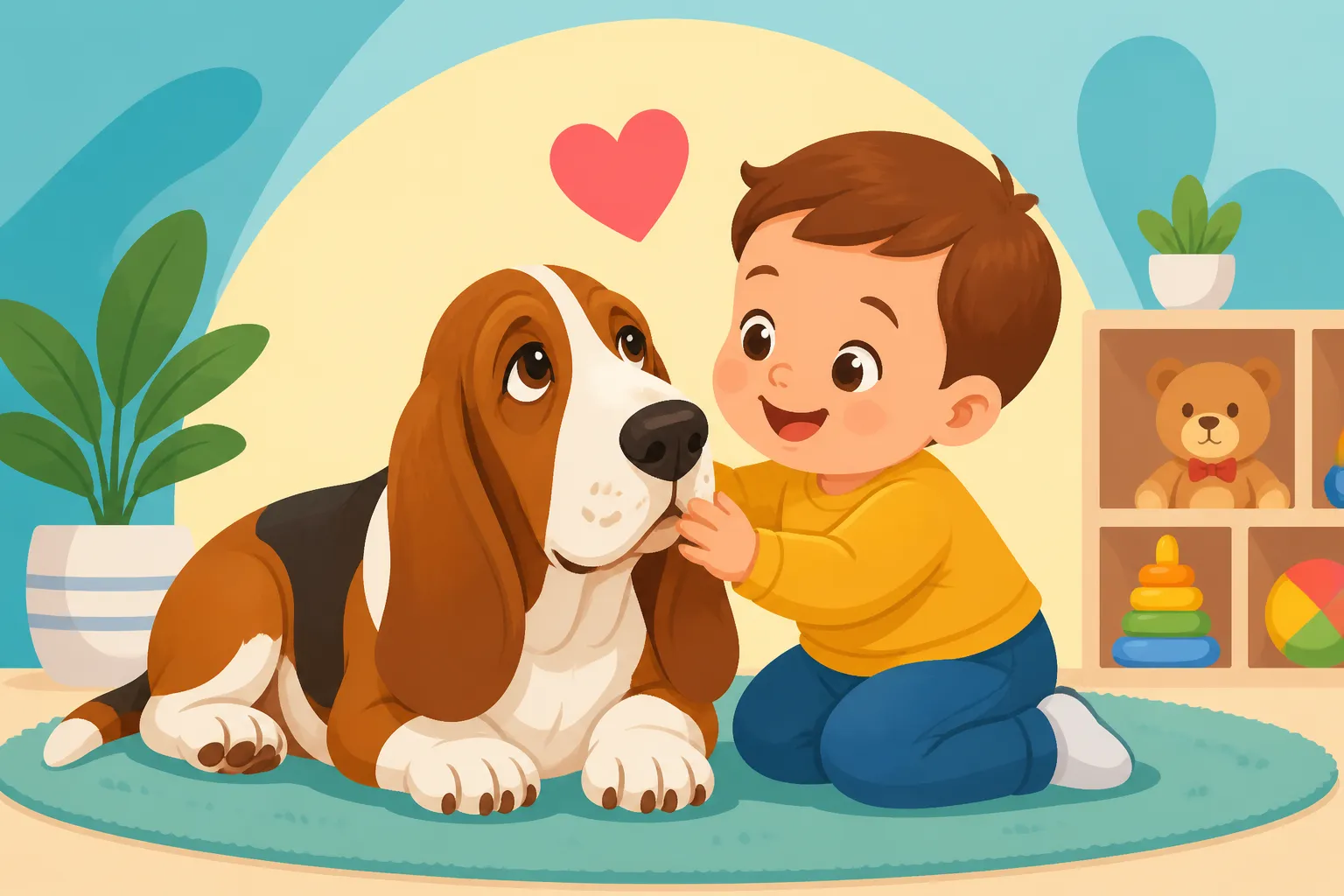
One of the most endearing qualities of a Basset Hound is their seemingly endless patience. They are not typically a high-strung, easily startled breed that might react defensively to sudden movements or loud noises. Instead, you'll often find a Basset Hound observing the world with a quiet dignity, even when a toddler is making enthusiastic, uncoordinated attempts at interaction. They have a remarkable ability to tolerate a good amount of fuss and commotion, often simply sighing and shifting positions rather than snapping or retreating aggressively. This calm temperament is a huge asset when you have small children who are still learning appropriate boundaries and gentle touches. They are generally slow to anger and quick to forgive, making them remarkably resilient partners for a curious and sometimes clumsy toddler.
Their Prey Drive and How It Manifests
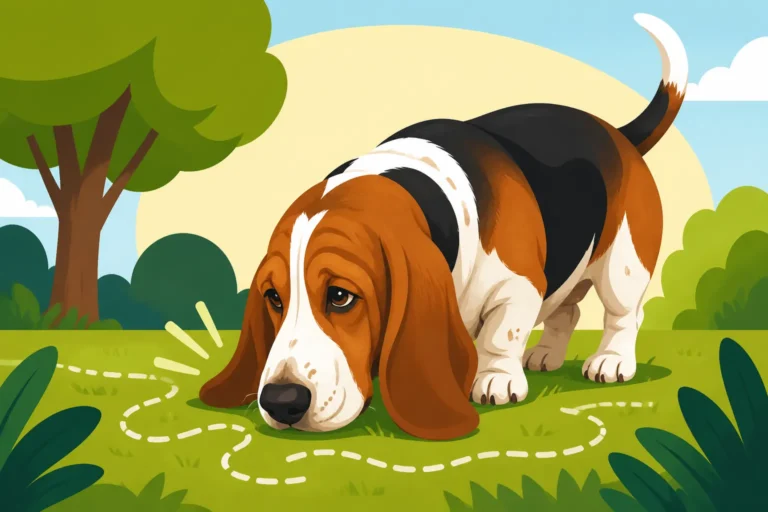
While Basset Hounds are wonderfully placid family dogs, it's vital to remember their origins as scent hounds. They were bred to track game, and this ingrained prey drive, while usually not aggressive towards humans, can sometimes manifest in ways that are less than ideal around fast-moving, squealing toddlers. A child running excitedly through the yard might inadvertently trigger a Basset's instinct to chase. This isn't malice; it's simply a hardwired response. While they won't typically see a child as prey, the sudden movements can excite them, leading to an accidental knock-over or a playful nip that's too hard for delicate toddler skin. Furthermore, their powerful noses mean they can become incredibly focused on interesting smells, sometimes to the exclusion of everything else. If a toddler is holding a particularly enticing snack, a Basset's scent-driven focus might lead them to be more persistent than polite. It's not that they want to hurt the child, but their single-minded pursuit of a smell or a dropped crumb can make them seem oblivious to the child's presence or personal space.
Socialization and Pack Mentality
Basset Hounds thrive on companionship and generally enjoy being part of a "pack," whether that's a canine one or a human one. This strong social drive means they typically welcome new members to their family unit, including tiny, noisy toddlers. However, simply being social doesn't automatically equate to being perfectly gentle or understanding. Proper socialization from a young age is paramount. A Basset Hound puppy that is exposed to children in a positive, controlled manner will learn to associate them with good experiences – gentle petting, quiet interaction, and perhaps even a dropped (dog-safe) treat. If a Basset is raised without much exposure to children, or if early interactions are negative or frightening, they might be more wary or unsure how to react. A well-socialized Basset learns to distinguish between appropriate and inappropriate play and understands that little humans require a different kind of interaction than adult humans or other dogs. This is where The First Year With a Basset Hound Puppy is so crucial, laying the groundwork for a lifetime of good behavior.
Physical Traits That Influence Interactions with Toddlers
Beyond temperament, the unique physical characteristics of a Basset Hound play a significant role in how they interact with young children. Their distinctive build brings both advantages and specific considerations for safety and comfort in a toddler-filled home.
Low Stature and Heavy Bone
One of the most obvious traits of a Basset Hound is their low-slung, substantial frame. They are built close to the ground, which means they are less likely to jump up and knock over a small child, a common concern with taller, more excitable breeds. This low center of gravity can be a real benefit in homes with toddlers, as accidental face-level contact is far less probable. However, while they are short, they are also incredibly dense and heavy. An adult Basset Hound can easily weigh as much as a small Labrador, and this bulk means that even an accidental bump or lean can send a toddler tumbling. Imagine a 60-pound, low-riding bowling ball accidentally nudging a 30-pound child – it's a recipe for a fall. While they are not typically fast, a Basset can move with surprising momentum when excited, especially if chasing a scent or heading for a meal. Their sturdy, short legs, while preventing high jumps, also make them very stable, meaning a toddler can't easily push them over or accidentally hurt them by falling on them, which is a reassuring thought for parents.
Loose Skin and Droopy Features
The Basset Hound's signature loose skin, long droopy ears, and mournful eyes are adorable, but they also present some unique considerations for interactions with toddlers. Those long ears, designed to sweep scent towards their powerful nose, are tempting targets for curious little hands. A toddler might grab, pull, or even step on an ear, causing the Basset discomfort or pain. While many Bassets are incredibly tolerant, repeated rough handling can understandably lead to a dog becoming defensive or, at the very least, wary of the child. Similarly, the loose facial skin and dewlaps can be inadvertently grabbed. It’s important to teach children how to have Teaching a Basset Hound to Have Its Ears Handled gently and respectfully, and to always supervise these interactions closely. Their droopy eyes, while adding to their charm, can also be sensitive, and parents need to ensure toddlers don't poke or pull at their eyelids. These features aren't a deal-breaker, but they underscore the need for careful teaching and supervision.
The Powerful Nose
Ah, the Basset Hound nose! It's legendary for a reason. Second only to the Bloodhound, a Basset's nose is an incredibly powerful tool that can drive their entire existence. While amazing for tracking, it can sometimes be a challenge in a home with toddlers. Imagine a delicious, half-eaten snack dropped on the floor, or even crumbs scattered from a high chair. To a Basset, this isn't just a snack; it's a call to adventure, an irresistible scent trail that must be followed and consumed. This strong drive means a Basset might push past a toddler to get to food, or be intensely focused on scavenging. This isn't aggression, but pure instinct. This deep focus on scent can make them seem oblivious to their surroundings when "on the trail," potentially leading to accidental collisions with a toddler in their path. It also means that any food left within reach is fair game, and teaching a Basset to "leave it" and respect a toddler's space around food is absolutely critical for Whether a Basset Hound Is Safe Around Food and Children. Using slow feeders and puzzle toys can help satisfy their foraging instincts in a safe, controlled way, potentially sourced from places like Amazon, where a wide variety is available.
Potential Challenges and How to Address Them
Even with the most gentle Basset Hound, there are always potential challenges when mixing dogs and toddlers. Understanding these common scenarios and proactively addressing them is key to a harmonious household.
Accidental Knock-Overs
As we've touched upon, a Basset Hound's dense build and low stature make them less likely to jump, but their sheer weight means accidental knock-overs are a real possibility. A Basset might be enthusiastically wiggling their way towards a dropped piece of toast, round a corner too quickly, or simply decide to plop down right where a toddler is standing or playing. Their heavy tails can also swing with surprising force, sometimes catching a small child off balance. The key here isn't to blame the dog, but to manage the environment and teach both the dog and the child. For the Basset, ensuring they are not Why a Heavy Basset Hound Breaks Down Faster and are at their correct weight helps with agility and control. For toddlers, teaching them to stand clear when the dog is moving, especially towards food or the door, is important. Physical barriers like baby gates (readily available on Amazon) are incredibly useful for creating safe spaces, allowing the toddler to play freely without fear of being bowled over, and giving the Basset a quiet retreat.
Resource Guarding Concerns
While Basset Hounds are generally good-natured, resource guarding is a natural canine behavior that can pop up in any breed. This means a dog might become protective of their food, toys, sleeping spots, or even their human, especially if they feel threatened or worried these items will be taken away. When a curious toddler, who doesn't understand boundaries, approaches a Basset's food bowl or tries to grab a favorite toy, it can be a recipe for trouble. Even a gentle Basset might give a warning growl or snap if pushed too far, purely out of instinct to protect their perceived possessions. This isn't about aggression towards the child, but rather a miscommunication of boundaries. The best way to prevent this is to manage the environment:
- Feed your Basset Hound in a separate room or a crate where they can eat in peace.
- Teach your toddler never to approach a dog while it's eating or chewing a bone.
- Provide your Basset with their own special toys that aren't shared with the children and are stored away when not supervised.
- Work on "trade" exercises with your Basset, where you offer a higher-value treat in exchange for a toy, teaching them that humans approaching their things leads to good outcomes, not loss. Online resources like BAXTER & Bella often have specific training modules on preventing resource guarding.
Noise Sensitivity and Baying
Basset Hounds are hounds, and hounds bay. It's what they do, and it's a sound that is both distinctive and, for some, quite loud. What a Basset Hound's Bay Sounds Like is a deep, resonating vocalization, and while charming to many Basset lovers, it can be startling to a toddler. Imagine a small child peacefully playing, only for a sudden, booming "ARROOOO!" to erupt nearby because a squirrel ran across the fence or the doorbell rang. This can frighten a toddler, leading to tears and a negative association with the dog. Conversely, a toddler's sudden shrieks or loud crying can also startle a Basset, potentially leading to anxiety or even a reactive bay. It's a two-way street. While you can't completely eliminate baying (it's part of their DNA!), you can work on training a "quiet" cue, and ensure the Basset has a comfortable, quiet space to retreat to when the house gets too noisy. Desensitizing them to common household noises and providing plenty of engaging activities (like scent work games) to reduce boredom-induced baying can also help keep the peace. Whether a Basset Hound Is Loud is an important consideration for any family with small children.
Setting Up for Success: Supervision and Training
Creating a safe and loving home for both your Basset Hound and your toddler is an ongoing commitment that relies heavily on proactive supervision and consistent training for everyone involved. It's not just about what the dog does; it's also about managing the environment and teaching your child.
Supervision is Non-Negotiable
This is perhaps the most critical piece of advice: never leave a Basset Hound and a toddler unsupervised, not even for a second. Even the most gentle, well-behaved dog can react unpredictably if startled, hurt, or if boundaries are crossed by an unaware child. Accidents happen incredibly quickly. This isn't about mistrusting your Basset; it's about acknowledging that both dogs and toddlers are creatures of instinct who are still learning the rules of the world. A momentary lapse in judgment from either party can have serious consequences. Use physical barriers like baby gates to create safe zones where your toddler can play freely, or where your Basset can relax undisturbed. A sturdy playpen for the toddler, or a comfortable crate for the dog, can provide essential safe havens when you can't offer 100% active, focused supervision. This separation doesn't mean they don't get to interact; it means that all interactions are deliberate and managed.
Teaching Children How to Interact
It's just as important to train your toddler as it is to train your dog! Children need to learn how to interact with dogs safely and respectfully from the very beginning. This includes teaching them:
- Gentle hands: No grabbing ears, pulling tails, poking eyes, or riding the dog. Show them how to gently pet on the back or shoulder, rather than the head.
- Respecting space: Teach them to never approach a dog when it's eating, sleeping, or in its crate. They need to understand that the dog needs its own quiet time.
- "Tree" or "Statue" game: If a dog jumps or gets too excited, teach your child to stand still like a tree, with arms crossed and gaze averted.
- Asking permission: As they get older, teach them to always ask an adult if it's okay to approach and pet the dog.
- No running or screaming around the dog: Sudden loud noises and fast movements can be exciting or frightening for a Basset.
These lessons are lifelong, and need consistent reinforcement. Showing them how to offer a treat gently (palm flat) or play fetch respectfully can build a positive relationship.
Training Your Basset Hound for Gentle Behavior
Consistent training for your Basset Hound is paramount. Focus on foundational commands that are crucial for safety around children:
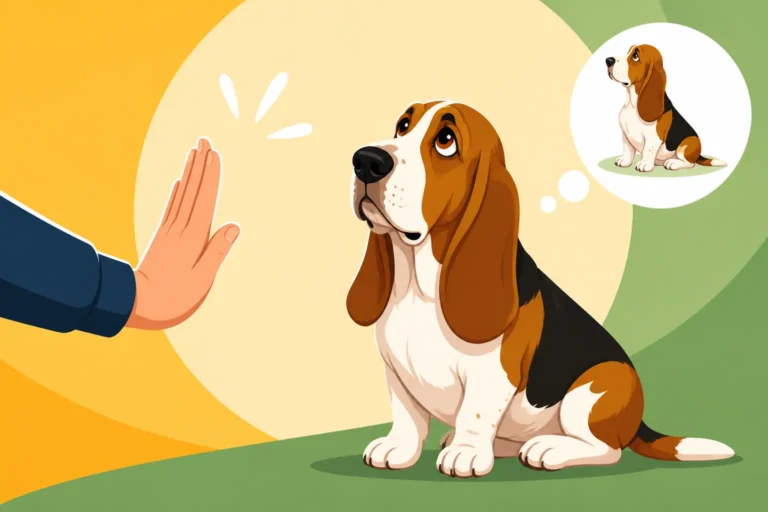
- "Sit" and "Stay": These are essential for managing excited greetings or keeping your Basset in place while your toddler moves around.
- "Leave It": Invaluable for preventing your Basset from snatching dropped food or approaching a toddler's toys.
- "Go to Your Place" (or crate): This teaches your Basset to retreat to a designated safe spot when things get too busy or if they need a break from the action.
- Loose leash walking: Even indoors, a Basset can pull strongly. Practice walking calmly so they don't accidentally trip a toddler. For this, a good harness, perhaps found on Amazon, can be very helpful. Whether a Basset Hound Pulls Hard for Its Size is a real consideration, even for house manners.
Positive reinforcement is key. Reward your Basset for calm behavior around your toddler with treats and praise. Never punish them for reacting to a toddler's actions, as this can create fear and make the situation worse; instead, manage the situation and redirect. Consider enrolling in puppy classes or an online training program like BAXTER & Bella, which offers comprehensive resources for new dog owners, including guidance on socialization and polite manners that are applicable to homes with children. What Actually Motivates a Basset Hound will often be food, so use those tasty rewards wisely!
Reading Your Basset Hound's Signals
Dogs communicate through body language, and understanding what your Basset Hound is trying to tell you is essential for ensuring both their comfort and your toddler's safety. Many incidents happen because subtle canine signals of stress or discomfort are missed.
Recognizing Stress or Discomfort
Basset Hounds, being generally docile, often have subtle ways of communicating their discomfort before they resort to anything more overt. Learning to spot these early warning signs is vital. Look for:
- Lip licking: Not after a meal, but seemingly out of nowhere, can indicate stress or anxiety.
- Yawning: Again, not out of tiredness, but in a tense situation, it's often a calming signal.
- Head turning or looking away: A dog avoiding eye contact or turning their head from an approaching child is trying to signal "I'm not comfortable."
- Tight lips or a tense mouth: The corners of their mouth might be pulled back, and their face might look strained.
- Whale eye: Where you can see the whites of their eyes, often accompanied by a stiff posture.
- Low tail wag (or no wag): A slow, low wag is very different from a relaxed, full-body wag. No wag at all, or a tucked tail, clearly shows stress.
- Repeated shaking: Like shaking off water, but when not wet, can be a sign of tension release.
- Seeking retreat: If your Basset tries to move away, hide under furniture, or repeatedly goes to their crate, they are asking for space.
Any of these signs mean your Basset is feeling overwhelmed or unhappy. This is your cue to intervene immediately and gently separate the dog and child, giving your Basset a break.
Signs of Playfulness vs. Overstimulation
It's equally important to distinguish between happy, appropriate play and play that's getting too rough or intense for a toddler. When a Basset Hound is happily playing, you might see:
- Loose, wiggly body: Their whole body might be relaxed, and their tail will have a broad, relaxed wag.
- "Play bow": Front end down, rear end up, inviting interaction.
- Soft, open mouth, sometimes with a "dog smile": They might pant with a relaxed expression.
- Gentle nudging or pawing: Without claws, and usually not forceful.
- Engaging in fetch or gentle tug (if appropriate for the toddler's age and strength): They will respond to cues to stop.
However, play can quickly escalate, especially with a boisterous toddler. Signs of overstimulation or play getting too rough include:
- Stiff body language: Play that turns into a rigid posture.
- Hard staring: Intense, unblinking eye contact.
- Growling or snapping: These are hard warnings.
- Nipping that is too hard: Even if not aggressive, a Basset's mouth can injure a toddler.
- Persistent chasing or herding: If the Basset isn't letting the toddler move freely.
- Reluctance to stop when you intervene: If your Basset is so overstimulated they aren't responding to your calls.
When to Intervene
Intervention should happen at the very first sign of discomfort from your Basset Hound, or if play becomes too rough from either the dog or the child. Don't wait until things escalate.
- Immediately create distance: Gently guide your Basset to their crate or a separate room.
- Redirect the energy: Offer your Basset a high-value chew toy or a puzzle toy in their safe space to help them decompress. This is a good time to remember What a Basset Hound Needs Every Day – consistent mental and physical stimulation.
- Teach the child a lesson: Explain to your toddler why the dog needed space or why their interaction was too rough.
- Assess the situation: What triggered the discomfort or overstimulation? Was it the noise, the intensity of the play, or proximity to a valued item? Understanding the triggers helps you prevent future incidents.
- Prioritize rest: Ensure your Basset has ample time away from the toddler for quiet rest, especially if they are getting older. The Old Basset Hound That Cannot Get Off the Floor will certainly appreciate a peaceful retreat.
Learning to speak "dog" and understand your Basset's subtle cues is the cornerstone of responsible pet ownership, especially with young children in the home.
| Basset Hound Body Language | What it Often Means | Action for Toddler Interactions |
|---|---|---|
| Lip Licking / Yawning | Stress, anxiety | Separate dog and child, give dog space. |
| Head Turn / Averted Gaze | Discomfort, avoidance | Guide child away, provide dog a calm retreat. |
| Stiff Body / Tail Low | Tension, warning | Immediately separate, assess trigger. |
| Whale Eye (whites showing) | Fear, high stress | Immediate, calm separation. Re-evaluate interaction. |
| Loose Body / Play Bow | Inviting play | Supervise closely, ensure gentle play. |
| Full Body Wag / Soft Eyes | Happy, relaxed | Positive interaction, but maintain supervision. |
| Retreating / Hiding | Needs space, overwhelmed | Ensure dog has safe, quiet retreat. Teach child respect for dog's space. |
| Growl / Snap | Final warning | Immediate, firm separation. Seek professional help if repeated. |
The Role of Early Socialization and Puppyhood
The foundation for a Basset Hound's gentleness with toddlers is largely laid during puppyhood. What they experience in their first few months sets the stage for their behavior and reactions throughout their lives.
Exposure to Children from a Young Age
If you are bringing a Basset Hound puppy into a home with toddlers, it is incredibly important that the puppy has positive, controlled exposure to children from a very young age. Ideally, a good breeder will have already started this process, ensuring their puppies are accustomed to the sights, sounds, and movements of children. Once your puppy is home and vaccinated, continue this socialization.
- Controlled introductions: Allow short, supervised interactions. Hold the puppy on your lap while your toddler gently pets them, or have the toddler sit quietly nearby while the puppy explores.
- Positive associations: Pair interactions with treats and praise for the puppy. If the toddler is gentle, the puppy gets a reward. This helps the puppy associate children with good things.
- Variety of children: Expose your puppy to different children (under strict supervision) to generalize their positive experiences, not just with your own toddler.
- Safe spaces: Always ensure your puppy has a safe crate or pen where they can retreat and be free from toddler interference. This helps prevent them from feeling overwhelmed.
Early, positive exposure, like that encouraged by resources such as BAXTER & Bella's online puppy programs, can prevent fear or anxiety from developing later on.
Positive Reinforcement for Calm Interactions
When teaching your Basset Hound to be gentle with toddlers, positive reinforcement is your most powerful tool. This means rewarding the behaviors you want to see, rather than punishing the ones you don't.
- Reward calmness: If your Basset is lying quietly while your toddler plays nearby, toss them a treat or offer soft praise.
- Reward gentle approaches: If your Basset approaches your toddler calmly and doesn't jump or push, reward that behavior.
- Reward "leave it": If your Basset successfully ignores a dropped toy or food that the toddler might have, give them a high-value treat for their good choice.
- Avoid scolding: If your Basset reacts inappropriately (e.g., nips too hard), avoid harsh scolding. Instead, calmly separate them, redirect their attention, and then practice the desired behavior with positive reinforcement in a controlled setting. Scolding can create fear, which can exacerbate defensive behaviors.
- Consistent boundaries: Everyone in the family needs to be consistent with rules. If one adult allows the Basset to jump on the toddler, and another doesn't, it creates confusion.
Remember that What a Basset Hound Learns in a Week might not be much; consistency over time is crucial for these gentle giants.
Ongoing Training and Consistency
Training isn't a one-time event; it's a lifelong journey, especially in a dynamic household with growing children. As your toddler grows and changes, so will their interactions with your Basset Hound.
- Regular refreshers: Continue practicing basic obedience commands regularly, even after your Basset knows them well. This keeps their skills sharp and reinforces good habits.
- Adjusting rules: As your toddler gets older and more capable, you might be able to relax certain rules (e.g., allowing them to sit on the floor closer to the Basset during quiet time). However, always maintain a watchful eye.
- Problem-solving: If new issues arise (e.g., your Basset starts resource guarding a new toy), address them immediately with positive training methods. Don't let small problems fester.
- Exercise and mental stimulation: A tired Basset is a good Basset. Ensure your hound is getting enough appropriate exercise and mental enrichment (like nose work games or puzzle toys you can find on Amazon). A bored Basset is more likely to get into trouble or be less tolerant. The Basset Hound That Will Not Walk Any Further can still benefit from mental games.
- Professional help: If you encounter significant behavioral challenges that you can't manage on your own, don't hesitate to consult a certified professional dog trainer or behaviorist. They can provide tailored advice and hands-on guidance to help your family and Basset thrive together.
With careful management, consistent training, and a deep understanding of their unique traits, a Basset Hound can indeed be a gentle and loving companion for your toddler, enriching family life for many happy years.
Disclaimer
This article is for general informational purposes only and does not constitute professional advice. Laws, prices and regulations vary by location and change over time. Consult a qualified professional for guidance on your specific situation.