Whether a Basset Hound Can Follow a Day Old Trail
It’s a common question among Basset Hound owners, watching their floppy-eared companions with their noses glued to the ground: just how good is that incredible nose? Can it really pick up a trail that’s hours, or even a full day, old? This guide will dive deep into the remarkable scenting capabilities of a Basset Hound, exploring the science behind their extraordinary noses and whether a day-old trail truly falls within their incredible detection skills.
Understanding the Basset Hound's Olfactory Prowess
The Basset Hound is practically a walking, snuffling monument to scent detection. Everything about their unique anatomy points to one glorious purpose: finding and following a trail. It's not just a cute quirk; it's a finely tuned, biological masterpiece.
The Basset's Specialized Nose and Anatomy
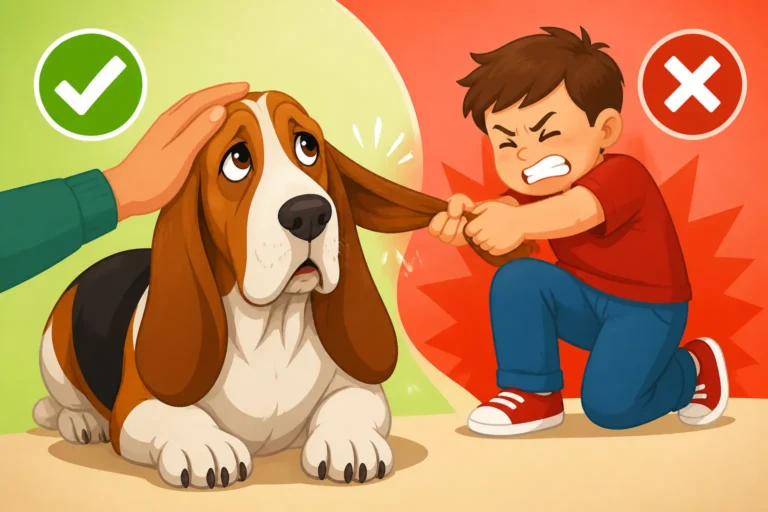
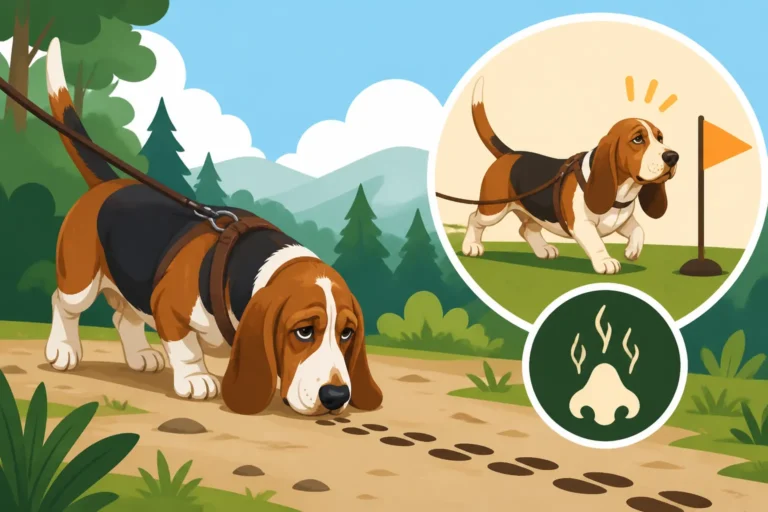
Let's talk about that nose. It's not just big; it's densely packed with an astonishing number of olfactory receptors—estimates suggest up to 220 million, significantly more than humans who have a paltry 5 million. This means they're processing a staggering amount of scent information. But it's not just the internal hardware; their external features are equally important. Their long, pendulous ears, often reaching or even exceeding twelve inches, don't just look charming; they actually serve a critical function in scenting. As the Basset moves, these ears sweep the ground, stirring up scent molecules and funneling them directly towards their nose. Think of them as natural scent-traps, preventing dispersal and concentrating the aroma.
Beyond the ears, their low-slung body and generous dewlap (the loose skin around their neck and throat) also play a role. Their short legs mean their nose is always close to the ground, maximizing their exposure to ground-level scent particles. The loose skin and wrinkles on their face and neck can also help trap scent particles, holding them closer to the nose for continuous analysis. It's a full-body commitment to sniffing! They are literally built to keep their nose to the ground, allowing them to thoroughly investigate every nuance of a trail. Why a Basset Hound's Ears Help It Smell
Scent Persistence and Degradation
Understanding if a Basset can follow an old trail requires knowing a bit about scent itself. A "trail" isn't just one smell; it's a complex cocktail of microscopic skin cells, oils, sweat, hormones, and even bacteria that are constantly shed from a moving body. This creates a unique "scent picture" on the ground. However, this picture isn't permanent. Scent molecules are volatile, meaning they evaporate and disperse over time.
Environmental factors are the biggest enemies of scent persistence. Wind is a major culprit, scattering scent particles far and wide, making a clear trail fuzzy or completely lost. Rain can wash away scent components, especially on hard surfaces. Extreme heat can accelerate evaporation, while freezing temperatures can preserve scent, but also make it harder for the Basset to detect as molecules are less volatile. The type of terrain also matters immensely. A scent laid on soft, porous ground like rich soil or leaf litter will persist longer than one on hot asphalt or concrete, which offers little for the scent molecules to cling to and can heat up to destroy them. Over time, the original scent is diluted and mingled with a myriad of other ambient odors, making discrimination increasingly challenging.
Comparing the Basset's Nose to Other Breeds
When people think of exceptional scent dogs, the Bloodhound often comes to mind first, and for good reason—they are phenomenal. However, the Basset Hound is often considered a very close second, and in some specific contexts, their methodical nature gives them an edge. Where a Bloodhound might cover ground quickly, following a broad scent cone, a Basset is built for slow, deliberate, nose-to-the-ground tracking. Their shorter legs and more deliberate pace mean they meticulously analyze every inch of a trail.
This methodical approach makes them incredibly effective at differentiating subtle scent changes and sticking to a specific ground scent, even when it's faint. While their speed might not match other working hounds, their accuracy and unwavering commitment to the trail are legendary. So, while a Bloodhound might find a person faster over a large area, a Basset Hound can be equally, if not more, persistent in painstakingly following a direct, ground-based trail, especially when it requires deep discrimination. Whether a Basset Hound's Nose Is Second Only to a Bloodhound This distinction is vital when considering day-old trails, where the scent is much fainter and requires that intense focus.
The Challenge of a Day-Old Trail
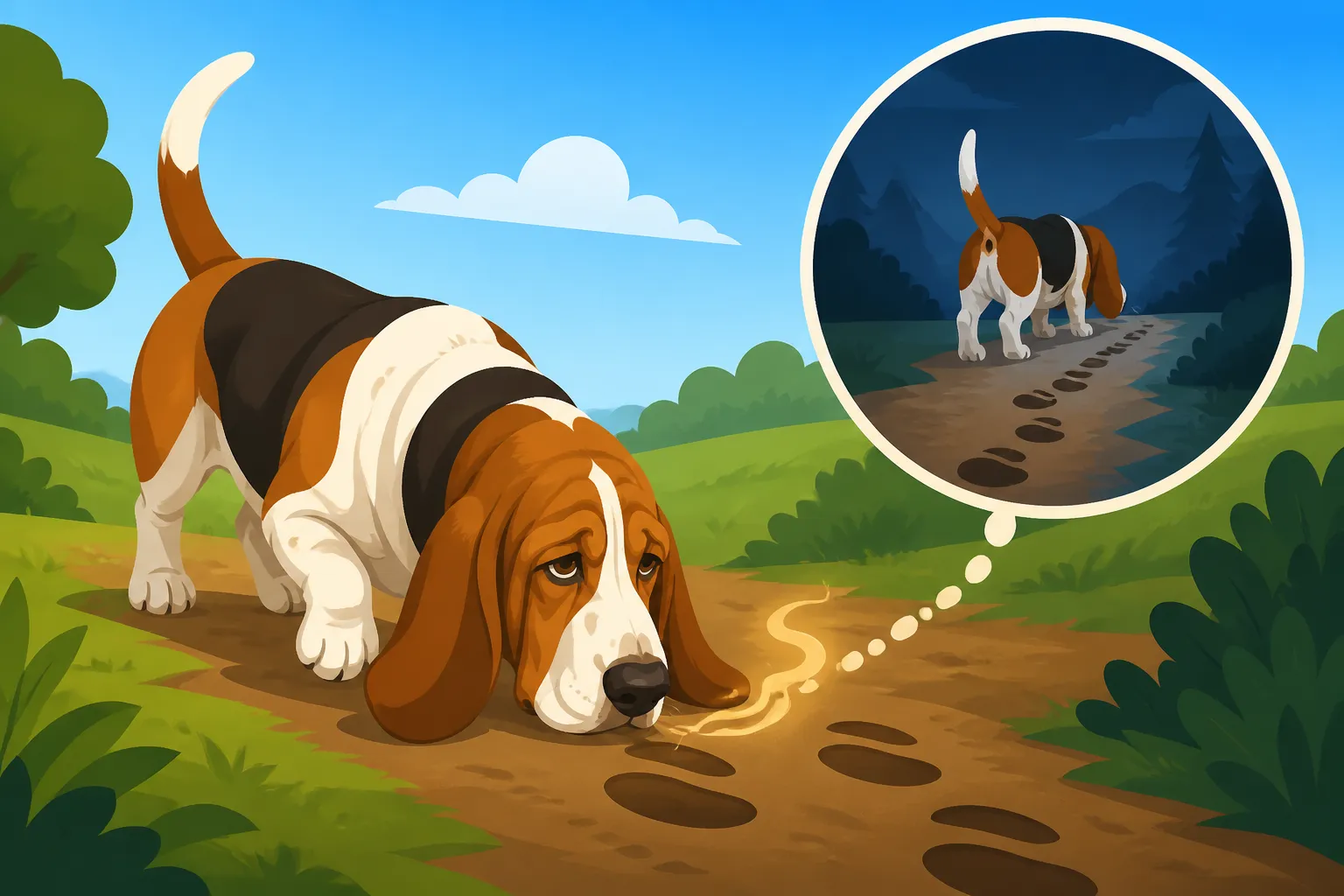
So, can they really do it? Can a Basset Hound pick up and follow a trail that was left 24 hours ago? The short answer is: yes, absolutely, under the right conditions and with the right dog. However, it's not a simple feat and depends on several factors.
Factors Affecting a Basset Hound's Ability to Track Old Scent
The primary challenge for a day-old trail is the significant degradation of the scent. Imagine trying to read a message written in disappearing ink. The message was clear yesterday, but today, only faint traces remain, mixed with countless new scribbles. Wind, as mentioned, is a huge factor. A blustery day will disperse and dilute a trail much faster than a calm one. Rain can wash scent away, especially if it was a heavy downpour on a hard surface. Conversely, light dew or mist might actually help reactivate or "hold" scent on vegetation. Temperature extremes also play a role; very hot, dry conditions can quickly evaporate scent, while cold, stable air might preserve it for longer, even if it makes the scent less volatile and harder to detect.
The type of ground cover is paramount. A trail laid through a dense forest with rich soil, leaf litter, and minimal human disturbance stands a far better chance of persisting for 24 hours than one across a busy urban sidewalk or an open, wind-swept field. Concrete and asphalt offer very little to hold scent. The scent "picture" from a day ago is incredibly faint, requiring immense concentration and a dog with exceptional scent discrimination skills.
The Role of Scent Discrimination
This is where the Basset Hound truly shines. For a day-old trail, it's no longer about simply detecting a smell; it's about distinguishing the target scent from a multitude of other ambient odors. Imagine being in a crowded room, trying to hear a whispered conversation from yesterday amongst today's loud chatter. That's what a Basset Hound does. Their brain has an incredible capacity to filter out irrelevant smells – the fresh paw prints of a squirrel, the exhaust from a passing car, the faint aroma of someone's lunch – and hone in on the specific, subtle chemical signature of the target trail.
Their methodical nature means they don't rush. They take their time, processing each individual component of the scent, building a mental "map" of where the target has been, even as the trail weakens and disperses. This level of scent discrimination is what allows them to tackle challenges like cross-contamination from other animals or people, or trails that weave through areas with complex scent layers. Without this refined ability, a day-old trail would simply be an indistinguishable part of the environmental background. Whether a Basset Hound Trails With Its Nose on the Ground
Training and Experience in Tracking Old Scents
While a Basset Hound possesses the raw talent, a dog’s individual ability to follow a day-old trail is also significantly influenced by training and experience. A Basset who has never had dedicated scent work beyond sniffing out dropped crumbs in the kitchen isn't likely to perform as well on an aged trail as one who has been specifically taught. Professional tracking dogs, regardless of breed, go through rigorous training where trails are progressively aged, made more complex, and subjected to varying environmental conditions.
This training teaches the dog to trust its nose, to ignore distractions, and to persevere even when the scent is extremely weak. It also teaches the handler how to "read" their dog's body language for indications of scent, ensuring they don't inadvertently pull the dog off a faint trail. Through repetition and positive reinforcement, a Basset Hound can learn to refine its natural instincts, turning raw talent into a highly effective skill. Whether a Basset Hound Takes to Scent Work
Practical Applications and Considerations
The ability of a Basset Hound to track an aged trail isn't just a fascinating parlor trick; it has real-world implications, from finding lost loved ones to engaging in rewarding canine sports.
Lost Pets and Emergency Tracking
The thought of a beloved pet going missing is every owner's nightmare. This is where a Basset Hound's tracking ability can become incredibly valuable. If your Basset has been trained, or even if they simply have a strong natural drive, they might be able to follow the trail of a lost family member or another pet, even if that trail is several hours or a day old. In these urgent situations, time is of the essence, but a Basset's persistent nature can mean the difference. If a professional tracking team is available, they often utilize breeds like Basset Hounds for their ground-scenting capabilities.
It's important to understand, however, that while your Basset's nose is exceptional, the stress of the situation, unfamiliarity with a specific lost person's "scent article," and lack of formal training might limit their effectiveness. Still, knowing their potential offers a glimmer of hope. It highlights why having a solid recall and understanding your Basset's scent-driven nature is so important, especially when they might follow a tempting scent into unfamiliar territory. For any lost pet situation, always involve local authorities and experienced tracking individuals first, but your Basset's natural abilities should not be underestimated. Also, having a good GPS tracker on your Basset is always a wise investment in case they do get lost, allowing you to use technology to supplement their incredible nose. Whether a Basset Hound Should Wear a Tracker
Recreational Scent Work and Trials
For those who want to harness their Basset's magnificent nose in a fun, structured way, recreational scent work and tracking trials are fantastic outlets. Activities like K9 Nose Work (also known as Scent Work) or official tracking trials specifically design exercises where dogs must locate a target scent or follow a trail that has been laid hours before. In these environments, the Basset's methodical pace and extraordinary scent discrimination are huge advantages. They don't need to be fast; they need to be accurate and persistent.
Imagine seeing your Basset Hound, head down, methodically working out a complex scent puzzle, his tail occasionally giving a happy little wag as he untangles a challenging section of a several-hour-old trail. This kind of mental engagement is incredibly enriching for a Basset, satisfying their innate drive to hunt with their nose. Many organizations offer classes and competitions tailored to all skill levels, allowing you and your Basset to bond while exploring their natural talents. These activities are a wonderful way to acknowledge and celebrate your Basset's unique genetic gifts. Whether a Basset Hound Can Do Tracking Trials
Managing Expectations for Your Basset Hound
While the Basset Hound's potential for tracking day-old trails is undeniable, it's crucial to manage your expectations. Not every Basset will be a world-class tracker capable of following every faint trail. Just like people, individual dogs have varying levels of aptitude and drive. Factors like personality, prior experience, and even health can influence their performance. A Basset who is constantly distracted by visual stimuli or who hasn't had positive exposure to scent games might struggle more than one who is naturally focused and has been encouraged.
The goal should always be to build a stronger bond with your dog and provide them with enriching activities that tap into their natural instincts. Don't pressure them to perform like a seasoned professional from day one. Celebrate their efforts and successes, no matter how small. Even if your Basset never becomes a tracking champion, engaging them in scent work will undoubtedly make them a happier, more fulfilled companion. Remember, these hounds were bred to hunt game like rabbits, and while many no longer do, that ancient drive is still very much alive. Whether a Basset Hound Still Hunts Rabbits
Tools and Techniques for Encouraging Scent Work
If you're inspired to explore your Basset Hound's incredible scenting abilities, there are many ways to get started. You don't need to be a professional trainer or have access to vast wilderness; you can begin right in your own home and yard.
Essential Gear for Scent Training
To safely and effectively engage in scent work with your Basset Hound, a few pieces of gear are incredibly helpful. First and foremost, a comfortable, well-fitting harness is a must. During tracking, the dog should be able to move freely without pressure on their neck, especially as they keep their nose to the ground. A front-clip or Y-shaped harness is often ideal, distributing pressure evenly across the chest. Avoid using a collar for serious scent work, as it can restrict breathing and potentially cause injury if the dog pulls hard. You can find a wide variety of suitable harnesses on platforms like Amazon, ensuring a good fit for your Basset's unique shape. Which Harness Suits a Basset Hound
Next, a long line (a lead ranging from 15 to 30 feet) is invaluable. This allows your Basset to explore scents independently without getting too far from you, providing freedom while maintaining safety and control, especially if you're working in an unfenced area. Lastly, you'll need high-value, small, soft treats to reward them for finding the scent, and perhaps some specific "scent articles" if you're doing focused nose work, like small pieces of leather, cotton swabs with an essential oil scent (like birch or anise), or simply a glove carrying your own unique scent.
Structured Scent Games and Training Resources
Starting with simple scent games at home is the best way to introduce your Basset to the joy of nose work. Begin by hiding a high-value treat in plain sight, encouraging them to find it. As they get the hang of it, gradually increase the difficulty: hide treats under cups, behind furniture, or in different rooms. Use a consistent cue like "find it!" to help them understand the game. These early successes build confidence and drive.
For more structured learning, consider enrolling in a local scent work class or exploring online resources. Many online dog training academies, like BAXTER & Bella, offer comprehensive courses that, while often focusing on general manners and obedience, teach foundational skills like focus, motivation, and positive reinforcement, which are critical for any advanced training, including scent work. Some also offer specific modules for nose work or tracking foundations. These resources can provide step-by-step guidance, helping you understand how to lay trails, manage distractions, and read your Basset's indications. They can turn what seems like a daunting task into a fun and rewarding shared activity. Whether Short Sessions Suit a Basset Hound
Patience and Consistency are Key
Training a Basset Hound, especially in something as intricate as scent work, requires a healthy dose of patience and consistency. They are incredibly intelligent, but they are also independent thinkers driven by their incredible noses. They might not always respond with lightning speed, and they might occasionally get sidetracked by a particularly interesting "new" smell. Remember, for a Basset, their nose is their world, and sometimes the world is just too fascinating to ignore your commands instantly.
Positive reinforcement is the absolute cornerstone of effective Basset training. Celebrate every success, no matter how small. Keep training sessions short, engaging, and fun to maintain their interest. If you approach scent work as a collaborative puzzle rather than a strict obedience exercise, you'll find your Basset Hound eager to join in the adventure. Their intrinsic motivation for sniffing is a powerful tool; you just need to guide and reward it consistently. What Actually Motivates a Basset Hound Building this strong, positive relationship will unlock their full potential and deepen your bond with your amazing, scent-driven companion.
| Scent Degradation Factor | Impact on Day-Old Trail |
|---|---|
| Wind | High: Rapidly disperses scent molecules, making trails diffuse and hard to follow. |
| Rain/Heavy Moisture | High: Washes away water-soluble scent components, especially on hard surfaces. |
| Temperature (Hot) | High: Accelerates evaporation of volatile scent compounds, making them disappear faster. |
| Temperature (Cold) | Medium: Can preserve scent by slowing evaporation, but molecules are less volatile and harder to detect by the dog. |
| Humidity | Low-Medium: High humidity can sometimes help "trap" scent close to the ground; very low humidity can dry it out. |
| Terrain (Porous) | Low: Soil, grass, leaf litter hold scent better by trapping molecules, increasing longevity. |
| Terrain (Hard) | High: Concrete, asphalt offer little for scent to cling to, making trails disappear quickly. |
| Foot Traffic | High: Introduces myriad distracting scents, breaks up the target trail, and disperses molecules. |
| Time Elapsed | Critical: The longer the time, the more degraded and diluted the scent becomes due to all other factors. |
Disclaimer
This article is for general informational purposes only and does not constitute professional advice. Laws, prices and regulations vary by location and change over time. Consult a qualified professional for guidance on your specific situation.