Whether Scattering Kibble Occupies a Basset Hound
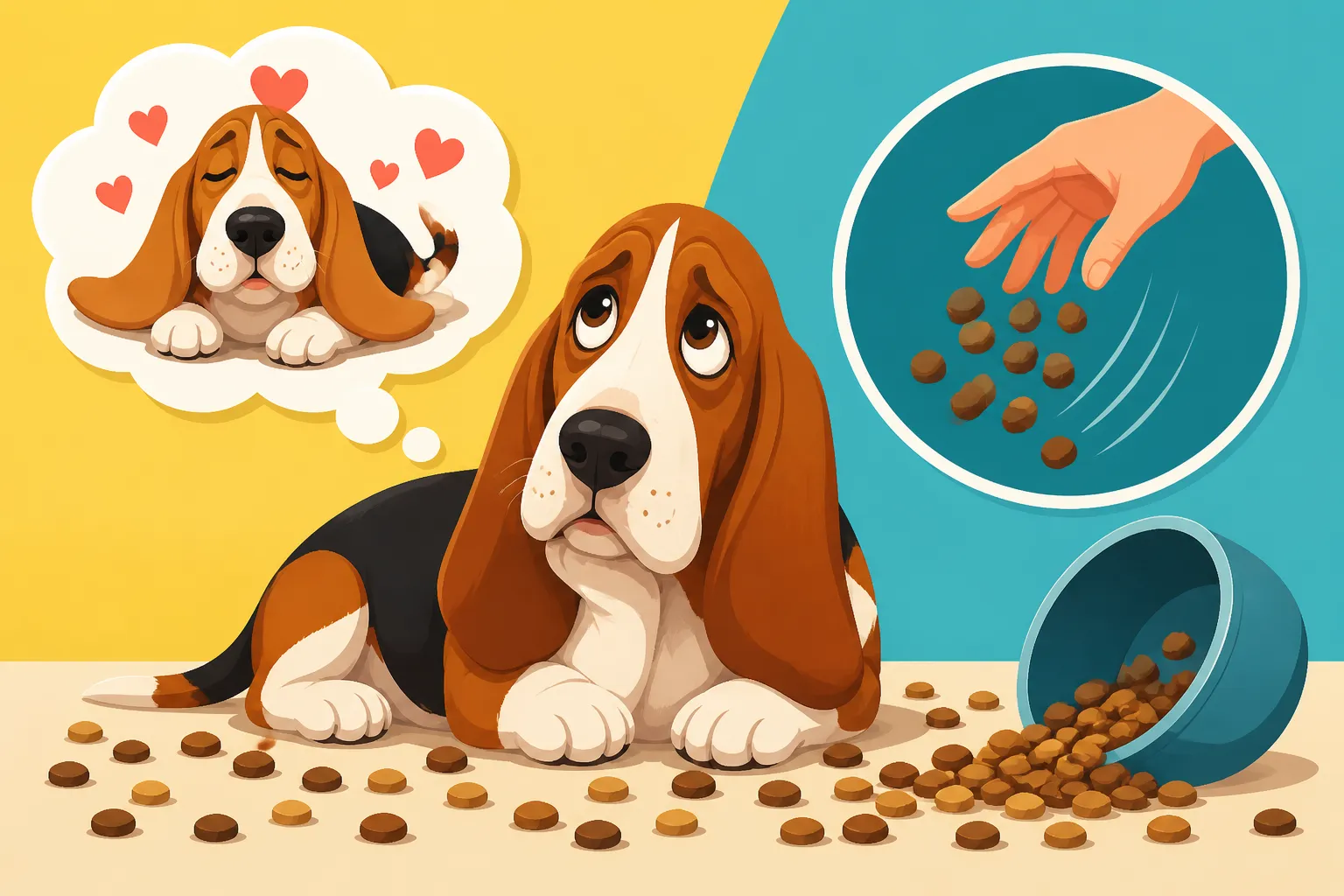
Many Basset Hound owners find themselves wondering how to keep their clever, scent-driven companions engaged throughout the day, especially when they seem to inhale their meals in seconds. If you’ve ever watched your Basset scarf down their dinner in what feels like mere moments, only to look at you expectantly for more, you know the struggle is real. This guide is here to explore whether simply scattering kibble can actually be a meaningful form of mental enrichment and slow down that mealtime sprint for your Basset Hound, turning eating into an engaging activity.
Why Scatter Feeding Taps into Your Basset Hound's Instincts
Basset Hounds are, at their very core, scent hounds. They were bred for centuries to follow a scent trail with unwavering focus, their long ears and wrinkled faces acting like scent-gathering tools, sweeping odors towards their powerful noses. This isn't just a quirky trait; it's a fundamental part of who they are, and it drives a significant portion of their behavior. When we scatter kibble, we're not just making them "work" for food; we're giving them a job that speaks to their deepest, most ancient instincts.
The Power of the Basset Hound's Nose
You've probably heard that a Basset Hound's nose is legendary, perhaps second only to a Bloodhound's. Well, it's not an exaggeration. Their olfactory capabilities are truly incredible. A Basset can pick up and follow a faint scent trail that a human wouldn't even register, often from hours or even a full day earlier. This phenomenal sense of smell isn't just for hunting; it's how they experience the world, gather information, and derive immense satisfaction. Asking a Basset Hound to use its nose is like asking a Border Collie to herd; it's what they were born to do, and it provides a profound sense of purpose and fulfillment.
When kibble is scattered, it transforms mealtime from a simple act of consumption into a rich, complex scent puzzle. Each piece becomes a tiny "scent trail" for your Basset to discover. They engage their entire olfactory system, sniffing, snuffling, and tracking, which is incredibly stimulating. This mental workout, driven by their natural desire to find and consume, is far more tiring and satisfying than just eating from a bowl. Think about it: a quick meal from a bowl uses minimal brain power, but a scattered meal demands concentration and problem-solving. This is why How Good a Basset Hound's Nose Actually Is is such a critical aspect of understanding their needs.
Engaging the Hunter Within
Even if your Basset Hound has never seen a rabbit in the wild, the instinct to hunt for food is deeply ingrained. In their ancestral past, finding food wasn't as simple as walking to a bowl. It involved searching, tracking, and often a fair bit of effort. Scattering kibble mimics this natural foraging behavior. It allows them to use their inherited skills in a safe, controlled, and enriching way right in your home or yard.
This engagement of their innate hunting drive can prevent boredom and destructive behaviors that often arise from a lack of mental stimulation. A bored Basset might resort to chewing furniture, digging in the yard, or incessant baying, not out of malice, but because they have unmet needs for activity and purpose. Providing an outlet for their natural drives through activities like scatter feeding can significantly reduce these unwanted behaviors. It’s a positive way to channel their energy and intelligence.
How to Effectively Scatter Kibble for Maximum Engagement
Simply tossing a handful of kibble on the floor might seem straightforward, but there are ways to maximize the benefits of scatter feeding and make it a truly enriching experience for your Basset Hound. The goal is to make them think, sniff, and move, rather than just hoovering it up without much thought.
Choosing the Right Environment
The environment where you scatter the kibble can greatly influence its effectiveness. For beginners, or for Bassets who tend to eat very quickly, starting indoors on a flat, clean surface like a kitchen floor can be a good idea. This prevents them from ingesting dirt or other non-food items. As they get more adept, you can increase the challenge.
Moving to a carpeted area, a rug with a shaggy pile, or even a snuffle mat (which you can find on Amazon), can make the search more intricate. A snuffle mat specifically designed for nose work provides fabric "blades" or pockets where kibble can be hidden, requiring more deliberate sniffing and rooting. For Bassets with good recall and a secure yard, scattering kibble in the grass outdoors is an excellent option. The natural textures, smells, and uneven terrain provide a vastly richer sensory experience. Just be sure your yard is free of toxic plants or other hazards. This outdoor sniff-fest can really help tire them out mentally, which is often more effective than physical exercise alone.
Making it a Challenge, Not a Chore
The key is to vary the difficulty. Don't always scatter it in the same way or place. Start with easily visible pieces, then gradually increase the scatter area or hide pieces under small, dog-safe objects (like an overturned plastic cup they can nudge). You want them to feel successful, but also gently challenged. Some Bassets will get the hang of it quickly, while others might need a bit more encouragement at first.
If your Basset seems uninterested, try using particularly high-value kibble or mixing in a few extra-tasty, small training treats to spark their interest. The aroma alone should typically be enough for a Basset Hound to get their nose working! Remember, the goal is mental stimulation, so making them work just a little harder for each piece extends the activity and deepens their engagement. You might be surprised at how long a seemingly simple task can occupy them, turning a two-minute meal into a 15-20 minute mental exercise. This kind of thoughtful engagement can tie into broader training goals, as discussed in Whether a Basset Hound Learns Tricks.
Beyond the Bowl: The Benefits of This Simple Practice
Scatter feeding offers far more than just a different way to deliver dinner. It’s a powerful tool for enrichment, behavior modification, and strengthening the bond with your Basset Hound.
Mental Stimulation and Stress Reduction
A mentally stimulated dog is a happy dog. For Basset Hounds, whose brains are constantly processing a world of scents, a lack of mental engagement can lead to frustration and anxiety. Scatter feeding provides a fantastic outlet for their cognitive energy. The act of sniffing releases endorphins, which are natural mood elevators, meaning nose work can literally make your Basset feel calmer and happier. It’s a low-impact activity that can be done even on days when weather prevents longer walks, or if your Basset is an older dog with limited mobility.
Imagine a rainy afternoon when your Basset is restless. Instead of handing them their usual bowl, scatter their meal. You’ll observe their focus shift, their body language relax, and their profound concentration as they methodically sniff out every morsel. This activity can be especially beneficial for Bassets prone to anxiety or those who get overwhelmed by too much external stimulation. It gives them a productive, calming task to focus on. Providing mental challenges is a cornerstone of responsible dog ownership, and it’s often overlooked in favor of purely physical exercise. This can be as important as understanding Whether a Basset Hound Needs Any Real Exercise.
Slowing Down Fast Eaters and Aiding Digestion
Many Basset Hounds are champion gobblers, inhaling their food in seconds flat. This fast eating can lead to indigestion, gas, and even a higher risk of bloat, a serious and life-threatening condition for deep-chested breeds like the Basset. Scatter feeding is a natural and effective way to slow down their eating pace. Instead of gulping down large quantities, they have to seek out and consume individual pieces, forcing them to eat more slowly and deliberately.
This slower pace allows their digestive system to work more effectively, reducing the likelihood of gulping air along with their food. The act of sniffing also stimulates digestive juices, further aiding in a healthy digestive process. It’s a simple change that can have a big impact on their digestive comfort and overall health. If you've ever dealt with a Basset Hound's post-meal gas, you'll appreciate any method that can help! This is a great alternative to a slow-feeder bowl, which might still allow for faster eating than a widespread scatter. This strategy is key when considering Whether a Basset Hound Bolts Its Food.
Building Confidence and Enhancing the Human-Animal Bond
Engaging in activities that allow your Basset to use their natural talents can significantly boost their confidence. When they successfully complete the "hunt" for their meal, they experience a sense of accomplishment. This positive reinforcement, coupled with your encouragement and praise, strengthens their self-esteem. It shows them that their unique Basset Hound abilities are valued and rewarded.
Participating in these activities with your Basset also deepens your bond. You become the provider of engaging, satisfying experiences, not just the food dispenser. Watching them intently work their nose, seeing their tail wag when they find a particularly hidden piece, and celebrating their successes together creates shared positive experiences. It's a fantastic way to connect with your Basset on a more profound level, understanding and appreciating their inherent nature. Websites like BAXTER & Bella often highlight the importance of positive reinforcement and engagement in building a strong relationship with your dog, and scatter feeding fits right into that philosophy.
Important Considerations and When to Try Other Methods
While scatter feeding is a fantastic tool, it's not always the perfect solution for every Basset Hound or every situation. It's important to be mindful of potential drawbacks and know when to incorporate other enrichment methods.
Hygiene and Environmental Concerns
Scattering kibble, especially indoors, means small food particles will be on your floor. This might not be ideal if you have very young children who crawl on the floor, or if you prefer a meticulously clean home. While Bassets are typically quite thorough, a stray piece or two might be missed, attracting pests if left for too long. Outdoors, ensure the area is free of pesticides, toxic plants, or anything else your Basset shouldn't ingest. Always supervise outdoor scatter feeding, especially if wild animals frequent your yard, to prevent them from ingesting their droppings or other undesirable items.
Consider the surface you're scattering on. A tile floor is easy to clean, but might not offer much of a challenge. A shaggy rug or grass is more engaging but harder to ensure every crumb is gone. If you're concerned about cleanliness but still want the benefits of scatter feeding, investing in a good quality snuffle mat can be a great compromise. It keeps the food contained while still requiring your Basset to use their nose. These are readily available on platforms like Amazon and can offer a fantastic middle ground.
Not a Substitute for Proper Exercise
While scatter feeding is excellent mental stimulation, it doesn't replace the need for physical exercise. Basset Hounds, despite their lazy reputation, do need regular, moderate activity to maintain a healthy weight and strong joints. Too much reliance on sedentary mental games without any physical output can still lead to weight gain, particularly in a breed already predisposed to carrying a bit of extra heft. Regular walks, even short ones, are essential.
Think of scatter feeding as supplementary enrichment, not a complete fitness program. It's a wonderful way to tire them out when physical exercise isn't possible, but it should be part of a balanced routine. A Basset who is both mentally stimulated and physically active will be the happiest and healthiest. This ties into the general advice on Getting Weight Off a Basset Hound That Will Not Exercise and recognizing that mental and physical health go hand-in-hand.
When to Consider Other Enrichment Tools
Sometimes, scattering kibble simply isn't enough, or your Basset might need variety. If your Basset finishes their scattered meal very quickly and still seems bored, or if you're worried about them ingesting non-food items, it might be time to introduce other types of enrichment. Puzzle toys that dispense food as your dog manipulates them can be a great next step. These range from simple wobble toys to more complex multi-step puzzles. Kongs stuffed with wet food and frozen are another fantastic, long-lasting option.
Here’s a quick comparison of some popular food enrichment methods:
| Method | Description | Pros | Cons | Engagement Level (1-5) |
|---|---|---|---|---|
| Scatter Feeding | Spreading kibble across a surface (floor, grass, snuffle mat) | Highly engaging for nose, natural foraging, low cost, easy to implement. | Can be messy, risk of ingesting non-food items outdoors, less challenging on flat surfaces. | 4 |
| Snuffle Mat | Fabric mat with hiding spots for kibble | Contains mess, very engaging for nose, moderate challenge, portable. | Requires cleaning, can be destroyed by heavy chewers, initial cost. | 4.5 |
| Puzzle Toy | Device requiring manipulation (nudging, flipping) to release food | Very stimulating, slows eating, reusable, variety of difficulty levels. | Can be frustrating for some dogs, requires supervision, initial cost, may not hold entire meal. | 3-5 (varies) |
| Stuffed Kong | Rubber toy filled with treats/wet food, often frozen | Very long-lasting, calming, excellent for chewers, can be prepared in advance. | Requires prep time, can be messy if not frozen, cleaning can be tricky. | 5 |
| Slow Feeder | Bowl with obstacles/mazes to slow eating | Simple, effective at slowing eating, easy to clean. | Less mentally engaging than nose work, still relatively quick compared to other methods. | 2 |
Combining methods can be even more effective. You might scatter half their meal and put the other half in a puzzle toy. For Basset Hounds who are very food motivated (which is most of them!), these methods provide healthy, constructive ways to manage their intense drive, prevent boredom, and keep them happy and engaged. Remember that What Actually Motivates a Basset Hound is often strongly linked to food, making these activities highly rewarding.
Disclaimer
This article is for general informational purposes only and does not constitute professional advice. Laws, prices and regulations vary by location and change over time. Consult a qualified professional for guidance on your specific situation.