Whether a Basset Hound Should Wear a Tracker
One of the most heart-stopping moments for any dog owner is that sudden realization: your Basset Hound is gone. Their incredible noses and independent spirit mean that what starts as an interesting sniff in the yard can quickly become an adventurous trek miles from home. This guide dives deep into why a tracker isn't just a luxury for a Basset Hound, but often a vital tool for peace of mind and swift reunions, exploring the benefits and what to look for when choosing one.
The Inevitable Call of the Scent: Why Basset Hounds Roam
Basset Hounds were bred for a singular purpose: to follow a scent trail. This isn't just a hobby for them; it's a deep-seated, instinctual drive that can override almost everything else. Understanding this fundamental aspect of their being is the first step in appreciating why a tracker is such a valuable asset.
The Power of That Nose
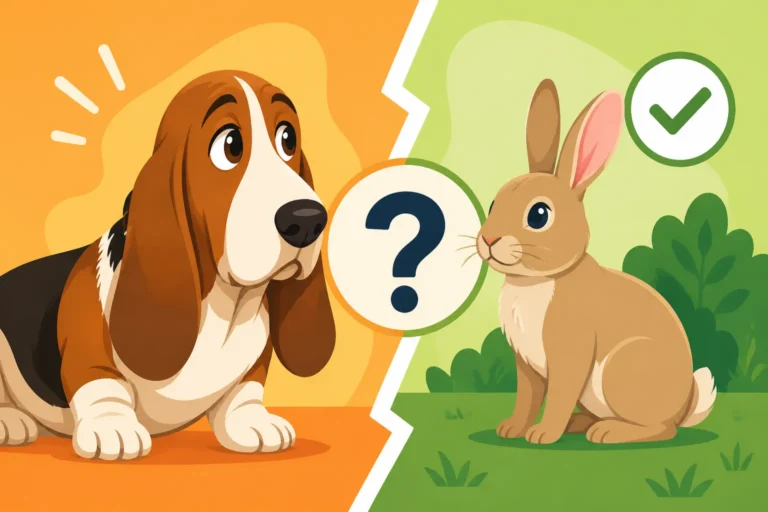
Let's be real: a Basset Hound's nose is legendary. It’s not just good; it's astonishingly powerful, second only to a Bloodhound's in terms of sheer olfactory capability. When that nose locks onto an interesting scent – be it a rabbit that darted across the yard an hour ago, a faint whisper of a deer trail from last night, or even just the irresistible aroma of a neighbor's barbecue – your Basset enters a different dimension. In that moment, your calls, your commands, even the promise of a delicious treat, can become mere background noise. They are utterly consumed by the pursuit of that scent.
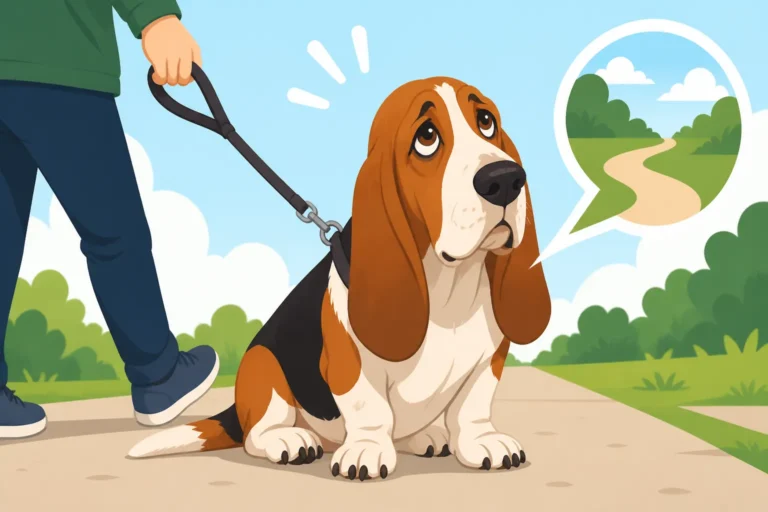
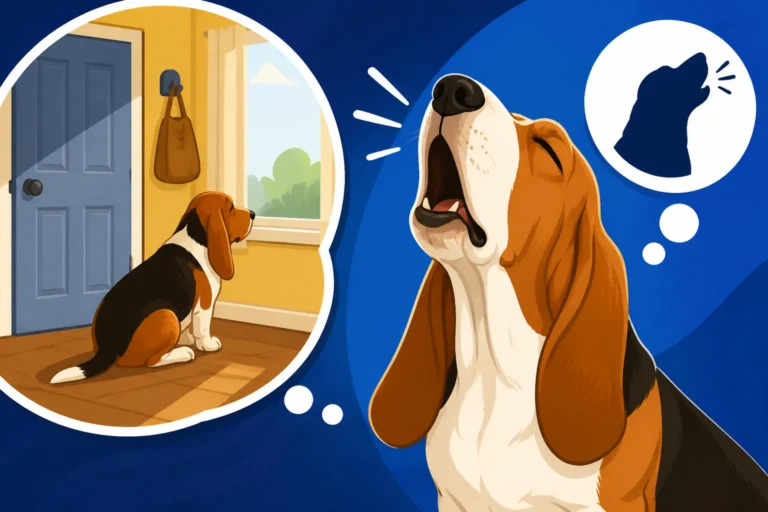
Imagine you're walking your Basset Hound on a long leash through a park. Suddenly, their nose hits paydirt. Their head drops, their tail starts a slow, deliberate wag, and their body language shifts entirely. They are no longer walking with you; they are following an invisible thread, a story only they can read. They might ignore your tugs, pull with surprising strength, and if that leash slips or you momentarily lose grip, they are off. This isn't disobedience in their minds; it's simply fulfilling their deepest, most ancient purpose. This single-minded focus is why a Basset Hound is infamous for developing Why a Basset Hound Stops Hearing You When It Smells Something.
The Basset Hound's Wanderlust
That powerful nose comes hand-in-hand with an innate desire to follow a trail, no matter where it leads. Basset Hounds were developed to track game over long distances at a slow pace, allowing hunters on foot to keep up. This means they are built for endurance and independent thought when on a scent. They aren't looking to you for direction once they've picked up a trail; they are confident in their own abilities to navigate the world via smell.
This breed’s history means that an open gate, a slight gap in the fence, or even a momentarily unlatched lead can be an invitation to an adventure. They aren't trying to escape you; they are simply driven to explore the fascinating world of smells. Unlike some breeds that stay close to their humans even when off-leash, a Basset Hound on a mission will simply keep going, often oblivious to how far they've traveled or how worried you might be. It’s this profound independence on a scent that makes The Recall a Basset Hound Will Never Reliably Give You a common frustration for owners. Without a tracker, this natural inclination to wander can quickly turn into a terrifying search.
Weighing the Options: Why a Tracker is More Than a Gadget for a Basset Hound
Given their incredible noses and propensity to follow a trail, a tracker for a Basset Hound isn't just a fancy accessory. It's a critical piece of safety equipment that can turn a potentially frantic, agonizing search into a much quicker and less stressful reunion.
The Peace of Mind Factor
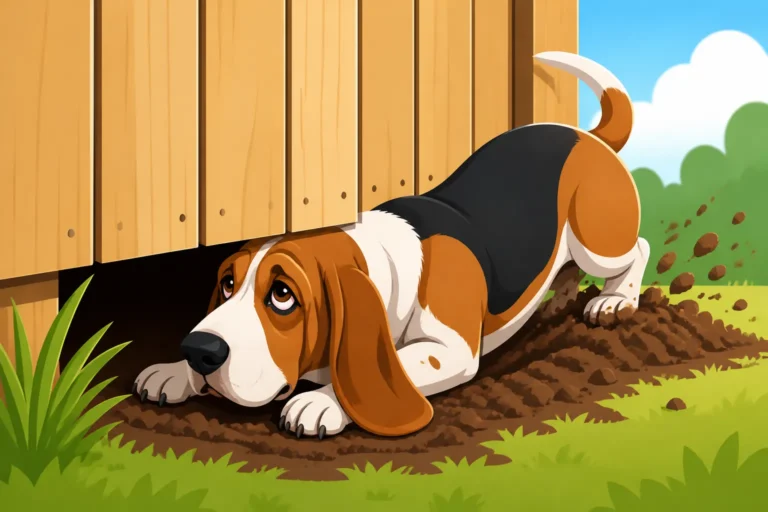
Let’s talk honestly about that gut-wrenching feeling: the moment you realize your Basset is nowhere to be found. Your heart leaps into your throat, and a cold dread washes over you. Did they slip out the front door when you were bringing in groceries? Did they squeeze through a loose fence board while you were gardening? With a Basset, these scenarios are not just hypothetical; they're common. Their low-slung bodies can fit through surprisingly small gaps, and their focus on scent means they don't always pay attention to their surroundings or the boundaries you've set.
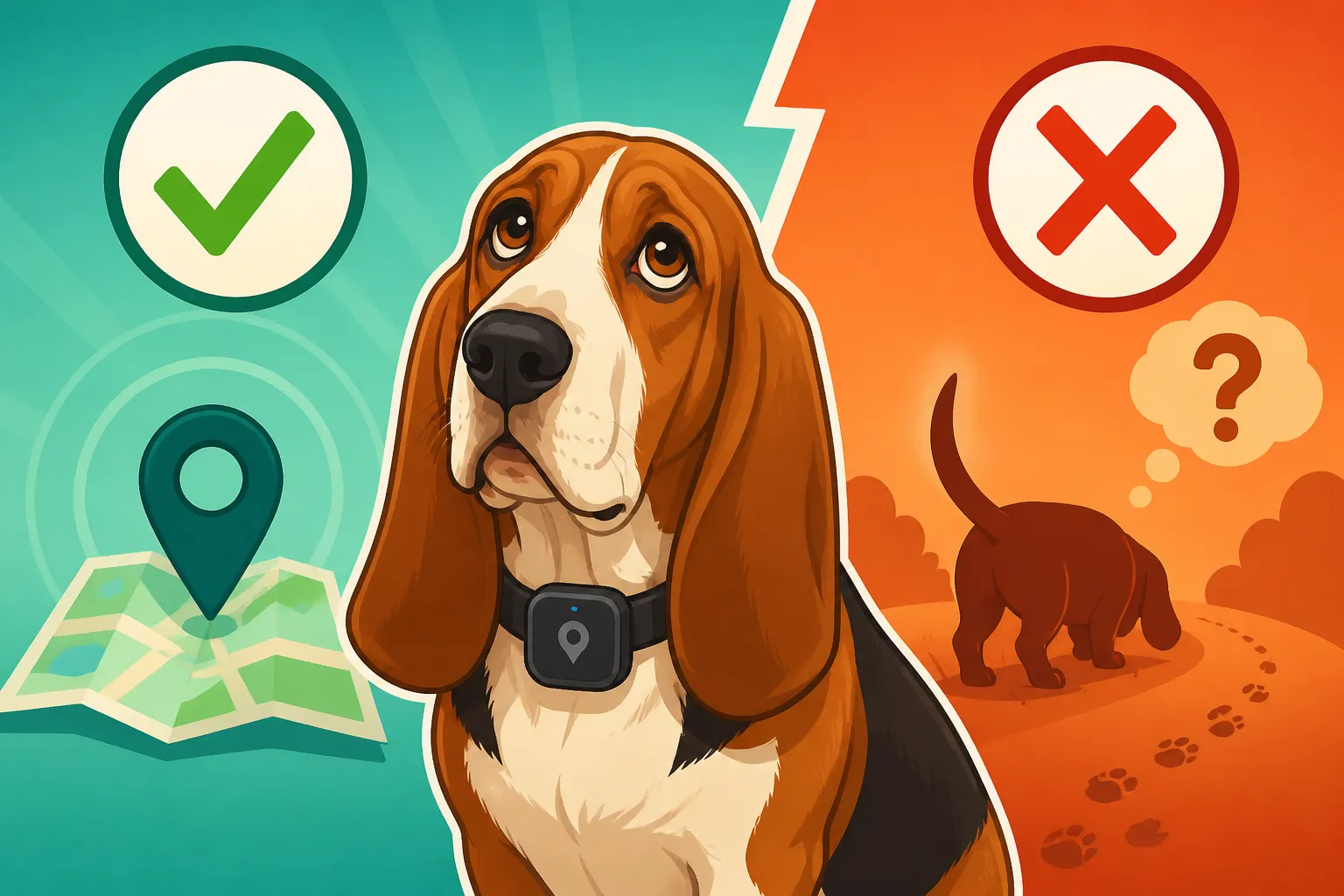
A reliable GPS tracker offers an incredible amount of peace of mind. Instead of blindly searching and calling, you can pull up an app on your phone and see, often in real-time, your dog's location. This transforms a chaotic search into a targeted rescue mission. Knowing you have that tool can alleviate a huge amount of anxiety, not just when they are lost, but every single day, just in case. It's an investment in reassurance, allowing you to breathe a little easier knowing you have a powerful tool on your side. Think about that quiet moment of panic when you open the back door and your Basset isn't sunbathing where you left them. A quick glance at your phone, and you might see them happily investigating a new molehill at the far end of the yard, safe and sound. Whether a Basset Hound Wanders if the Gate Opens is a constant concern, and a tracker directly addresses it.
Practical Benefits in Daily Life
Beyond the emergency "lost dog" scenario, a tracker can offer practical benefits in your everyday life with a Basset Hound. Even if your Basset is always on a leash, or strictly confined to a securely fenced yard, a tracker provides an additional layer of information and safety. For instance, when you're out on a walk, a tracker can give you data on their activity levels, ensuring they're getting enough exercise (or, conversely, not overdoing it, given their predisposition to back and joint issues).
For those times when they are in a supposedly secure area, like a friend's yard or a designated off-leash park (if you're brave enough to trust their recall, which many Basset owners aren't for good reason!), the tracker acts as a digital fence. You can set up virtual boundaries and receive alerts if your Basset crosses them, giving you a head start on retrieval. This is especially helpful if you're assessing whether Whether a Basset Hound Is Safe in an Unfenced Yard could ever be an option (spoiler: usually not without a very robust tracking system!).
Many trackers also come with additional features, like activity monitoring, which can help you keep tabs on your Basset's overall health and well-being. Finding the perfect blend of features might mean browsing various options, and many owners find a good selection of trackers and related accessories on platforms like Amazon.
Choosing the Right Tracker for Your Long-Eared Friend
With several types of trackers on the market, it’s important to understand the differences and which features will best serve your Basset Hound’s unique needs and characteristics. Not all trackers are created equal, especially when dealing with a scent hound determined to explore.
GPS vs. Bluetooth: Understanding the Differences
When you're looking at dog trackers, you'll generally encounter two main technologies: Bluetooth and GPS. Each has its strengths and weaknesses, especially concerning the range and accuracy needed for a Basset Hound.
-
Bluetooth Trackers: These devices work by creating a short-range connection with your smartphone. They’re excellent for finding items lost around the house or within a very limited area, perhaps up to 100-200 feet in ideal conditions. However, for a Basset Hound who has decided to follow an enticing scent trail, their range is simply not enough. Once your Basset wanders beyond that small radius, the Bluetooth connection is lost, rendering the tracker useless for locating them. While they might be cheaper, they are rarely sufficient for the adventurous nature of a Basset Hound. They can offer a modicum of relief if your Basset is hiding under a bush in your own yard, but for a true escape, they fall short.
-
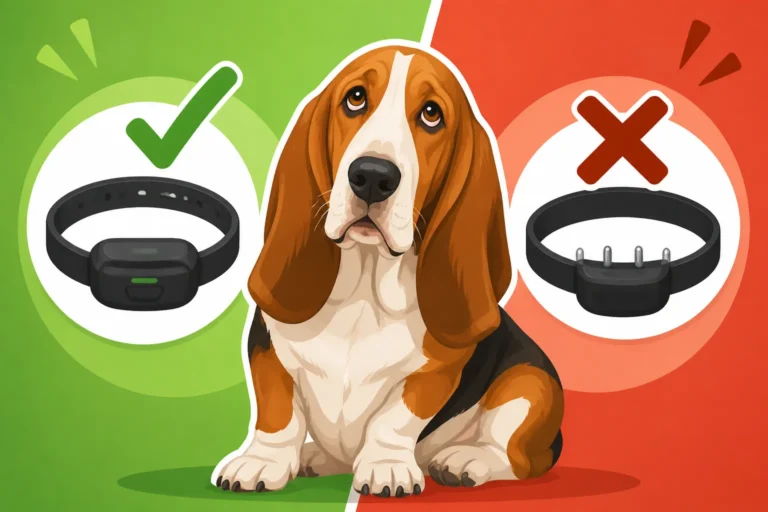
GPS Trackers: This is where the real power lies for Basset Hound owners. GPS trackers use satellite technology to pinpoint your dog's location, sending that data to your phone via cellular networks. This means they have virtually unlimited range, as long as there's cellular coverage in the area. If your Basset decides to follow a rabbit for a mile or two, a GPS tracker will allow you to see their journey in real-time, helping you track them down swiftly. Many GPS trackers offer features like live tracking (refreshing the location every few seconds) and geofencing (creating virtual boundaries). The main considerations for GPS trackers are often battery life, the need for a subscription service (since they use cellular data), and sometimes the initial cost. However, for a breed with such strong wandering instincts, a GPS tracker is almost always the recommended choice. It's often debated Whether a Basset Hound Needs a Tracking Collar, and for peace of mind, many owners say yes.
Features That Matter for a Basset Hound
Selecting the perfect tracker for your Basset isn't just about GPS; it's about finding one that can withstand their lifestyle and provide accurate, reliable information.
- Battery Life and Charging: A tracker is only as good as its battery. Look for devices with extended battery life that can last for several days on a single charge, especially if your Basset is prone to longer excursions. Easy and quick charging is also a plus, so you can rapidly re-charge if needed.
- Durability and Weatherproofing: Basset Hounds are low-riders, which means they are constantly dragging their ears, dewlaps, and bellies through grass, mud, puddles, and whatever else the ground has to offer. Their tracker needs to be tough, mud-proof, and waterproof or highly water-resistant. A tracker that can't handle a romp through a wet field or a dip in a muddy ditch is essentially useless.
- Fit and Comfort: Basset Hounds have unique necks, often with a prominent dewlap (the loose skin around their throat). The tracker needs to be lightweight and attach securely to their collar or harness without chafing, causing discomfort, or getting caught. Make sure it doesn't interfere with their movement or rub against their sensitive skin folds. While you might consider Whether a Basset Hound Should Wear a Collar or Harness for walks, the tracker itself usually clips onto either.
- Subscription Models: Most GPS trackers require a monthly or yearly subscription to cover the cellular data costs. Factor this into your overall budget, as it's an ongoing expense. Comparing different plans and coverage areas can help you make an informed decision.
- App Features: A user-friendly app is crucial. Look for clear mapping, accurate location updates, customizable alerts (like geofence breaches), and perhaps even activity monitoring if that's a feature you'd value. Some comprehensive pet care resources, like those offered by BAXTER & Bella, often highlight the importance of integrating technology like trackers into a holistic approach to pet safety and training. While a tracker won't train your Basset to come back, it's a vital part of a complete safety plan.
| Feature | Bluetooth Trackers | GPS Trackers |
|---|---|---|
| Range | Short (up to 200 ft) | Unlimited (where cellular coverage exists) |
| Accuracy | Dependent on proximity to phone | High (satellite-based) |
| Battery Life | Often long, as it uses less power | Varies, often 2-7 days, requires regular charging |
| Subscription | Generally not required | Usually requires a monthly/yearly subscription |
| Cost | Lower initial cost | Higher initial cost, plus subscription fees |
| Best Use for BH | Finding dog inside or very near home | Locating a lost dog over long distances and varied terrain |
| Durability | Varies, many are not specifically rugged | Often designed for outdoor use, more durable/waterproof |
Implementing a Tracker and Backup Plans
Getting a tracker is a fantastic step, but it's just one part of a comprehensive safety strategy for your Basset Hound. Integrating it smoothly into your routine and having robust backup plans are essential for maximum security and peace of mind.
Integrating the Tracker into Routine
Making the tracker a seamless part of your daily routine is key to its effectiveness. It's not a "just in case" device that sits in a drawer until disaster strikes; it's an everyday tool. Every time you put on your Basset's collar or harness for a walk, playtime in the yard, or even just letting them out for a potty break, the tracker should go on too. This ensures it's always there when you need it most.
Develop a habit of checking the tracker's battery level regularly, perhaps every evening or morning, and charge it as needed. Familiarize yourself with the companion app: know how to quickly check your dog's location, set up geofences, and understand the different alert types. The more comfortable you are with the technology, the faster you can react if your Basset decides to embark on an unplanned adventure. It's a small routine adjustment that can make a huge difference, adding to the many things a Basset Hound needs every day.
Beyond the Tracker: Layers of Safety
While a tracker is an incredible asset, it shouldn't be your only line of defense. Think of it as one crucial layer in a multi-faceted approach to keeping your Basset Hound safe.
- Microchipping: This is fundamental. A microchip is a permanent form of identification implanted under your dog's skin. If your Basset is found without their collar or tracker, any vet or shelter can scan them to retrieve your contact information. Make absolutely certain your microchip registration is up-to-date with your current phone number and address.
- Visible ID Tags: A sturdy collar with clear, readable ID tags is still essential. These should include your dog's name and your phone number. Some owners even include a "needs medication" or "reward for return" message. These are often the first things a finder will see, potentially leading to an immediate call rather than a trip to a vet.
- Secure Fencing and Gate Discipline: No amount of technology can replace a physically secure environment. Regularly inspect your yard for weak spots, loose boards, or areas where your Basset could dig under (they are surprisingly good diggers!). Ensure all gates latch securely and that everyone in your household understands the importance of closing them properly. For a Basset, How High a Fence a Basset Hound Needs might be less about height and more about preventing subterranean escapes.
- Training and Recall (even imperfect): While a Basset Hound's recall on a scent is notoriously unreliable, continued training is still important. Even a 50% chance of them stopping when called could make all the difference in a dangerous situation. Positive reinforcement training, perhaps with a high-value treat, can strengthen their connection to you. Techniques often discussed in resources like Whether a Whistle Works on a Basset Hound could be another tool in your training arsenal. Remember, training and a tracker work together, one doesn't replace the other. In the unfortunate event that Whether a Lost Basset Hound Comes Home is a question you're facing, multiple layers of safety give you the best chance.
Disclaimer
This article is for general informational purposes only and does not constitute professional advice. Laws, prices and regulations vary by location and change over time. Consult a qualified professional for guidance on your specific situation.