Whether a Basset Hound Suits Shared Walls
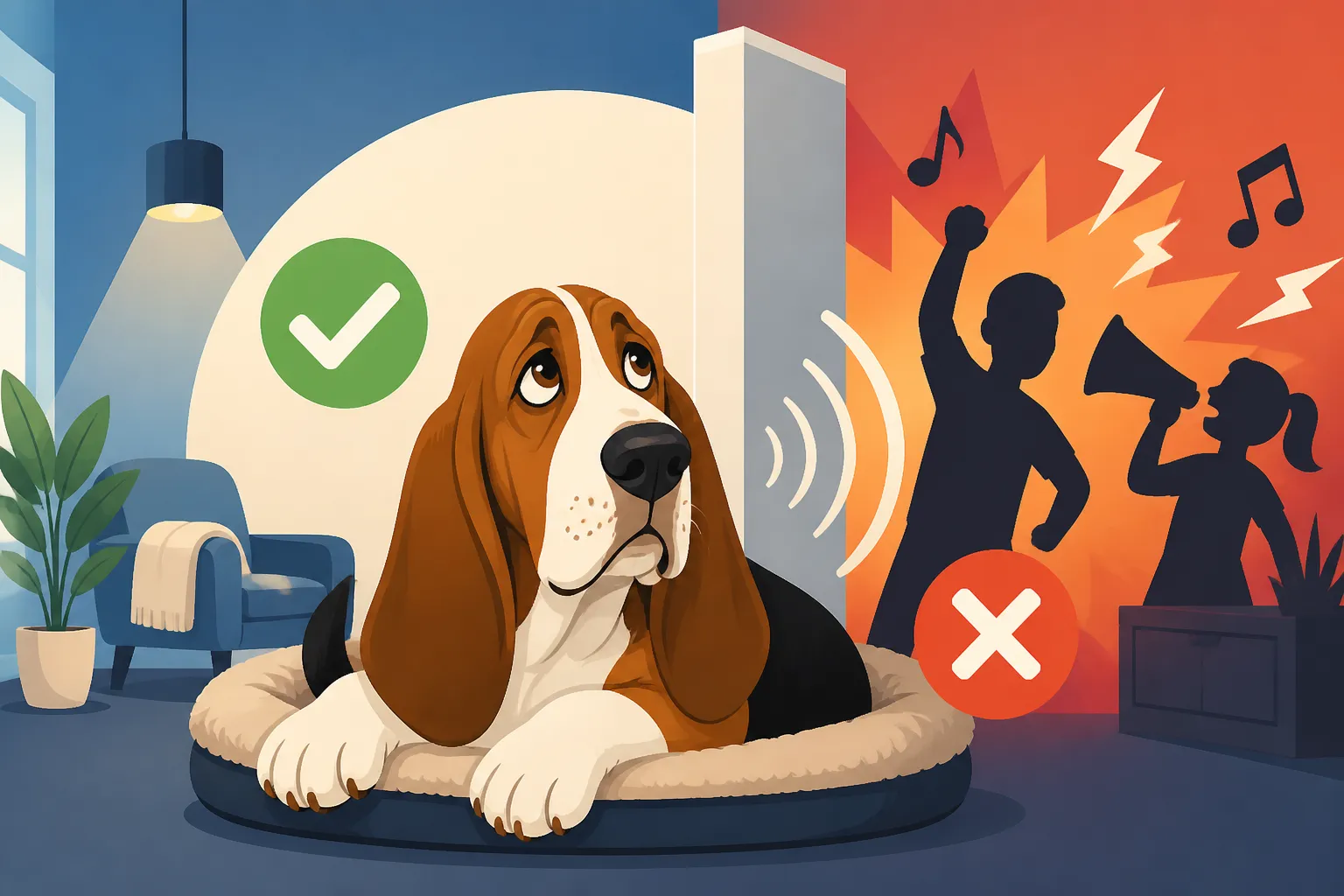
Bringing a Basset Hound into an apartment or a home with shared walls can be a huge worry for prospective owners. The concern isn't just about their legendary scenting abilities, but their equally renowned vocal prowess. This guide aims to tackle that big, booming question head-on, offering a realistic look at Basset Hound vocalizations and practical strategies for coexisting peacefully with neighbors in shared living spaces.
Understanding the Basset Hound's Voice
Let's be real: Basset Hounds are not known for their quiet demeanor. They were bred for a specific purpose, and that purpose involved using their voices to communicate over long distances. Their deep, resonant vocalizations are part of their charm for many, but they can be a significant challenge when you have close neighbors. It's not just a yappy bark; it's a sound that carries, a mournful, soulful expression that can pierce through walls and patience alike.
The Infamous Basset Bay
The Basset Hound's bay is truly unique, a deep, prolonged, almost operatic sound that can send shivers down your spine – or your neighbor's. It's not a short "woof," but a sustained call designed to alert hunters to the location of prey, echoing through forests and fields. In a shared wall environment, that translates to a sound that can easily penetrate thin walls and open windows, particularly in the quiet hours. Many owners have been surprised by just how loud a Basset Hound is.
Think about it from their historical context: these dogs were meant to be heard. They didn't have to worry about upsetting the next-door neighbor in the woods. Their bay often comes from instinct; when they pick up an interesting scent, hear another dog far off, or even just feel lonely, that primal urge to "sing" can kick in. This isn't usually an aggressive sound, but rather an expressive one, a canine communication that says, "Hey, I'm here! I found something! Or I'm bored!" For a neighbor trying to enjoy a quiet evening, it can feel less like a song and more like a never-ending alarm. Managing this instinctual behavior requires understanding and patience, as it's deeply ingrained.
Other Vocalizations: Barks, Howls, and Whines
While the bay is their signature, Basset Hounds also employ a range of other vocalizations that can contribute to noise complaints in shared wall settings. Their barks tend to be deeper and more substantial than many smaller breeds, often triggered by doorbells, unfamiliar noises, or someone approaching the door. It's a "someone's here!" bark, loud and clear, and if your Basset decides every passing squirrel or leaf is a major intruder, you'll hear about it, and so will everyone else on your floor.
Howls are another facet of their vocal repertoire, a prolonged, mournful sound often associated with separation anxiety or loneliness. If your Basset Hound is left alone for extended periods and feels distressed, a howl can be a common expression of that anxiety. It's less about alerting to a scent and more about expressing unhappiness or calling for their "pack." This can be particularly disruptive because it often occurs when owners are away, making it difficult to address directly. Whines, while generally softer, can escalate into persistent complaints if ignored, especially when a Basset is demanding attention, food, or a potty break. These myriad sounds, when combined, paint a picture of a breed that is far from silent, making careful consideration of your living situation absolutely paramount.
Living in Shared Wall Environments
Considering a Basset Hound when you live with shared walls isn't an automatic "no," but it requires a very honest self-assessment of your specific circumstances and a strong commitment to proactive management. It's about weighing the potential for noise against the realities of your building, your neighbors, and your own dedication to training and care. Many people underestimate the sheer volume and persistence a Basset Hound can bring to the sonic landscape of an apartment building, leading to stress for both the owner and the dog.
Assessing Your Living Situation
First and foremost, you need to be realistic about your actual living space. Are you in a modern apartment building with excellent soundproofing, or an older complex where you can hear your neighbor sneeze? The quality of construction makes a world of difference. Thick concrete walls will handle a Basset's bay far better than drywall. Also, consider your specific unit's location. Is it a corner unit with only one shared wall, or are you sandwiched between two other units? The more shared walls, the higher the potential for disturbance.
Beyond the physical structure, think about your neighbors. Are they other dog owners who understand the occasional bark, or are they quiet retirees who cherish silence? A frank conversation with them before you bring home a Basset Hound can save a lot of heartache later. If your building has a strict no-noise policy or a history of complaints, a Basset Hound might not be the best fit. Some apartment complexes even have breed or weight restrictions, and a Basset Hound's often surprising How Heavy a Basset Hound Really Is can push them over the limit. Understanding these factors will help you make an informed decision and prepare for the unique challenges of apartment living with a vocal breed.
Proactive Management Strategies
If you're determined to make it work, proactive management is key. This isn't a "hope for the best" situation; it's a "plan for the worst and work towards the best" approach. One of the most critical steps is investing in soundproofing solutions. While you might not be able to rebuild your walls, strategic placement of heavy curtains, rugs, tapestries, and even bookshelves filled with books can help absorb sound within your unit. Consider acoustic panels, which are specifically designed to reduce sound transmission, especially in rooms where your Basset spends a lot of time. Products available on platforms like Amazon offer various levels of sound absorption, from decorative panels to more industrial solutions.
Establishing a consistent daily routine is also paramount. predictability can reduce anxiety, which is a common trigger for howling or excessive barking. Regular potty breaks, scheduled feeding times, and consistent exercise will help your Basset feel secure and less likely to vocalize out of boredom or stress. Equally important is managing external triggers: if your Basset barks at every passerby outside the window, limit their access to that view during peak hours or use frosted film on the lower panes. If the doorbell sets them off, work on desensitization training. The goal is to minimize the opportunity for excessive vocalization through a combination of environmental adjustments and behavior modification.
Training and Enrichment to Minimize Noise
Living harmoniously with a Basset Hound in a shared-wall environment heavily relies on dedicated training and providing ample mental and physical enrichment. These hounds are intelligent, but their strong instincts can often override learned behaviors if not consistently reinforced. The key is to tap into their drive and give them appropriate outlets for their energy and powerful noses, rather than letting boredom or anxiety translate into incessant noise.
Early Intervention and Consistency
Starting early with training is absolutely crucial, ideally the moment you bring your Basset Hound puppy home. Positive reinforcement methods work wonders with this breed, which can sometimes be perceived as stubborn when they're actually just highly motivated by scent and food. Teaching a "quiet" cue is non-negotiable. Begin by associating silence with a treat: when your puppy barks, wait for a momentary pause, then say "quiet" and reward them. Slowly increase the duration of silence required before the treat. This takes consistency and patience, as Bassets aren't always quick to abandon a good bark.
Crate training can also be an invaluable tool. A crate provides a safe, den-like space where your Basset can feel secure when you're not home, potentially reducing separation-related vocalizations. Introduce the crate positively, making it a comfortable haven, not a punishment. Many online puppy training programs, such as those offered by BAXTER & Bella, emphasize consistent routines and positive reinforcement from day one, which are essential for shaping a well-behaved Basset that understands house rules, including quiet times. Remember, every family member needs to be on board with the training protocols to ensure consistency and reinforce desired behaviors.
Mental Stimulation and Exercise
A tired Basset Hound is often a quiet Basset Hound, but "tired" doesn't just mean physical exhaustion. Their incredible noses mean they need a lot of mental stimulation. Ignoring this crucial aspect is a common mistake that leads to bored, noisy dogs. Daily sniff walks, where you let your Basset truly follow its nose at its own pace, are far more enriching than a brisk jog around the block. These walks allow them to engage their primary sense, fulfilling a fundamental breed need. You might find that Whether a Basset Hound Can Do Tracking Trials or Whether a Basset Hound Takes to Scent Work are fantastic ways to channel their natural abilities into constructive activities, making them less likely to bay out of sheer under-stimulation.
In addition to outdoor adventures, incorporate indoor mental games. Puzzle toys, especially those that dispense treats or require problem-solving, can keep their minds engaged. You can find a vast array of these on Amazon, from snuffle mats to more complex interactive feeders. Hiding treats around the house for them to "hunt" is another excellent activity that leverages their scenting ability. Even short, frequent training sessions working on basic obedience can provide mental exercise. A Basset that has had its mind engaged is generally more content to relax quietly, rather than resorting to vocal protests because its intelligent brain and powerful nose have nothing else to do.
Addressing Separation Anxiety
If your Basset Hound's vocalizations are primarily when you leave the house, you might be dealing with separation anxiety. This isn't just "being naughty"; it's a genuine panic response that needs a different approach than simple obedience training. Signs often include destructive chewing, inappropriate urination or defecation, and persistent howling or barking as soon as you depart. Ignoring it or punishing the dog will only make the anxiety worse.
Start with very short absences, literally just seconds, rewarding calmness upon your return. Gradually increase the time you're away, always making departures and arrivals low-key affairs. Avoid dramatic goodbyes or excited greetings, as these can heighten anxiety. Provide engaging enrichment before you leave, like a KONG stuffed with frozen peanut butter, to keep them occupied and associate your departure with a positive, distracting activity. For more severe cases, consulting a professional dog trainer or a veterinary behaviorist is highly recommended. They can provide tailored strategies, and sometimes, medication might be necessary to help your Basset cope. Remember, alleviating their anxiety is not just about your neighbors; it's about your dog's well-being. Understanding Whether a Basset Hound Howls When Left is crucial for addressing this behavior effectively.
Practical Considerations and Long-Term Success
Ultimately, having a Basset Hound in a home with shared walls is a lifestyle choice that demands commitment. It's about being prepared for the breed's natural tendencies and actively working to mitigate their impact on your living situation and your relationships with those around you. Long-term success isn't just about training your dog; it's about managing expectations and fostering community.
Building a Good Relationship with Neighbors
One of the most powerful tools in your arsenal for shared-wall living is a good relationship with your neighbors. Be proactive and transparent from the beginning. Before bringing your Basset Hound home, or shortly after, have an honest conversation with your immediate neighbors. Explain that you're aware Bassets can be vocal and that you're committed to training and managing any noise. Provide them with your phone number and encourage them to text you if your dog is being particularly disruptive. This open line of communication can prevent small annoyances from escalating into formal complaints.
Sometimes, a genuine apology and a thoughtful gesture (like a small gift or offering to help with something) can go a long way in defusing tension. Invite them to meet your Basset Hound when it's calm and well-behaved, allowing them to see the sweet, gentle side of the breed. This personal connection can build goodwill and understanding, making them more tolerant of the occasional bay or bark. It shows you're a responsible owner who cares about their peace and quiet, which is invaluable in any shared living situation.
When All Else Fails
Despite your best efforts, sometimes the reality of a Basset Hound's vocal nature and the specifics of a shared living environment just don't align. If you've diligently applied consistent training, sought professional help, provided ample enrichment, and still face persistent complaints or your dog is clearly distressed, it might be time for an honest reevaluation. It’s a heartbreaking decision, but sometimes rehoming a Basset Hound to a home with a large, securely fenced yard and fewer noise constraints is the kindest option for everyone involved, especially the dog. Many Basset Hounds Reach Rescue in Middle Age for various reasons, and sometimes noise issues are among them.
Before reaching that point, consider exploring every avenue. Perhaps a dog walker could provide more midday exercise and mental stimulation. Maybe a doggy daycare a few days a week could break up the monotony and tire them out. Some owners find success with specialized calming aids or even consulting with a veterinary behaviorist who might prescribe medication for severe anxiety. But if the situation consistently creates stress for you, your dog, or your neighbors, prioritizing the well-being of all parties is essential. The Basset Hound is a wonderful breed, but they thrive in an environment where their unique characteristics are understood and accommodated, and sometimes, that just isn't a shared-wall apartment.
Here's a quick look at the pros and cons of having a Basset Hound in a shared wall home:
| Aspect | Pros | Cons |
|---|---|---|
| Temperament | Generally mellow and affectionate indoors | Can be prone to boredom and separation anxiety, leading to vocalization |
| Exercise Needs | Moderate, can be met with consistent walks and sniff-games | Can be stubborn on walks, may stop moving, requiring patience |
| Vocalizations | Distinctive bay can be charming for owners | Bay carries far; frequent barking, howling, whining common |
| Size & Space | Low to the ground, can navigate smaller spaces | Surprisingly heavy, takes up more floor space than expected |
| Trainability | Intelligent and food-motivated | Can be perceived as stubborn; strong scent drive can override commands |
| Neighbor Relations | Sweet demeanor can charm neighbors when introduced | High potential for noise complaints, requiring proactive communication |
Disclaimer
This article is for general informational purposes only and does not constitute professional advice. Laws, prices and regulations vary by location and change over time. Consult a qualified professional for guidance on your specific situation.