Whether a Basset Hound Sits on Command
It’s a common frustration for Basset Hound owners, isn't it? You see other dogs, often smaller and seemingly less "stubborn," popping into a perfect sit on cue, and you wonder why your deep-chested, long-eared companion acts like the command is in a foreign language. This guide is here to shed some light on why teaching a Basset Hound to sit can feel like an uphill battle and, more importantly, how you can set both of you up for success with patience, understanding, and the right approach.
The Basset Hound's Unique Approach to "Sit"
Let's be real, Basset Hounds aren't exactly known for their lightning-fast obedience or eager-to-please attitudes in the same way some other breeds are. They march to the beat of their own drum, or more accurately, the scent of their own nose. Understanding this fundamental aspect of their personality is the first step toward effective training.
Understanding the Basset Hound Mindset
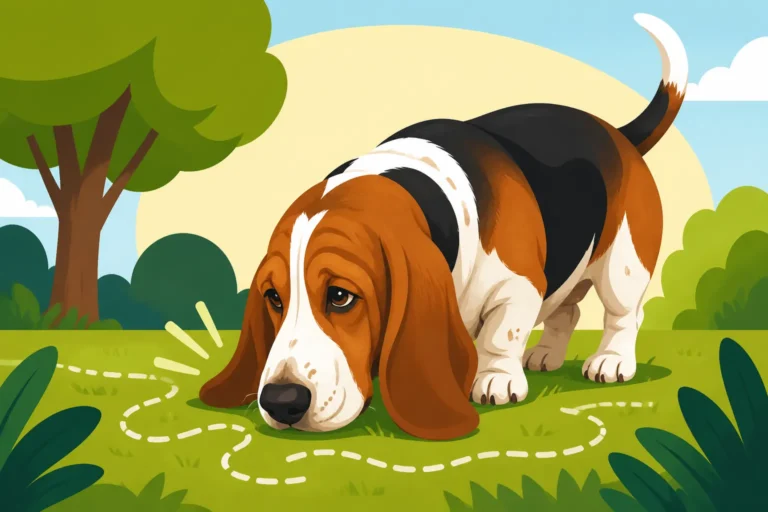
A Basset Hound’s world is dominated by scent. Their incredible noses are designed to track, and once they latch onto a trail, the rest of the world, including your voice, can become a distant echo. When you ask a Basset to "sit," especially when there's an interesting smell nearby, you're essentially asking them to override their most powerful instinct. It's not that they're unintelligent; far from it. It's simply that their priorities are often different from what we, as humans, expect from a canine companion. They're bred for endurance and independent thought, not for quick, flashy tricks in a ring. They want to work with you, but only if what you're asking aligns with what they find interesting or rewarding. This independent streak is part of their charm, but it certainly presents a unique challenge in basic obedience training.
The Expectation Versus Reality
Many new Basset owners come into the experience with expectations shaped by other breeds or perhaps by media portrayals of perfectly obedient dogs. The reality with a Basset Hound is often quite different. You might find your Basset gives you a look that clearly says, "Why? What's in it for me?" before grudgingly lowering their backside, if at all. This isn't out of spite; it's just their nature. They aren't trying to be difficult; they're just being Basset Hounds. The frustration that can build up when your dog seems to ignore a simple command like "sit" is entirely valid, but it’s crucial to remember that your Basset isn't failing you; you just need to adjust your training strategy to better suit their unique personality. Forget the idea of a dog that lives to obey your every whim. Instead, embrace the challenge of finding what truly motivates your Basset, and you'll build a much stronger, more understanding relationship.
Effective Strategies for Teaching "Sit" to a Basset Hound
So, how do you get that deep-chested, low-slung body to gracefully (or not-so-gracefully) drop into a sit? It comes down to tapping into their drives and making "sit" the most appealing option in any given moment.
Lure and Reward: The Golden Rule
For a Basset Hound, training success often hinges on a technique called "lure and reward." This means you use something irresistible, like a really tasty treat, to guide them into the desired position. Start in a quiet area, free from distractions. Hold a high-value treat close to your Basset's nose, then slowly move it backward over their head, just past their eyes, toward their tail. As their nose follows the treat, their rear end should naturally lower into a sit. The instant their bottom touches the ground, mark the behavior with a verbal cue like "Yes!" or a clicker, and then immediately give them the treat.
Repeat this many times. Once they consistently sit when lured, start adding your verbal cue, "Sit," just as you begin the luring motion. Eventually, you'll be able to fade the lure, simply presenting your hand in the luring motion (which becomes your hand signal) and saying "Sit." Consistency is paramount here. Everyone in the household needs to use the same cue and method to avoid confusing your Basset. This method works because it leverages their natural food motivation and makes "sit" a positive, rewarding experience every single time. What Actually Motivates a Basset Hound delves deeper into understanding their drives.
Short, Sweet, and Frequent Sessions
Basset Hounds are not known for their lengthy attention spans, especially when it comes to repetitive tasks. Trying to make your Basset sit for ten minutes straight, over and over, is a recipe for boredom and refusal. Instead, think "short and sweet." Aim for training sessions that last no more than 2-3 minutes, but do them frequently throughout the day. A few quick sessions spread out, perhaps before meals, before going out for a potty break, or during a commercial break, will be far more effective than one long, tedious session.
This approach keeps your Basset engaged and prevents them from getting "burnt out" on training. It also helps them generalize the command, learning that "sit" applies in various situations and not just in one specific training spot. Think about integrating it naturally. Ask for a sit before putting down their food bowl, before opening the door for a walk, or before getting some much-deserved ear scratches. These brief, positive interactions reinforce the command without turning it into a chore.
Making "Sit" Worth Their While
We've touched on high-value treats, but let's really emphasize this point: for a Basset Hound, the reward has to be truly motivating. A dry, boring biscuit might cut it for some dogs, but for a Basset with their discerning palate and independent spirit, you'll need to level up. Think small pieces of cooked chicken, cheese, hot dogs, or commercially available soft, meaty training treats. The smellier, the better!
Varying your rewards can also keep things interesting. Sometimes it's a treat, sometimes it's a favorite squeaky toy (if they're toy-motivated), and sometimes it's exuberant praise and a good ear rub. Make a big deal out of their success! A genuinely happy "Good sit!" followed by a fantastic reward can work wonders. Remember, they're smart enough to weigh the effort against the reward. If sitting isn't worth it, they simply won't bother. For ideas on what truly lights up their interest, you might find some good tips in Whether a Basset Hound Works for Food Only.
Common Challenges and Troubleshooting
Even with the best strategies, you're bound to hit a few bumps in the road when training a Basset Hound. Their unique quirks can make some aspects of obedience a bit more challenging.
When Scent Overrides Obedience
This is perhaps the biggest hurdle for any Basset owner. You're out on a walk, practicing "sit" at a quiet corner, and then bam! – a particularly interesting scent hits the ground. Suddenly, you're invisible, and your Basset is glued to the pavement, sniffing away. It’s as if Why a Basset Hound Stops Hearing You When It Smells Something has become a reality. This isn't defiance; it's instinct. Their nose is their world, and a compelling scent is incredibly difficult for them to ignore.
To troubleshoot this, start by proofing the "sit" command in increasingly distracting environments. Begin in your living room, then move to the backyard, then a quiet street, and eventually to busier areas. Use a long line for safety and control when practicing outside. When a scent distraction arises, gently guide their attention back to you with a treat held to their nose, ask for the "sit," and reward heavily for compliance. The goal is to teach them that you are more rewarding than the distraction, even the most tantalizing smell. Carrying truly irresistible treats is your secret weapon here.
"Selective Hearing" and What It Means
Ah, the infamous "Basset Hound selective hearing." It's often mistaken for stubbornness or a lack of intelligence, but it's usually a combination of factors: distraction, lack of motivation, or simply not understanding why they should do it in that specific moment. Your Basset isn't trying to be rude; they might just not see the immediate benefit.
If your Basset seems to have "forgotten" the command, go back to basics. Revisit a quiet environment and use those high-value treats and clear lures. Ensure your verbal cue is consistent and that your body language isn't inadvertently sending mixed signals. Sometimes, we unconsciously slouch or gesture differently, which can confuse our hounds. It's also vital to practice the command in a variety of places and with different people. A Basset might sit perfectly for you in the kitchen, but not for your partner in the park. This is where the concept of generalization comes in – they need to understand "sit" means "sit" everywhere, no matter who is asking. Patience and repetition, without frustration, will eventually pay off.
The "Lazy" Basset Hound Conundrum
Many Basset Hounds have a reputation for being a bit on the lazy side. While they certainly enjoy a good nap, sometimes what looks like laziness or a refusal to sit could actually be discomfort. Their unique physique, with its long back and short legs, can make them prone to certain orthopedic issues. Conditions like arthritis or The Back Trouble a Basset Hound Is Built Into can make sitting down or getting up painful.
If your Basset suddenly starts resisting "sit" after having previously mastered it, or if they show signs of pain, stiffness, or hesitation when moving, it's always best to consult your veterinarian. They can rule out any underlying medical conditions that might be making the movement uncomfortable. If health issues are a factor, your vet might recommend pain management, joint supplements, or even suggest gentler ways to ask for the behavior that cause less strain. Don't push a dog who might be in pain; listen to their subtle cues and seek professional advice. Even healthy Bassets can be particular about surfaces, so consider practicing "sit" on softer ground or rugs if they seem reluctant on hard floors.
Integrating "Sit" into Everyday Life
Teaching a command is one thing; making it a reliable part of your dog's daily routine is another. For Basset Hounds, consistency and making "sit" a prerequisite for good things are key to solidifying the behavior.
Sit for Everything!
One of the most powerful ways to reinforce "sit" is to make it a default behavior for anything your Basset wants. This is often called "Say Please" training. Want dinner? Sit. Want to go outside? Sit. Want a belly rub? Sit. This approach teaches your Basset that sitting is not just a trick you ask for occasionally, but a polite way to ask for things they desire. This helps build self-control and makes the command deeply ingrained in their routine.
Every family member needs to be on board with this. If one person lets the Basset out without sitting, while another always requires it, you're creating inconsistency that a Basset Hound will quickly exploit. Using a consistent verbal cue and hand signal across all interactions strengthens their understanding. Imagine the difference: instead of leaping at the door, your Basset learns to offer a calm sit, making your life easier and their behavior more polished.
Beyond the Basic Sit: Staying and Beyond
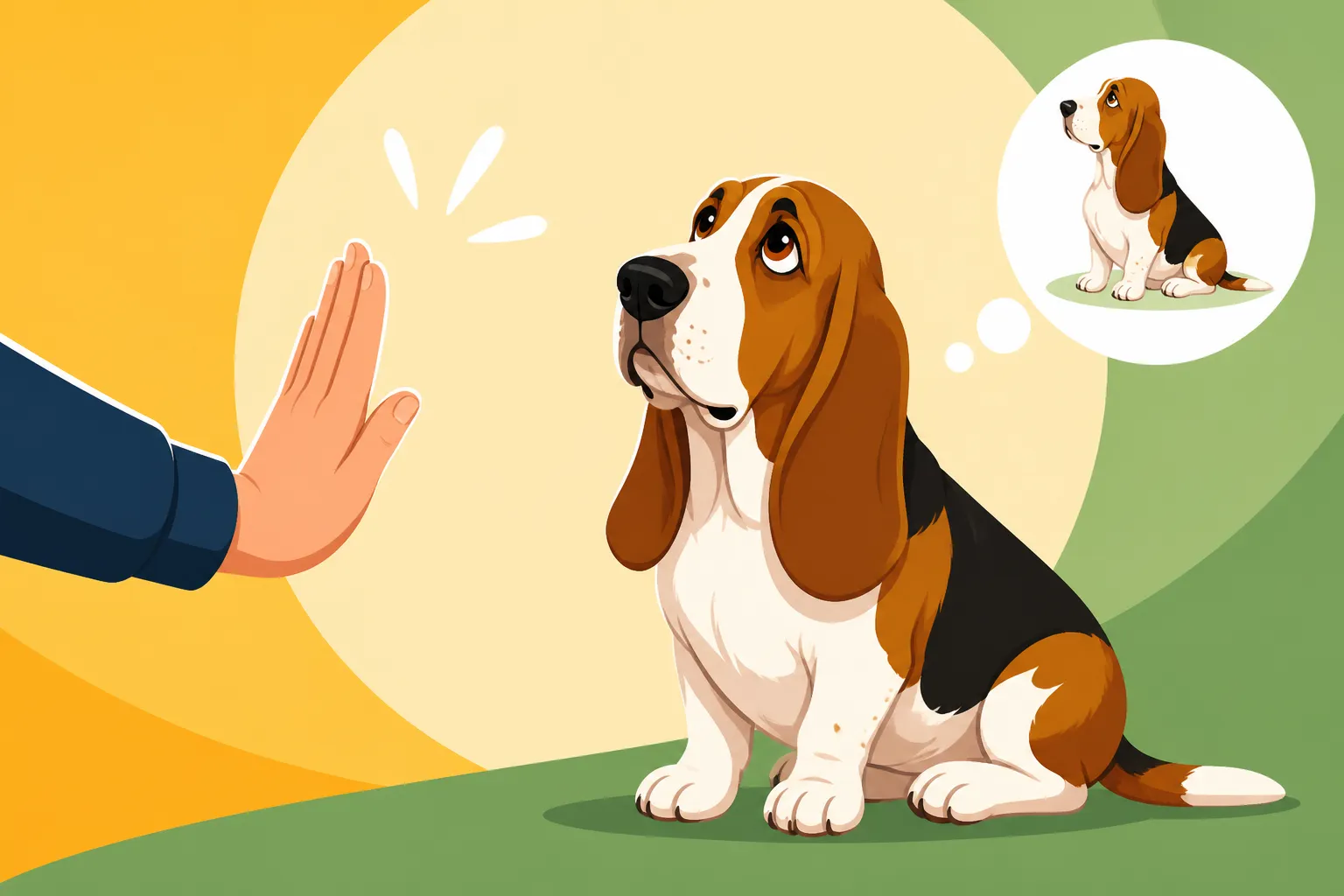
Once your Basset Hound reliably offers a "sit" on command, you can start building on it. The next logical step is to introduce a "stay." Start by asking for a "sit," rewarding them. Then, give a "stay" cue (verbal and hand signal, such as an open palm), take one small step back, and immediately return to reward them if they remained in the sit. Gradually increase the distance and duration. Remember, small increments are key with Basset Hounds.
A reliable "sit" is more than just a party trick; it's a foundational command for safety and management. A solid "sit" can prevent your Basset from dashing out the door, help them wait patiently at the vet, or even keep them safe from a sudden perceived threat like a squirrel. While a Basset's The Recall a Basset Hound Will Never Reliably Give You might be a challenge, a strong "sit" combined with a long line can still offer a good degree of control and safety, especially when you encounter distractions.
Basset Hound Training Methods: A Quick Comparison
Here's a look at methods that tend to work well with Basset Hounds versus those that often lead to frustration:
| Method Type | Approach | Effectiveness for Basset Hounds | Why it Works (or Doesn't) |
|---|---|---|---|
| Lure and Reward | Guiding with high-value treats to prompt desired behavior. | Highly Effective | Taps into their strong food drive; positive association. |
| Positive Reinforcement | Rewarding desired actions with praise, treats, toys. | Essential & Highly Effective | Builds a strong, positive relationship; Bassets thrive on good vibes and tangible rewards. |
| Short, Frequent Sessions | Training in 2-3 minute bursts multiple times a day. | Highly Effective | Matches their shorter attention span, prevents boredom and burnout. |
| "Say Please" Training | Requiring a "sit" (or other command) for all desired resources. | Very Effective | Teaches self-control and makes commands a natural part of daily life. |
| Force-Based Methods | Physically pushing into position, harsh corrections. | Ineffective & Detrimental | Bassets shut down, become resistant, or lose trust. Causes fear and anxiety. |
| Long, Repetitive Drills | Extended training sessions with many repetitions of one command. | Ineffective | Leads to boredom, disengagement, and often refusal to cooperate. |
| Verbal-Only Commands | Relying solely on spoken words without hand signals or lures. | Less Effective (especially initially) | Visual cues are often clearer; Bassets can easily tune out verbal commands if distracted. |
| Punishment-Based Training | Using aversive tools or methods to stop unwanted behavior. | Ineffective & Detrimental | Damages the bond, suppresses behavior without teaching alternatives, can cause fear/aggression. |
Remember, consistency is your best friend when it comes to any training with your Basset Hound. If you're struggling to get started, consider resources like BAXTER & Bella, an online dog training program that offers comprehensive guidance and support. They often emphasize positive reinforcement and understanding your dog's unique personality, which aligns perfectly with successful Basset Hound training. Even simple tools like a comfortable harness from Amazon can make a huge difference in managing your Basset on walks, allowing for more focused training sessions.
Ultimately, teaching a Basset Hound to sit on command is absolutely achievable. It might take a little more patience, a lot more high-value treats, and a deep understanding of their unique, scent-driven world, but the bond you'll build through positive, consistent training is priceless. Don't give up – celebrate the small victories, and you'll find your Basset is capable of more than you might initially believe!
Disclaimer
This article is for general informational purposes only and does not constitute professional advice. Laws, prices and regulations vary by location and change over time. Consult a qualified professional for guidance on your specific situation.