Whether a Basset Hound Guards a Bone
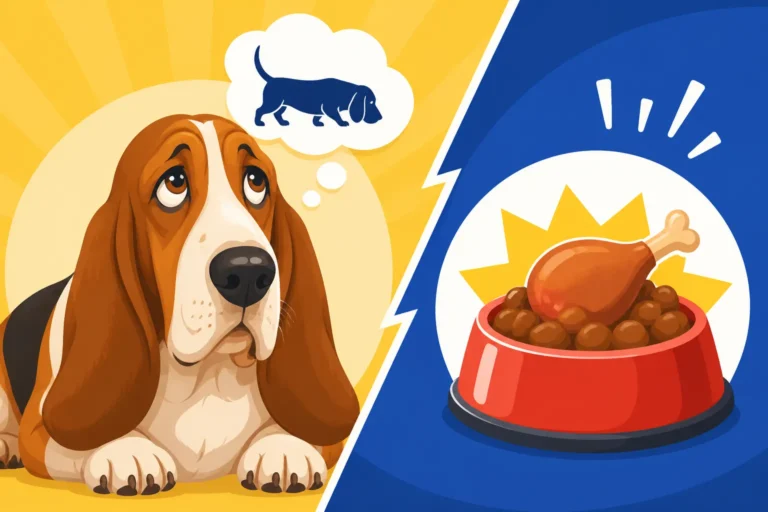
It can be incredibly disheartening, and frankly, a little scary, when your sweet, goofy Basset Hound suddenly turns stiff and gives you a low growl over a prized bone or a stolen sock. Many of us have been there, wondering if our beloved, laid-back hound is secretly a snarling beast underneath, or if we've somehow done something wrong. This guide aims to demystify resource guarding in Basset Hounds, helping you understand why it happens and, most importantly, how to manage or prevent it so you and your floppy-eared companion can live together peacefully and safely.
What is Resource Guarding and Why Do Basset Hounds Do It?
Resource guarding is a natural, instinctive behavior where an animal protects items it values – be it food, toys, sleeping spots, or even people – from perceived threats. It's not a sign of a "bad" dog, but rather a deeply ingrained survival mechanism. Think about it: in the wild, holding onto resources means survival, and dogs, even our pampered Bassets, retain some of those ancient instincts.
The Instinct Behind the Growl
At its core, resource guarding is about perceived scarcity and self-preservation. Your Basset Hound isn't being malicious; it's simply communicating that it feels its possession is at risk. This instinct is often more pronounced in certain individuals or breeds, and while Basset Hounds are generally known for their sweet and tolerant nature, they are still dogs with primal drives. Their impressive sense of smell, which makes them such incredible trackers, can also make certain items, especially high-value food items like bones, incredibly appealing and thus, worth guarding.
It's not just about guarding from other dogs, either. While a Basset might guard its dinner from another canine companion, it can just as easily guard it from you, a child, or even the vacuum cleaner. The "threat" is simply anything approaching what the dog considers its property. Understanding that this is a natural behavior, rather than a personal affront, is the first step in addressing it calmly and effectively.
Common Items a Basset Hound Might Guard
While the classic scenario involves a bone, Basset Hounds can decide almost anything is a valuable resource. It could be their food bowl, especially if they've ever felt competition for food or experienced hunger. Some Bassets will guard specific toys, particularly if they are high-value chew toys. Others might guard their bed, a prime napping spot on the sofa, or even a stolen item like a tissue or a sock. We've all seen that sudden dash and gulp when a Basset makes off with something they shouldn't have, and if you then try to retrieve it, that's when guarding behaviors can emerge.
It’s crucial to recognize that the value of an item is entirely subjective to the dog. What we see as trash, they might see as treasure. A crumpled piece of paper might be as important to them as the most expensive chew toy you bought on Amazon. The key is to pay attention to what they guard and when, to help you understand the triggers.
Recognizing the Signs of Resource Guarding in Your Basset Hound
Before an actual bite occurs, dogs almost always give a series of signals indicating their discomfort and their intent to protect their resources. Learning to read these signals, from the subtle to the overt, is absolutely vital for preventing escalation and ensuring everyone's safety.
Subtle Cues and Early Warnings
Resource guarding often starts with subtle, almost imperceptible cues. Your Basset might freeze, their body language becoming stiff when you approach an item they're guarding. You might notice them hunching over the item, attempting to cover it with their body, or quickly gobbling it down as you get closer. Their eyes might dart towards you, or they might give a quick "hard stare" before looking back at their treasure. You might also see them stiffen their lips or give a very soft, almost inaudible growl deep in their chest.
These subtle signs are your dog’s way of saying, "Please back off; I'm not comfortable." Unfortunately, humans often miss these early warnings, either because we don't know what to look for, or we interpret them as stubbornness rather than fear or anxiety. Ignoring these cues can lead the dog to escalate their warnings because their subtle messages aren't being understood. The Signs a Basset Hound Is Getting Old might involve changes in temperament, but resource guarding is typically an earlier developing behavior.
Escalation and Overt Behaviors
If the subtle warnings are ignored, a Basset Hound will likely escalate its communication. This can manifest as a more pronounced growl, baring teeth, a snarl, or snapping the air (a "warning snap") without making contact. In more severe cases, or if the dog feels cornered and truly threatened, they might make contact with a bite. It's a progression, and each step is a warning sign that the dog feels increasingly compelled to defend its possession.
It's important to understand that a dog that guards resources isn't trying to be "dominant" or "mean." They are trying to create distance and reduce perceived threats. When a Basset Hound barks or growls fiercely over a bone, they're not trying to challenge your authority; they're genuinely feeling insecure about losing something they value. Intervening safely requires understanding this underlying anxiety. This is especially important when you consider A Basset Hound in a House With Children, where understanding these signals is paramount for safety.
Preventing Resource Guarding from Taking Root
The best approach to resource guarding is prevention, especially if you have a new puppy or a young Basset Hound. Establishing clear boundaries and positive associations from the start can make a world of difference.
Early Socialization and Positive Associations
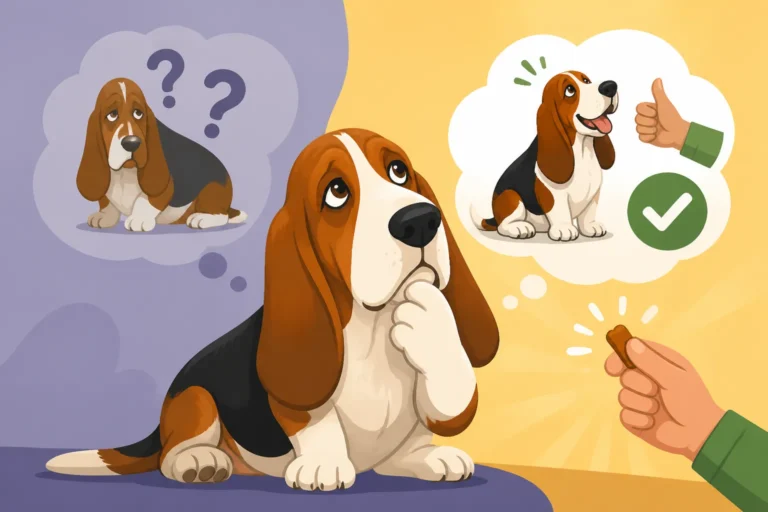
From the moment you bring your Basset Hound puppy home, focus on creating positive associations around food and possessions. Feed them in a quiet, safe place where they won't feel threatened. As they eat, occasionally walk by and gently drop an even higher-value treat near their bowl, then walk away. This teaches them that your approach means good things happen, not that their food will be taken away. This counter-conditioning builds trust. The First Year With a Basset Hound Puppy is a critical time for building these foundations.
You can do the same with toys. If your Basset puppy has a favorite toy, approach, offer an even better treat, and then gently take the toy, immediately returning it. Or, offer to trade the toy for a different, equally exciting toy. Never just snatch items away, as this reinforces the idea that you are a threat to their possessions. This positive exchange method, often called "trade-up," is incredibly effective. Companies like BAXTER & Bella, known for their online puppy training programs, often incorporate these positive reinforcement techniques into their modules, which can be a fantastic resource for new owners.
Teaching "Leave It" and "Drop It"
These two commands are invaluable for preventing and managing resource guarding. "Leave It" teaches your Basset to ignore an item, while "Drop It" teaches them to release an item they already have in their mouth. Start teaching these with low-value items in a calm environment, gradually increasing the distractions and the value of the items.
For "Leave It," place a treat on the floor, cover it with your hand. When your Basset looks away from the treat, mark the behavior (with a "yes!" or a clicker) and reward them with a different, better treat from your other hand. Slowly increase the time your hand is off the treat, always rewarding for looking away. For "Drop It," offer a trade: when your Basset has a toy in their mouth, hold out a high-value treat. As they drop the toy to take the treat, say "Drop It." Pick up the toy, then immediately give it back, or offer another chew. Repetition and consistent positive reinforcement are key. This kind of training is all about understanding What Actually Motivates a Basset Hound.
Managing Established Resource Guarding
If your Basset Hound already exhibits resource guarding behavior, your primary goals are safety and management, followed by systematic behavior modification. This is not a quick fix and often requires patience and consistency.
Creating Safe Environments and Avoiding Triggers
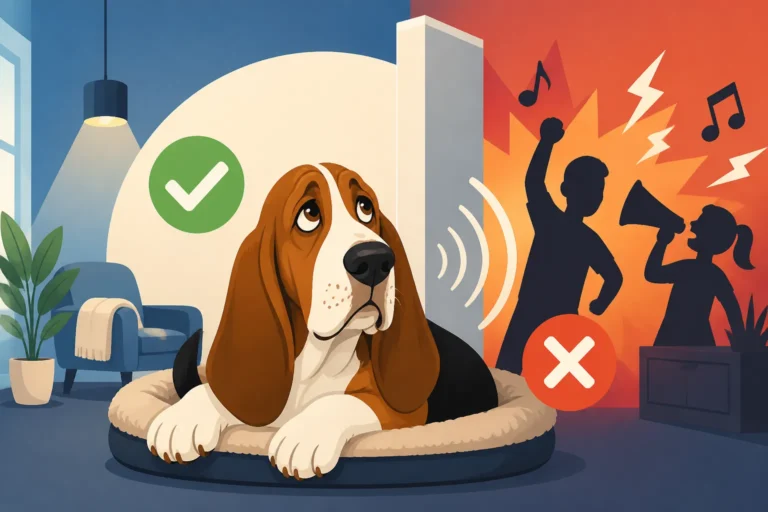
The immediate priority is to prevent anyone from being bitten. This means identifying the items and situations that trigger your Basset's guarding behavior and managing the environment to avoid those triggers. If your Basset guards bones, stop giving them bones, or only give them in a secure crate or a separate room where no one will approach them. If they guard their food bowl, feed them in a quiet area, away from foot traffic, and ensure children or other pets cannot disturb them while they eat. You might even consider feeding them in a crate, or using a slow feeder bowl found on Amazon that keeps them occupied longer without the frantic gobbling.
Supervision is critical, especially in multi-pet households or homes with children. Never leave a guarding Basset Hound unsupervised with high-value items or in situations that have previously triggered guarding. Management is not a "cure," but it creates a safe space for everyone while you work on behavior modification. For families, this ties directly into Whether a Basset Hound Is Safe Around Food and Children.
Seeking Professional Guidance and Behavior Modification
For any established resource guarding, especially if it involves growling, snapping, or biting, consulting a certified professional dog trainer or a veterinary behaviorist is highly recommended. Resource guarding can be complex, and an expert can help you develop a tailored behavior modification plan using positive reinforcement techniques. They can also rule out any underlying medical issues that might contribute to the behavior.
A professional will guide you through counter-conditioning and desensitization protocols. This involves gradually exposing your Basset to the trigger (e.g., your hand approaching their food) while pairing it with highly positive experiences (e.g., delicious treats). The goal is to change your dog's emotional response from anxiety and protectiveness to anticipation and happiness. This process takes time, consistency, and a deep understanding of canine body language. Don't be afraid to invest in professional help; organizations like BAXTER & Bella often have resources or referrals to help you find qualified trainers who specialize in these behaviors. What Training Classes Cost a Basset Hound Owner might seem like an expense, but safety and peace of mind are invaluable. Similarly, knowing [Whether a Professional Trainer is Needed for a Basset Hound] is crucial for severe cases.
| Behavior Level | Description | What It Means | Management Strategy |
|---|---|---|---|
| Subtle Warning | Freezing, stiffening, hunched posture, hard stare, quick gulp, soft growl | "I'm uncomfortable, please don't come closer." | Increase distance, avoid approaching, drop high-value treats from a distance, teach "leave it." |
| Overt Warning | Loud growl, snarl, baring teeth, air snap, lunging (no contact) | "I mean it! Back off immediately!" | Stop all interaction, retreat, manage environment to prevent recurrence, seek professional help. |
| Contact Bite | Nipping, biting (with or without breaking skin) | "I felt threatened, and my warnings were ignored." | Immediate professional intervention is necessary; prioritize strict management to prevent further incidents. |
Disclaimer
This article is for general informational purposes only and does not constitute professional advice. Laws, prices and regulations vary by location and change over time. Consult a qualified professional for guidance on your specific situation.