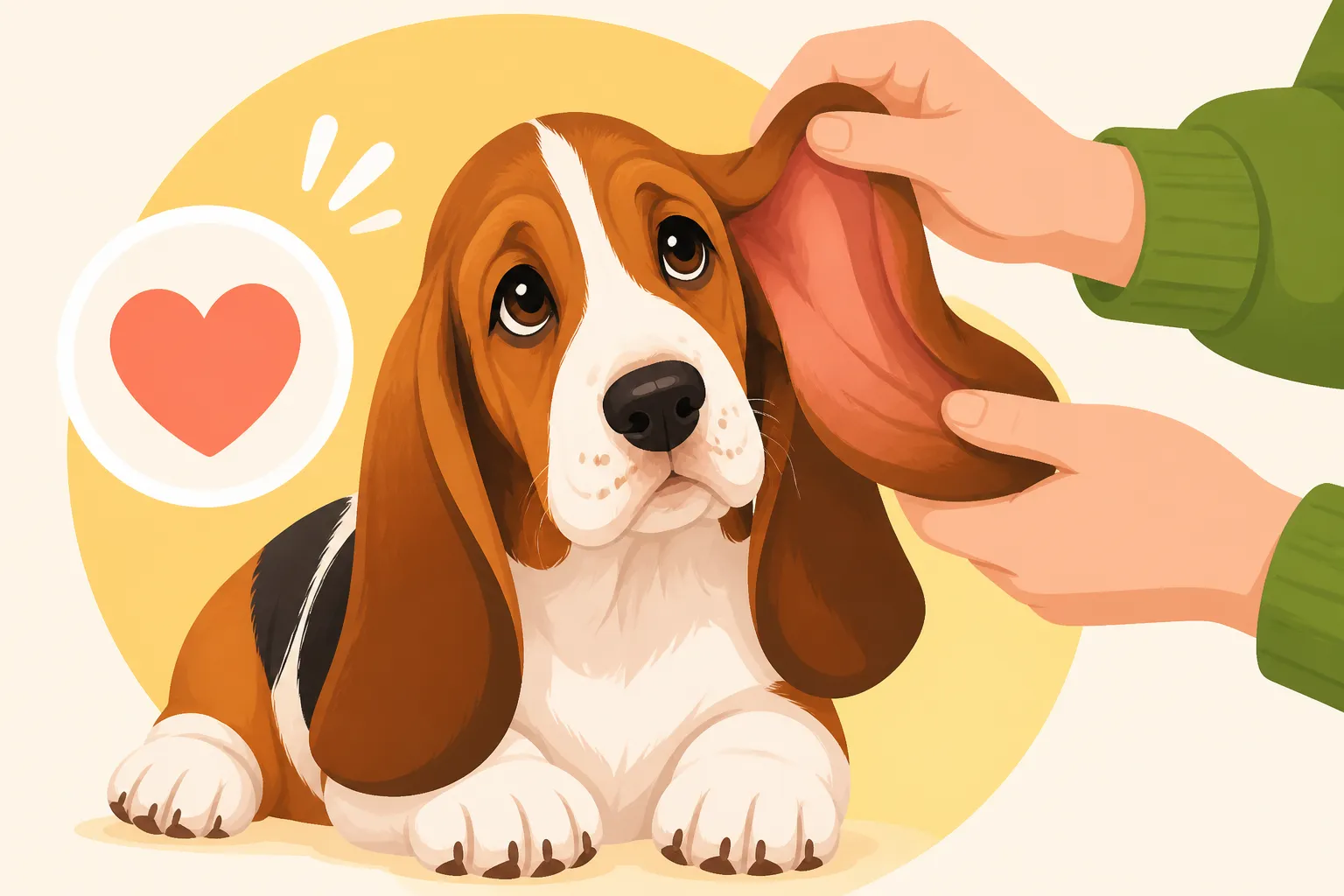
Getting a Basset Hound Used to Ear Handling as a Puppy
One of the biggest struggles new Basset Hound owners face is getting their floppy-eared little pups accustomed to having their ears handled, whether it's for routine cleaning or an inevitable vet check. It feels like a constant battle, and nobody wants to stress out their beloved companion. This guide is here to walk you through a gentle, positive approach to ensure your Basset Hound puppy learns to not just tolerate, but actually accept having those magnificent ears touched and tended to, making life easier for everyone involved.
Why Early Ear Handling is Crucial for Basset Hounds
Let's be honest, those long, velvety ears are a Basset Hound's crowning glory, but they're also a bit of a challenge. Because of their unique structure, Basset Hounds are particularly prone to ear issues, and starting good habits early can make a world of difference throughout their lives.
The Unique Challenges of Basset Hound Ears
Think about those impressive ears – long, heavy, and often dragging on the ground, or even into their dinner bowls. This isn't just a cute quirk; it's a design feature that unfortunately creates a perfect storm for ear problems. Their ears hang low, covering the ear canal and significantly reducing airflow. This lack of ventilation, combined with the warmth and moisture that naturally builds up, creates an ideal breeding ground for bacteria and yeast. It's why many Basset Hounds seem to get recurring ear infections. You might wonder Whether every Basset Hound gets ear infections, and while not every single one will, they are certainly predisposed.
Beyond the shape, Basset Hounds also have a lot of skin folds and crevices within the ear canal itself, which can trap dirt, debris, and moisture even further. This anatomical predisposition means that regular ear cleaning isn't just a nice-to-do; it's a fundamental part of their health routine. Without proper care, you'll be constantly battling discomfort and expensive vet visits. Understanding this from the start helps you appreciate why a proactive approach is so important for their long-term well-being. Knowing why a Basset Hound's ear canal never dries can also shed light on why managing moisture is such a critical component of their ear health.
Preventing Future Stress and Fear
Imagine trying to clean a sensitive area on a dog that's already anxious or fearful. It's a recipe for disaster, and it's certainly not a fun experience for you or your Basset Hound. If you don't introduce ear handling positively and gradually during puppyhood, every ear-related activity – from a quick peek to a full cleaning – can become a traumatic event. This stress isn't just emotional; it can lead to your dog associating ear care with pain or discomfort, making them resistant, fearful, or even nippy.
Early, positive exposure helps build trust and creates a "muscle memory" of sorts, where handling is simply a normal, even pleasant, part of their day. This foundational work will pay dividends when they need a routine ear cleaning, a check-up at the vet, or if an actual infection strikes. Instead of wrestling a worried dog, you'll have a cooperative companion. This foresight also extends to other routine care; if they're used to gentle handling, tasks like nail trims or brushing become far less daunting. Ultimately, you're setting your Basset Hound up for a lifetime of calmer vet visits and less stressful grooming, which is a gift to both of you.
The Right Approach to Introducing Ear Touching
Successfully teaching your Basset Hound puppy to tolerate ear handling hinges entirely on your approach. Forget force or punishment; those methods only create fear and resentment. Instead, we're going to lean heavily into positive reinforcement, making ear handling a truly delightful experience for your pup.
Creating a Positive Association from Day One
The golden rule for any puppy training, but especially for sensitive areas like ears, is to make it overwhelmingly positive. Every time your hand goes near their ear, it should predict something wonderful. This means having high-value treats at the ready – think tiny pieces of cooked chicken, cheese, or their absolute favorite soft treats. We're talking about things they never get otherwise, making the reward extra special.
Start in a calm environment with no distractions. A quiet corner of the living room, perhaps after a potty break and a short play session when they're a little tired, is ideal. Your demeanor should be relaxed and cheerful. Speak in a soft, encouraging tone. Remember, you're not just touching their ear; you're building a foundation of trust and positive communication. Short sessions are key here, often just a few seconds long, but repeated frequently throughout the day. The goal is to build up a huge bank account of positive experiences before you ever need to do anything remotely invasive. It's about showing them that "ear touch = yummy treat!"
The Power of Desensitization and Counter-Conditioning
These are fancy terms for a straightforward concept: gradually exposing your puppy to something they might find unpleasant (desensitization) while simultaneously pairing it with something they love (counter-conditioning). For Basset Hound ears, this means breaking down the act of ear handling into tiny, manageable steps and rewarding each successful step.
You're essentially changing your puppy's emotional response. If they initially find ear touches a bit weird or uncomfortable, counter-conditioning makes them think, "Hmm, that ear touch means I get a delicious treat, so maybe it's not so bad after all!" Desensitization ensures you're not overwhelming them by jumping straight to a full ear cleaning. You start with the absolute gentlest touch on the least sensitive part and slowly, over days or even weeks, build up to more direct contact. If your puppy shows any signs of discomfort – a head shake, pulling away, or tensing up – it means you've gone too far, too fast. Simply revert to the last step where they were comfortable, make it even more positive, and slow down your progression. This mindful, patient approach is crucial for success and will genuinely make a difference in your Basset Hound's willingness to participate in their own care. You’ll find that What actually motivates a Basset Hound is often food, so use it to your advantage!
Step-by-Step Training for Ear Acceptance
Now, let's get into the practical steps for getting your Basset Hound puppy comfortable with ear handling. Remember, patience is your most valuable tool here. Every dog is different, so adjust the pace to suit your puppy's comfort level.
Phase 1: Gentle Touch and Reward
This is where you lay the groundwork. Your goal for this phase is simply to make any touch to their ear flap a positive signal for a reward.
- Start with a light touch: While your puppy is relaxed, perhaps on your lap or next to you, gently reach out and briefly touch the very outside edge of one ear flap with one finger.
- Immediate reward: The instant your finger touches their ear, say "Yes!" or use a clicker, and immediately pop a high-value treat into their mouth. Your timing here is crucial – the touch and the treat need to be almost simultaneous.
- Release: Take your hand away. Keep it super brief, just a second or two of contact.
- Repeat, repeat, repeat: Do this several times in a row, then take a break. Repeat these mini-sessions throughout the day. Aim for 3-5 touches per session, 5-10 sessions a day. You're building a strong association: touch = treat. Don't try to lift the ear yet. Just touch the outside.
- Vary the ear: Once they're happy with one ear, switch to the other. Ensure both ears get equal positive attention.
If your puppy pulls away or seems hesitant, you might be touching too firmly or for too long. Scale back to an even lighter, quicker touch, or even just touch their shoulder, reward, and slowly work your way closer to the ear. The key is to make it so easy for them to succeed that they can't help but get it right.
Phase 2: Gradually Increasing Contact
Once your Basset Hound is happily accepting brief touches to the outside of their ear flap, it's time to slowly increase the duration and intensity of the contact.
- Lift the ear flap gently: After a few successful touches to the outside, try to gently lift the ear flap for just a moment, exposing the opening of the ear canal.
- Reward immediately: Again, "Yes!" and a high-value treat the instant the flap is lifted, then release.
- Extend duration: Over subsequent sessions, gradually hold the ear flap up for a little longer – two seconds, then three, and so on. Always reward while the ear is still lifted or immediately after releasing it, depending on what makes your puppy most comfortable.
- Gentle massage: Once they are tolerating the ear being held up, start to very gently massage the base of the ear for a couple of seconds. This mimics the sensation of ear cleaner being applied or massaged in. Reward this massage generously. This stage is vital for Teaching a Basset Hound to Tolerate Ear Cleaning later on.
- Check for comfort: Throughout this phase, pay close attention to your puppy's body language. Loose body, wagging tail, relaxed expression, and eagerly taking treats are all good signs. Any stiffness, lip licking, yawning (out of context), or pulling away means you're pushing too fast. Go back to an easier step. The goal is to build positive experiences, not to rush.
Phase 3: Mimicking Cleaning and Inspection
This phase prepares your Basset Hound for actual cleaning and veterinary examinations. You’re introducing tools and procedures in a non-threatening way.
- Introduce the smell of ear cleaner: Get a bottle of ear cleaner (like an Epi-Otic Advanced or a trusted vet-recommended brand) and let your puppy sniff it. Give them a treat. Don't open it or put it near their ear yet. Just associating the smell with a treat is a step. You can often find a variety of gentle, effective ear cleaners on Amazon.
- Touch with a cotton ball/wipe: While holding their ear flap up (which they're now comfortable with), gently touch the outer part of their inner ear with a dry cotton ball or a pet-safe ear wipe. Reward immediately. Gradually increase the duration and area of contact.
- "Pretend" cleaning: With the cotton ball/wipe, gently mimic the motions you would use for cleaning, without actually inserting anything deeply into the ear canal. Just wipe around the visible folds and crevices. Reward heavily.
- Introduce ear drops/solution: If you're going to use a liquid cleaner, open the bottle and let a drop fall onto a cotton ball. Let your puppy sniff it, reward. Then, while holding their ear, pretend to administer the drops by holding the bottle near the ear, then immediately reward with a treat. The sound and sensation of the liquid can be startling, so this desensitization is crucial.
- Short, frequent, and cheerful: Keep these sessions brief and upbeat. The more relaxed and positive you are, the more relaxed your puppy will be. Gradually, you can introduce a drop or two of actual cleaner and quickly massage the base of the ear, followed by a huge reward. This systematic approach is the best way to get them ready for How Often a Basset Hound's Ears Must Be Cleaned.
Progressive Ear Handling Training
| Phase | Goal | Action Step | Reward Strategy | Outcome |
|---|---|---|---|---|
| 1: Gentle Touch | Puppy accepts brief, light touch to outer ear flap. | Lightly touch outer ear for 1-2 seconds. | Instant high-value treat and verbal praise. | Puppy associates ear touch with positive experience. |
| 2: Increasing Contact | Puppy accepts ear flap being lifted and gentle ear base massage. | Lift ear flap, hold for increasing duration; gentle ear base massage. | Treat given while ear is held/massaged, then release. | Puppy tolerates holding, prepares for deeper access. |
| 3: Mimicking Cleaning | Puppy accepts tools and motions of cleaning near/in ear. | Introduce cleaner smell, touch with cotton, pretend to apply drops. | Generous treats after each step/brief action. | Puppy is calm for actual cleaning and inspections. |
| Ongoing: Regular Maintenance | Puppy remains comfortable with routine ear care throughout life. | Incorporate quick ear checks into daily petting; consistent cleanings. | Occasional treats, praise, and a calm demeanor. | Ear care is a normal, low-stress part of daily life. |
Troubleshooting Common Challenges and Maintaining Good Habits
Even with the best intentions, you might hit a snag or two. It's totally normal! The key is to know how to respond and how to keep those good habits going strong.
Dealing with Resistance or Fear
Sometimes, despite your best efforts, your Basset Hound puppy might still show resistance. This could manifest as pulling their head away sharply, shaking their head vigorously, flattening their ears, low growls, or even trying to snap. It's important to understand these aren't "bad" behaviors; they are communication. Your puppy is telling you they are uncomfortable or afraid.
What to do:
- Don't punish: Never scold, yell, or force your puppy. This will only amplify their fear and make future handling impossible.
- Go back a step: Immediately revert to a step where they were completely comfortable. If they resist a full ear lift, go back to just touching the outside flap. If they resist touching the flap, go back to just touching their shoulder and rewarding.
- Increase reward value: Is your puppy refusing regular kibble? Try cooked chicken, liverwurst, or a special soft treat. For particularly challenging cases, some owners use pureed baby food (meat-based, no onion/garlic) from a spoon as a lickable, high-value distraction, which can be found at any grocery store or even on Amazon.
- Shorter sessions, more often: Sometimes, the problem isn't the action itself, but the duration. Keep sessions incredibly brief – literally one second of contact followed by a reward, repeated five times.
- Consult a professional: If you're consistently met with strong resistance, fear, or any aggression, it's wise to reach out to a professional dog trainer or veterinary behaviorist. They can provide tailored guidance and ensure you're not inadvertently reinforcing fear. Brands like BAXTER & Bella offer online resources and trainers who can provide personalized support for these kinds of challenges. It's better to get help early than to let the issue escalate.
Consistency is Key: Short, Frequent Sessions
The biggest secret to successful ear handling, and indeed most puppy training, is consistency. It's far more effective to do five short, positive sessions a day (even just 30-60 seconds each) than one long, stressful session once a week.
Think about it like this: if you only handle their ears right before a dreaded cleaning, they'll quickly learn to associate your approach with an unpleasant experience. However, if gentle ear touches are simply part of your daily petting and cuddling routine, they become normalized. Integrate them seamlessly into moments of affection. While you're watching TV, gently lift an ear, say "good ear!" and give a treat. While they're on your lap, briefly massage the base of their ear. These tiny, low-pressure interactions build positive associations continually. This also applies to general grooming; consistent, positive exposure to brushing, paw handling, and mouth checks will make all routine care easier as they grow.
Making it a Routine for Life
Getting your Basset Hound puppy used to ear handling isn't a one-and-done deal. It's a lifelong commitment to their health and comfort. Once your Basset Hound is a seasoned pro at accepting ear touches and even basic cleaning, you'll still need to maintain that routine.
Continue with regular, gentle checks during cuddle time. Make it a habit to check their ears for any redness, odor, or discharge when you're petting them. If you spot anything concerning, you’ll be familiar with The Signs a Basset Hound's Ear Has Gone Bad and can act quickly. Regular, prophylactic cleaning, often How Often a Basset Hound's Ears Must Be Cleaned, is crucial for Basset Hounds. Once your pup is comfortable, you can start using the appropriate ear cleaner. For example, some vets recommend gentle solutions that help dry the ear canal and prevent bacterial overgrowth. Always follow your vet's advice on which cleaner to use and how frequently. When using cleaner, remember the desensitization steps you taught as a puppy – apply the cleaner, gently massage the base of the ear, and then reward. Making it a positive and predictable part of their week will ensure that their beautiful, yet high-maintenance, ears stay healthy and comfortable for their entire life. Don't forget to regularly clean The Skin Under a Basset Hound's Folds as well, as this can also contribute to overall skin health and comfort.
Disclaimer
This article is for general informational purposes only and does not constitute professional advice. Laws, prices and regulations vary by location and change over time. Consult a qualified professional for guidance on your specific situation.