Whether a Basset Hound Struggles at the Groomer
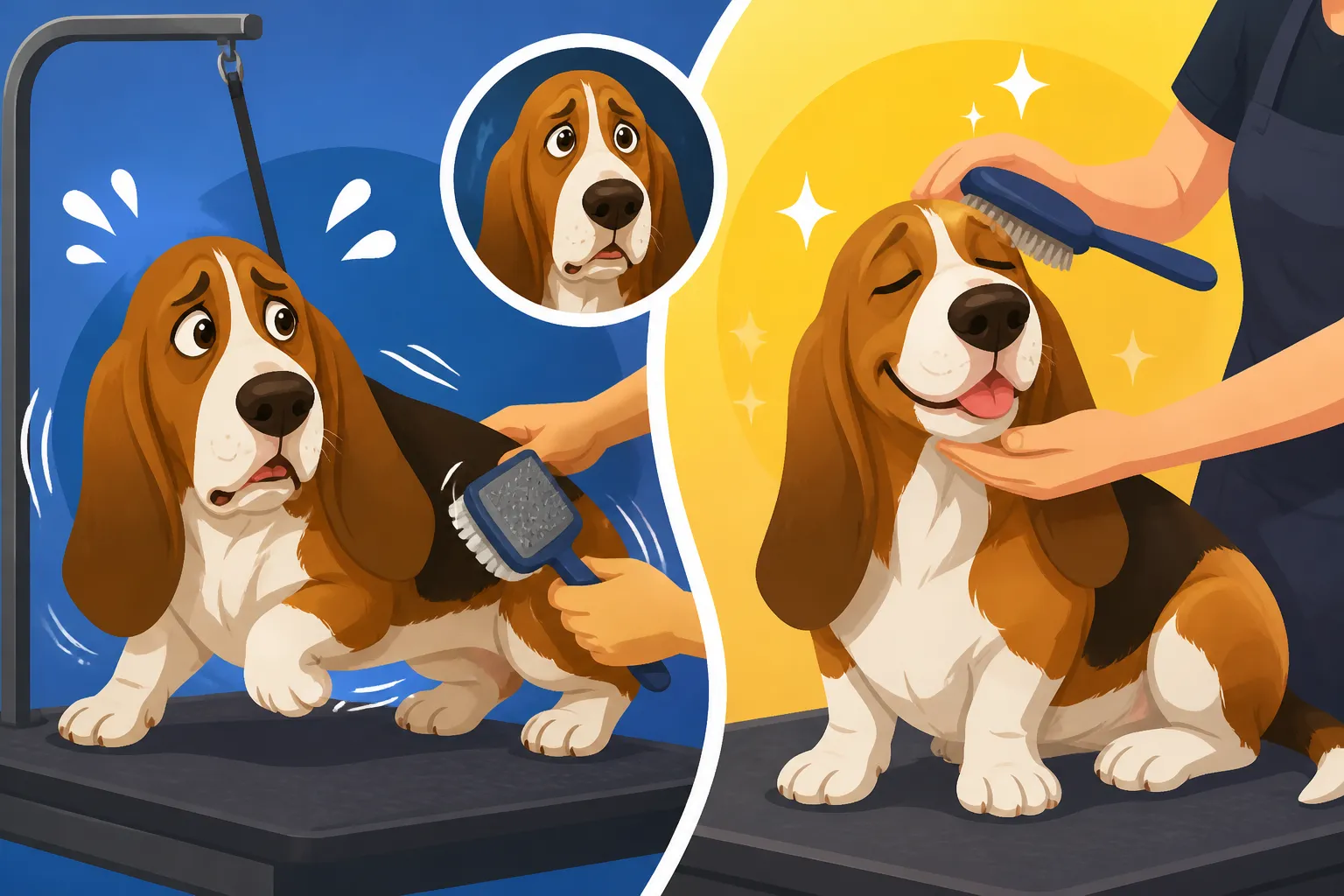
Oh, the groomer visit! If you're a Basset Hound parent, you've likely experienced that particular mix of dread and resignation when it's time for their beauty treatment. Many Basset Hounds truly struggle at the groomer, turning what should be a routine event into a wrestling match, a symphony of bays, or a trembling, anxious ordeal. This guide will dive deep into why these lovable hounds often put up such a fuss, offer empathetic insights into their struggles, and provide actionable strategies to make grooming a more positive experience for everyone involved.
Understanding the Basset Hound's Grooming Woes
Let's be honest, Basset Hounds aren't exactly built for speed or delicate maneuvers, and their unique physical traits, while utterly charming, can make grooming a complex affair. It's not just about a bath; it's about navigating those long ears, deep skin folds, and often challenging nails, all while dealing with a breed that has a strong independent streak.
The Anatomy of a Grooming Challenge
When we talk about a Basset Hound's physical characteristics, we're really discussing a blueprint for potential grooming difficulties. These aren't just cosmetic features; they require specific, careful attention.
First up, those glorious, sweeping ears. They're a defining characteristic, but also a magnet for trouble. Their length means they often drag through food, water, and whatever interesting scents your Basset finds on the ground, leading to perpetual dampness and dirt. The ear canal itself is long and narrow, with a natural bend that limits air circulation. This creates a warm, moist environment – basically, a perfect petri dish for yeast and bacteria. Groomers have to be incredibly careful when cleaning these ears, as any discomfort or improper handling can lead to a lifetime of aversion. Many owners grapple with Why a Basset Hound's Ear Canal Never Dries and the constant need for attention, which groomers inherit.
Then there are those charming wrinkles and folds. From the dewlap under their chin to the folds around their eyes and muzzle, these crevices are adorable but demand meticulous cleaning. Food can get trapped, moisture can accumulate, and skin fold infections can crop up if they're not dried thoroughly. A groomer needs to gently separate these folds, clean them, and dry them without causing irritation. Imagine someone constantly poking and prodding your sensitive skin; it's easy to see why a Basset might find this intrusive. Owners know the struggle of The Skin Under a Basset Hound's Folds and how quickly issues can arise.
And let's not forget the nails. Basset Hounds have thick, strong nails that grow quite quickly. Because of their short legs and often lower exercise levels compared to other breeds, their nails don't always wear down naturally. Trimming them regularly is essential to prevent discomfort, splayed feet, and even painful gait issues. However, many Bassets are extremely sensitive about their paws, and hitting the quick (the sensitive part of the nail) even once can create a lasting fear of nail trims. This fear often translates to significant resistance and distress at the groomer's.
Temperament and the "What's In It For Me?" Attitude
Beyond their physical makeup, the Basset Hound's personality plays a huge role in how they react to grooming. They are not typically a breed that blindly follows commands. They were bred for independent thought, to follow a scent trail for hours without human intervention, and that strong will translates into many aspects of their lives, including grooming.
A Basset Hound often operates on a "what's in it for me?" principle. If an activity isn't inherently rewarding or enjoyable, they'll question its value. Grooming is rarely inherently rewarding for them. It involves being touched, prodded, bathed, and having sensitive areas handled, often by a stranger, with no immediately obvious pay-off from their perspective. They'll use their considerable weight and low center of gravity to resist, often becoming a dead weight on the table or pulling with surprising force against restraint. This isn't necessarily "stubbornness" in a malicious sense; it's often a deeply ingrained trait of self-preservation and a lack of understanding of why this is happening to them. They're not trying to be difficult, they're simply expressing their discomfort or disinterest in a very Basset-like way. This can be particularly frustrating for owners who are used to more biddable breeds, and it's something to consider when you're looking for What Actually Motivates a Basset Hound.
Their loud, resonant bay can also be a factor. When they're distressed or unhappy, they're not shy about letting the world know. A sustained bay in a grooming salon, especially from a dog as vocal as a Basset, can escalate the stress for both the dog and the groomer, and certainly for nearby pets. It's their way of saying, "I do not like this! Help!"
Decoding Your Basset Hound's Groomer Anxiety
It’s easy to label a struggling Basset Hound as "bad" or "stubborn," but that often misses the underlying reasons for their behavior. More often than not, a Basset’s resistance at the groomer stems from fear, discomfort, or a lack of proper preparation. Understanding these root causes is the first step towards a calmer experience.
Fear, Pain, and Past Negative Experiences
Imagine being held against your will while someone clips your nails too short, pulls your sensitive ear hair, or scrubs an already itchy skin fold. It's not a pleasant thought, right? For a Basset Hound, especially one not accustomed to these sensations, grooming can feel exactly like that.
Fear is a powerful motivator. If a Basset has had a negative experience in the past – perhaps a groomer was too rough, accidentally caused pain, or simply didn't understand how to handle their unique anatomy – they will remember it. Dogs don't just "forget" trauma. Subsequent visits will be met with increased anxiety, leading to behaviors like trembling, trying to escape, or even snapping as a defense mechanism. A painful encounter, even a minor one like a quicked nail, can embed a deep-seated fear. If your Basset Hound's ears are already sore from an untreated infection, or if they have joint pain from conditions like Elbow Dysplasia in a Basset Hound, the physical manipulation involved in grooming can exacerbate that discomfort, turning a routine task into an ordeal. Even the loud noises of a busy grooming salon—clippers, dryers, other barking dogs—can be overwhelming for a sensitive hound.
Lack of Early Socialization and Handling
Many of a Basset Hound’s struggles at the groomer can be traced back to a lack of early, positive exposure to handling and new environments. Puppyhood is a critical window for socialization. If a Basset puppy isn't routinely handled, its paws touched, its ears examined, and its body gently manipulated from a young age, these actions will feel alien and potentially threatening as an adult.
Think about it: a groomer needs to touch every part of your dog, often for extended periods. If your Basset only has their paws touched when nails are trimmed, or their ears handled when they're already itchy, they'll associate those touches with unpleasantness. A dog that is comfortable with being examined, lifted, and manipulated by various people is far more likely to tolerate a groomer. This also extends to general exposure to new sights, sounds, and smells. A puppy that has only ever been in its quiet home environment might find the hustle and bustle of a grooming salon incredibly scary. Early and consistent practice with Teaching a Basset Hound to Have Its Ears Handled and overall body conditioning is vital. Many online puppy programs, like those offered by BAXTER & Bella, emphasize these foundational skills, which can make a world of difference when it comes to future vet or groomer visits.
Paving the Way for a Positive Grooming Journey
So, you understand why your Basset Hound might be giving the groomer a hard time. Now what? The good news is there are plenty of proactive steps you can take to make grooming a less stressful, and hopefully, even enjoyable, experience for your floppy-eared friend. It’s all about preparation, patience, and finding the right fit.
Finding the Right Groomer Who "Gets" Bassets
This is perhaps one of the most crucial steps. Not all groomers are created equal, and not all groomers have extensive experience with Basset Hounds. You need someone who understands their unique physical needs and their sometimes-quirky temperament.
Look for a groomer who practices positive reinforcement, uses gentle handling techniques, and is willing to take things slowly. A good groomer for a Basset Hound will:
- Be patient: They won't rush your dog through the process, especially if they're showing signs of stress. They'll take breaks and allow the dog to settle.
- Understand Basset anatomy: They'll know how to properly clean and dry those deep ear canals and skin folds without causing irritation. They’ll be familiar with how to handle their nails to avoid the quick.
- Communicate with you: They should be open to discussing your dog's specific anxieties and working with you on strategies.
- Have a calm environment: A less chaotic salon might be better for an anxious Basset. Some groomers even offer one-on-one appointments or quiet times.
Don't be afraid to interview potential groomers. Ask about their experience with hounds, their handling methods, and whether you can observe a session or even do a "meet and greet" with your Basset. A trial run just for a nail trim or an ear clean might be a good idea to gauge their approach before committing to a full groom.
Preparing Your Basset Hound for Their Spa Day
Preparation starts long before you even step foot in the grooming salon. The more positive associations you can build with grooming-related activities at home, the better your Basset will cope.
Start by practicing short, positive handling sessions. Touch their paws frequently, gently lift their ears, examine their teeth, and stroke their body all over. Pair these touches with high-value treats and praise. Make it a game, not a chore. If your Basset tolerates this well, then gradually introduce the tools they'll encounter at the groomer's. Let them sniff the nail clippers or grinder, turn on the hairdryer (far away at first), and let them see and smell grooming brushes. Always reward calm behavior.
Consider a pre-grooming walk or play session. A Basset Hound might not be an endurance athlete, but a good sniffy walk before a stressful event can help tire them out mentally and physically. How Far a Basset Hound Should Walk can be surprising, and a relaxed dog is often a more cooperative dog. You might also explore calming aids. There are various sprays, diffusers, or even vet-recommended supplements that can help reduce anxiety. Brands like Amazon offer a wide array of options, from calming chews to Thundershirts, which some owners find helpful for general anxiety. Discuss these options with your vet to find what’s best for your individual hound.
The Power of At-Home Maintenance and Desensitization
The best way to ease your Basset's grooming struggles is to make "grooming" a regular, positive part of their life, done by you, in a familiar environment. This not only keeps them cleaner and healthier but also desensitizes them to handling.
Consistent at-home care means your Basset won't be as overwhelmed by the groomer's tasks. If their nails are routinely trimmed at home, they won't be overgrown and painful at the salon. If their ears are cleaned twice a week, a groomer won't encounter a full-blown infection. Regularly cleaning A Basset Hound's Skin Folds prevents minor irritations from becoming major issues.
Here’s a simple routine to establish at home:
| Grooming Task | Basset Hound Reaction (Common) | At-Home Desensitization Steps |
|---|---|---|
| Ear Cleaning | Head shaking, pulling away | Short sessions, gentle lifts, cotton ball with cleaner, high-value treats |
| Nail Trimming | Pulling paws, yelping, fear | Touch paws daily, tap clippers/grinder against nail (no trim), reward |
| Brushing Coat | May enjoy or tolerate | Use soft brush, short strokes, focus on enjoyable spots, gradual increase |
| Face/Fold Wiping | Avoidance, squirming | Use warm, damp cloth, gentle dabs, lots of praise and treats |
| Bath Time | Resistance to water/getting wet | Start with lukewarm water, positive words, gradual exposure (shallow tub) |
Remember, consistency is key. Even five minutes a day of positive handling, paired with delicious treats and cheerful praise, can make a huge difference over time. Your Basset will learn to associate these touches with good things, building trust and reducing anxiety for when a professional groomer needs to step in. For ongoing support in training and behavioral challenges, considering a program like BAXTER & Bella, which offers lifetime access to their online resources, can provide structured guidance for these vital early experiences.
Long-Term Strategies for Grooming Success
Building a positive relationship with grooming for your Basset Hound isn't a one-time fix; it's an ongoing commitment. By consistently reinforcing good behavior and being proactive about their comfort, you can transform what was once a dreaded chore into a manageable, even pleasant, part of their routine.
Consistent Positive Reinforcement and Rewards
This strategy is absolutely fundamental for a Basset Hound. They are driven by incentive, and if they know good things happen when they cooperate, they're far more likely to engage. Every single grooming encounter, whether at home or at the groomer's, should be seen as an opportunity for positive reinforcement.
At the groomer's, ask if you can bring their favorite high-value treats. These aren't just any old kibble; we're talking about tiny pieces of cooked chicken, cheese, or specialized training treats that your Basset absolutely adores. The groomer can offer these generously throughout the session, particularly after successful completion of a less-favored task like an ear clean or a nail trim. This creates a strong positive association: "Grooming equals delicious snacks!" It's a game-changer for many Bassets, whose noses are usually on the lookout for a tasty reward.
It's also about verbal praise and gentle affection. A calm, reassuring tone from both you and the groomer can make a world of difference. Even if your Basset only manages a few seconds of cooperation before getting wiggly, reward that small win. Slowly, incrementally, they will learn that tolerating these procedures leads to positive outcomes. Never scold or punish resistance, as this will only increase fear and make future sessions even harder. For understanding What Actually Motivates a Basset Hound, treats and praise are usually at the top of the list.
Exploring Calming Aids and Professional Training
Sometimes, despite all our best efforts, a Basset Hound's anxiety around grooming can be quite profound. In these cases, it's worth exploring additional support.
Calming Aids: There are several non-prescription and prescription options that can help manage anxiety.
- Pheromone Diffusers and Sprays: Products like Adaptil release dog-appeasing pheromones that can have a calming effect on some dogs. You can plug a diffuser in at home, or spray a bandana that your Basset wears to the groomer.
- Supplements: Ingredients like L-theanine, tryptophan, or CBD oil are found in various calming supplements. Always discuss these with your veterinarian before administering, as they can interact with other medications or have side effects. Amazon offers a wide selection of these types of supplements.
- Thundershirts/Anxiety Wraps: These snug-fitting garments provide gentle, constant pressure, similar to swaddling a baby, which can have a calming effect on some dogs.
- Prescription Medication: For severe anxiety or fear-aggression at the groomer's, your veterinarian might recommend a short course of anti-anxiety medication to be given before the appointment. This isn't a permanent solution but can help break the cycle of fear and allow your Basset to have a more positive experience, facilitating desensitization.
Professional Training: If your Basset's struggles are significant and causing distress, don't hesitate to seek help from a professional dog trainer or a veterinary behaviorist. They can provide tailored guidance on desensitization and counter-conditioning protocols specific to your dog's needs. A trainer can teach you techniques for handling and help you identify subtle signs of stress that you might be missing. They can also assist with building a solid foundation of basic obedience and cooperation, which indirectly helps with grooming. This could involve working on specific commands like "stay" or "relax" during handling. While Basset Hounds are known for their independent nature, they are absolutely trainable, and a good trainer can help you unlock their potential for cooperation.
Remember, every Basset Hound is an individual. What works for one might not work for another. Be patient, be persistent, and celebrate every small step forward. With the right approach, your Basset Hound can learn to tolerate, and perhaps even enjoy, their trips to the groomer, ensuring they stay happy, healthy, and smelling fresh.
Disclaimer
This article is for general informational purposes only and does not constitute professional advice. Laws, prices and regulations vary by location and change over time. Consult a qualified professional for guidance on your specific situation.