Whether a Basset Hound Should Be Bathed Monthly
It's a common dilemma for Basset Hound parents: you love your floppy-eared friend, but sometimes, they just… smell. That distinct "houndy" scent, or perhaps the lingering aroma of whatever interesting thing they rolled in during their last sniffari, often leads us to wonder if a monthly bath is the answer. While your heart might tell you to suds them up regularly, understanding your Basset's unique skin and coat will help you strike the perfect balance between cleanliness and canine health, and this guide is here to walk you through it.
Understanding Your Basset Hound's Unique Skin and Coat
When we talk about Basset Hounds, we're talking about a breed with some truly distinctive features, and their skin and coat are no exception. These aren't just fluffy, cuddly animals; they have a specific physiological makeup that influences how often they truly need a bath. Rushing into a monthly bathing routine without understanding this can actually do more harm than good, despite our best intentions to make them smell like sunshine and daisies.
The Basset Hound's "Natural" Scent and Skin Type
If you own a Basset Hound, you're likely familiar with their particular aroma. It's often described as "houndy" or musky, and it's something many owners learn to live with. This isn't usually a sign of poor hygiene, but rather a characteristic of their skin. Basset Hounds tend to have an oilier skin type compared to many other breeds. This natural oil, or sebum, plays a crucial role in protecting their skin and keeping their short, dense coat healthy and water-resistant to a degree. It's like their built-in moisturizer and protective barrier.
The challenge is that these oils can also trap dirt, dead skin cells, and environmental odors, contributing to that distinctive scent. When your Basset comes in from a romp in the park, sniffing every interesting patch of grass and dirt, those natural oils act like a magnet for all sorts of smells. This can make us, as their loving human companions, feel like we need to reach for the shampoo bottle more often than not. It's important to remember that some level of this "natural" scent is simply part of owning a Basset. We've actually explored this in more detail in Whether a Basset Hound Smells.
The Risks of Over-Bathing a Basset Hound
While the thought of a fresh-smelling Basset is appealing, bathing them too frequently can be detrimental to their skin health. When you wash your Basset Hound, especially with harsh shampoos, you strip away those natural oils that are so vital for their skin and coat. This isn't just about making them smell good; it's about maintaining their skin's delicate balance. Imagine washing your own hands ten times a day with strong soap – they'd become dry, cracked, and irritated, right? The same applies to your Basset.
Stripping these oils can lead to a cascade of problems: dry, flaky skin, itchiness, and increased sensitivity. In an attempt to compensate, their skin might actually produce more oil, leading to a vicious cycle where they get oilier, smellier, and then you're tempted to bathe them more often. Furthermore, over-bathing can disrupt the natural microbiome on their skin, making them more susceptible to bacterial or fungal infections. Given that Bassets are already prone to Skin Fold Infections on a Basset Hound due to their wonderfully wrinkly nature, adding skin irritation from over-bathing can complicate matters further. It's a fine line to walk, and often, less is more when it comes to full baths.
Factors Influencing Your Basset Hound's Bathing Schedule
Deciding on the perfect bathing schedule for your Basset Hound isn't a one-size-fits-all situation. Several factors play a significant role in determining how often your particular hound needs a good scrub. It's about listening to your dog, observing their habits, and understanding their unique needs, rather than sticking rigidly to an arbitrary monthly rule.
Lifestyle and Environment
Let's be real, some Basset Hounds live a life of pristine indoor luxury, only venturing out for short, leash-walked potty breaks. Others are avid adventurers, nose-to-the-ground explorers who consider every puddle an invitation and every patch of mud a spa treatment. Their lifestyle dictates a lot about their bathing needs. A Basset who loves to roll in questionable outdoor "treasures" or frequently gets into sticky situations (like that time mine decided a half-eaten sandwich on the sidewalk was a personal invitation) will undoubtedly require more frequent spot cleaning, and sometimes full baths, than their less adventurous counterparts.
Consider where your Basset spends most of their time. If they're constantly tracking mud into the house after exploring the backyard, or if their long, beautiful ears often Whether a Basset Hound's Ears Drag in Mud, you'll find yourself needing to clean them more often. The type of flooring you have, and how much hair your Basset leaves on it, might also make you feel the urge to clean them more. (Speaking of shedding, we’ve covered How Much Hair a Basset Hound Leaves on Furniture in another post.) Conversely, a Basset living in a clean, indoor environment with minimal outdoor excursions might only need a bath every few months. It's all about practicality and what your dog actually encounters on a daily basis.
Specific Skin Conditions and Allergies
This is where things can get a bit more complicated, and often requires the guidance of your veterinarian. If your Basset Hound suffers from specific skin conditions like allergies, yeast infections, or seborrhea, their bathing schedule might look completely different from a healthy dog's. For instance, some Bassets with environmental allergies might actually benefit from more frequent bathing using a hypoallergenic or medicated shampoo to rinse off allergens that settle on their coat. We often see Bassets struggling with Whether a Basset Hound Gets Allergies which can manifest as skin issues.
Similarly, if your Basset is battling a yeast infection (often characterized by a sweet, musty smell and reddish, greasy skin), or a bacterial skin infection, your vet might prescribe specific medicated shampoos that need to be used on a particular schedule – sometimes even several times a week initially. This isn't "over-bathing" in the detrimental sense, but rather a targeted treatment plan. For conditions like Whether a Basset Hound Gets Seborrhea, special shampoos are key to managing the excess oil production. In these cases, it's not about making them smell nice, but about therapeutic treatment. Always consult your vet if you suspect a skin condition; they can guide you on the best products and frequency. You can often find a wide range of specialized, vet-recommended shampoos on platforms like Chewy or Amazon.
Crafting the Ideal Bathing Routine for Your Basset Hound
So, if monthly baths aren't usually the answer, what is? The goal is to keep your Basset Hound clean and comfortable without stripping their skin of its natural defenses. It's about developing a routine that works for both of you, incorporating regular maintenance alongside occasional full baths.
General Guidelines for Healthy Basset Hounds
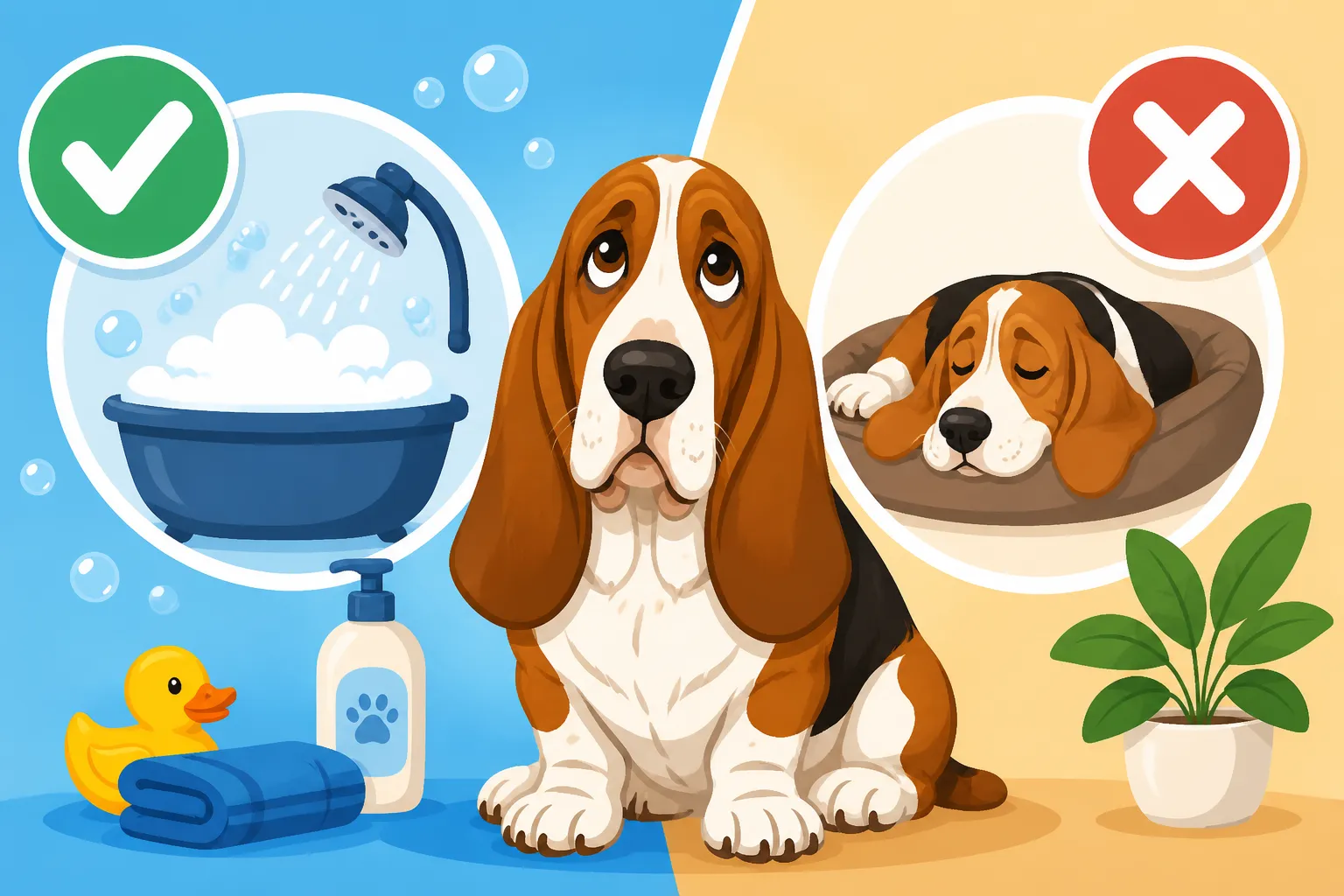
For the average, healthy Basset Hound without specific skin issues, a full bath every 2 to 3 months is often perfectly sufficient. Some owners find they can stretch this even longer, bathing only "as needed" – when their Basset genuinely gets dirty or particularly smelly from an adventure. The "as needed" approach is often the most realistic. Did they roll in mud? Did they find something pungent to investigate? Then yes, it's bath time. Otherwise, hold off.
The key is to focus on thoroughness when you do bathe them. Make sure to wet their coat completely, work the shampoo into all those wonderful wrinkles and folds, and rinse, rinse, rinse! Any leftover shampoo can irritate the skin, especially in their folds. And arguably even more important than the wash itself is the drying process. Bassets have dense coats and lots of skin folds, which can trap moisture and lead to problems. Always ensure your Basset is completely dry after a bath, paying special attention to their ears and any skin folds. This is critical for preventing fungal or bacterial growth, and we've talked about the importance of thorough drying in Whether Drying a Basset Hound Matters. A good quality towel and even a low-heat blow dryer can be your best friends here.
Choosing the Right Products and Techniques
When it comes to bathing your Basset, product choice matters immensely. Skip the human shampoos and opt for a high-quality dog shampoo that is gentle, pH-balanced, and ideally hypoallergenic or formulated for sensitive skin. Oatmeal-based shampoos are often a great choice for Bassets as they can be soothing and moisturizing. Follow up with a good dog conditioner to help replenish moisture and keep their coat soft. Brands like Earthbath, TropiClean, or Burt's Bees often have great options available through online retailers like Chewy or Amazon.
Here's a quick step-by-step guide to a Basset-friendly bath:
- Preparation: Brush your Basset thoroughly to remove any loose hair and tangles. Gather all your supplies: shampoo, conditioner, towels, cotton balls for ears, and maybe some treats!
- Water Temperature: Use lukewarm water. Too hot or too cold can be uncomfortable or even shocking for your dog.
- Wet Thoroughly: Get their entire coat wet, from neck to tail, being careful not to spray water directly into their ears or eyes. Placing cotton balls gently in their ears can help prevent water from getting in.
- Shampoo: Apply a generous amount of shampoo, working it into a rich lather. Pay special attention to their belly, legs, and all those glorious wrinkles around their face and neck. Gently massage the shampoo into their skin.
- Rinse, Rinse, Rinse: This is arguably the most important step. Rinse until the water runs completely clear and you can't feel any shampoo residue on their coat or skin.
- Condition (Optional but Recommended): Apply conditioner, let it sit for a few minutes as directed, then rinse thoroughly.
- Dry: Towel dry vigorously to remove as much water as possible. Then, use a low-heat blow dryer (specifically designed for dogs if you have one) or continue towel drying in a warm room until your Basset is completely dry, especially in all their skin folds. A damp fold is an unhappy fold! Regularly cleaning a Basset Hound's Cleaning a Basset Hound's Face Wrinkles is an ongoing task, and bath time is a perfect opportunity for a deeper clean.
Alternatives to Full Baths for Freshening Up
Sometimes, your Basset just needs a little freshening up, not a full dunk. There are fantastic alternatives that can keep them smelling sweet and feeling clean between baths:
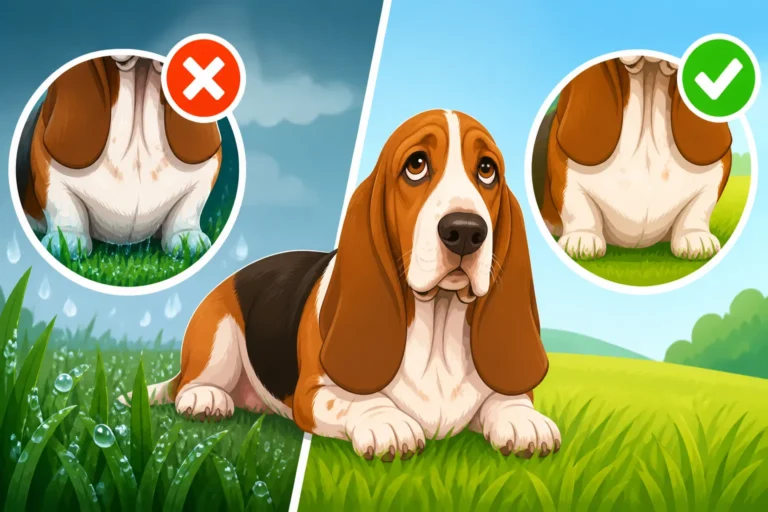
- Spot Cleaning: If they’ve just gotten a specific area dirty – say, their chest from dragging through wet grass, or a paw from stepping in something – simply use a damp cloth and a small amount of dog-friendly shampoo to clean that specific area.
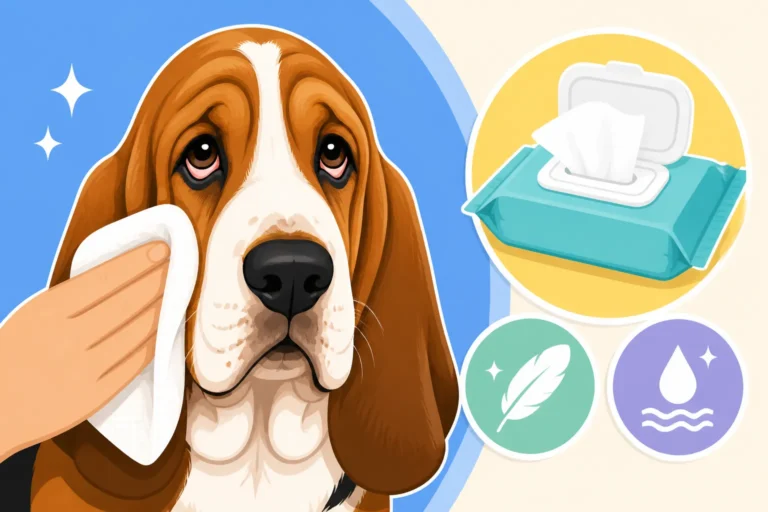
- Paw Wipes/Grooming Wipes: Keep a stash of dog-specific grooming wipes handy. These are excellent for quickly cleaning paws after walks, wiping down their belly, or even freshening up their face folds. Many brands offer unscented or naturally scented options, and you can find them readily on Amazon.
- Regular Brushing: Even though Bassets have short coats, regular brushing helps remove loose hair, dirt, and dander, which can contribute to odors. It also distributes their natural oils, keeping their coat healthy. A rubber curry brush or a shedding blade works wonders on their dense fur.
- Dry Shampoo: Dog-specific dry shampoos can be a lifesaver for a quick refresh. Simply sprinkle or spray, work into the coat, and brush out. They absorb excess oils and odors, leaving your Basset smelling cleaner.
- Dietary Adjustments: Believe it or not, diet can play a significant role in your Basset's skin health and overall odor. A high-quality diet, perhaps one rich in omega fatty acids, can support a healthier coat and potentially reduce that "houndy" smell. Some owners even report improvements when switching to fresh, whole food diets. Services like Ollie, for instance, focus on providing human-grade ingredients that can contribute to overall skin and coat health.
The Bathing Frequency Decision Matrix
To help you decide when it's truly time for a bath, here's a quick guide based on common scenarios. Remember, this is a general recommendation, and your vet's advice should always take precedence, especially for skin conditions.
| Scenario | Recommended Bathing Frequency | Key Considerations |
|---|---|---|
| Pristine Indoor Basset | Every 2-3 months or "as needed" | Minimal exposure to dirt/grime. Focus on regular brushing and spot cleaning. |
| Active Outdoor Explorer | Every 1-2 months or "as needed" | More likely to get dirty. Prioritize quick rinses or spot cleaning for minor messes. |
| Mild "Houndy" Odor | Evaluate other factors | Often natural. Consider brushing, wipes, diet, and ensure ears/folds are clean first. |
| Rolled in Something Smelly | Immediately | Spot clean if possible, but often a full bath is necessary. Use odor-neutralizing shampoo if available. |
| Visible Dirt/Mud | Immediately (or spot clean) | Rinse paws/legs. If extensive, a full bath is warranted. Ensure thorough drying afterwards. |
| Known Skin Allergies | As per vet's instructions | Often more frequent (e.g., weekly-biweekly) with medicated shampoo to remove allergens. |
| Yeast/Bacterial Infections | As per vet's instructions | Specific medicated shampoos on a prescribed schedule, crucial for treatment. |
| Itchy, Flaky Skin | Consult vet, adjust frequency | Could be over-bathing or an underlying condition. Avoid harsh shampoos. |
Ultimately, your Basset Hound's bathing frequency isn't about following a rigid calendar schedule. It's about a holistic approach that prioritizes their skin health, responds to their individual lifestyle, and addresses specific issues with appropriate care. For most healthy Bassets, less frequent full baths combined with diligent spot cleaning, regular brushing, and attention to those unique folds and ears will keep them happy, healthy, and smelling just "houndy" enough.
Disclaimer
This article is for general informational purposes only and does not constitute professional advice. Laws, prices and regulations vary by location and change over time. Consult a qualified professional for guidance on your specific situation.