How Much a Basset Hound Actually Drools
It's a truth universally acknowledged in the Basset Hound world: these lovable, long-eared companions come with a side of drool. If you've ever found yourself wondering just how much slobber is normal, or if you’re constantly wiping up puddles, you're not alone. This comprehensive guide will dive deep into why Basset Hounds drool, what’s considered typical, and most importantly, how to manage the wet realities of living with these charming, but often soggy, dogs.
The Unique Anatomy Behind a Basset Hound's Drool
When you look at a Basset Hound's expressive face, it's not hard to see why they're prone to drooling. Their distinctive features, which are so charming, also happen to be perfectly designed for collecting and releasing moisture. It's not just a quirky trait; it's deeply tied to their breed standard and original purpose.
The Signature Loose Lips and Flews
A Basset Hound's most prominent facial feature, those wonderfully long, pendulous lips, are officially called "flews." These aren't just for show; they play a significant role in the breed's ability to track scents. When a Basset Hound puts its nose to the ground, these flews actually help trap scent particles, guiding them towards the dog's incredibly sensitive nose. However, there's a trade-off: these same loose lips are incredibly inefficient at keeping saliva contained within the mouth.
Imagine your Basset Hound taking a drink of water. Instead of forming a tight seal around the bowl, those glorious flews scoop up water, and then, without much control, gravity takes over. The water, mixed with saliva, simply finds the path of least resistance and drips out. It’s not that they’re trying to make a mess; it's just a byproduct of their unique mouth structure. This anatomical design means a certain level of drooling is simply built into the Basset Hound experience. It’s part of The Drool a Basset Hound Produces and Cannot Swallow.
Jaw Structure and Salivary Glands
Beyond the flews, a Basset Hound's overall jaw structure also contributes to its drooling tendencies. Their deep, broad muzzle, combined with a relatively short distance from the back of the mouth to the front, means there's less "holding capacity" for excess saliva. Their salivary glands are perfectly normal and produce saliva at a healthy rate, just like any other dog. The difference isn't in overproduction, but rather in the mouth's inability to effectively retain that saliva.
Think of it this way: if you had a bucket with a leaky seam at the bottom, even if you filled it with water at a normal rate, you’d still have a puddle. A Basset's mouth is a bit like that leaky bucket. Saliva is constantly being produced to aid digestion, keep the mouth moist, and help with taste. In breeds with tighter lips and more compact muzzles, this saliva mostly stays put until swallowed. In a Basset, it finds its way out, particularly when their head is down, or they're moving their mouth.
Distinguishing Normal from Excessive Drooling
It's one thing to expect a bit of drool with a Basset Hound; it's another to wonder if the amount you're seeing is actually healthy. Understanding the difference between normal, charmingly messy drooling and drooling that signals a potential issue is crucial for any Basset owner.
Common Scenarios Where Drooling is Normal
Most Basset Hound owners quickly learn to anticipate the drool. It often kicks into high gear during specific, everyday situations. One of the biggest culprits is food anticipation. The moment you even think about opening the kibble bag or reaching for a treat, you might notice your Basset starts to "water at the mouth." Their incredible sense of smell, which is second only to a Bloodhound's, plays a huge role here. They smell the food, their brain anticipates eating, and the salivary glands get to work. Whether a Basset Hound Drools More When Excited is definitely true when it comes to mealtime!
Excitement is another common trigger. When you come home after a long day, or when they're about to go for a walk, that sheer joy can lead to a sudden increase in drool. Their entire body language, from the wagging tail to the happy bays, is often accompanied by a little (or a lot) of extra slobber. Even simply smelling something fascinating on a walk can get the saliva flowing, as their nose goes into overdrive, processing all those wonderful scents. It's a sign they're engaged with their world, even if it means a little extra clean-up for you.
When Drooling Might Signal a Problem
While some drooling is par for the course, a sudden, significant increase in drooling, or drooling accompanied by other symptoms, should always raise a red flag. This isn't just about more puddles; it's about a change in your dog's normal behavior. One of the most common causes of abnormal drooling is dental disease. Basset Hounds, like many breeds, are prone to issues like tartar buildup, gingivitis, and broken teeth. A painful tooth or inflamed gums can lead to discomfort, causing them to produce more saliva and struggle to swallow it effectively. If you notice bad breath along with increased drool, it’s definitely time for a vet check. Whether a Basset Hound Gets Dental Disease is a real concern that can lead to excessive drooling.
Beyond dental problems, gastrointestinal upset like nausea can also trigger excessive drooling. If your Basset Hound is feeling queasy, perhaps from eating something they shouldn't have or a sensitive stomach, increased drooling, sometimes foamy, can be a symptom. Keep an eye out for other signs such as vomiting, lethargy, or loss of appetite. Similarly, if your Basset has gotten into something toxic, or has a foreign object lodged in their mouth or throat, heavy drooling will often be one of the first indicators. A sudden onset of profuse drooling, especially if your dog seems distressed, is always an emergency that warrants immediate veterinary attention.
Practical Strategies for Managing Basset Hound Drool
Living with a Basset Hound means embracing the drool, but it doesn't mean resigning yourself to a perpetually damp home. There are plenty of practical, everyday strategies you can implement to keep the slobber under control and maintain a cleaner environment.
Daily Wiping and Cleaning Routines
The simplest and most effective defense against Basset Hound drool is a good old-fashioned wipe. Keep soft, absorbent towels strategically placed around your home – near their food and water bowls, by the front door, and even on the arm of your favorite sofa. A quick wipe after they drink, eat, or get particularly excited can prevent a lot of mess. Many Basset owners swear by dedicated "drool towels" which can be anything from old hand towels to microfiber cloths. You can easily find multi-packs of these on sites like Amazon or Chewy.
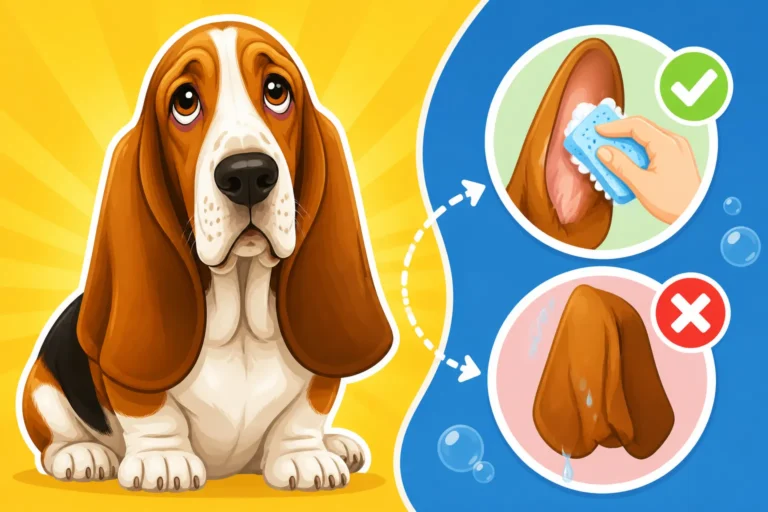
Consider Whether a Basset Hound's Mouth Should Be Wiped Daily not just for cleanliness but also for hygiene. Drool can accumulate in their prominent flews, and if left unchecked, can lead to skin irritation or an unpleasant odor. A gentle wipe with a damp cloth, or even specialized pet wipes, can help keep their mouth area clean and dry, preventing yeast or bacterial growth in those moist folds. It becomes a natural part of their daily care, much like checking their ears.
Smart Feeding and Watering Solutions
The way your Basset Hound eats and drinks significantly impacts the amount of drool. Traditional water bowls often mean a Basset will submerge a good portion of their flews, only to lift their head and let the water-logged lips drip all over your floor. To combat this, consider a few options:
- Deep, Narrow Bowls: These bowls are designed to limit how much of your Basset’s face can get into the water or food. The idea is that their muzzle fits, but their flews mostly stay out. This can dramatically reduce the post-drink deluge.
- Elevated Feeders: For some Basset Hounds, particularly those with back or neck issues, an elevated feeder can make eating and drinking more comfortable. While it might not reduce drool directly, it can ensure a more upright posture, potentially leading to less accidental dripping as they consume their meal. Just be mindful of their back health when choosing any feeding setup.
- Slopper Stopper Bowls: These are specifically designed with inner rims or floating discs that allow a dog to drink but minimize splashing and external dripping. They are often highly effective for breeds like Basset Hounds. You can find various models of these specialized bowls from pet retailers on Amazon or Chewy, and they can make a huge difference in keeping water off your floors.
When it comes to food, if your Basset is a fast eater, a slow feeder bowl can help. Not only does it slow down their ingestion, potentially reducing the gulping and associated drool, but it also gives them a mental workout. Whether a Basset Hound Should Eat From a Raised Bowl is a good question to discuss with your vet, especially if you have concerns about bloat or neck strain, but for many, it's a simple solution to an everyday problem.
Products and Tools to Aid Drool Management
Beyond basic wiping and bowl choices, there’s a whole world of products designed to make living with a drooling Basset Hound a bit easier. These tools can help protect your home, keep your Basset cleaner, and simplify your routine.
Snoods and Bandanas
If you've never encountered a snood, prepare for a game-changer. A snood is essentially a fabric tube that slips over your dog's head and neck, holding their long ears and flews back and out of the way. They're invaluable during meal times, preventing those magnificent ears from dragging through food and water, and equally effective at keeping the flews contained. This directly impacts Whether a Snood Helps a Basset Hound at Dinner, and the answer is a resounding yes for many owners.
Snoods come in various materials and sizes, from lightweight cotton for everyday use to waterproof options for messy meals. While they might look a little silly to the uninitiated, Basset owners swear by them. For less intense drooling or just a touch of style, a simple bandana can also help absorb some drips, especially around the neck and chest. While not as effective as a snood for mealtime, a bandana can catch incidental drool throughout the day and add a charming touch to your hound’s attire.
Specialized Cleaning Supplies
Let's face it, sometimes drool doesn't just drip; it slings. A Basset Hound shaking its head after a drink can send a fine mist of slobber across a surprising radius. Having the right cleaning supplies on hand is essential. Enzyme cleaners are your best friend for cleaning up dried drool spots on floors, walls, and furniture. They break down the organic matter in saliva, removing odors and stains more effectively than regular cleaners.
For quick clean-ups, keep a spray bottle with a diluted pet-safe cleaner or even just water and a clean cloth nearby. Regular washing of your Basset's bedding and any throws they use on furniture is also key to keeping your home fresh. If you have carpet, consider a small, portable carpet cleaner for those inevitable drool marks. Companies like Bissell and Hoover offer compact models that are perfect for quick spot treatments. Maintaining a clean environment is a continuous effort, and having a good arsenal of cleaning products helps manage the daily drool challenge.
Protective Gear for Your Home
Your furniture, car, and even your clothes can bear the brunt of Basset Hound drool. Investing in protective gear can save you a lot of cleaning hassle and keep your belongings looking their best.
- Furniture Covers: Washable slipcovers, blankets, or even designated pet throws are invaluable for protecting sofas and chairs. These can be easily removed and tossed in the wash, saving your upholstery from accumulating drool stains and odors. Look for waterproof options for extra protection.
- Car Seat Covers: If your Basset rides in the car, a waterproof seat cover is a must-have. Whether it’s a full bench cover or a hammock-style protector, it will contain drool, dirt, and shedding hair, making car trips much cleaner.
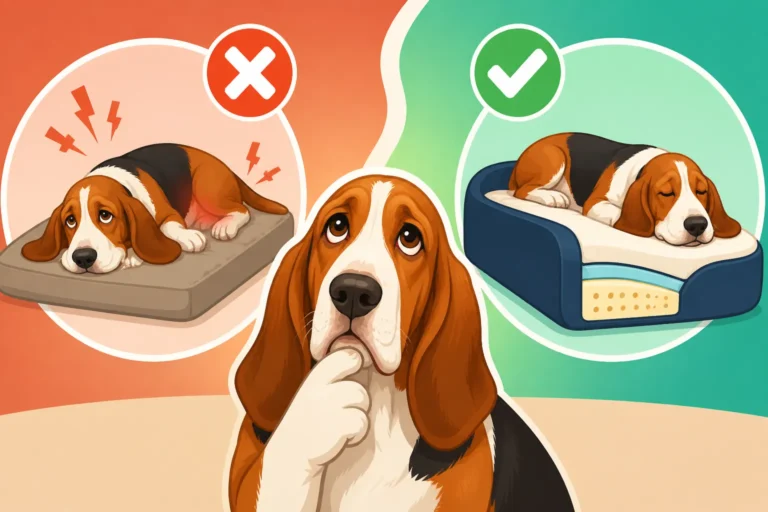
- Orthopedic Beds: While primarily for comfort and joint support, a high-quality, washable orthopedic bed can also help contain drool within a specific area, rather than letting it soak into your carpet or flooring. Many brands, like Casper or Big Barker (found on Amazon), offer beds with removable, washable covers, making cleanup a breeze. An added bonus is providing a comfortable resting spot for your Basset, which can be particularly important for a breed prone to back issues, as explored in The Back Trouble a Basset Hound Is Built Into.
Addressing Drooling as a Health Indicator
While some drool is normal, a sudden change or increase in drooling can be a critical sign that something is amiss with your Basset Hound's health. It’s important to be attuned to these changes and know when to seek professional veterinary advice.
Dental and Oral Health Issues
As mentioned, dental problems are a prime suspect for excessive drooling. Periodontal disease, which includes gingivitis and periodontitis, is incredibly common in dogs. Imagine having a persistent toothache or inflamed gums – it would certainly make you drool more and struggle to swallow. For a Basset, this means more noticeable slobber. Regularly checking your Basset’s mouth for red gums, broken teeth, missing teeth, or unusual growths can help you catch these issues early.
A simple visual check can reveal a lot. Lift their flews and examine their teeth and gums. Are the gums pink and healthy, or red and swollen? Do you see excessive tartar buildup, especially on the back teeth? Is there any foul odor that goes beyond normal doggy breath? If you notice any of these signs, particularly if combined with a change in eating habits or a reluctance to chew on hard toys, it's time for a vet visit. Early intervention for dental issues can prevent more severe pain and systemic health problems down the line.
Gastrointestinal Upset and Nausea
Just like humans, dogs can experience nausea, and one of its most obvious signs is increased salivation or drooling. If your Basset Hound is suddenly drooling profusely, especially if it's accompanied by lip-licking, gulping, decreased appetite, lethargy, or vomiting, it could indicate an upset stomach. This might be due to them eating something they shouldn't have – Bassets are notorious for scavenging – or a more serious underlying digestive issue. Whether a Basset Hound Has a Sensitive Stomach is a good point to consider here.
Common causes include dietary indiscretion (eating garbage or human food not suitable for dogs), motion sickness during car rides, or more serious conditions like pancreatitis or inflammatory bowel disease. If the drooling is mild and transient, it might be a temporary irritation. However, persistent or severe drooling, particularly with other symptoms, warrants a call to your vet. They can help determine the cause and recommend appropriate treatment, which might range from a bland diet to medication.
Foreign Objects or Toxins
This is perhaps the most urgent scenario. If your Basset Hound suddenly starts drooling excessively and appears distressed, it could be a sign they have a foreign object lodged in their mouth or throat, or they have ingested something toxic. Bassets, with their ground-level noses, are adept at finding and investigating anything interesting, often with their mouths. A stick, a bone splinter, a piece of a toy, or even a fish hook could get stuck.
Similarly, if they've chewed on a toxic plant, household cleaner, or certain human medications, heavy drooling is often one of the first warning signs. The drooling might be an attempt by their body to flush out the irritant. If you suspect your Basset has ingested something poisonous or has an obstruction, this is an emergency. Do not wait. Contact your veterinarian or an emergency animal hospital immediately. Provide as much information as you can about what they might have eaten or been exposed to.
Living Harmoniously with a Drooling Basset Hound
Embracing the quirks of a Basset Hound, drool and all, is part of the joy of owning this wonderful breed. With a few adjustments to your lifestyle and home, you can create a happy, clean environment for both you and your slobbery companion.
Adjusting Your Home Environment
The reality of Basset Hound drool means making some practical choices about your home decor. While you might dream of pristine white carpets and delicate fabrics, a Basset Hound owner often learns to lean into practicality. Darker carpets and upholstery can be more forgiving of drool spots. Washable rugs are a fantastic investment, especially in high-traffic areas and near food and water bowls. For upholstered furniture, easily removable and washable covers, as discussed earlier, are non-negotiable.
Consider placing doormats with good absorbency inside and outside your doors, as Bassets can bring in not just mud, but also water and drool on their long flews after a rainy walk or a vigorous sniffing session. Strategically placed pet beds with washable covers can also help contain drool to designated areas, protecting your floors and furniture. It’s all about creating an environment where a little drool isn't a disaster, but a manageable part of everyday life.
Understanding and Accepting the Breed Trait
At the end of the day, a Basset Hound's drool is an inherent part of who they are. It’s not a flaw; it's a feature that contributes to their incredible scenting ability and their unique, charming appearance. Just as you accept their baying or their "stubborn" pursuit of a scent, you learn to accept the drool. Trying to stop a Basset Hound from drooling completely is like trying to stop a fish from swimming – it’s against their nature.
Instead, shift your focus to management and prevention of excessive mess, rather than elimination. Celebrate the traits that make your Basset Hound so special. Their drool is a physical manifestation of their keen nose and their enthusiastic response to the world around them. When you see those little puddles, remember the amazing scenting adventure your hound is having, or the sheer joy they feel when you walk through the door. It’s a small trade-off for the immense love, companionship, and endless entertainment they bring into our lives.
Comparing Drooling Tendencies Across Breeds
It can be helpful to put Basset Hound drooling into perspective by comparing it to other breeds known for their slobber. This isn't about shaming any dog, but rather understanding that different breeds come with different maintenance needs.
| Breed | Drooling Tendency | Primary Reasons for Drool | Management Efforts (Typical) |
|---|---|---|---|
| Basset Hound | Moderate to High | Loose flews, scenting, anticipation, excitement | Regular wiping, snoods, specialized bowls, home protection |
| Bloodhound | Very High | Extremely loose flews, heavy jowls, intensive scenting | Constant wiping, specialized feeding, outdoor cleanup areas |
| Bulldog | High | Short snout, undershot jaw, open mouth breathing | Frequent wiping, face fold cleaning, careful in heat |
| Mastiff | High | Large size, loose jowls, deep flews, heavy salivary production | Heavy-duty wiping, furniture covers, designated drool zones |
| Saint Bernard | Very High | Large size, loose jowls, strong salivary glands | Towels everywhere, dedicated "drool rags", constant cleaning |
| Labrador Retriever | Low to Moderate | Tighter lips, generally clean mouth | Occasional wiping for excitement/anticipation, normal care |
| Poodle | Very Low | Tight lips, clean mouth, less facial skin | Minimal, standard grooming |
As you can see, the Basset Hound sits firmly in the "moderate to high" category, sharing company with other beloved breeds known for their expressive, and often damp, faces. While they might not reach the sheer volume of a Saint Bernard or Bloodhound, their particular anatomy ensures that drool is a consistent factor in their daily lives. Understanding these differences helps set realistic expectations for new owners and provides comfort to experienced owners that their Basset's drooling is likely a normal, healthy part of being a Basset.
Disclaimer
This article is for general informational purposes only and does not constitute professional advice. Laws, prices and regulations vary by location and change over time. Consult a qualified professional for guidance on your specific situation.