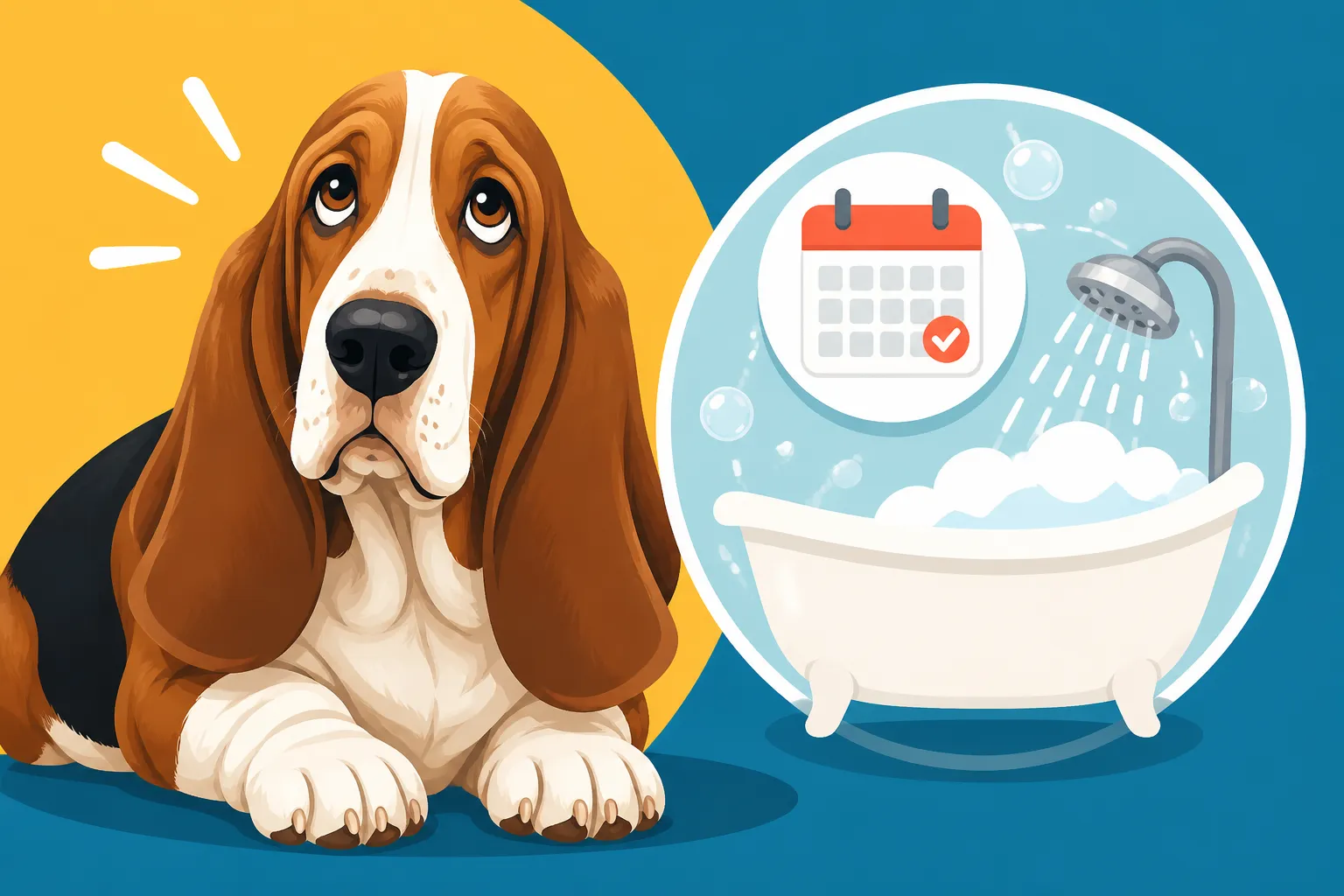
How Often a Basset Hound Should Be Bathed
One of the most common questions new Basset Hound owners ask, often with a sigh that sounds suspiciously like their dog's own signature bay, is "how often do I actually need to bathe this floppy-eared, scent-driven companion?" It's a valid frustration because, let's be honest, Basset Hounds can develop a certain aroma that is uniquely theirs, yet too much bathing can lead to other skin troubles. This comprehensive guide will help you understand your Basset's specific grooming needs, establish an appropriate bathing schedule, and equip you with the knowledge to keep their skin and coat healthy and happy without overdoing it.
The Unique Anatomy of a Basset Hound's Skin and Coat
Before we even think about turning on the tap, it's crucial to understand what makes a Basset Hound's skin and coat distinct. These aren't your average fluffy pooches; their unique build, from their long, droopy ears to their wrinkled brows, plays a significant role in their grooming requirements. Ignoring these characteristics is often where owners get into trouble, either bathing too much or not enough, leading to discomfort for their beloved hound.
The Basset's Distinctive Short, Dense Coat
A Basset Hound's coat is short, smooth, and incredibly dense. You might think, "Oh, short hair, less shedding!" but if you've ever owned a Basset, you know that's a myth quickly busted. Their short hair sheds consistently, year-round, and it weaves itself into everything from your carpets to your favorite sweater. While this coat type doesn't typically get matted or tangled like a long-haired breed, its density and the constant shedding mean that regular attention is still needed. A good bath can help loosen dead hair and encourage shedding in a controlled environment (the tub!) rather than all over your sofa.
The texture of their coat is designed to be somewhat weather-resistant, offering protection from brambles and brush when they were out in the field. This means it can hold onto dust, dirt, and allergens quite effectively. Even if your Basset isn't tracking through the woods, simply rolling in the grass or exploring the backyard can embed environmental grime deep within their dense fur, which can then irritate their skin if not periodically washed away. This short, deceptively simple coat has more going on than meets the eye, and understanding its function helps us grasp why regular care, including bathing, is a critical part of their overall well-being. Keeping this coat healthy is part of The Short Basset Hound Coat That Still Sheds Everywhere battle.
Why Basset Hound Skin Tends to Be Oily
Ah, the "Basset smell." If you know, you know. This isn't just a myth; Basset Hounds do tend to have naturally oily skin due to a higher concentration of sebaceous glands, which produce a protective, waxy substance called sebum. Sebum is essential for keeping their skin moisturized and their coat healthy, but in Bassets, it can sometimes be overproduced. This excess oil can trap dirt, dead skin cells, and environmental pollutants, creating a fertile ground for bacteria and yeast to flourish. This is a primary reason why that distinctive "hound smell" can develop, even in a relatively clean dog.
This oily skin characteristic is a double-edged sword. On one hand, it's a natural defense mechanism for their working background, helping to repel water and protect their skin from irritants in the field. On the other, it means they require a more thoughtful approach to bathing. You can't just ignore it, but you also can't scrub it away every day without causing problems. It's about finding that delicate balance to manage the oil production without stripping their skin of its natural defenses, which could lead to dryness and further irritation. This particular skin type means that Whether a Basset Hound's Skin Is Oily is a common concern for owners.
The Challenges of Skin Folds and Droopy Ears
Now, let's talk about those iconic features: the magnificent, droopy ears and the wonderfully wrinkled skin folds that make a Basset Hound so utterly charming. While they are adorable, these features are also prime real estate for moisture, dirt, and bacteria to hide, making them hotbeds for potential issues if not properly cared for. The deep folds around their muzzle, neck, and even their body can trap sweat, drool, food particles, and environmental grime. This damp, warm, and dark environment is perfect for yeast and bacterial infections to take hold, leading to irritation, redness, and a really unpleasant odor.
Their long, heavy ears are another story entirely. They hang low, limiting air circulation to the ear canal, and are often dragged through food, water, and whatever interesting scents their powerful noses lead them to. This combination makes Basset Hounds notoriously prone to ear infections. While bathing can help keep the outside of the ears clean, the inside requires a very specific, regular cleaning regimen separate from their general bath. Neglecting these areas is not just an aesthetic issue; it can lead to serious health problems like Skin Fold Infections on a Basset Hound or chronic ear trouble, causing significant discomfort for your dog and potentially costly vet bills.
Key Factors Influencing Your Basset Hound's Bathing Needs
Understanding your Basset Hound's unique physical traits is the first step, but how often you actually need to bathe them isn't a one-size-fits-all answer. Several dynamic factors play a crucial role in determining the ideal frequency. It's about tailoring the routine to your individual dog, their environment, and their specific health needs.
Lifestyle and Environmental Exposure
Think about your Basset Hound's daily routine. Are they primarily an indoor couch potato, or are they an adventurous explorer of the great outdoors? This makes a huge difference. A Basset who spends most of their time napping on clean floors and taking leisurely, leashed walks on pavement will naturally pick up less dirt and grime than one who frequents muddy dog parks, hikes through wooded trails, or has free rein in a large, often-damp backyard.
Consider the elements they're exposed to: pollen, dust, mud, sand, other dogs' slobber, or even just general urban pollution. A Basset living in a city apartment might need less frequent full baths but more frequent paw and belly wipes, while a rural Basset who loves to roll in questionable farm smells might need baths more often. If your hound regularly gets into messy situations – think rolling in something delightful they found on a walk – a bath isn't just about hygiene, it's about making your home livable again! For these active hounds, the question of Whether a Basset Hound Smells Because of Its Skin becomes even more pressing.
Individual Skin Sensitivities and Health Conditions
Beyond their general oily skin tendency, some Basset Hounds have individual sensitivities or underlying health conditions that directly impact their bathing needs. Dogs with allergies, for example, might benefit from more frequent baths using a medicated or hypoallergenic shampoo to wash away allergens from their coat and soothe irritated skin. Conversely, a Basset with very dry or flaky skin might require less frequent bathing, or specialized moisturizing shampoos, to prevent further drying and irritation.
Certain conditions, like seborrhea, which involves excessive oiliness and flaking, often necessitate specific bathing protocols prescribed by a veterinarian. If your Basset Hound is prone to recurring skin infections, your vet might recommend a therapeutic shampoo and a specific bathing schedule. It's always a good idea to discuss any persistent skin issues with your vet. They can help diagnose the root cause and recommend the best products and frequency to manage your Basset's specific condition, ensuring you're not inadvertently exacerbating the problem with an unsuitable bathing routine. Whether a Medicated Bath Helps a Basset Hound is a conversation often had with a vet.
The Impact of Diet and Seasonal Changes
Believe it or not, your Basset Hound's diet can have a noticeable impact on their skin and coat health, and thus, their bathing requirements. A high-quality diet rich in essential fatty acids (like Omega-3 and Omega-6) can contribute to a healthier skin barrier and a less oily, less smelly coat. Conversely, a diet lacking in these nutrients or one that triggers allergies can lead to dry, itchy, or overly oily skin, making more frequent or specialized bathing necessary. If you've recently changed their food and noticed a change in their coat, it might be worth exploring.
Seasonal changes also play a role. In warmer, more humid months, Basset Hounds might experience increased oil production or skin fold issues due to sweat and moisture, potentially warranting slightly more frequent baths or spot cleaning. During colder, drier winter months, their skin can become more prone to dryness, suggesting a need to reduce bathing frequency or use more moisturizing products to prevent flaky skin. The shedding cycle also changes with the seasons; while Bassets shed year-round, they often have heavier shedding periods in spring and fall. A bath can help accelerate the removal of loose undercoat during these times, making subsequent brushing more effective and reducing hair around the house.
Establishing an Effective Bathing Routine for Your Basset Hound
Now that we've covered the nuances of their physical traits and the factors that influence their cleanliness, let's talk about putting it all into practice. Finding the right balance for your Basset Hound's bathing routine is key to their comfort and your sanity. It's a bit of an art, but there are some excellent guidelines to follow.
General Guidelines for Bathing Frequency
For most Basset Hounds with healthy skin and a moderate indoor-outdoor lifestyle, a good rule of thumb is to aim for a bath every 4 to 8 weeks. This frequency is usually sufficient to manage their natural oil production, remove accumulated dirt and loose hair, and keep that distinctive "Basset smell" under control without stripping their skin's natural protective oils. It's a sweet spot that allows their skin to re-establish its natural balance between baths.
However, this is just a starting point. Think of it as a baseline. For a Basset that spends most of its time indoors, rarely getting truly dirty, you might even stretch it to every 8-12 weeks, as long as their skin and coat remain healthy and odor-free. The key is to observe your individual dog. Do they start to feel greasy or smell distinctly "doggy" after a month? Are their skin folds getting a bit yeasty? These are your cues that it's time for a refreshing cleanse. Regular grooming, like brushing, will also help extend the time between full baths.
When to Adjust Your Bathing Schedule
There will absolutely be times when your Basset Hound deviates from that standard 4-8 week schedule, and that's perfectly normal. If your Basset has an unexpected encounter with mud, something smelly in the yard, or just generally gets significantly dirty, then, by all means, bathe them sooner! A quick, thorough wash to remove foreign substances is always preferable to letting them linger on the skin.
On the other hand, if your Basset develops a skin irritation, a hot spot, or an allergy flare-up, your veterinarian might recommend more frequent baths with a specific medicated shampoo. Conversely, if their skin appears dry, flaky, or sensitive, your vet might advise less frequent bathing or a switch to a gentler, more moisturizing shampoo. Always consult with your vet if you're unsure about increasing or decreasing bath frequency due to health concerns, as they can provide tailored advice.
The Role of Targeted Cleaning and Maintenance
Between full baths, targeted cleaning and maintenance are your best friends for keeping your Basset Hound fresh and healthy. This isn't about avoiding baths entirely, but rather about managing day-to-day grime and odors, especially in those problem areas.
Daily or every-other-day care for skin folds: Those charming wrinkles need regular attention. Use a soft, damp cloth, or a pet-safe wipe (you can find good options on Amazon or Chewy) to gently clean inside the folds around their muzzle, neck, and any other creased areas. After cleaning, it's crucial to thoroughly dry these areas to prevent moisture buildup, which can lead to yeast or bacterial infections. A clean, dry fold is a happy fold!
Weekly ear checks and cleaning: Basset Hounds' ears are magnificent, but they require diligent care. Even if your Basset isn't due for a full bath, their ears should be checked weekly, or even more frequently if they're prone to issues. Use a veterinarian-approved ear cleaner and cotton balls (never cotton swabs deep in the canal) to gently clean the visible parts of the ear. This routine is essential, as discussed in How to Clean a Basset Hound's Ears Properly, and is often more important than the full body bath for preventing common Basset health woes.
Paw and belly wipes: If your Basset loves to explore, keep a towel or pet wipes by the door. After walks, quickly wipe down their paws to remove dirt and allergens, and give their belly a once-over, especially if it's been wet or muddy. This not only keeps your home cleaner but also reduces the amount of grime that eventually needs a full bath to remove.
Here's a quick comparison table to help visualize bathing frequency based on lifestyle:
| Basset Hound Lifestyle | General Bathing Frequency | Key Considerations | Recommended Products |
|---|---|---|---|
| Indoor Couch Potato | Every 8-12 weeks | Low exposure to dirt/allergens; focus on skin fold care. | Gentle, moisturizing shampoo |
| Moderate Explorer | Every 4-8 weeks | Regular walks, backyard play; balances oil production. | Balanced pH, de-shedding shampoo |
| Outdoor Adventurer/Hunter | Every 2-4 weeks | High exposure to mud, allergens, odors; active lifestyle. | Deep cleaning, odor-control shampoo |
| Sensitive Skin/Allergies | As vet recommends | May need medicated/hypoallergenic; monitor for dryness. | Vet-prescribed, sensitive skin formulas |
Best Practices for Bathing Your Basset Hound
Giving a Basset Hound a bath can be quite the undertaking – those long, low bodies and substantial weight make them a unique challenge in the tub! But with the right approach and products, it can be a smooth, stress-free experience for both of you. Getting it right ensures a clean hound and prevents potential skin issues.
Selecting the Right Shampoos and Conditioners
Choosing the right shampoo and conditioner is paramount for a Basset Hound's sensitive, oily skin. You absolutely want to avoid harsh human shampoos or those designed for other animals, as they can strip natural oils, leading to dry, itchy, or irritated skin. Look for dog-specific shampoos that are:
- pH-balanced: Canine skin has a different pH than human skin, so a shampoo formulated for dogs is essential.
- Hypoallergenic or for Sensitive Skin: Many Bassets can be prone to skin allergies, so gentle, fragrance-free options are often best. Brands like Earthbath or Burt's Bees have good reputations for natural, gentle formulations available at retailers like Chewy or Amazon.
- Oatmeal-based: Oatmeal can be very soothing for itchy or irritated skin.
- De-shedding formulas: These can be helpful during heavier shedding seasons to help release loose hair.
- Medicated (if prescribed): If your vet has diagnosed a skin condition, they will prescribe a specific medicated shampoo. Use only as directed.
A good conditioner is also a smart investment, especially if your Basset has dry skin or you're trying to manage shedding. It helps to restore moisture to the coat and skin, leaving it soft and manageable. Always rinse thoroughly, as residue can cause skin irritation.
A Gentle, Thorough Bathing Technique
Bathing your Basset Hound requires patience and a gentle touch. Here’s a step-by-step approach:
- Pre-bath prep: Before getting wet, give your Basset a thorough brush. This helps to remove loose hair and any surface dirt, making the washing process more effective. Place a non-slip mat in the tub or wash basin to keep them steady and comfortable. Gather all your supplies: shampoo, conditioner, towels, and ear cleaner.
- Water temperature: Use lukewarm water – not too hot, not too cold. Test it on your inner wrist first.
- Wet them thoroughly: Start wetting your Basset from the neck down, being careful to avoid getting water directly into their ears. Their dense coat can take a while to saturate, so be patient and ensure all areas are completely wet. You might consider placing cotton balls loosely in their ear canals to help prevent water from entering, but make sure they are easily removable afterward.
- Shampoo application: Apply shampoo, starting from the neck and working your way down their body, paying special attention to their back, sides, and those tricky undercarriage areas. Gently massage the shampoo into their coat and skin, working up a good lather. Don't forget to clean around their face, being extra careful around their eyes and mouth. For the facial folds, you might use a washcloth with a tiny bit of shampoo.
- Rinse, rinse, rinse! This is perhaps the most critical step. Bassets have dense coats, and shampoo residue can cause severe skin irritation. Rinse until the water runs completely clear and you can no longer feel any slipperiness on their fur. This might take longer than you expect!
- Conditioner (optional but recommended): If using conditioner, apply it after the shampoo, leave it on for the recommended time, and then rinse even more thoroughly than you did with the shampoo.
- Final rinse: Do one last quick rinse just to be absolutely sure no residue remains.
Essential Post-Bath Drying and Ear Care
Drying your Basset Hound properly after a bath is just as important as the washing itself, especially considering their skin folds and long ears.
- Towel dry: Immediately after rinsing, use several absorbent towels to blot and squeeze as much water out of their coat as possible. Don't rub vigorously, as this can tangle the coat (even a short one!) and irritate the skin.
- Air dry or low-heat blow dry: If it's warm, your Basset can air dry, but ensure they are in a clean, warm spot, not left in a draft. In cooler weather, or to speed up the process, you can use a pet-specific blow dryer on a low, cool setting. Keep the dryer moving constantly to avoid overheating any one spot. Never use a human blow dryer on high heat, as it can burn their delicate skin.
- Crucial: Dry the folds! This cannot be stressed enough. Use a dry, soft cloth or even a cotton pad to gently but thoroughly dry every single skin fold on their face and body. Pay particular attention to the deep wrinkles around their muzzle and under their chin. If moisture lingers, it creates a breeding ground for yeast and bacteria.
- Ear care: Once their ears are dry on the outside, it's the perfect time to give the inside of their ear canals a gentle cleaning, if you haven't done so already with cotton balls during the bath. Ensure the ear canals are completely dry. Whether a Basset Hound's Ears Should Be Dried After a Bath is not a question, it's a necessity. This whole routine is vital for preventing those notorious Basset ear issues.
Avoiding Common Bathing Pitfalls
It's easy to fall into traps when it comes to bathing, especially with a breed like the Basset Hound whose unique features can both charm and challenge. Knowing what to avoid is just as important as knowing what to do, as common mistakes can lead to more problems than they solve.
The Dangers of Over-Bathing
One of the most frequent mistakes Basset Hound owners make is bathing their dog too often, often out of a desire to eliminate that "hound smell" or keep them pristine. While the intention is good, over-bathing can actually backfire and create more skin problems. The skin produces natural oils (sebum) that protect the skin barrier and keep the coat healthy. When you bathe too frequently, you strip away these essential oils.
This stripping leads to a cascade of negative effects:
- Dry, itchy skin: Without its natural moisturizers, the skin becomes dry, flaky, and intensely itchy. This discomfort can lead your Basset to scratch or lick excessively, creating raw spots or secondary infections.
- Increased oil production: Paradoxically, when the skin's natural oils are repeatedly stripped, the sebaceous glands can go into overdrive to compensate, producing even more oil. This can make your Basset smell worse, faster, trapping you in a cycle of needing to bathe more often, which only makes the problem worse.
- Weakened skin barrier: The skin's barrier function is compromised, making it more susceptible to environmental irritants, allergens, and infections. Instead of a protective layer, you've created an open invitation for problems. Resist the urge to bathe more than every 4-8 weeks unless specifically directed by a vet for a medical condition.
Recognizing the Signs of Under-Bathing
While over-bathing has its dangers, neglecting your Basset Hound's grooming needs also comes with a host of problems. Under-bathing can lead to a buildup of dirt, oil, and dead skin cells, which can quickly turn into a significant issue for this breed.
Signs that your Basset is not being bathed frequently enough include:
- Persistent, strong odor: Beyond their normal "hound smell," if your Basset has a pervasive, unpleasant odor even after a day or two out of the tub, it's a clear sign of buildup. This often signals that bacteria or yeast are thriving on their skin.
- Greasy or dull coat: The coat might feel oily to the touch, look dull rather than shiny, or appear matted down with grime, even if it's short.
- Itching and scratching: While itching can be a sign of many things, a persistently itchy Basset without other obvious causes might be reacting to dirt or allergens trapped in their coat or developing skin irritation from bacterial overgrowth.
- Skin problems: Look for redness, flaky skin, pustules, or hair loss, particularly in the folds or areas where dirt accumulates. These are often indicators of underlying skin infections that could have been prevented or mitigated with a proper bathing schedule. If you notice these signs, it's time for a bath and potentially a vet visit.
The Importance of Appropriate Grooming Tools
Using the wrong tools for your Basset Hound can make bathing a miserable experience for both of you, and even cause injury or discomfort. Investing in the right gear is crucial.
- Non-slip bath mat: Absolutely essential. Bassets can be clumsy, and a slippery tub is a recipe for anxiety or injury. A rubber mat provides stability and confidence.
- Appropriate brush: Before bathing, a rubber curry brush or grooming mitt is excellent for loosening dead hair and stimulating skin. Post-bath, a soft slicker or bristle brush helps smooth the coat.
- Pet-specific shower attachment: A shower sprayer with adjustable pressure can make rinsing much more effective, especially for their dense coat. This ensures thorough rinsing, which is vital to prevent residue buildup. You can find these easily on platforms like Amazon.
- Absorbent towels: Have plenty on hand! Bassets absorb a lot of water. Microfiber pet towels can be particularly effective at wicking away moisture quickly.
- Dog-specific ear cleaner: As mentioned, this is non-negotiable for Bassets. Avoid human ear cleaners or harsh solutions.
- Treats: Positive reinforcement goes a long way. Make bath time a more positive experience with small, high-value treats given during and after the bath.
Beyond the Tub: Holistic Basset Hound Coat Health
While regular bathing is a cornerstone of Basset Hound care, it's just one piece of the puzzle. A truly healthy coat and skin, along with a happy hound, comes from a holistic approach that includes daily maintenance, diligent attention to their unique anatomy, and even what goes into their food bowl. Think of it as an ongoing commitment to their well-being, not just a periodic chore.
Daily Brushing for Coat Maintenance
Even with their short coat, Basset Hounds benefit immensely from daily or every-other-day brushing. This isn't just about removing loose hair, though it certainly helps with that and keeps your home a little less hairy. Regular brushing stimulates the skin, distributing natural oils across the coat, which helps maintain its healthy sheen and condition. It's also an excellent way to bond with your Basset and allows you to routinely check for any new lumps, bumps, skin irritations, or parasites that might be hiding under their dense fur.
Using a rubber curry brush or a grooming mitt is perfect for Basset Hounds. These tools gently massage the skin, improve circulation, and effectively lift dead hair from their short, dense coat. During heavier shedding seasons, you might find yourself brushing even more frequently to keep up. Think of it as a mini-massage for your hound, and a chance for you to stay ahead of the shedding, which is a constant battle with this breed, as outlined in [Regular Brushing: Managing the Shed].
Diligent Ear and Skin Fold Care
We've touched on it already, but the importance of ongoing, diligent care for your Basset Hound's ears and skin folds simply cannot be overstated. These are the breed's anatomical Achilles' heels, often leading to discomfort and costly vet visits if neglected. This is where most Basset Hound owners will spend a significant portion of their grooming time between baths.
Ear care: Aim for a weekly ear check and cleaning, more often if your Basset is prone to infections, has been swimming, or seems particularly itchy. Lift those long ear flaps, inspect the ear canal for redness, discharge, or odor, and use a veterinarian-approved cleaner with cotton balls to wipe away any debris. Never insert anything deep into the ear canal. If you notice any signs of infection, such as excessive redness, swelling, yellow or brown discharge, or a foul odor, consult your vet immediately. Neglecting ear issues can lead to chronic pain and even deafness, and is definitely part of The Twice Weekly Ear Ritual a Basset Hound Owner Signs Up For.
Skin fold care: Make it a daily habit to quickly wipe and dry your Basset's facial and body folds. Food debris, drool, and moisture can easily get trapped, especially in the folds around their mouth and under their chin. Use a soft, damp cloth or a pet-specific wipe for cleaning, and always follow up with a dry cloth to ensure the folds are completely dry. This simple step is remarkably effective at preventing yeast and bacterial infections that thrive in moist, warm environments, making Cleaning a Basset Hound's Face Wrinkles a necessary part of daily care.
Nutrition's Role in a Healthy Coat
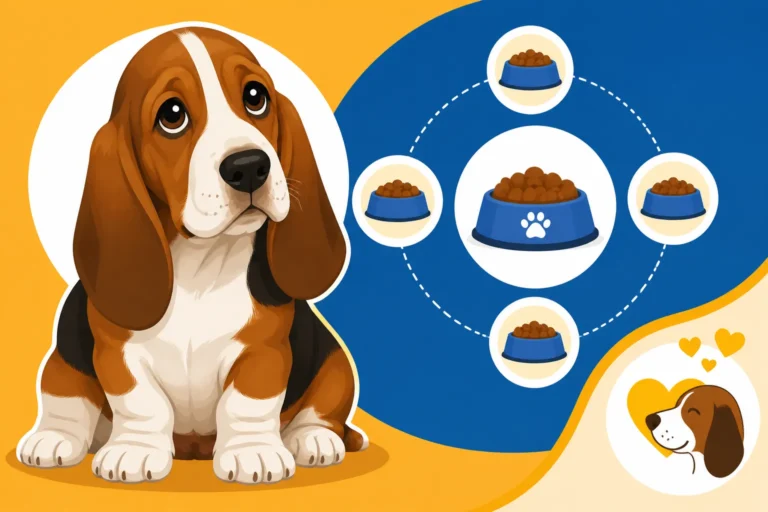
The old adage "you are what you eat" applies just as much to your Basset Hound's coat and skin health as it does to their overall vitality. A high-quality, balanced diet provides the essential nutrients, vitamins, and minerals necessary for a strong skin barrier, a healthy coat, and proper immune function. If your Basset's diet is lacking, it can manifest in a dull coat, dry or excessively oily skin, flakiness, and even increased susceptibility to skin infections.
Look for dog foods that list a named meat source as the first ingredient and contain a good balance of protein, fats, and carbohydrates. Importantly, ensure their diet includes sources of omega-3 and omega-6 fatty acids, which are crucial for skin and coat health. These can be found in ingredients like fish oil, flaxseed, or certain meat proteins. If your Basset has persistent skin issues, discuss their diet with your veterinarian. Sometimes a change to a different protein source or the addition of supplements can make a dramatic difference in their skin and coat condition, potentially reducing the frequency of baths needed for purely skin-related issues. Think of good nutrition as building a strong foundation from the inside out for a healthy, happy Basset Hound.
Disclaimer
This article is for general informational purposes only and does not constitute professional advice. Laws, prices and regulations vary by location and change over time. Consult a qualified professional for guidance on your specific situation.