Whether a Basset Hound’s Chest Drags in Snow
It's a familiar sight for any Basset Hound owner in winter: that moment your beloved low-rider steps into a fresh snowfall, and suddenly, their whole underside is engulfed. The question isn't if their chest drags, but how much and what complications arise from it. This guide is here to walk you through the realities of winter weather with a Basset Hound, offering practical advice to keep them comfortable, warm, and healthy when the snow starts to fall.
The Unique Anatomy of a Basset Hound and Winter's Challenge
Basset Hounds are truly one-of-a-kind, built for a specific purpose that unfortunately makes winter conditions a bit of a tricky affair. Their distinctive conformation, while charming and effective for trailing, presents some unique challenges when navigating snowy landscapes. Understanding their physical build is the first step in preparing them for colder, wetter conditions.
Built Low to the Ground
There's no getting around it: Basset Hounds are undeniably low-slung. Their short, stout legs and long, heavy bodies place their chests incredibly close to the ground, often just a few inches above the surface. This design was an intentional choice in their breeding, allowing them to keep their powerful noses glued to a scent trail without having to stoop excessively. For a hunter on foot, this slow, deliberate trailing style was perfect, enabling them to follow the hound through dense underbrush.
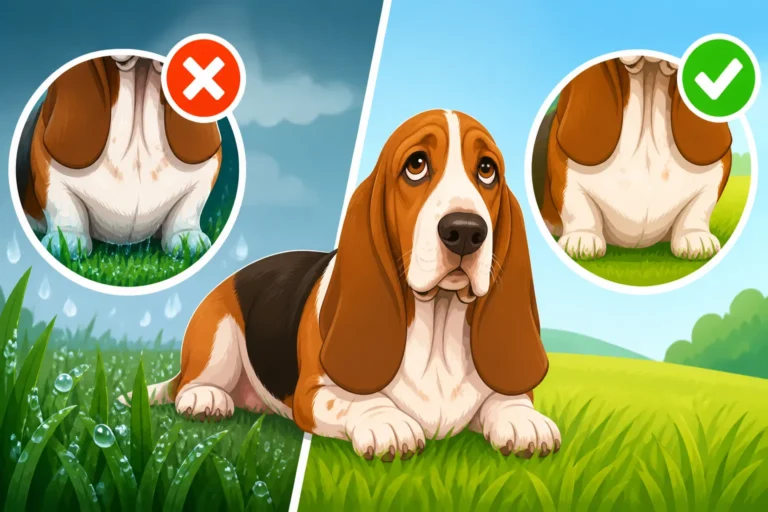
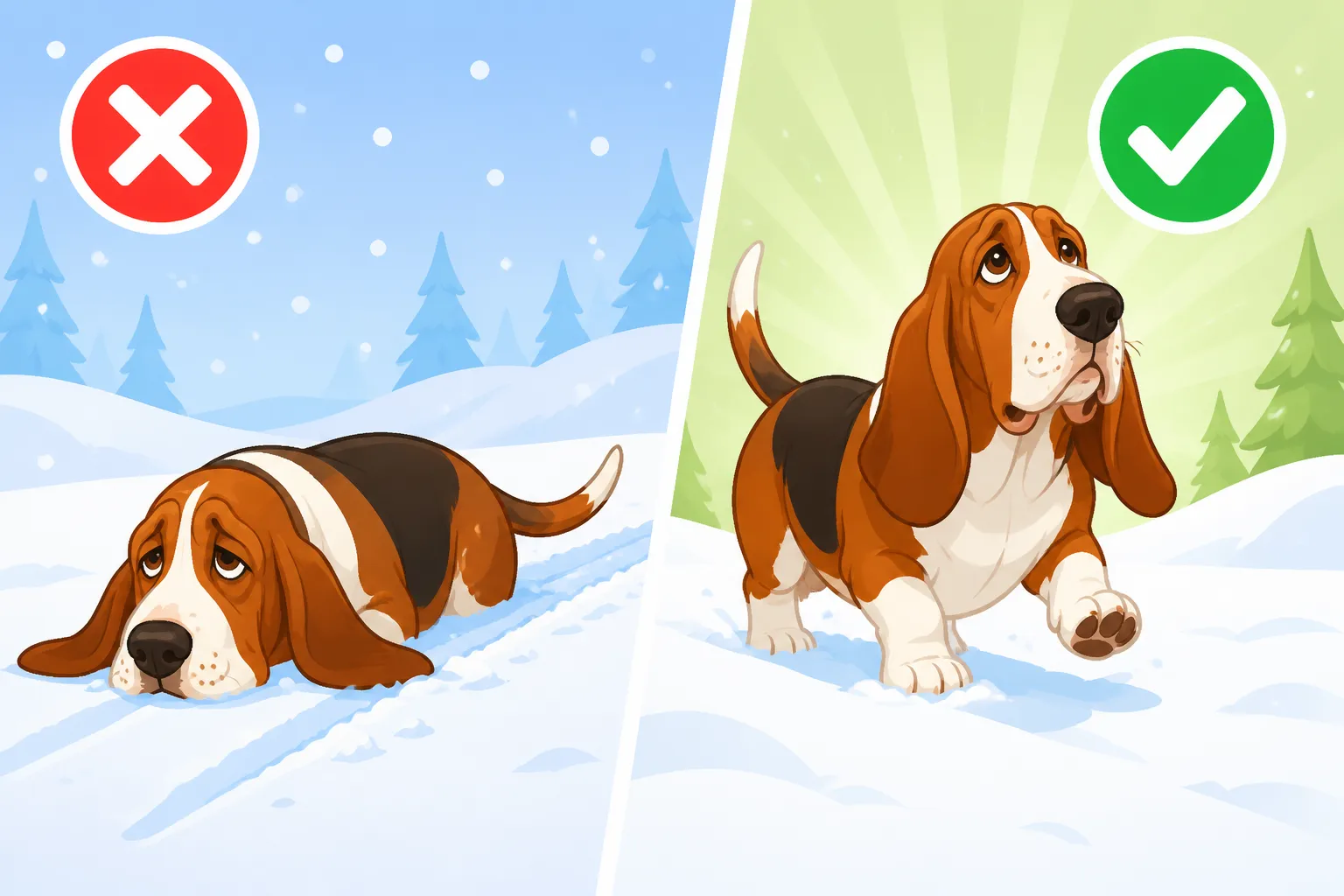
However, what's a boon for scent work becomes a bane in heavy snow. When a Basset Hound walks through even a moderate snowfall, their entire chest and belly area are immediately submerged. It's not just a little brushing; it's a full-on plowing action. This means direct, constant contact with the cold, wet snow, which can quickly lead to their fur becoming matted with ice and their skin becoming dangerously chilled. Owners often describe their Basset looking like a miniature snowplow, pushing a wake of white powder, but behind that comical image lies a genuine risk of discomfort and health issues. You might find yourself wondering Whether a Basset Hound's Chest Gets Wet in Grass even in summer, so snow just amplifies the problem tenfold.
The Loose Skin Factor
Adding another layer of complexity to the Basset Hound's winter woes is their famously loose skin. Those wonderful wrinkles and folds, especially around their neck, chest, and belly, contribute to their endearing, mournful expression and aid in trapping scent. But in snowy conditions, these very features can become problematic. Snow and ice can easily accumulate within these folds, melting and then refreezing, or simply remaining stubbornly damp against their skin.
This isn't just uncomfortable; it can lead to persistent dampness and chilling of the skin, creating an ideal environment for irritation, chafing, and even secondary skin infections if not properly managed. Imagine having perpetually wet fabric pressed into every crease of your body in freezing temperatures – that's what your Basset Hound can experience. It highlights why attentive post-walk care, especially focusing on drying these areas, is absolutely critical. It's a similar challenge to managing The Skin Under a Basset Hound's Folds in humid weather, but with the added icy element.
The Unavoidable Truth: Chest Dragging and Its Consequences
So, yes, a Basset Hound's chest absolutely drags in the snow. It's not a question of 'if' but 'how much,' and unfortunately, this isn't just an aesthetic concern. The constant contact with snow can lead to several serious issues for your low-slung companion, impacting their comfort, warmth, and overall health.
Hypothermia Risks and Chilling
The most immediate and concerning consequence of a Basset Hound's chest dragging through snow is the risk of hypothermia or simply becoming dangerously chilled. Their short legs mean a large portion of their body is directly exposed to the cold, wet snow for the entire duration of a walk. Even a dense coat offers limited protection when it's constantly saturated and packed with icy crystals. This continuous exposure can rapidly draw heat away from their body, lowering their core temperature.
Symptoms of chilling or mild hypothermia might include shivering, lethargy, reluctance to move, or a cold body to the touch. In more severe cases, their gums might appear pale or blue, and they could become disoriented. Puppies, senior Basset Hounds, or those with underlying health conditions are particularly vulnerable. For instance, an The Old Basset Hound That Cannot Get Off the Floor will struggle far more with cold and wet conditions than a spry youngster, and their ability to regulate body temperature might already be compromised. It’s crucial to be vigilant about walk duration and intensity when the temperatures drop.
Skin Irritation, Chafing, and Frostbite
Beyond the internal chilling, the external effects on a Basset Hound's skin can be significant. The friction from snow and ice constantly rubbing against their chest and belly can lead to chafing and skin irritation, especially in the sensitive areas where their loose skin creates folds. This is exacerbated by the dampness, which can soften the skin and make it more prone to damage.
In extreme cold, there's also the risk of frostbite, particularly on exposed skin, paw pads, and ear tips – areas that are highly vulnerable. While less common on the chest itself due to fur, persistent dampness and cold can still cause discomfort and lead to cracked, painful skin. Think about how your own skin feels after being exposed to cold, wet conditions for too long; your Basset Hound feels something similar. This means you also need to be mindful of Whether a Basset Hound's Ears Get Sunburned in harsh winter sunlight reflecting off snow, and equally, protect them from the cold.
Preparing Your Basset Hound for Snowy Adventures
While the challenges are real, they don't mean your Basset Hound has to be confined indoors all winter. With the right preparation and gear, you can still enjoy snowy walks together safely and comfortably. It's all about proactive measures and making smart choices before you even step out the door.
Pre-Walk Preparation is Key
Before venturing out into the winter wonderland, a little preparation can go a long way. First, ensure your Basset Hound is at a healthy weight; Keeping a Basset Hound at Its Correct Weight provides a natural layer of insulation, though too much weight can exacerbate joint issues. A short, brisk walk rather than a long, meandering sniff-fest is usually better in very cold conditions to minimize prolonged exposure. For dogs with long fur on their belly or around their legs, a quick trim can prevent excessive snow and ice from clinging and forming painful ice balls. You don't want clumps of frozen snow pulling at their sensitive skin.
Consider applying a paw balm or protective wax to their paw pads. This creates a barrier against ice, salt, and chemicals, and can help prevent Whether a Basset Hound's Pads Crack. Even though the article focuses on the chest, keeping their paws healthy is part of overall winter care. You can find excellent balms at pet supply stores like Chewy or on Amazon, often designed specifically for winter conditions.
Appropriate Winter Gear
This is where you can truly make a difference for your Basset Hound in the snow. A good quality, waterproof winter coat is non-negotiable. Look for one that covers a significant portion of their belly and chest, acting as a barrier against the snow. Some coats are designed specifically for dogs with deep chests and short legs, offering better coverage without restricting movement. Think of it as a personal snowplow shield for their underside.
In addition to a coat, dog boots can provide excellent protection for their paws against ice, snow, salt, and chemicals. While some Basset Hounds might initially object to wearing them, consistent positive reinforcement can help them adjust. Getting them used to these items indoors before the first snowfall is a great strategy. And don't forget their ears! Those magnificent long ears can easily get cold or even brittle in freezing temperatures, especially if they drag through snow or get wet. A snood can help keep them warm and dry, preventing painful ear-tip cracking.
Essential Gear for Snowy Walks
Equipping your Basset Hound with the right winter attire isn't just about looking cute; it's a vital part of protecting them from the elements and making their snowy excursions safe and enjoyable. There's a range of options available, each offering different levels of protection.
Coats, Sweaters, and Full-Body Suits
When it comes to keeping your Basset Hound warm and dry, you'll want to prioritize items that offer maximum coverage, especially on their chest and belly.
- Waterproof Winter Coats: These are your primary defense. Look for coats made from waterproof or highly water-resistant materials, often insulated with fleece or similar warm linings. The key is to find one with a broad belly panel that extends as far back as possible to prevent snow contact. Many brands cater to various dog shapes, so don't settle for one that leaves too much exposed. You can browse a huge selection on sites like Chewy or Amazon, comparing different styles and fits. Remember, your Basset needs Whether a Basset Hound Needs a Coat in Winter for protection, not just fashion.
- Sweaters and Fleeces: While lovely for indoor warmth or mild, dry cold, sweaters alone often aren't enough for snow because they're not waterproof. However, a fleece layer underneath a waterproof coat can provide an extra boost of insulation for exceptionally cold days.
- Full-Body Snowsuits: For ultimate protection, especially in deep snow or extreme cold, a full-body snowsuit might be the answer. These cover all four legs and the entire torso, creating a near-complete barrier against snow and moisture. They can be a bit bulkier and some Bassets might find them restrictive, but for intense winter conditions, they offer unparalleled warmth and dryness.
Here's a quick comparison of common winter apparel options:
| Apparel Type | Coverage | Water Resistance | Warmth | Ease of Use | Best For |
|---|---|---|---|---|---|
| Sweater/Fleece | Partial (torso) | Low | Moderate | High | Indoors, mild dry cold, layering |
| Waterproof Coat | Good (back, chest, belly) | High | High | Moderate | Most snowy conditions, rain |
| Full-Body Snowsuit | Excellent (all limbs, torso) | High | Very High | Moderate | Deep snow, extreme cold, sensitive dogs |
| Dog Boots | Paws only | High | Low | Low | Protecting paws from ice, salt, chemicals |
| Snood/Ear Warmer | Ears only | Variable | Moderate | High | Protecting long ears from cold, wet, injury |
Paw Protection and Snoods
Beyond the main body, don't overlook your Basset Hound's extremities.
- Dog Boots: As mentioned, boots are excellent for protecting paws. They prevent snow, ice, and road salt from getting between their pads, which can be incredibly irritating and painful. They also add a layer of insulation, preventing frostbite. Finding the right fit is crucial – too loose and they'll fall off, too tight and they'll be uncomfortable. Practice makes perfect when introducing these to your Basset.
- Snoods: Those long, luscious Basset Hound ears are beautiful, but they can drag in the snow, get wet, cold, and even prone to injury if stepped on. A simple snood, essentially a tube of fabric, can keep their ears tucked up, warm, and dry. You can often find these at specialty pet stores or online. Consider What a Snood for a Basset Hound Costs if you're looking for different materials or styles.
Post-Walk Routine
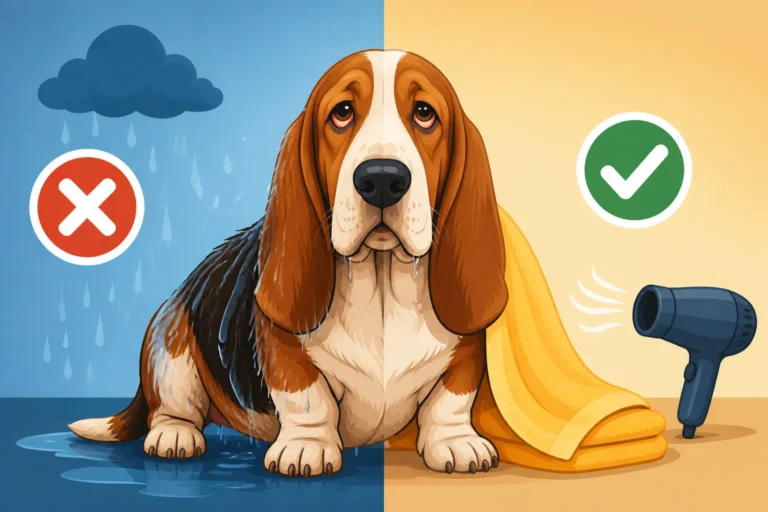
The work isn't over once you're back inside. A thorough post-walk routine is essential to prevent issues from snow exposure. Immediately remove any wet gear. Inspect your Basset Hound thoroughly. Check their paw pads for any signs of cracking, irritation, or ice balls between their toes. Thoroughly dry their entire body, paying special attention to their chest, belly, and all those wonderful skin folds. A towel rub is usually sufficient, but for very wet dogs, a low-heat hairdryer can be helpful, keeping a safe distance.
This is especially important for preventing skin irritation and fungal growth. Neglecting to dry their folds can lead to problems like Skin Fold Infections on a Basset Hound. It’s also a good time to check their ears, making sure they are dry and clean. A quick wipe down with a damp cloth can remove any salt or dirt from their face and mouth area.
Beyond the Walk: Winter Wellness for Your Low Rider
Keeping your Basset Hound happy and healthy in winter goes beyond just managing snowy walks. It involves ensuring they stay active, warm, and comfortable even when outdoor adventures are limited or conditions are extreme.
Indoor Enrichment and Exercise
On days when the snow is too deep, the ice is too slick, or the temperatures are just too low for a safe outdoor excursion, your Basset Hound still needs mental and physical stimulation. This is where indoor enrichment comes in. Scent work, which plays directly to their incredible natural abilities, is a fantastic option. Hiding treats around the house, using puzzle toys, or investing in a snuffle mat can keep their minds engaged and burn off some energy without leaving the warmth of your home. Whether Nose Work Tires a Basset Hound Out is a great question to explore, and for many Bassets, it absolutely does!
Consider indoor games like fetch (if you have space), or practicing new tricks. Even a short session of obedience training can provide mental exercise. For some Basset Hounds, particularly The Old Basset Hound That Cannot Get Off the Floor, gentle indoor exercises and stretching might be more appropriate than even short outdoor walks. Remember, even if they're not out braving the elements, their overall well-being still needs attention.
Recognizing Signs of Discomfort
As owners, we need to be our Basset Hounds' advocates, especially when they can't tell us exactly what's wrong. Be vigilant for signs that your Basset Hound is cold, uncomfortable, or unwell after being in the snow. This might include excessive shivering, reluctance to move, whining, licking paws or belly excessively, or a change in their usual demeanor. Pay close attention to changes in gait or limping, which could indicate soreness from the cold, a minor injury from slipping on ice, or even exacerbated joint pain if they suffer from conditions like Why One Basset Hound in Seven Has Bad Elbows.
If you suspect your Basset Hound is too cold, bring them inside immediately, dry them thoroughly, and provide a warm, comfortable place to rest, perhaps on an What an Orthopedic Bed Costs for a Basset Hound near a gentle heat source. If symptoms persist or worsen, contact your veterinarian. It’s always better to be safe than sorry, especially when dealing with cold exposure. Remember, a Basset Hound's natural stoicism can sometimes mask discomfort, so knowing your dog's normal behavior is key to spotting subtle changes.
Keeping Your Basset Hound Healthy in Cold Weather
While the focus here has been on snow and how their low build interacts with it, overall winter health for a Basset Hound encompasses more. It's about a holistic approach to their well-being when the mercury drops.
Maintaining Optimal Health
A healthy Basset Hound is better equipped to handle the stresses of cold weather. Ensure they are on a high-quality diet, like those offered by brands such as Ollie, providing them with all the necessary nutrients to maintain a healthy coat and immune system. What a Basset Hound Needs Every Day includes proper nutrition, which is vital for energy and internal warmth. Fresh water should always be available, as dehydration can still be a risk in winter, especially if they're not drinking as much as usual.
Regular veterinary check-ups are also important, particularly for older Basset Hounds or those with pre-existing conditions. Cold weather can sometimes aggravate conditions like arthritis or respiratory issues. Discuss any concerns you have about winter care with your vet, and ensure your Basset is up-to-date on all vaccinations and parasite prevention.
Other Winter Considerations
Beyond the immediate impact of snow, there are other aspects of winter life to consider for your Basset Hound.
- Pavement and Salt: Road salt and chemical de-icers can be extremely irritating and even toxic to dog paws. Always try to walk your Basset on untreated surfaces if possible. If they do walk on salted paths, clean their paws thoroughly with warm water when you get home.
- Ice Safety: Keep your Basset Hound away from frozen ponds or lakes. Their heavy bodies and short legs make them poor swimmers, and falling through ice can be disastrous. Even walking on thin ice can lead to slips and falls, causing injuries to their back or limbs.
- Car Safety: Just as in summer, never leave your Basset Hound unattended in a cold car. Temperatures can plummet rapidly, turning a car into a freezer. Whether a Basset Hound Feels the Cold is a genuine concern, and small spaces can become dangerously cold very quickly.
- Senior Bassets: Older Basset Hounds are often more susceptible to the cold due to decreased metabolism, thinner coats, and underlying joint issues. For them, Whether an Old Basset Hound Struggles to Stand becomes more pronounced in cold weather. They may need extra layers, shorter walks, and more vigilant observation to ensure they stay warm and comfortable.
By understanding your Basset Hound's unique physical traits and taking proactive steps, you can help them enjoy the winter season safely and comfortably. It takes a little extra effort, but seeing your happy, healthy Basset trotting through the snow (even if their chest is plowing a path!) makes it all worthwhile.
Disclaimer
This article is for general informational purposes only and does not constitute professional advice. Laws, prices and regulations vary by location and change over time. Consult a qualified professional for guidance on your specific situation.