Whether a Basset Hound Should Wear a Bandana
Ah, the classic bandana dilemma for our beloved Basset Hounds! Many of us owners find ourselves staring at those adorable patterned squares, wondering if our long-eared, droopy-faced companions would appreciate a bit of canine flair. But it's not always as simple as tying one on. The truth is, while a bandana can look incredibly charming, there are some very real, practical considerations and even potential frustrations that come with dressing up a Basset. This guide is here to walk you through everything you need to know about whether a bandana is truly a good idea for your Basset Hound, and what to keep in mind if you decide to go for it.
The Appeal and Pitfalls of Basset Hounds in Bandanas
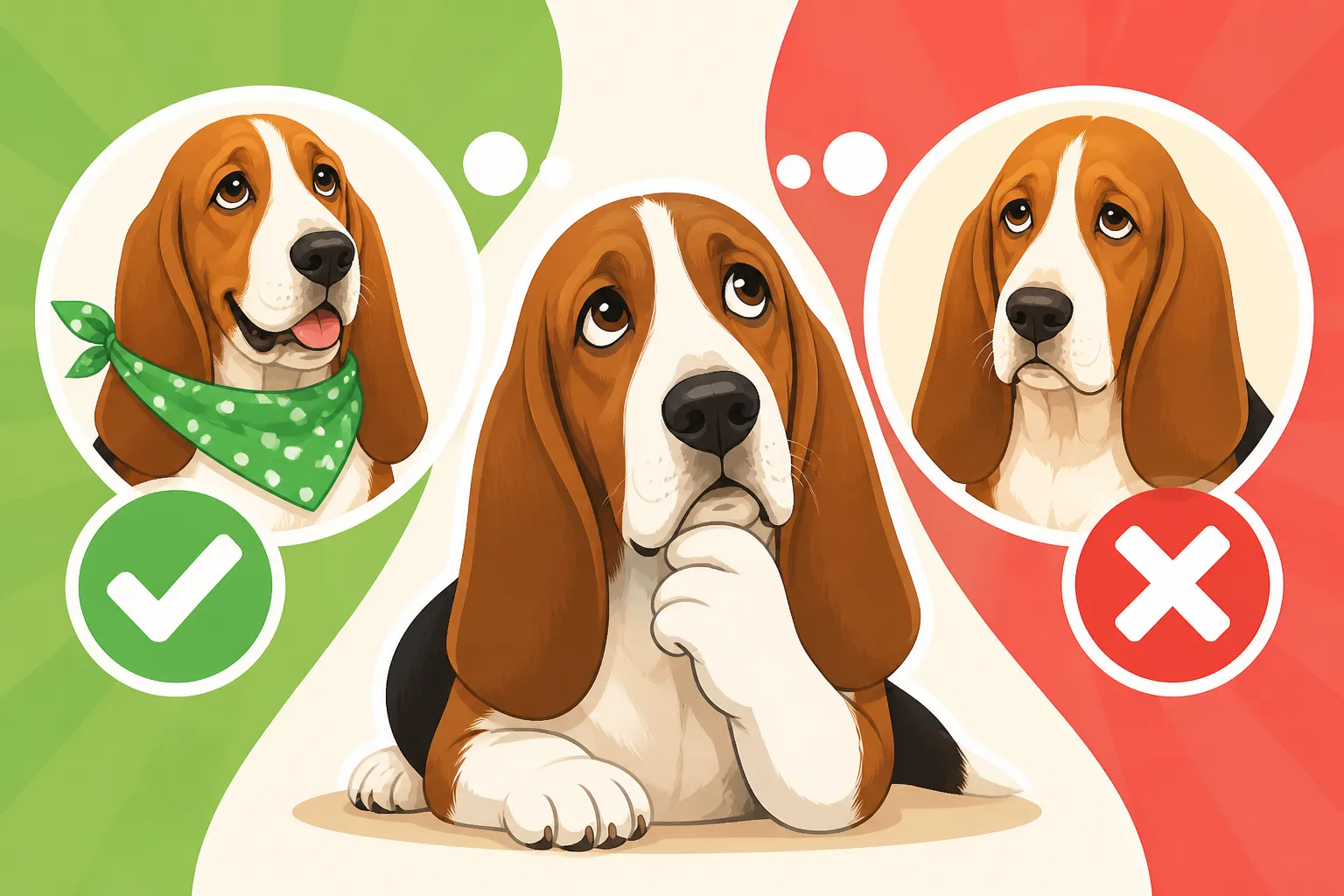
It’s easy to be charmed by the image of a Basset Hound sporting a jaunty bandana, especially with their inherently comical and endearing expressions. For many owners, it’s a way to show off their dog's personality, mark a special occasion, or simply add a bit of fun to their daily lives. However, the unique physical attributes of a Basset Hound can turn this seemingly innocent accessory into a source of discomfort, hygiene issues, or even a safety concern if not chosen and managed carefully. We love our Bassets for their distinctive features, but these very traits often require us to be more mindful about the things we put on them.
Why Owners Consider Bandanas for Their Bassets
Let's be honest, part of the appeal is purely aesthetic. Who doesn't love a cute dog photo for social media? A colorful bandana can highlight your Basset's sweet face or complement their gorgeous coat color. Beyond pure fashion, some owners use bandanas for practical reasons, like increasing visibility during walks, especially if you have a dog that loves to follow its nose into bushes and tall grass. A bright, reflective bandana can make a real difference. For those Bassets who are a bit more adventurous, or perhaps trying out a new activity like scent work or barn hunt, a team-colored bandana can be a fun way to show support and distinguish them from other participants. It's a way of saying, "Hey, that's my unique Basset, and they're ready for anything!"
The Unique Challenges Basset Hounds Present
Here's where the rubber meets the road. Basset Hounds, bless their hearts, are built quite differently from many other breeds, and these differences directly impact how a bandana might sit, feel, and function. Their prominent dewlap, that wonderful loose skin around their neck, is a prime example. While it adds to their charm, it also means a bandana can easily get bunched up, rub, or even become uncomfortably tight if it's not sized and tied correctly. Then there are those magnificent, long ears! They often sweep the ground, and can easily get tangled or caught in a bandana, leading to irritation or even damage if they're constantly tugged.
And let's not forget the drool! Oh, the drool. A Basset Hound's prodigious salivary glands mean any fabric around their mouth and neck is destined to become damp, if not outright soggy. The Drool a Basset Hound Produces and Cannot Swallow is a testament to this reality. A wet bandana isn't just a bit unsightly; it can become a breeding ground for bacteria and yeast, leading to skin irritation or even infections in their neck folds. This is especially true if your Basset is prone to Skin Fold Infections on a Basset Hound. The constant dampness can lead to a rather unpleasant odor, too, which kind of defeats the purpose of a "cute" accessory.
Practical Considerations for Bandana Use
When you're dealing with a Basset Hound, every decision about their care seems to involve a little more thought and a lot more mess, doesn't it? Choosing to put a bandana on your Basset is no different. It’s not just about picking a pretty pattern; it's about safeguarding their comfort, health, and cleanliness. You have to think about the material, the fit, and how often you’ll be wrestling it off for a wash.
Material Matters: Breathability and Absorbency
The type of fabric a bandana is made from is critically important for a Basset Hound. Given their tendency to drool and the presence of their deep neck folds, breathability is non-negotiable. Natural fibers like cotton are often a better choice than synthetic ones because they allow air to circulate, reducing the risk of moisture getting trapped against the skin. Imagine wearing a sweaty polyester scarf all day – not pleasant, right? Your Basset feels the same way.
Beyond breathability, absorbency is key. A bandana made of a more absorbent material will soak up some of that inevitable drool, preventing it from constantly sitting on their skin. However, this also means it will get wet faster and require more frequent washing. Consider moisture-wicking fabrics if you can find them, or opt for a bandana specifically designed for pets that might feature quick-dry properties. You might find a good selection of these on sites like Chewy or Amazon, where you can read reviews from other pet parents dealing with similar challenges.
Sizing and Fit: Avoiding Chafing and Irritation
This is perhaps the most crucial aspect when putting a bandana on a Basset Hound. Their unique build, with their broad chest, substantial neck, and generous dewlap, means a one-size-fits-all approach simply won't work. A bandana that is too tight will rub and chafe their sensitive neck skin, potentially leading to raw spots or even infection, especially in their folds. Whether a Basset Hound's Neck Folds Get Sore is a real concern, and a poorly fitting bandana will only exacerbate it.
Conversely, a bandana that is too loose can become a hazard. It might catch on things, get snagged, or even allow your Basset to chew on it, which isn't safe. It could also get twisted, becoming uncomfortable or blocking their airways if it shifts too much. The ideal fit should allow you to comfortably slip two fingers under the bandana, all the way around your Basset's neck. This ensures it's snug enough not to get caught or slip off, but loose enough for comfort and proper air circulation. Always check the fit after your Basset has moved around a bit, as their loose skin can cause the bandana to shift.
Hygiene: The Battle Against Drool and Dirt
As we've touched upon, Bassets are champion droolers. It's just part of their charm! But this means any bandana they wear will quickly become a magnet for moisture, food particles, and whatever interesting scents they've swept up with their long ears. Whether a Basset Hound's Ears Drag Through Its Food is a daily reality, and that mess can easily transfer to a bandana.
Regular washing is non-negotiable if your Basset is going to wear a bandana. You'll likely need to wash it daily, or at least every other day, depending on how much drool and adventure your Basset experiences. Having a rotation of a few bandanas on hand is a smart strategy, so you always have a clean one ready. Consider using a gentle, dog-safe detergent to avoid irritating their skin. Neglecting to wash it will lead to a smelly, dirty, potentially bacterial-laden accessory that can cause skin problems. Think of it as another item in the regular grooming routine, alongside How Often a Basset Hound's Ears Must Be Cleaned or Cleaning a Basset Hound's Face Wrinkles.
Alternatives and Best Practices
So, you love the idea of a little flair for your Basset, but the practicalities of a traditional bandana are starting to feel like more trouble than they're worth. Don't despair! There are other options out there that might suit your Basset Hound's unique needs better, and if you're set on a bandana, there are ways to make it work. It's all about understanding your dog and making choices that prioritize their comfort and health above all else.
When a Snood Might Be a Better Option
If your primary concern is keeping those magnificent ears out of the food bowl or protecting them from the elements, a snood is often a far more practical choice than a bandana. Snoods are essentially fabric tubes that fit over a dog's head and ears, holding them snugly and safely back. This is particularly useful during meal times to prevent the ears from dragging through food and water bowls – a common Basset Hound predicament! Whether a Basset Hound Needs a Snood at Dinner is a question many Basset owners ponder, and for good reason. A snood keeps their ears clean and dry, reducing the risk of ear infections and general mess.
Snoods also offer warmth in colder weather or protection from burrs and foxtails when your Basset is doing what it loves most: following its nose through dense undergrowth. Unlike a bandana, a well-fitting snood covers the ears completely, providing a physical barrier. While they might not offer the same fashion statement as a flashy bandana, their practicality for a Basset Hound is undeniable. You can find various snoods made from different materials, from lightweight mesh for summer to cozy fleece for winter, often available from pet supply retailers like Amazon.
Other Accessories for Visibility or Style
If the goal is visibility, a reflective vest or harness is a much more effective and safer option than a bandana. These items are designed specifically for safety, often incorporating bright colors and reflective strips that are easily seen in low light conditions. They are also typically less prone to getting caught or becoming uncomfortable than a bandana, especially when designed for a Basset's specific body type. For instance, a harness with a broad chest strap will distribute pressure evenly and avoid rubbing on their sensitive neck area.
For pure style, consider a festive collar for special occasions. Many companies make collars with fun patterns, bows, or even embedded lights. Since collars are already a necessary item for ID tags and leash attachment, opting for a decorative one for short periods can satisfy the desire for flair without adding an extra layer of fabric that needs constant management. Just remember to ensure any collar is still properly fitted and comfortable, allowing for two fingers underneath.
Tips for Safe and Comfortable Bandana Use
If you're still keen on a bandana, here are some best practices to ensure your Basset's comfort and safety:
- Choose the Right Type: Opt for tie-on bandanas over slip-on collar bandanas. Tie-on styles allow for more flexibility in adjusting the fit around your Basset's unique neck and dewlap.
- Material: Stick to breathable, natural fabrics like 100% cotton. Avoid heavy, thick, or synthetic materials that can trap heat and moisture.
- Size Appropriately: Measure your Basset's neck carefully and choose a bandana that gives you enough fabric to tie a comfortable knot without being too bulky. Remember the two-finger rule! It's always better for it to be a little larger so you can adjust.
- Limit Wear Time: Don't leave a bandana on your Basset 24/7. Take it off at night, and during extended periods indoors, to give their skin a break and allow for air circulation. This is especially important if your Basset has sensitive skin or a history of Whether a Basset Hound Gets Allergies.
- Regular Cleaning: As mentioned, wash bandanas frequently. Have several on rotation.
- Monitor for Irritation: Always check your Basset's neck and under their dewlap for any signs of redness, chafing, or irritation after wearing a bandana, especially in the early days. If you notice any issues, stop using it immediately.
- Consider Purpose: If it's just for a photo, put it on, snap the picture, and take it off. If it's for an event, ensure it's a short duration.
Deciding What's Best for Your Basset
Ultimately, whether a bandana is right for your Basset Hound comes down to a combination of factors: your dog's individual comfort, your willingness to maintain hygiene, and the specific purpose you have in mind. There's no single right or wrong answer, but there are definitely smarter and less smart ways to approach it. As with so many aspects of Basset ownership, a little forethought can save a lot of trouble (and veterinarian visits!).
Weighing the Pros and Cons
Let's break down the good and the not-so-good to help you make an informed decision for your unique companion.
| Feature | Pros of Basset Hounds Wearing Bandanas | Cons of Basset Hounds Wearing Bandanas |
|---|---|---|
| Aesthetics | Adds personality, cute for photos, enhances appearance. | Can look soggy/dirty quickly, might detract from natural charm if ill-fitting. |
| Hygiene | Can offer a slight barrier for drool (if absorbent). | Quickly gets wet, traps moisture, fosters bacteria/yeast, contributes to odor. |
| Comfort/Safety | Can increase visibility (if bright/reflective). | Risk of chafing, rubbing, irritation, especially in neck folds and dewlap. Can snag on things. |
| Practicality | Easy to put on for short periods. | Requires frequent washing, careful fitting, potential for constant adjustment due to loose skin. |
| Ear Management | None directly. | Can get tangled with long ears, causing discomfort or damage. |
When you look at this table, it becomes pretty clear that while the aesthetic appeal is strong, the practical downsides for a Basset Hound often outweigh the benefits, especially if worn for extended periods. The unique build of a Basset Hound, from their The Twelve Inch Ears a Basset Hound Was Given on Purpose to their loose skin, just isn't ideally suited for a constant neck accessory.
Prioritizing Your Basset's Well-being
At the end of the day, our Bassets are part of our family, and their comfort and health should always be our top priority. While it's fun to dress them up, any accessory should never compromise their well-being. If your Basset shows any signs of discomfort – scratching at their neck, rubbing against furniture, or acting withdrawn after wearing a bandana – it's a clear signal that it's not working for them. Some Bassets simply don't like things around their neck, and that's perfectly okay.
Remember, there are countless ways to express your Basset's unique personality and celebrate them without resorting to an accessory that might cause problems. Their goofy antics, their incredible nose, their expressive eyes – these are all parts of their charm. Giving them plenty of opportunities for Giving a Basset Hound's Nose Something to Do or simply enjoying a long, rambling walk together is often far more enriching for them than any piece of fabric. If you do choose to use a bandana, consider it a very occasional, supervised accessory, used sparingly and always removed promptly to prevent potential issues. Your Basset will thank you for putting their comfort first, even if they can't quite articulate it.
Disclaimer
This article is for general informational purposes only and does not constitute professional advice. Laws, prices and regulations vary by location and change over time. Consult a qualified professional for guidance on your specific situation.