Which Shampoo Suits a Basset Hound
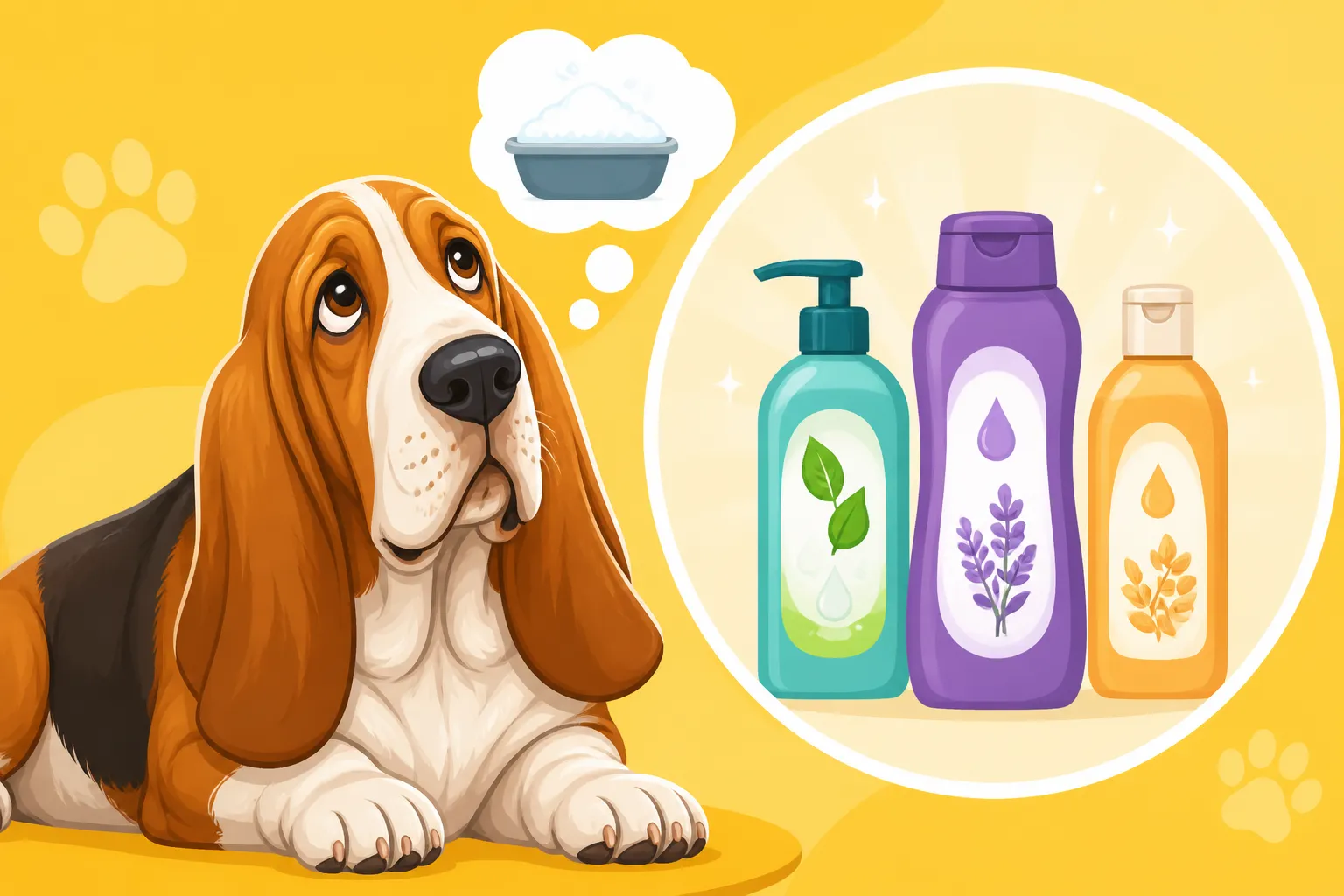
One of the biggest struggles Basset Hound owners face is keeping their beloved hounds clean and smelling fresh, especially with all those wonderful wrinkles and long, droopy ears. It's not just about a clean coat; the right bathing routine and, critically, the right shampoo can make a world of difference to their skin health and overall comfort. This guide is dedicated to helping you navigate the sometimes overwhelming world of dog shampoos to find the perfect match for your Basset, addressing their unique needs and ensuring they're as happy and healthy as they are charmingly scruffy.
Understanding Your Basset Hound's Unique Skin and Coat Needs
Before we even talk about specific shampoos, it's vital to grasp why Basset Hounds have particular bathing requirements. Their genetics have blessed them with an incredible nose and distinctive looks, but these very traits often come with specific care challenges, particularly concerning their skin and coat. Ignoring these can lead to chronic issues, discomfort, and even more frequent trips to the vet.
The Oily Skin and Its "Basset" Scent
Ah, the infamous "Basset Hound smell." It’s a topic of much discussion among owners, and while some chalk it up to pure Basset-ness, there’s a scientific reason behind it. Basset Hounds tend to have oilier skin than many other breeds. This isn't necessarily a bad thing; it's a natural protective layer. However, this excess oil, often mixed with environmental grime, can contribute to that characteristic musky odor. If not managed with regular, appropriate bathing, this oil can build up, leading to clogged pores, irritation, and a more pronounced smell.
Many owners find themselves constantly battling this scent, sometimes feeling like they've bathed their dog only for the smell to return quickly. This isn't a failure on your part, but rather a sign that your Basset’s skin needs a shampoo that can effectively cleanse without stripping their natural oils completely, which would only encourage more oil production. It's a delicate balance, and finding it is key to keeping them comfortable and your home smelling a bit sweeter. You might be interested in reading Whether a Basset Hound Smells Because of Its Skin for more insights.
Delicate Folds and Wrinkles
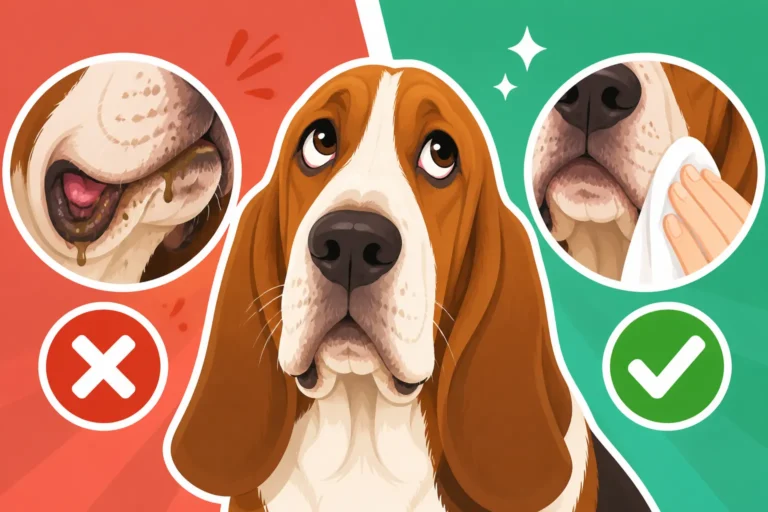
Those adorable, expressive wrinkles on a Basset Hound's face and neck are undeniably charming, but they are also magnets for moisture, food debris, and dirt. These skin folds create warm, dark, and often moist environments – the perfect breeding ground for bacteria and yeast. Without proper care, these areas are prone to developing irritating skin fold infections, medically known as skin fold dermatitis.
Think about it: after a meal, bits of kibble or slobber can get trapped in their jowls. After a drink, water can sit in those deep facial folds. Over time, this constant moisture and trapped debris can cause redness, inflammation, and a foul odor. A suitable shampoo needs to be gentle enough for these sensitive areas while effectively cleaning away irritants. Special attention must be paid to thoroughly rinsing and drying these folds to prevent problems from festering. This is why understanding The Skin Under a Basset Hound's Folds is so important.
Shedding and Coat Health
While Basset Hounds have short coats, don't let that fool you into thinking they don't shed. Oh, they do! Their dense, smooth coat sheds year-round, often in little needle-like hairs that seem to embed themselves into every fabric imaginable. A good shampoo and conditioner can play a significant role in maintaining coat health, reducing excessive shedding, and keeping their fur soft and manageable.
Shampoos that contain ingredients like omega fatty acids or specific conditioning agents can help strengthen the hair follicles, leading to less breakage and shedding. Regular bathing also helps to loosen dead hair, making it easier to brush out. This means less fur on your furniture and clothes, and a happier, healthier coat for your Basset. Consider Whether a Basset Hound's Coat Needs Brushing to complement your bathing routine.
Types of Shampoos: What to Look For (and Avoid!)
With so many dog shampoos on the market, choosing the right one can feel like a daunting task. It’s easy to grab the first one with a cute label, but for a Basset Hound, a more thoughtful approach is usually best. Knowing what ingredients to prioritize and what to steer clear of will guide you toward making the best choice for your furry friend.
Hypoallergenic and Gentle Formulas
For most Basset Hounds, especially those without specific skin conditions, a hypoallergenic or gentle formula is an excellent starting point. These shampoos are designed to minimize the risk of allergic reactions and irritation, which is crucial for a breed prone to skin sensitivities in their folds. Look for shampoos that list natural, soothing ingredients.
Ingredients to seek out:
- Oatmeal: A classic for a reason! Colloidal oatmeal helps soothe itchy, irritated skin and moisturizes.
- Aloe Vera: Known for its calming and healing properties, aloe can help reduce inflammation.
- Chamomile: Another natural soother, chamomile can help calm red skin.
- Coconut oil: Offers moisturizing benefits and can contribute to a healthy, shiny coat.
- Vitamin E: An antioxidant that can support skin health.
Ingredients to avoid:
- Artificial fragrances: While they make your dog smell "nice" temporarily, they are common irritants and allergens. Opt for unscented or naturally scented options.
- Harsh sulfates (like Sodium Lauryl Sulfate – SLS): These can be very stripping to natural oils, leading to dry, itchy skin.
- Parabens: Preservatives that some owners prefer to avoid in their pet products.
- Artificial colors: Provide no benefit and can sometimes cause irritation.
You can often find a wide selection of these gentle formulas from reputable brands on online retailers like Chewy or Amazon, making it easy to compare ingredients and read reviews from other Basset owners.
Medicated Shampoos for Specific Issues
Sometimes, a gentle shampoo isn't enough, especially if your Basset Hound is battling a persistent skin problem. This is where medicated shampoos come into play, but these should always be used under the guidance of your veterinarian. They are formulated with active ingredients to treat specific conditions like yeast infections, bacterial dermatitis, or severe itching.
Common types of medicated shampoos:
- Antifungal shampoos: Contain ingredients like miconazole or ketoconazole, effective against yeast infections often found in skin folds or ears. Whether a Basset Hound Gets Yeast Between Its Folds is a good read on this.
- Antibacterial shampoos: With ingredients such as chlorhexidine, these target bacterial skin infections, often indicated by pustules, redness, or a strong, unpleasant odor.
- Anti-itch/Anti-inflammatory shampoos: May contain hydrocortisone, pramoxine, or colloidal oatmeal in higher concentrations to provide relief from severe itching and inflammation.
- Seborrhea-treating shampoos: For Bassets with excessively oily or flaky skin (seborrhea), shampoos containing sulfur, salicylic acid, or coal tar can help regulate skin oil production and exfoliate.
It's crucial not to self-diagnose and treat with medicated shampoos, as using the wrong one could worsen the problem or delay proper treatment. Your vet can accurately identify the issue and recommend the most effective product. They can also advise on the frequency and duration of use, as medicated shampoos often require specific contact times to be effective. Exploring Whether a Medicated Bath Helps a Basset Hound can provide further context.
Deodorizing Shampoos
Many owners reach for "deodorizing" shampoos to combat the Basset smell. While some can be effective in the short term, it's important to understand how they work. Often, they contain stronger fragrances or ingredients designed to neutralize odors. The risk is that these stronger fragrances can sometimes be irritants for sensitive Basset skin.
If you opt for a deodorizing shampoo, choose one that also focuses on cleaning the skin thoroughly and uses natural, rather than artificial, odor neutralizers or scents. Ingredients like baking soda or activated charcoal are sometimes used. However, remember that if the underlying cause of the smell (e.g., trapped moisture in folds, yeast, or bacterial overgrowth) isn't addressed, the odor will likely return once the shampoo's fragrance fades. Focus on addressing the root cause, rather than just masking the smell.
Application Tips and Bathing Best Practices for Basset Hounds
Bathing a Basset Hound can be an adventure, from their deep chest making them heavy to lift, to their long ears getting in the way. However, with the right preparation and technique, you can make the process much smoother and more effective, ensuring the shampoo does its job properly and your Basset comes out feeling refreshed, not stressed.
Pre-Bathing Preparation
A little prep goes a long way when bathing your Basset. Trust me, trying to grab a towel with a sopping wet, wiggly hound in the tub is not fun! Start by gathering all your supplies: shampoo, conditioner (if using), towels, cotton balls, and treats for positive reinforcement.
First, give your Basset a good brush-through. This helps remove loose hair and any surface dirt, allowing the shampoo to penetrate the coat more effectively. Next, gently place cotton balls in your Basset's ears to prevent water from entering the ear canals. Those long, heavy ears already create a moist, enclosed environment, and getting water in them during a bath can exacerbate ear issues. Then, find a suitable bathing spot. A walk-in shower with a non-slip mat, a utility sink for puppies, or even an outdoor kiddie pool on a warm day can work. Ensure you have easy access to the water sprayer. For specific advice on cleaning their unique facial features, check out Cleaning a Basset Hound's Face Wrinkles.
The Washing Process: Lathering and Rinsing
Once your Basset is in the tub, wet their coat thoroughly with lukewarm water. Apply the shampoo, starting from their neck and working your way down their body, paying special attention to their back, chest, and legs. When you get to their head, be extra careful to avoid getting shampoo in their eyes and nose. Many owners prefer to use a damp washcloth with a tiny bit of diluted shampoo for their face.
Crucially, you need to gently but thoroughly work the shampoo into all those wonderful folds and wrinkles. Use your fingertips to gently massage the shampoo into the skin, making sure to lift and clean between all the creases. Allow the shampoo to sit for the recommended time (often 5-10 minutes for medicated shampoos, a few minutes for regular ones) before rinsing.
Rinsing is arguably the most important step for a Basset Hound. Any shampoo residue left behind, especially in the skin folds, can cause irritation, itching, and lead to skin problems. Rinse, rinse, and rinse again! Run your hands over their coat, feeling for any slippery residue. Focus on the underside, chest, and all those facial and neck folds until the water runs completely clear and their fur feels squeaky clean. You'd be surprised how much longer it takes to truly rinse a Basset compared to other breeds. For guidance on how often to endure this process, see How Often a Basset Hound Should Be Bathed.
Post-Bath Care: Drying and Skin Checks
After a thorough rinse, your Basset will be a dripping, happy (or perhaps slightly tolerant) puddle. Gently squeeze excess water from their coat. Then, grab those towels and start drying! Basset Hounds can get surprisingly chilly after a bath, and thorough drying is essential to prevent skin issues.
Pay meticulous attention to drying every single fold and wrinkle. Use a clean, soft towel to gently blot and wipe inside each crease on their face, neck, and even between their toes if they have deeper interdigital folds. Moisture left in these areas is an open invitation for yeast and bacteria to multiply, leading to those frustrating infections. Some owners even use a cool setting on a hairdryer for extra thorough drying, being sure not to hold it too close and to keep the air moving. Once dry, remove the cotton balls from their ears.
While drying, it's a perfect opportunity to perform a quick skin check. Look for any redness, irritation, bumps, or flaky patches that might indicate a problem. This regular check-up allows you to catch potential issues early. For tips on managing moisture in other areas, consider Whether a Basset Hound's Ears Should Be Dried After a Bath.
Recommended Brands and Where to Find Them
Choosing the right shampoo for your Basset Hound can feel like a quest, but thankfully, there are many excellent products available that cater to their specific needs. While I can't name specific prices or current formulations, I can guide you on types of products and where you can reliably find them.
Gentle Everyday Shampoos
For Basset Hounds with healthy skin, a gentle, moisturizing shampoo is usually the best bet for regular bathing. Look for brands that clearly state "hypoallergenic," "sensitive skin," "oatmeal formula," or "natural ingredients" on their labels. These are less likely to contain harsh chemicals or artificial fragrances that could irritate your Basset's delicate skin. Many popular pet care brands offer excellent options in this category.
When shopping, look for products that emphasize ingredients like colloidal oatmeal, aloe vera, and mild cleansers. You can find a vast array of these gentle shampoos from various brands on large online pet retailers like Chewy, which often provides detailed ingredient lists and customer reviews that can be very helpful. Amazon is another excellent resource, offering a wide selection of dog shampoos, from everyday options to more specialized formulas. Just be sure to read reviews specifically from owners of breeds with sensitive skin or folds.
It's also worth considering a matching conditioner. After shampooing, a gentle conditioner can help restore moisture to the skin and coat, making it softer, shinier, and less prone to static or tangles, which can indirectly help manage shedding. Look for lightweight conditioners that rinse easily and don't leave a heavy residue.
Specialist Options and Veterinary Guidance
If your Basset Hound is struggling with recurring skin issues like yeast infections, bacterial dermatitis, or severe allergies, a standard gentle shampoo simply won't cut it. In these cases, you absolutely need to consult your veterinarian. They can diagnose the underlying problem and prescribe or recommend a specific medicated shampoo tailored to your dog's condition.
Veterinary dermatologists often recommend specific medicated lines that contain active ingredients such as chlorhexidine (for bacteria), miconazole (for yeast), or specialized formulations for seborrhea or severe itching. These aren't typically available on general retail shelves and usually require a prescription or direct recommendation from your vet. Your vet might also suggest a particular bathing protocol, such as how often to bathe and how long to leave the medicated shampoo on before rinsing. This partnership with your vet is crucial for getting stubborn skin conditions under control.
Importance of a Holistic Approach
Remember, shampoo is just one piece of the puzzle when it comes to your Basset Hound's skin and coat health. A holistic approach that includes diet, supplements, and regular checks is also essential. Ensuring your Basset is on a high-quality diet, potentially supplemented with omega-3 fatty acids, can support skin health from the inside out. Regularly cleaning their facial folds with appropriate wipes (like those you might find on Amazon or Chewy) can also prevent issues between baths. Whether a Basset Hound's Skin Folds Need Cleaning delves deeper into daily fold care.
Choosing the right shampoo for your Basset Hound doesn't have to be a guessing game. By understanding their unique needs, knowing what ingredients to look for and avoid, and following best bathing practices, you can keep their skin healthy, their coat clean, and that characteristic "Basset smell" much more manageable. Don't be afraid to try a few different gentle options or, if issues persist, talk to your vet about specialized solutions. Your Basset will thank you for it with happy wags and soft, clean cuddles!
Disclaimer
This article is for general informational purposes only and does not constitute professional advice. Laws, prices and regulations vary by location and change over time. Consult a qualified professional for guidance on your specific situation.