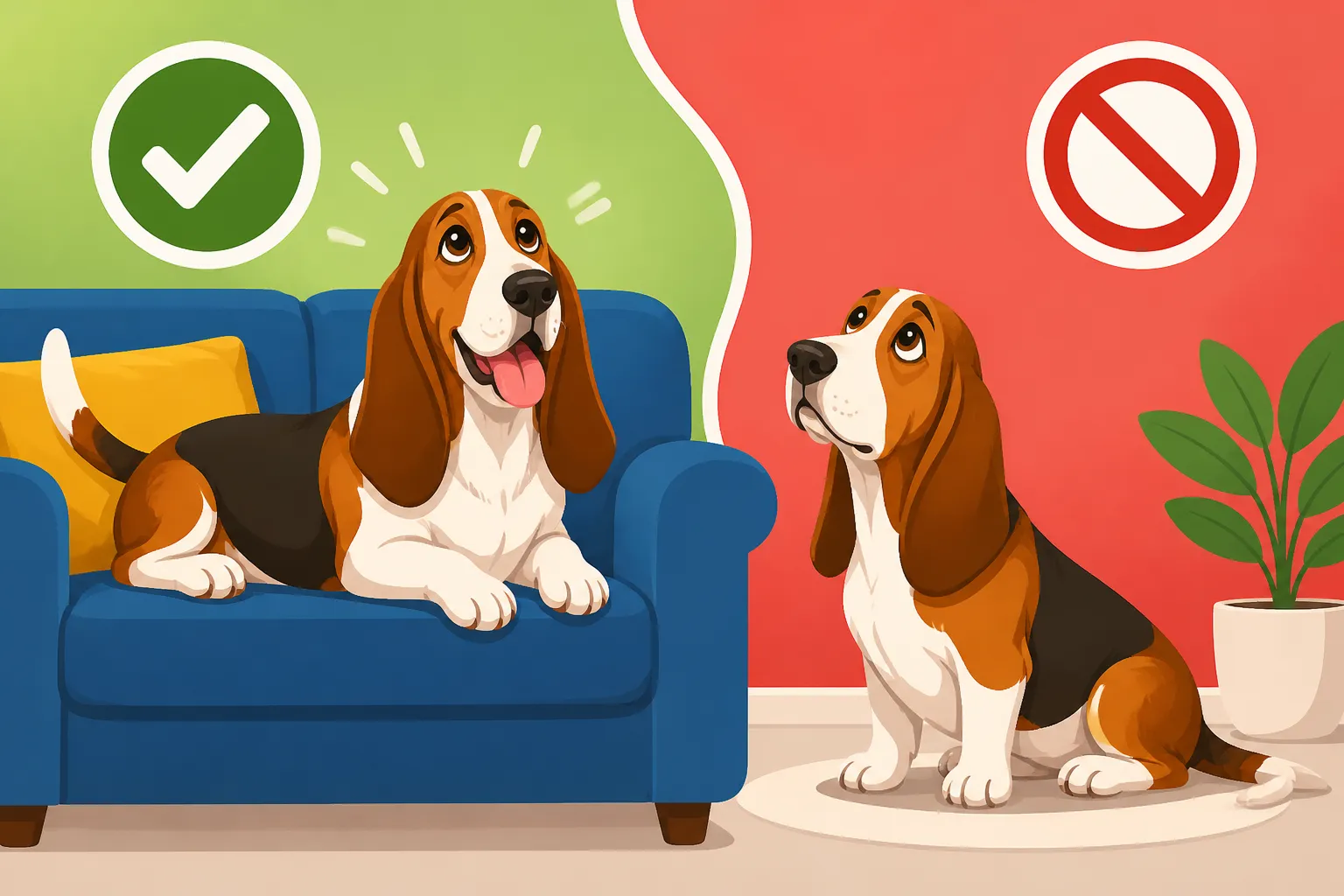
Whether a Basset Hound Should Jump Onto the Sofa
It's a familiar sight for any Basset Hound owner: those big, soulful eyes looking up at you from the floor, then slowly, deliberately, shifting their gaze to that comfy spot right next to you on the sofa. Your heart melts, and before you know it, your long, low friend has somehow launched themselves up, often with an awkward thump that makes you wince a little. We all love having our Bassets close, curled up on the couch for a cuddle, but a nagging worry often pops up: should they be jumping on and off the furniture at all? This guide will dive deep into the allure of the sofa for our floppy-eared companions, explore the very real risks their unique build presents, and offer practical, loving solutions to keep them safe and comfortable without sacrificing those precious snuggle times.
The Lure of the Sofa for a Basset Hound
Let's be honest, who can blame them? Sofas are soft, they're warm, and most importantly, they're where we are. For a breed so deeply bonded with their humans, being physically close is a huge part of their happiness. Understanding this deep-seated desire helps us approach the question of sofa access with empathy, rather than just strict rules.
Why Basset Hounds Love Elevated Comfort
Imagine spending your life with your nose to the ground, sniffing out every exciting scent the world has to offer. It's exhilarating, yes, but also a lot of work! When it's time to relax, a Basset Hound craves comfort just as much as we do, if not more. The sofa, with its plush cushions and elevated position, offers a prime spot for them to survey their domain, get a better view of the goings-on, and simply feel cozy. After a long "hunt" around the yard or even just a particularly intense nap on the cool floor, the soft embrace of a sofa is incredibly inviting. They seek out that warmth and softness, especially as they get a little older and their joints might appreciate a gentler surface than a hard floor.
The Allure of Family Proximity
Basset Hounds are, at their core, pack animals. They thrive on companionship and want to be involved in whatever their human pack is doing. If the pack leader (that's you!) is on the sofa, then that's exactly where they want to be. It's not just about comfort; it's about connection. They want to lay their heavy head on your lap, sigh contentedly as you scratch behind their long ears, and generally soak up all the affection they can get. Denying them access can feel like denying them a fundamental part of their bond with you, which is a tough pill for any Basset owner to swallow. It's a testament to their loving nature that they will go to such lengths, sometimes physically awkward ones, just to be near us.
The Physical Risks of Jumping for a Basset Hound
While their desire for sofa snuggles is undeniably sweet, it’s crucial to understand the very real physical dangers that jumping on and off furniture poses to a Basset Hound. Their distinctive, endearing build, which makes them such unique and beloved companions, also comes with inherent vulnerabilities.
Understanding Their Unique Anatomy
Basset Hounds are famous for their long, heavy bodies and short, sturdy legs. This body type, known as chondrodystrophic, is a result of a genetic trait that affects cartilage development. While it gives them their iconic appearance, it also means their spine is considerably longer and more prone to issues than breeds with more proportionate bodies. Every jump, every jarring landing, puts undue stress on their intervertebral discs. These discs act as shock absorbers between the vertebrae, and with repeated impact or an awkward twist, they can bulge, herniate, or rupture. This condition, called Intervertebral Disc Disease (IVDD), can be incredibly painful, leading to mobility issues, nerve damage, and in severe cases, even paralysis.
It's not just the spine; their entire skeletal structure is designed for slow, deliberate trailing, not sudden leaps. Their front legs, often described as The Crooked Front a Basset Hound Is Built On, are robust but not built for absorbing high-impact forces. Imagine trying to spring up and down with short, heavy limbs supporting a long, heavy torso – it's a recipe for strain. We often worry about The Back Trouble a Basset Hound Is Built Into, and for very good reason, as IVDD is a serious concern for the breed. Allowing them to repeatedly jump off furniture, especially tall sofas or beds, significantly increases their risk of these debilitating back problems, which can lead to heartbreaking decisions and expensive veterinary care.
The Impact on Joints and Mobility
Beyond the spinal column, the constant jarring from jumping can take a severe toll on a Basset Hound's joints. Their elbows, shoulders, and hips absorb a significant amount of impact force each time they land. Over time, this repetitive stress can accelerate the development or worsening of conditions like arthritis. Even if your Basset isn't showing signs now, continuous jumping can contribute to cartilage degradation and inflammation, manifesting as stiffness, pain, and reduced mobility as they age.
Think about a Basset Hound carrying What Extra Weight Does to a Basset Hound. Even a few extra pounds dramatically magnify the stress on those already vulnerable joints and spine with every jump. While a spry young Basset might seem to leap with ease, the cumulative effect of these small traumas can lead to significant discomfort and pain in their senior years. This is particularly relevant as many Basset Hounds, sadly, eventually become The Old Basset Hound That Cannot Get Off the Floor. Preventing excessive jumping from a young age is a preventative measure that can truly improve their quality of life as they mature, helping to keep them active and comfortable for as long as possible. We want to enjoy our dogs' companionship for The Ten to Twelve Years a Basset Hound Lives, and protecting their joints and spine is key to that longevity.
Practical Solutions for Sofa Access
So, if jumping is out, does that mean no more sofa snuggles? Absolutely not! The good news is that there are wonderful, safe alternatives that allow your Basset Hound to join you on the couch without risking their precious health. It's all about making smart choices and perhaps a little bit of training.
The Benefits of Ramps and Steps
This is where ramps and steps become your best friend, and crucially, your Basset's best friend. Instead of relying on awkward jumps and heavy landings, a ramp provides a gentle incline, allowing them to walk up and down smoothly, distributing their weight evenly and eliminating impact. Steps work similarly, providing smaller, manageable rises that reduce the strain on their long backs and short legs.
When choosing between a ramp and steps, consider your Basset's specific needs. Some Bassets take to ramps more easily, appreciating the continuous surface. Others might prefer the distinct platforms of steps. Look for models with non-slip surfaces, sturdy construction, and a gentle incline or low rise. Materials vary from lightweight plastic to wood, and many are foldable or adjustable, making them versatile for different furniture heights or even for travel. You can find a fantastic selection of options at major online retailers like Chewy or Amazon. These platforms offer a range of sizes and styles to suit your home décor and your Basset's needs. Investing in one is a small price to pay for the long-term health of their spine and joints, and it means you don't have to sacrifice those cuddle sessions. Whether a Basset Hound Should Use a Ramp is a question with a resounding yes, especially for furniture access. For car travel, similar products can be invaluable; consider What a Ramp for the Car Costs a Basset Hound Owner to protect their backs during adventures outside the home too.
Training for Safe Sofa Habits
Once you have your ramp or steps, the next step is teaching your Basset Hound to use them. Patience and positive reinforcement are key here. Bassets can be a little, shall we say, deliberate in their learning, but they are also highly food-motivated!
Start by placing the ramp or steps next to the sofa. Use high-value treats to lure your Basset up and down, praising them enthusiastically with every successful step or climb. Initially, you might need to guide them with a leash or your hand. Make it a fun game, not a chore. Keep training sessions short and positive, ending on a successful note. Never force them or scold them if they're hesitant; this can create a negative association. Repeat this process several times a day until they confidently use the aid on their own. Consistency is vital. If you allow them to jump sometimes and use the ramp other times, they'll be confused and likely choose the easier, but more dangerous, jumping option. For those times when you absolutely need to get them off the sofa quickly or into the car, remember How to Lift a Basset Hound Safely to minimize strain on their back, but ideally, the ramp or steps should be their primary method.
Creating a Basset-Friendly Home Environment
Beyond just the sofa, thinking about your entire home environment with your Basset Hound's unique needs in mind can make a huge difference in their long-term health and comfort. It's about proactive care and making smart choices that support their well-being at every stage of their life.
Alternative Comfortable Resting Spots
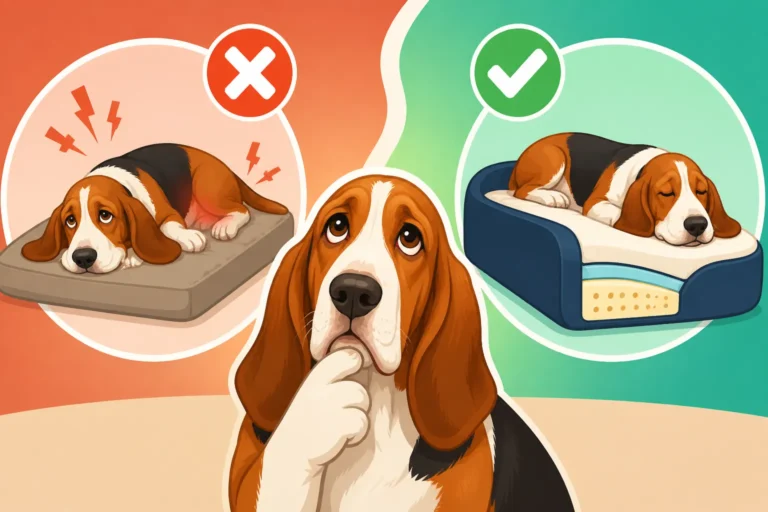
While the sofa is a prime location, it shouldn't be the only prime location in your home. Providing several other comfortable, easily accessible resting spots gives your Basset options and reduces the constant temptation to jump onto forbidden furniture. Orthopedic dog beds are an absolute game-changer for Basset Hounds. These beds are designed to support their joints and spine, offering superior cushioning and pressure relief. Look for beds with dense, supportive foam that won't flatten out over time. Many excellent brands are available, and you can find a wide variety of sizes and styles on sites like Chewy and Amazon, which cater specifically to larger, heavier breeds or those with orthopedic needs. What a Bed That Suits a Basset Hound Costs is a common question, but consider it an investment in their comfort and health. An even better choice is Whether a Basset Hound Should Have an Orthopedic Bed – and the answer is almost always yes, regardless of their age or current mobility. Place these beds in your living room, bedroom, or any area where you spend a lot of time, so your Basset can still feel close to you without needing to jump.
Managing an Older or Less Mobile Basset
As Basset Hounds age, their mobility naturally declines, and joint issues or back pain can become more pronounced. For these senior dogs, proactive management of their environment becomes even more critical. The Old Basset Hound That Cannot Get Off the Floor is a heartbreaking reality for many owners, but with thoughtful adjustments, we can greatly improve their quality of life. Continue to encourage the use of ramps and steps for all elevated surfaces. You might also consider strategically placing rugs or non-slip mats on slippery floors to provide better traction and prevent falls, which can be devastating for a dog with an already compromised spine or joints.
For an older Basset who struggles to get up or down, assisting them gently is part of the daily routine. Learning how to properly support their long body when they need a little help can prevent further injury to both you and them. Helping an Old Basset Hound Onto the Couch might involve a gentle lift of their hindquarters while they manage their front, or simply guiding them to their ramp. Regular, gentle exercise appropriate for their age and condition, maintaining a healthy weight, and discussing joint supplements with your vet are all vital components of caring for an aging Basset. These measures not only contribute to their physical comfort but also maintain their dignity and connection with the family they cherish so deeply.
Here's a quick look at the considerations for Basset Hounds and sofa access:
| Feature | Unrestricted Jumping On/Off Sofa | Using Ramps/Steps for Sofa Access |
|---|---|---|
| Spinal Health | High risk of IVDD, disc herniation, nerve damage due to impact. | Significantly reduces spinal stress, protects discs. |
| Joint Health | Increased wear and tear on elbows, shoulders, hips; accelerates arthritis. | Lowers impact on joints, preserving cartilage and mobility. |
| Safety Risk | Potential for awkward landings, slips, falls, especially for older or clumsy Bassets. | Provides stable, controlled ascent/descent, minimizing fall risk. |
| Ease of Access | Instant gratification for the dog, but potentially painful later. | Requires initial training, but offers safe, consistent access. |
| Owner Effort | No initial effort, but high potential for costly vet bills and management of chronic pain. | Initial investment in equipment and training time; long-term peace of mind and dog comfort. |
| Dog's Comfort | Short-term comfort from snuggles, long-term pain risk. | Safe, comfortable access to preferred resting spots and family. |
| Longevity | May shorten active lifespan due to mobility issues. | Supports healthier, more active senior years. |
Disclaimer
This article is for general informational purposes only and does not constitute professional advice. Laws, prices and regulations vary by location and change over time. Consult a qualified professional for guidance on your specific situation.