The Year the AKC Recognized the Basset Hound
For many of us who adore the Basset Hound, there’s a deep connection to their unique look and undeniable charm. But have you ever stopped to wonder how this distinctive breed became such a beloved fixture in American homes and dog shows? It wasn't an overnight journey, and understanding when and how the American Kennel Club (AKC) officially recognized them helps us appreciate the careful preservation and passion that shaped the Basset Hound we know today. This guide will walk you through the historical journey of the Basset Hound, from its ancient European origins to its official welcome into the American canine registry.
A European Legacy: The Basset Hound's Early Roots Before America
Before the Basset Hound ever set paw on American soil, its lineage stretched back centuries across the European continent. These remarkable hounds didn't just appear; they were meticulously developed for a specific purpose, a history that deeply influenced their eventual recognition and enduring appeal. Understanding this long history is key to appreciating their journey.
The French Hunting Tradition and Low-Slung Hounds
The story of the Basset Hound truly begins in France, often traced back to the medieval abbeys of Saint Hubert. Imagine a time when hunting wasn't just a sport for the aristocracy, but a practical means of putting food on the table. Hunters needed dogs that could follow a scent trail relentlessly, often through dense undergrowth, but at a pace that could be followed on foot. This is where the "basset" type of hound came into its own. The word "basset" itself is derived from the French word "bas," meaning "low." These low-to-the-ground hounds were perfect for working a cold trail, their short legs ensuring a slower, more deliberate pace than their taller counterparts. They were originally bred to hunt small game like rabbits and badgers, their incredible noses pressed close to the ground, hoovering up every wisp of scent. Where the First Basset Hounds Came From sheds more light on these early beginnings.
This development wasn't random; it was a deliberate choice by hunters who wanted a dog suited to specific terrain and a particular hunting style. They needed a hound that could vocalize, baying loudly to announce their finds and allow hunters to keep track of them in thick woods. This persistent, melodic bay, a hallmark of the breed today, was a crucial working trait. The selective breeding over generations for these very characteristics – exceptional scenting ability, short legs, long ears to sweep scent upwards, and that distinctive vocalization – laid the genetic foundation for the Basset Hound we cherish. It’s fascinating to think that the very traits we find endearing today were once purely functional in a working environment. Why French Hunters Wanted a Slow Hound delves into this hunting preference in greater detail.
Early Introductions to England and Beyond
While undeniably French in origin, the Basset Hound's path to global recognition wasn't a straight line. Its charm and utility eventually caught the attention of enthusiasts beyond France's borders, particularly in England. By the mid-19th century, several types of Basset Hounds were being imported into Britain. These early imports weren't always consistent in type, and there was a period of cross-breeding and refinement to establish a more uniform appearance. British breeders and fanciers saw the potential in these unique hounds, not just for hunting but as distinctive companion animals. The Queen herself was said to have an interest, which certainly helped to boost their profile among the upper classes.
This period of consolidation in England was vital for the breed's future. It was here that many of the characteristics we associate with the modern Basset Hound began to be firmly established and documented. The British Kennel Club recognized the breed relatively early, setting a precedent for formal acknowledgement. This laid the groundwork for its eventual journey across the Atlantic. Without this intermediate step, and the dedicated efforts of breeders to refine and promote the breed outside its native France, the Basset Hound's arrival and acceptance in America might have taken a very different, and much longer, route. When the Basset Hound Reached Britain offers a deeper dive into this important period.
The Basset Hound Arrives in America: Early Days and Growing Interest
The voyage across the Atlantic was a significant one for many European breeds, and the Basset Hound was no exception. Its arrival in America marked the beginning of its unique story in the New World, fueled by a small but passionate group of admirers who saw something truly special in these long-eared, soulful-eyed dogs.
Initial Imports and Enthusiasts
The first Basset Hounds are believed to have made their way to America in the late 19th century, largely thanks to enthusiastic individuals who were captivated by their charm and hunting prowess. One of the most notable figures in this early period was General George Washington Custer, though it's important to clarify that while he was an advocate for hounds and owned some, it was primarily his brother, Thomas Custer, who was instrumental in importing French Basset Hounds around 1880. These were not merely pets; they were brought over with the intention of being working hounds, used for trailing game in a similar fashion to their European ancestors. This initial wave of imports, though small, planted the seed for the breed's future in the United States.
These early American Basset Hound owners weren't just casual enthusiasts; they were often dedicated sportsmen and women who appreciated the breed's incredible scenting abilities. They recognized that the Basset's unique conformation—its short legs and powerful nose—made it perfectly suited for certain types of hunting in the American landscape. These pioneering owners were key to spreading awareness and cultivating interest in the breed, often showcasing their hounds at informal gatherings and local events. This grassroots enthusiasm was the bedrock upon which official recognition would eventually be built, demonstrating that there was a growing community eager to see the Basset Hound established.
Forming Early Breed Clubs and Societies
As more Basset Hounds arrived and their numbers slowly grew, the need for a more organized approach became evident. Dedicated owners and breeders understood that for the breed to thrive and maintain its unique characteristics, there needed to be a collective effort. This led to the formation of early breed clubs and societies, driven by individuals who wanted to ensure the Basset Hound's future in America was both healthy and true to its heritage. These clubs served several vital functions: they provided a forum for owners to share knowledge, established informal breeding guidelines, and, crucially, began the process of advocating for formal recognition with larger canine organizations.
These early clubs were essentially the bedrock of the American Basset Hound community. They worked tirelessly to educate the public about the breed, distinguishing it from other short-legged hounds and emphasizing its specific traits. They started keeping meticulous records of pedigrees and births, which was a significant step towards formalizing the breed's presence. Without these dedicated individuals and their collective efforts to organize and document, the Basset Hound might have remained a niche interest rather than becoming one of America's most recognizable and beloved breeds. Their passion and commitment paved the way for the momentous decision by the American Kennel Club.
The Road to AKC Recognition: The Formal Process and Key Milestones
For any dog breed to achieve widespread recognition and legitimacy in the United States, obtaining official status from the American Kennel Club (AKC) is a crucial step. This process isn't just about filling out paperwork; it involves establishing a consistent breed standard, demonstrating a viable population, and proving a dedicated commitment to the breed's future. For the Basset Hound, this journey culminated in a landmark year.
Setting the Standard: What It Meant to Be a Basset Hound
Before a breed can be recognized, there must be a clear and comprehensive "standard" that defines what an ideal specimen should look like and how it should behave. This breed standard is essentially the blueprint for future breeding, ensuring consistency and preserving the unique traits of the Basset Hound. For the AKC, this meant defining everything from its famous long, velvety ears – which are so essential to its scenting ability by sweeping ground scent up to its nose – to its short, powerful, slightly bowed legs, its deep chest, and its distinctive mournful yet gentle expression. The standard also covers acceptable colors, coat texture, tail carriage, and even temperament, emphasizing the Basset's calm, amiable, and devoted nature.
Developing and agreeing upon this standard was a significant undertaking, requiring collaboration among early Basset Hound enthusiasts and breeders. They had to reconcile variations that naturally existed among the imported dogs and decide which traits were most essential to the breed's identity and function. This standard became the guiding document for judges in the show ring and for breeders striving to produce healthy, type-correct puppies. It's a living document that safeguards the breed's characteristics, ensuring that a Basset Hound today still embodies the essence of its ancestors. You can learn more about its unique physical traits in Why a Basset Hound's Legs Are So Short and How Heavy a Basset Hound Really Is.
The Pivotal Year: 1884 and Beyond
The efforts of early American Basset Hound aficionados bore fruit in the year 1884, when the American Kennel Club officially recognized the Basset Hound. This was a monumental achievement, transforming the breed from an interesting import into a recognized and legitimate member of the American canine landscape. This recognition meant that Basset Hounds could now compete in AKC-sanctioned dog shows, earn championship titles, and have their pedigrees formally registered. It was a stamp of approval that validated the breed's presence and provided a framework for its systematic development and preservation in the country.
The impact of this recognition was immediate and far-reaching. It brought a new level of prestige and visibility to the Basset Hound, attracting more serious breeders and owners. This formal status also encouraged greater adherence to the breed standard, as dogs had to meet specific criteria to be competitive in the show ring. While 1884 marked the official recognition, it was just the beginning of the Basset Hound's journey within the AKC system, leading to decades of dedicated breeding, showing, and public appreciation. It cemented their place, making them not just hunting dogs, but cherished companions and competitors.
Here's a simplified timeline of the Basset Hound's journey to AKC recognition:
| Event | Approximate Period/Year | Significance |
|---|---|---|
| Origin in France | Medieval Era | Development of low-slung hounds for hunting on foot. |
| Introduction to England | Mid-19th Century | Refinement and popularization of the breed outside France. |
| First Imports to USA | Around 1880 | Initial arrival in America, fostering early enthusiast groups. |
| AKC Official Recognition | 1884 | Formal acceptance, allowing show competition and pedigree registry. |
| Continued Breed Development | 1884 – Present | Growth in popularity, refinement through showing and ethical breeding. |
Impact of AKC Recognition: How It Shaped the American Basset Hound
AKC recognition wasn't just a ceremonial nod; it fundamentally changed the trajectory of the Basset Hound in America. It shifted the focus in some ways, elevated its status, and opened doors for the breed to become a household name. This formal stamp of approval brought both opportunities and new responspectives for breeders and owners.
The Rise of the Show Ring and Breed Preservation
With AKC recognition came the ability for Basset Hounds to enter the competitive world of conformation dog shows. This environment, while sometimes controversial, played a crucial role in shaping the breed. Shows provided a platform for breeders to evaluate their dogs against the official breed standard, promoting uniformity and encouraging the breeding of dogs that embodied the ideal Basset Hound type. The emphasis on structure, movement, and temperament in the show ring undoubtedly contributed to the physical consistency and soundness of the breed as it grew in popularity. It also gave breeders a goal: to produce dogs that not only looked the part but also maintained the gentle and placid temperament characteristic of the breed.
This focus on show quality, however, also highlighted a growing divergence between "show lines" and "hunting lines." While the AKC standard was rooted in the breed's working heritage, the demands of the show ring sometimes led to an emphasis on certain aesthetic traits over strict working ability. Despite this, the show ring's primary benefit was its role in breed preservation, ensuring that enough Basset Hounds were being bred to a recognized standard, preventing dilution or loss of key characteristics. Dedicated breeders, often sourcing supplies from retailers like Chewy, were instrumental in producing generations of Bassets that met these exacting standards, allowing the breed to flourish. The Split Between Show and Hunting Basset Hounds further explores this dynamic.
The Basset Hound's Place in American Hearts and Homes
Beyond the show ring, AKC recognition significantly boosted the Basset Hound's public profile, helping it transition from a hunting specialist to a beloved family companion. The breed’s unique appearance – those impossibly long ears, soulful eyes, and distinctive wrinkled brow – combined with its calm and affectionate nature, captured the hearts of Americans. The visibility gained from being featured in dog shows, coupled with their increasing presence in media and advertising, cemented their image as a friendly, endearing dog. This surge in popularity meant more Basset Hounds found their way into homes as pets, rather than solely as working animals.
This growing affection also led to a deeper understanding of their specific care needs. Owners began seeking out specialized products, from slow-feeder bowls to prevent them from bolting their food to orthopedic beds that support their unique spinal structure. Resources like Chewy became invaluable for new and seasoned Basset owners alike, offering a wide array of products tailored to their needs. The Basset Hound's reputation as a loyal, easygoing, and often comical companion grew, making it a popular choice for families looking for a gentle and devoted pet. It wasn't just about their looks; it was about their undeniable personality and their ability to integrate seamlessly into various household dynamics, even if they sometimes struggled with house training or preferred the scent of a discarded crumb over a direct command. The Household a Basset Hound Actually Fits talks more about their suitability as family pets.
Challenges and Evolution Post-Recognition: Maintaining the Breed's Essence
While AKC recognition was a triumph, it didn't mean the end of challenges for the Basset Hound breed in America. Over the decades, breeders and enthusiasts have continuously grappled with balancing the breed's historical purpose, its unique conformation, and its health, all while maintaining its distinctive charm.
Balancing Function and Form
One of the ongoing discussions within the Basset Hound community revolves around maintaining the balance between "function" (its original hunting abilities) and "form" (its conformation to the breed standard, often for show purposes). Historically, the Basset was a working hound, and its physical traits, from its scent-collecting ears to its powerful, low-slung body, were all geared towards trailing game. However, as the breed gained popularity in the show ring, there was a natural tendency to emphasize certain aesthetic characteristics, sometimes leading to exaggerations that could potentially impact health or working ability. For example, some argue that overly long ears or excessive skin folds, while charming, can exacerbate health issues like ear infections or skin problems.
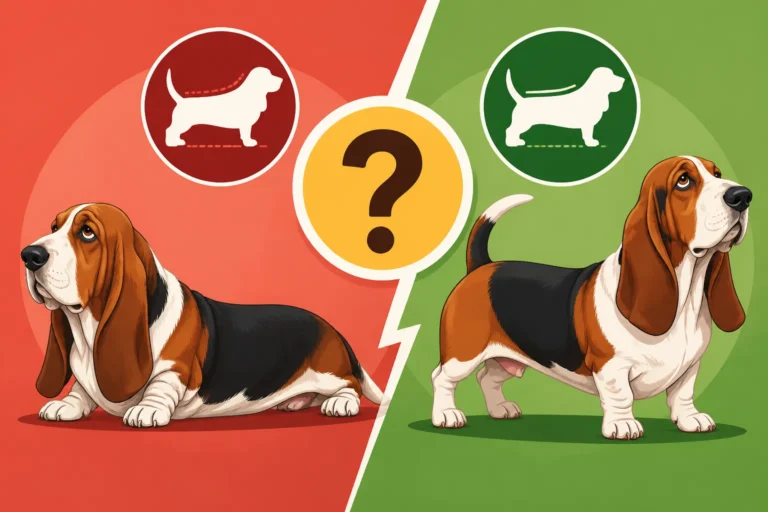
Responsible breeders work hard to ensure that while their Bassets meet the show standard, they also retain a healthy structure and sound temperament. They often engage in health testing and carefully select breeding pairs to avoid passing on genetic predispositions to conditions common in the breed, such as back issues or elbow dysplasia. This delicate balancing act requires a deep understanding of the breed's history, a commitment to ethical breeding practices, and a willingness to sometimes make difficult decisions to prioritize the long-term health and well-being of the Basset Hound. The discussion often circles back to whether the breed has been bred "too low" or if certain features have become overly exaggerated. Whether a Basset Hound Has Been Bred Too Low delves into this debate.
Modern Day Breeding and Health Considerations
In the decades following AKC recognition, the understanding of canine genetics and health has vastly expanded. Modern Basset Hound breeders are now equipped with more tools and knowledge than ever before to ensure the health of their lines. This includes genetic testing for certain inherited conditions and screening for orthopedic issues like Elbow Dysplasia in a Basset Hound. These health clearances are critical for responsible breeding, helping to reduce the incidence of painful and costly health problems in future generations. A reputable breeder will be transparent about these health checks and willing to discuss the health history of their breeding stock.
Beyond specific genetic conditions, there's also a heightened awareness of how the Basset Hound's unique conformation can predispose it to certain ailments. Their long backs make them prone to Intervertebral Disc Disease in a Basset Hound, their deep chests put them at risk for bloat, and their abundant skin folds require diligent cleaning to prevent infections. Ethical breeders not only screen for genetic issues but also strive to breed for overall structural soundness and educate prospective owners on preventative care. This holistic approach to breeding and care is vital for ensuring that the Basset Hound remains a healthy and happy companion for many years to come. Resources available from companies like Chewy, offering specialized diets, joint supplements, and grooming tools, play a supportive role in managing these breed-specific health considerations.
Disclaimer
This article is for general informational purposes only and does not constitute professional advice. Laws, prices and regulations vary by location and change over time. Consult a qualified professional for guidance on your specific situation.