Whether a Basset Hound’s Ear Infection Ever Clears
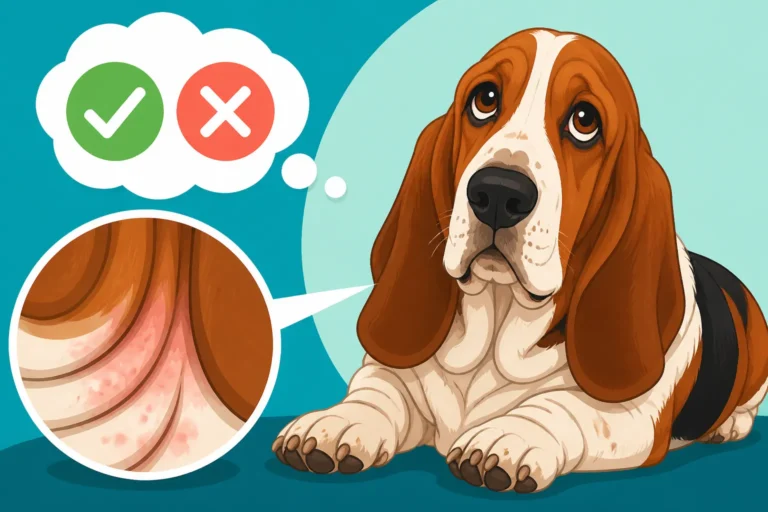
It’s a tale as old as time for Basset Hound owners: the endless cycle of ear infections. Just when you think you’ve finally conquered that yeasty smell or painful head shake, it’s back with a vengeance, leaving you wondering if a Basset Hound's ear infection ever truly clears. This deep dive will explore why these infections plague our beloved long-eared companions, what it truly means for an infection to "clear," and how you can work with your vet to achieve lasting relief for your hound.
Understanding the Basset Hound's Unique Ear Challenge
The Basset Hound's most iconic feature, its long, luxurious ears, are unfortunately also its Achilles' heel when it comes to ear health. Their design, while endearing, creates a perfect storm for infections to take hold and linger, often making owners feel like they're fighting a losing battle.
The Anatomy of a Basset Hound Ear
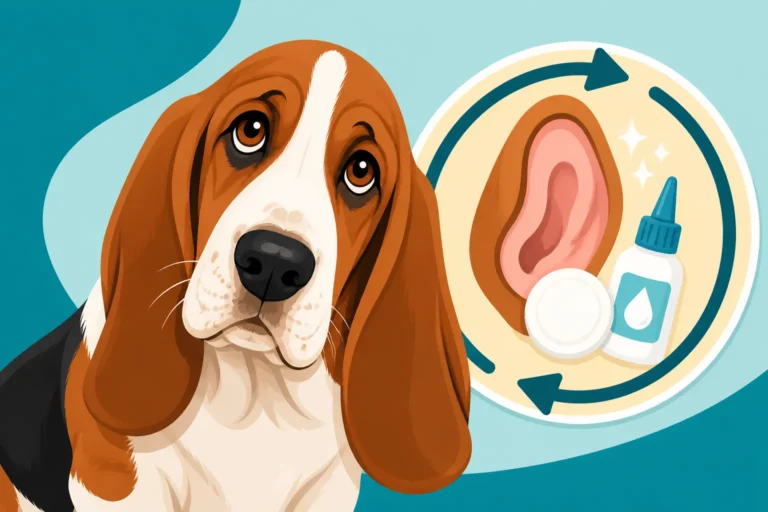
Imagine a damp, warm, dark cave – that's essentially what the inside of a Basset Hound's ear canal can become. Their ear canals are much longer and narrower than those of many other breeds, extending deep into the head before taking a sharp turn. This labyrinthine structure makes it incredibly difficult for air to circulate freely. Furthermore, the massive ear flaps, which can almost sweep the floor, effectively seal off the ear canal, trapping moisture and heat inside. This creates an ideal breeding ground for bacteria and yeast, which thrive in such environments. It’s no wonder that many owners eventually ask, "Whether Long Ears Are Why a Basset Hound’s Ears Infect" because the very structure of their ears seems designed for trouble.
The Role of Moisture and Airflow
Because of the enclosed nature of their ear canals, moisture becomes a significant problem. Even a normal bath, a splash in a puddle, or high humidity in the air can introduce moisture that then struggles to evaporate. This dampness, combined with the lack of airflow, softens the delicate skin lining the ear canal, making it more susceptible to irritation and infection. The trapped warmth further accelerates the growth of opportunistic microorganisms. Owners often feel a deep frustration when they've meticulously cleaned their Basset's ears, only for the problem to resurface shortly after, seemingly defying all their efforts. This isn't a sign of poor care; it's a testament to the biological predispositions inherent in the breed's ear structure.
Why Ear Infections Become Chronic in Bassets
It's one thing for an ear infection to pop up occasionally, but for Basset Hounds, they often seem to become a chronic, lifelong battle. This isn't usually due to a single, simple cause, but rather a complex interplay of underlying issues that keep the cycle of inflammation and infection going.
Underlying Allergies and Sensitivities
For many Basset Hounds, recurrent ear infections are merely a symptom of a much larger, systemic problem: allergies. Just like humans, dogs can suffer from environmental allergies (atopy) to things like pollen, dust mites, or molds, or from food allergies to specific protein sources. When a Basset Hound experiences an allergic reaction, one of the primary ways it manifests is through inflammation in the skin, which includes the lining of the ear canal. This inflammation creates a perfect environment for secondary invaders like bacteria and yeast. If the underlying allergy isn't identified and managed, treating the ear infection itself becomes a never-ending game of whack-a-mole, because the allergic inflammation keeps paving the way for new infections. You might treat an infection successfully, only for the ears to flare up again a few weeks later because the allergen is still present, making you question "Whether a Basset Hound Gets Allergies".
Secondary Bacterial and Yeast Overgrowth
Once the ear canal is inflamed, whether from allergies or moisture, it loses its natural protective barrier. This allows bacteria (like Staphylococcus or Pseudomonas) and yeast (Malassezia) that are normally present in small, harmless numbers to multiply rapidly and cause an active infection. What often happens in chronic cases is that the initial infection isn't fully cleared, or the underlying cause quickly leads to a rebound. Sometimes, a Basset Hound might even develop resistance to commonly used antibiotics if infections aren't accurately diagnosed and treated from the start. This is why a vet might suggest an ear culture to determine "Whether Yeast or Bacteria Is in a Basset Hound’s Ear", ensuring the right medication is prescribed. Without addressing both the primary triggers (like allergies) and effectively eradicating the secondary invaders, the ear infection will keep returning, feeling like a perpetual problem.
Structural Changes Over Time
Repeated bouts of inflammation and infection can unfortunately lead to irreversible structural changes within the Basset Hound's ear canal. The chronic swelling can cause the skin lining the canal to thicken and calcify, narrowing the passage even further – a condition known as stenosis. This makes it even harder for air to circulate and for medications to penetrate effectively. In severe, long-standing cases, the middle ear can also become involved, complicating treatment significantly. At this point, even aggressive medical management may only offer temporary relief, and the structural damage might mean the ear canal can "Whether a Basset Hound’s Ear Canal Closes Up" entirely, leading to much more drastic considerations. It's a heartbreaking reality for owners who have tried everything to keep their beloved hounds comfortable, only to face such profound and permanent changes.
The Diagnostic Journey: Uncovering the Root Cause
When a Basset Hound's ear infection refuses to clear, a thorough diagnostic approach is absolutely crucial. Simply giving a general antibiotic or antifungal without understanding the specific culprits or underlying conditions is like trying to fix a leaky faucet with a band-aid – it might help temporarily, but the problem will inevitably return. This journey often requires patience and a close partnership with your veterinarian.
Initial Veterinary Examination and Otoscopy
The first step, and one that should never be rushed, is a comprehensive physical examination by your veterinarian. They'll assess your Basset Hound's overall health and pay close attention to the ears, noting any redness, swelling, discharge, odor, or pain. This initial assessment is vital for identifying "The Signs a Basset Hound’s Ear Has Gone Bad". The vet will then use an otoscope – a lighted instrument – to carefully look deep into the ear canal, past the bend. This allows them to visualize the eardrum (tympanic membrane), assess the severity of inflammation, check for foreign bodies, polyps, or tumors, and collect samples of discharge. This visual inspection can often give critical clues about the type of infection and the extent of the problem. It’s not always easy, especially if your Basset is in pain, but it's the gateway to understanding what's really going on.
Cultures, Cytology, and Sensitivity Testing
One of the most powerful tools for tackling persistent ear infections is cytology, often followed by a culture and sensitivity test. During cytology, a sample of the ear discharge is smeared on a slide and examined under a microscope. This allows the vet to identify whether yeast, bacteria (and their shapes), inflammatory cells, or mites are present, giving immediate guidance on initial treatment.
If bacteria are found, especially in chronic or unresponsive cases, a culture and sensitivity test is highly recommended. This involves sending a sterile swab of the discharge to a laboratory, where the bacteria are grown (cultured) and then tested against a panel of different antibiotics to see which ones are most effective (sensitivity). This takes a few days but is invaluable for prescribing the right medication that will actually kill the specific bacteria in your Basset's ear. Without this step, you might be using an antibiotic that the bacteria are resistant to, explaining why "The Ear Infections That Never Really Leave a Basset Hound" even after weeks of treatment.
| Diagnostic Test | What it Checks For | Why it's Important for Bassets |
|---|---|---|
| Otoscopy | Visual inspection of ear canal and eardrum | Identifies foreign bodies, polyps, extent of inflammation, structural changes |
| Cytology | Presence of yeast, bacteria, mites, inflammatory cells | Guides initial broad-spectrum treatment, quick results for targeted therapy |
| Culture & Sensitivity | Specific bacterial type and effective antibiotics | Crucial for chronic infections to ensure correct antibiotic choice and prevent resistance |
| Allergy Testing | Environmental or food allergens | Identifies underlying cause for recurrent infections; key to long-term management |
Advanced Diagnostics: Imaging and Biopsy
Sometimes, despite all efforts, an ear infection simply won't resolve, or there are concerns about deeper involvement. In these situations, your vet might recommend advanced imaging techniques. X-rays can sometimes show changes in the bone surrounding the middle ear, but often, more detailed imaging like a CT scan or MRI is necessary. These provide highly detailed cross-sectional images that can reveal issues like middle ear infections (otitis media), polyps, or tumors that are hidden deep within the complex structure of a Basset Hound's skull. These conditions are not visible with a simple otoscope and often require specialized treatment.
In rare cases, a biopsy of the ear canal tissue might be needed, especially if tumors or unusual growths are suspected. While these advanced diagnostics represent a significant step in terms of invasiveness and cost, they are essential for definitively diagnosing complex cases and determining the most effective course of action, particularly when considering more aggressive treatments or potential surgery for "Whether a Basset Hound Needs Ear Surgery". This level of investigation helps ensure that every stone is turned to give your Basset the best chance at comfort.
Treatment Strategies for Persistent Ear Infections
Dealing with a Basset Hound's chronic ear infection isn't just about clearing it, but about implementing a multi-pronged strategy that addresses both the immediate problem and the underlying causes. It can feel like a marathon, not a sprint, especially when you're watching your furry friend suffer.
Aggressive Cleaning and Topical Medications
Before any topical medication can work effectively, the ear canal must be thoroughly cleaned. This is often the hardest part, as deeply impacted wax, pus, and debris create a barrier that prevents medicated drops from reaching the inflamed tissues and microorganisms. Your vet will likely perform a deep ear flush in the clinic, often under sedation if your Basset is in significant pain, to remove all this gunk. They might use specialized ear cleaners like Epiotic or TrizULTRA, which are designed to break down wax and create an unfavorable environment for bacteria and yeast.
After the deep clean, a specific topical medication will be prescribed, usually containing a combination of an antibiotic, an antifungal, and a corticosteroid to reduce inflammation. Consistency is key here. Owners are often told "How Far Into a Basset Hound’s Ear You Should Go" but it's important to remember that this usually involves a specific technique. You'll need to administer the drops diligently, often twice a day, for the full duration prescribed, even if the ear looks better after a few days. Stopping early is a common reason for recurrence, as it allows resilient pathogens to rebound. Patience and dedication to the prescribed regimen are paramount to allow the ear to truly heal.
Systemic Medications: Oral Antibiotics and Antifungals
In cases where the infection is severe, has spread to the middle ear, or is not responding to topical treatments, your veterinarian may prescribe oral medications. These might include systemic antibiotics, which work throughout the body to fight bacterial infections, or oral antifungals for severe yeast overgrowths. The choice of medication will ideally be guided by the culture and sensitivity results to ensure it's effective against the specific pathogens present.
Oral corticosteroids, such as prednisone, might also be used, especially if allergies are suspected as the primary driver of inflammation. These medications can quickly reduce swelling and discomfort, allowing the ear canal to open up, which then helps topical treatments work better. However, systemic medications come with their own set of potential side effects, so their use is carefully weighed against the benefits, and the dosage is tapered under veterinary guidance. This approach acknowledges that sometimes, the battle needs to be fought from the inside out, providing a more comprehensive attack on the infection.
Surgical Interventions for Severe Cases
For a small percentage of Basset Hounds with end-stage, irreversible ear disease, surgery becomes the only viable option for pain relief and improved quality of life. This is a tough conversation for any owner, knowing that they might face "What a Total Ear Canal Ablation Costs on a Basset Hound". The most common surgical procedure for chronic, unresponsive ear infections is a Total Ear Canal Ablation (TECA) with Bulla Osteotomy. In this extensive surgery, the entire diseased ear canal is removed, and the middle ear (bulla) is opened and cleaned.
While the thought of such a radical procedure is daunting, a TECA can provide immense relief from chronic pain and recurrent infections for Basset Hounds who have suffered for years. It does result in permanent deafness in the affected ear, but for dogs already experiencing severe hearing loss due to chronic infection and pain, the trade-off is often worth it. This surgery is typically considered a last resort when all other medical and less invasive surgical options have been exhausted, but it's important to know it exists as a solution for truly debilitating cases. The cost for such a procedure can be significant, often prompting owners to consider pet insurance providers like Healthy Paws to help cover the expense of these critical interventions.
Proactive Management: Preventing Recurrence
Achieving a "clear" ear for a Basset Hound is often less about a cure and more about committed, proactive management. Once an infection has been successfully treated, the goal shifts to preventing its return, which requires diligent attention to routine care and addressing any underlying predispositions.
Regular Home Care Routine
A consistent home ear care routine is the cornerstone of preventing recurrent ear infections in Basset Hounds. This means regularly checking your Basset's ears for any signs of redness, discharge, or odor – sometimes even "Whether a Basset Hound’s Ear Smells Sweet or Sour" can be an early indicator. Many vets recommend a preventive ear cleaning schedule, often once or twice a week, using a vet-approved cleaning solution. This helps to remove wax and debris before it can build up and to maintain a healthy environment in the ear canal. For many Basset Hounds, this becomes a lifelong commitment, as inherent anatomical factors will always predispose them to issues.
It's also crucial to ensure the ears are dried thoroughly after baths or swimming, as trapped moisture is a major culprit. Gently blotting the inside of the ear flap with a soft cloth and even using a low-heat hairdryer (held at a safe distance) can make a big difference. Establishing a positive routine from puppyhood, teaching your Basset to tolerate ear handling, can make these essential tasks much easier for both of you. This consistent, gentle intervention is often what truly allows a Basset Hound owner to feel they've gotten ahead of the problem.
Managing Allergies and Other Predisposing Factors
As we discussed, allergies are a huge piece of the puzzle for many Bassets with chronic ear trouble. If your vet suspects allergies, actively working to manage them is non-negotiable for preventing ear infections. This might involve:
- Environmental Allergy Management: Reducing exposure to allergens, using air purifiers, frequent cleaning of bedding, or considering allergy medications (antihistamines, Apoquel, Cytopoint) or even immunotherapy (allergy shots/drops) if a specific allergen is identified through testing.
- Food Allergy Elimination Diet: If a food allergy is suspected, your vet will guide you through a strict elimination diet using a novel protein or hydrolyzed protein food. This involves feeding only the prescribed food for 8-12 weeks, with no other treats or foods, to see if ear symptoms improve. Reintroducing old foods one by one can help pinpoint the culprit.
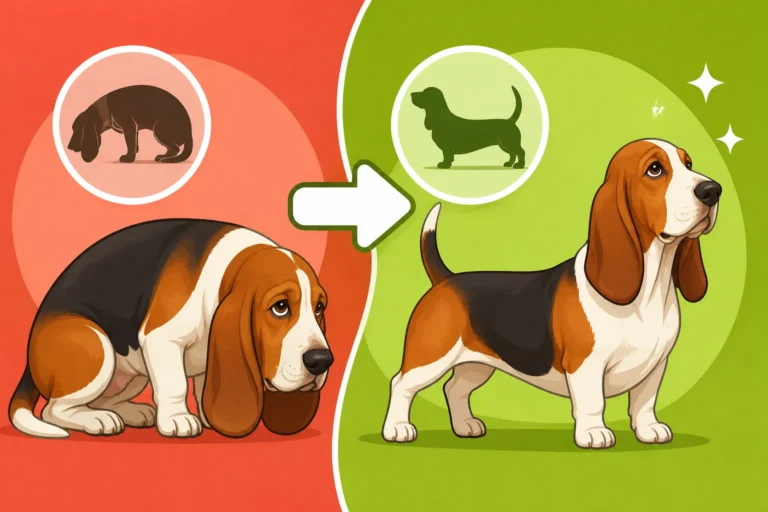
Beyond allergies, managing other predisposing factors like hypothyroidism (which can affect skin and ear health) or ensuring your Basset is at a healthy weight (as "What Extra Weight Does to a Basset Hound" can exacerbate inflammation) are important considerations for overall ear health. Addressing these underlying issues is what truly breaks the cycle of recurrence.
Dietary Considerations
Beyond specific food allergies, a healthy diet plays a general supportive role in maintaining your Basset Hound's overall skin and ear health. High-quality dog foods formulated with beneficial omega-3 fatty acids (like fish oil) can help reduce systemic inflammation throughout the body, including in the ear canals. Some Basset owners also find that certain diets, particularly those rich in probiotics or limited ingredients, can help support a healthy immune system and skin barrier, making their dogs less susceptible to allergic flare-ups and subsequent ear infections.
While a change in diet won't magically cure a raging ear infection, it can be a valuable long-term strategy in conjunction with other treatments for preventing recurrence. Always discuss any significant dietary changes or supplements with your veterinarian to ensure they are appropriate for your Basset Hound's specific health needs. Monitoring how your dog responds to different foods and adjusting accordingly can be a long process, but it’s an important part of the holistic approach to managing chronic ear issues. Many owners find that while they might not need "Whether Prescription Food Is Needed for a Basset Hound", careful selection of a high-quality, balanced food can make a noticeable difference in their hound's long-term ear health.
The Long-Term Outlook: Can They Truly Clear?
The question of whether a Basset Hound's ear infection ever truly clears is complex, and the answer often depends on the underlying cause and the owner's dedication to long-term management. For many Bassets, it's less about a permanent "cure" and more about achieving successful, consistent control.
Commitment to Ongoing Care
For Basset Hounds prone to ear infections, ongoing care is not an option; it's a necessity. This means accepting that their unique anatomy requires a proactive, lifelong approach to ear health. It’s a commitment to regular cleaning, vigilant monitoring, and prompt veterinary attention at the first sign of trouble. Think of it less as an occasional chore and more as an integral part of their grooming and health routine, much like "Cleaning a Basset Hound’s Face Wrinkles". This dedication involves:
- Scheduled Cleanings: Sticking to the routine recommended by your vet.
- Environmental Control: Minimizing exposure to known allergens where possible.
- Dietary Management: Maintaining a diet that supports skin health and avoids triggers.
- Regular Vet Check-ups: Allowing your vet to routinely inspect the ears, even when they look healthy, to catch subtle changes early.
This level of commitment can feel overwhelming at times, especially when initial costs are high, but it's the reality for ensuring your Basset Hound lives a comfortable life free from the chronic pain and irritation that persistent ear infections cause. Pet insurance, such as policies from Healthy Paws, can be an invaluable asset in making this ongoing commitment financially manageable, helping cover regular vet visits, medications, and potential specialist consultations for chronic conditions.
When "Clear" Means "Controlled"
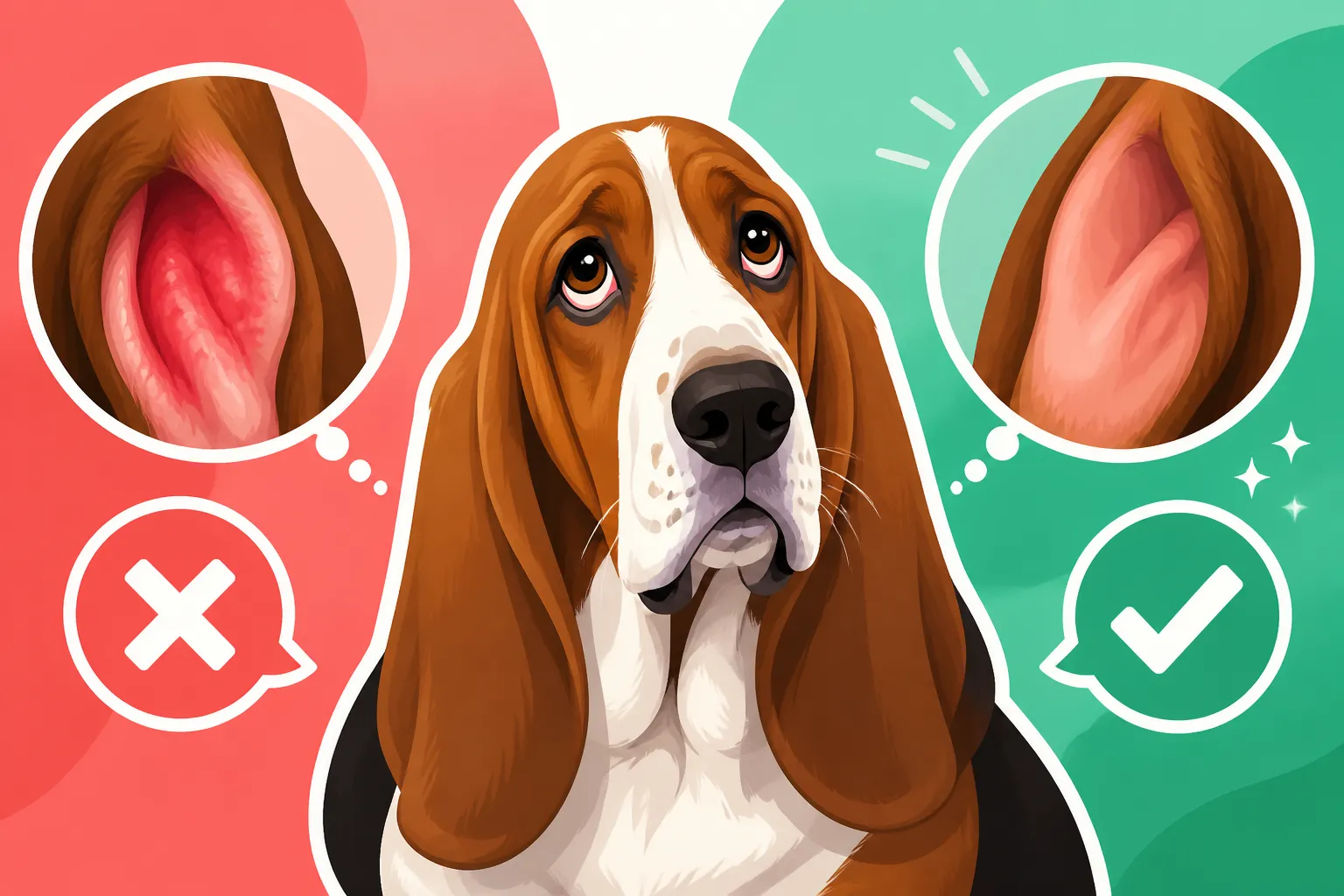
For most Basset Hounds with a history of recurrent ear infections, "cleared" often means that the active infection has been resolved and the ears are in a state of remission, or under successful control. It rarely means that the underlying predisposition has vanished. They will likely always be more susceptible to ear issues than a dog with upright ears and open canals. The goal is to reach a point where:
- There is no active discharge, redness, or swelling.
- Your Basset Hound is not shaking its head, scratching, or showing signs of pain.
- The ears smell clean and healthy.
- Any discomfort or irritation is managed effectively through preventive measures.
This controlled state allows your Basset to live a happy, pain-free life. It means you've successfully managed the factors that contribute to the infections, rather than simply suppressing symptoms temporarily. It's a journey that requires vigilance and understanding that their ears will always need a little extra TLC.
Impact on Quality of Life and Owner Experience
Chronic ear infections can profoundly impact a Basset Hound's quality of life. Constant pain, itching, and discomfort can lead to changes in behavior, including irritability, withdrawal, and reluctance to play. It can also affect their hearing and overall well-being. From an owner's perspective, the financial strain and emotional toll of seeing your beloved pet suffer, coupled with the frustration of repeated vet visits and treatments, can be immense. It's truly disheartening to deal with "What Chronic Ear Treatment Costs a Basset Hound Owner" over and over again.
However, with a clear understanding of the challenges, a dedicated partnership with your veterinarian, and a commitment to proactive care, it is absolutely possible to manage these issues effectively. Achieving a state of consistent control, even if not a permanent "cure," significantly improves your Basset Hound's comfort and happiness, and in turn, vastly improves your experience as a loving pet parent. It means reclaiming those moments of joy without the constant worry of an impending ear flare-up, allowing you both to fully enjoy the unique companionship a Basset Hound offers.
Disclaimer
This article is intended for informational purposes only and is not a substitute for professional veterinary advice, diagnosis, or treatment. Always seek the advice of your veterinarian or other qualified animal health provider with any questions you may have regarding a medical condition.